


Staying comfortable on the trail requires balancing warmth, weight, and moisture management, a challenge many hikers face when planning multi-day trips. Understanding what clothes to pack for backpacking is the first step toward a lighter, more functional load that handles changing conditions without sacrificing mobility. The goal is not to bring every item you own, but to select versatile pieces that serve multiple purposes while protecting you from the elements.
Many backpackers make the mistake of overpacking, adding extra layers or bulky items that weigh down the pack and cause fatigue over long distances. A well-planned clothing kit relies on synthetic or merino wool fabrics that wick moisture and dry quickly, unlike cotton which retains water and can lead to hypothermia in cool weather. By focusing on a core set of layers and quick-dry essentials, you can maintain comfort and efficiency throughout your journey. For more context on gear selection, check out our lightweight hiking pants guide.




Building a Functional Clothing System
A successful backpacking wardrobe relies on a layered system to adjust insulation based on activity level and ambient temperature.
- The layering principle allows you to remove or add items to regulate body heat effectively.
- You combine a base layer, an insulating mid-layer, and a protective outer shell instead of one heavy jacket.
- This modularity ensures you are prepared for sudden weather changes without carrying unnecessary bulk.
| Layer Type | Primary Function | Recommended Materials |
|---|---|---|
| Base Layer | Moisture Wicking | Synthetic Polyester, Merino Wool |
| Mid Layer | Insulation | Fleece, Puffy Jacket, Down |
| Outer Shell | Wind and Rain Protection | Nylon, Gore-Tex, Waterproof Fabric |
| Bottoms | Comfort and Durability | Quick-Dry Hiking Pants, Shorts |
| Footwear | Traction and Support | Broken-in Hiking Boots or Trail Shoes |
Selecting the right base layer is critical because it sits directly against your skin and manages sweat. Cotton is generally discouraged for backpacking because it holds moisture, dries slowly, and can make you feel cold and clammy during breaks. Synthetic fabrics like polyester or natural options like merino wool wick sweat away from your body, keeping you dry and comfortable. Many hikers prefer merino wool for its natural odor resistance, which allows you to wear the same base layer for several days without washing.
For insulation, a fleece jacket or a lightweight puffy jacket offers a good balance of warmth and packability. Down jackets provide excellent warmth-to-weight ratios but lose their insulating properties when wet, making them less suitable for rainy or damp environments. Synthetic puffy jackets retain some insulation even when damp, offering a safer option for variable weather. Choose a mid-layer that compresses well so it does not take up too much space in your pack.
The outer shell protects you from wind, rain, and light snow. A waterproof or water-resistant jacket with a breathable membrane helps prevent overheating during active hiking while keeping you dry in precipitation. Look for features like adjustable hoods, pit zips for ventilation, and durable fabric that resists abrasion from packs and branches. A versatile shell can also serve as a windbreaker on cool, dry days.
Choosing the Right Bottoms and Footwear
Hiking pants made from quick-dry synthetic materials are the standard for backpacking bottoms.
- They offer durability, stretch for movement, and the ability to dry rapidly if they get wet from rain or sweat.
- Many hikers opt for convertible pants with zip-off legs, providing flexibility for warm days and cooler evenings.
- Shorts are suitable for warm weather but offer less protection from sun, insects, and scratches.
Footwear is one of the most important pieces of gear you can bring. Your boots or trail shoes should be broken in before your trip to prevent blisters. Look for models with good traction, ankle support, and waterproofing if you expect wet terrain. Packing a pair of lightweight camp shoes or sandals is optional but can be useful for resting your feet at the end of the day or drying out wet hiking shoes.
Accessories like hats, gloves, and socks complete the clothing kit. A wide-brimmed hat protects your face and neck from the sun, while a warm beanie is essential for cold mornings and evenings. Merino wool or synthetic hiking socks wick moisture and reduce friction, helping to prevent blisters. Packing one extra pair of socks is wise, as wet socks can lead to discomfort and foot problems.
Organizing Your Clothing for Easy Access
Keeping your clothing organized saves time and reduces stress when you need to change layers quickly. Stuff sacks are an excellent tool for separating dirty clothes from clean ones and compressing bulky items like fleece jackets. Color-coded bags help you identify contents at a glance, making it easier to find what you need without unpacking the entire pack. This organization also helps keep your pack tidy and prevents small items from getting lost.
Place frequently used items, such as your rain shell and sunglasses, in external pockets or easily accessible compartments. This allows you to grab them quickly when the weather changes without digging through your pack. Heavier items like insulation should be packed closer to your back to maintain balance and comfort. Lighter items like socks and accessories can go in smaller pockets or compression sacks to maximize space efficiency.
Consider the climate and season when planning your load. In warmer months, you may need fewer insulating layers but more sun protection and insect repellent. In colder months, prioritize high-quality insulation and waterproofing. Checking the weather forecast before your trip helps you fine-tune your clothing selection, ensuring you are prepared for the specific conditions you will encounter on the trail.
Managing Moisture and Hygiene on the Trail
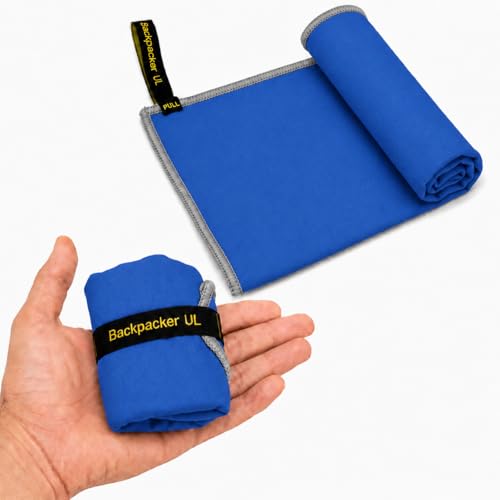
Moisture management is key to staying comfortable and healthy during a backpacking trip. Sweat and rain can quickly make your clothing damp, leading to chafing, blisters, and even hypothermia in cool weather. Using moisture-wicking fabrics and changing into dry layers when possible helps maintain body temperature and comfort. A quick-dry towel is a versatile tool that can be used to wipe sweat, dry gear, or clean up after meals.
Hygiene on the trail requires a bit of planning. Carrying a small pack of biodegradable soap and a washcloth allows you to freshen up at water sources. Hanging clothes on a portable clothesline helps them dry faster, especially on sunny days. This method is particularly useful for drying socks, base layers, or rain gear after a rainy hike. Ensuring your clothing dries completely prevents odor buildup and keeps your gear in good condition.
For women hikers, specific hygiene items like a pee cloth can be a practical addition to the pack. These reusable cloths provide a simple way to manage needs on the trail without carrying extra toilet paper. They are lightweight, easy to clean, and can be hung from your pack to air dry. This small addition can make a significant difference in comfort and convenience during longer trips.
Common Mistakes to Avoid When Packing
One common mistake is packing too many extra layers “just in case.” While it is good to be prepared, carrying more than you need adds weight and bulk, which can slow you down and cause fatigue. Trust in the versatility of your core clothing system and only add extra items if the weather forecast indicates extreme conditions. A lighter pack is easier to carry and more enjoyable to hike with.
Another mistake is neglecting to break in your footwear. Wearing new boots or shoes on a long trail is a recipe for blisters and pain. Always test your footwear on shorter hikes before committing to a multi-day backpacking trip. This ensures that your shoes fit properly and that your feet are accustomed to the feel of the gear. Properly broken-in footwear is essential for a comfortable and successful trip.
Ignoring the weight of your clothing can also lead to a heavier-than-necessary pack. Every item you bring adds to the total load, so choose lightweight options whenever possible. Compare the weight of different fabrics and styles to find the best balance of durability and lightness. A scale can help you track the weight of your clothing and other gear, ensuring you stay within a comfortable carrying limit.
Final Checks Before You Depart
Before you leave for your trip, do a final check of your clothing pack. Ensure you have all the essential layers, appropriate footwear, and necessary accessories. Verify that your rain gear is functional and that your insulation is clean and dry. This final review helps you catch any missing items and ensures you are fully prepared for the conditions ahead.
Remember that the right clothing for backpacking is not about having the most expensive gear, but about having the right gear for the conditions. Focus on functionality, comfort, and weight management to create a clothing system that supports your adventure. By planning carefully and choosing versatile, high-quality items, you can enjoy a comfortable and successful backpacking experience. For more tips on gear organization, see our hiking backpack cooler guide.
Ultimately, the goal is to pack smart, not just pack a lot. A well-thought-out clothing kit allows you to adapt to changing conditions, stay dry and warm, and keep your pack light and manageable. Take the time to plan your load, test your gear, and trust in your preparation. This approach ensures you are ready for whatever the trail throws your way, making your backpacking trip a memorable and enjoyable experience.







Write Your Review
No reviews yet. Be the first to share your experience!