


Middle school students face a major change in daily carry demands as elementary school folders give way to multi-inch binders, textbooks, gym uniforms, and digital devices. When parents and students investigate what is the best backpack for middle schoolers, the objective centers on finding an option that withstands intense everyday locker wear while shielding developing spines from excessive strain. Unstructured bags quickly buckle under the weight of modern class schedules, leading to frayed strap seams and disorganized supplies. Selecting a durable pack with dedicated compartments prevents chronic clutter and protects expensive electronics throughout the academic year.
Balancing internal volume against adolescent torso dimensions is critical for maintaining long-term physical comfort during crowded hallway transitions. While outdoor recreation often relies on specialized gear like budget-friendly utility packs, middle school daily carry requires specific schoolhouse features such as padded device sleeves and structured organizer grids. Fabrics like high-density nylon and reinforced polyester offer reliable protection against locker abrasion and rainy bus stops. Examining internal capacity, harness ergonomics, and zipper hardware ensures the chosen bookbag survives the rigorous school calendar.




Evaluating the Ideal Middle School Backpack Architecture
Finding the right balance between storage space, ergonomic support, and durability is the central challenge when answering what is the best backpack for middle schoolers. Middle schoolers must carry binders, textbooks, gym clothing, and digital devices across campus every day. Bags lacking structural support quickly cause shoulder fatigue, while poorly organized packs allow assignments to get lost. Analyzing capacity dimensions, strap design, protective padding, and technical textiles provides the clearest roadmap for choosing an enduring school bag.
The Middle School Transition and Daily Payload Demands
The academic shift from elementary school brings an immediate surge in daily cargo. Students no longer store gear in a single desk, meaning all materials must travel between classrooms. A typical load includes multi-inch binders, spiral notebooks, textbooks, a school computer, and stationery. In addition, students routinely carry lunches, gym uniforms, and water bottles. This sudden expansion in supplies makes lightweight elementary daypacks inadequate within the first month.
Adolescent bodies undergo rapid growth spurts during middle school, making spine protection an urgent priority. Carrying heavy weights on developing shoulder joints encourages forward-leaning posture and muscle tightness. Backpacks designed for this age group must distribute dense cargo evenly across the upper back rather than pulling toward the hips. When packs sag below the beltline, they force the student to crane their neck forward. A properly constructed academic bag stabilizes shifting items and keeps the center of mass aligned with the spine.
Capacity Calculations: Selecting the Right Volume Bracket
Internal pack volume directly affects both carrying comfort and daily utility, with most middle schoolers thriving in a 20-liter to 28-liter capacity bracket. Compact models under 20 liters struggle to fit wide three-ring binders without warping upper zipper tracks. Conversely, oversized adult packs exceeding 30 liters invite overpacking, creating an awkward bulk in narrow school hallways. Options like the Kuosdaz School Backpack demonstrate a balanced design with a listed 27-liter volume, accommodating essentials without overwhelming younger students. Keeping total height between 17 and 18.5 inches ensures proper torso alignment for adolescents.
Depth and width dimensions also dictate how easily a pack fits into standard school lockers. Many modern bookbags feature depths between 7.5 inches and 9 inches, allowing them to hold lunch boxes and athletic shoes without binding. For example, dimensions like the 18 by 12.2 by 8.5 inches on the BLUEFAIRY High School Backpack provide generous cubic volume while sliding into narrow locker slots. Bags projecting excessively outward create an awkward lever effect that pulls the wearer backward. Choosing a pack with structured side dimensions keeps cargo compressed during rapid passing periods.
Harness Ergonomics: Shoulder Straps and Back Panel Cushioning
Carrying comfort depends almost entirely on the foam density and contouring of the shoulder harness system. Thin, unpadded straps concentrate textbook weight onto narrow pressure points across the trapezius muscles. Resilient student packs utilize wide, contoured S-shaped straps lined with breathable air mesh to disperse weight. For instance, the BLUEFAIRY Middle High School Backpack incorporates foam-padded S-shaped straps designed to relieve shoulder pressure during long school days. Proper contouring curves naturally around the neck and chest, preventing painful chafing on morning walks.
Back panel engineering is equally critical for preventing spinal fatigue during warm-weather months. While technical hikers turn to specialized structured frame backpacks to transfer trail weight directly to the hips, student packs rely on segmented pearl cotton or sponge panels to absorb sharp book corners. Designs like the VIDOSCLA Elementary and Middle School Backpack feature dedicated spine-protection back panels filled with breathable sponge to soften lumbar contact. These padded channels allow body heat to escape while cushioning the spine against hard plastic binders. A supportive back pad maintains its structural form even when heavy textbooks are packed tightly inside.
Electronic Device Security: Padded Laptop and Tablet Sleeves
Digital learning has made dedicated tech protection essential for modern middle schoolers. Most school districts now issue 11-inch to 14-inch Chromebooks or require students to transport personal tablets. Stowing an electronic device in an unpadded main compartment alongside metal spiral notebooks invites cracked screens and cosmetic damage. Practical middle school options, including the BCMKLOOK Laptop Backpack, feature separate built-in compartments sized for laptops up to 15.6 inches. This extra dimensional tolerance ensures that computers housed in bulky protective cases still slide easily into the secure sleeve.
Device sleeves should incorporate dense foam padding along both the front barrier and the interior lining to absorb everyday jostling. The LOVEVOOK School Backpack takes device storage further by providing a 15.6-inch laptop pocket and a separate 9.7-inch tablet pocket. This dual-sleeve layout prevents accessories from scratching screens when students carry multiple digital devices. Keeping electronic hardware held flat against the back stabilizes the heaviest single component in the pack. Placing technology against the rear panel prevents shifting and stabilizes the center of gravity while walking.
Textile Selection: Nylon, Oxford Cloth, and High-Denier Polyester
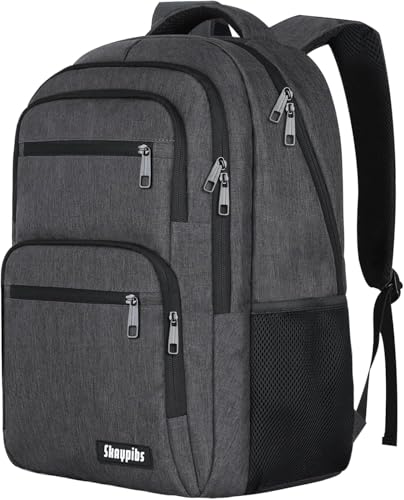
Exterior fabric composition determines how well a backpack survives rough floors, bus benches, and locker friction. Budget packs often use basic 300D polyester, which can develop punctures and frayed bottom seams under heavy book loads. More resilient options, such as the Skaypibs Backpack and Trail maker models, rely on heavy-duty 600D polyester or premium high-density nylon. Nylon fibers offer high tensile strength and superior resistance to surface abrasion compared to lighter synthetic blends. Fabrics woven from higher-denier yarns withstand repeated scraping against abrasive school bus floors without developing thin spots.
Moisture resistance represents another critical material benchmark, as students regularly travel to school in rainy conditions. Oxford fabrics and coated nylon variants provide substantial defense against unexpected rain showers and accidental locker spills. The abshoo Big Student Backpack utilizes durable water-resistant oxford fabric to prevent moisture from seeping into homework folders and electronics. While coated textiles shed light rain effectively, parents should recognize that water-resistant fabrics differ from fully waterproof bags with welded seams. Water can still infiltrate through exposed zipper coils during downpours if the pack lacks protective fabric flaps.
Hardware Integrity: Stress-Point Stitching and Zipper Quality
Hardware failure is the most frequent reason middle school packs are retired before the school year concludes. When a student lifts an overloaded bag by a single shoulder strap, extreme dynamic tension focuses on the upper seam junction. To prevent sudden tearing, dependable backpacks incorporate triangular fabric reinforcements and dense cross-stitching at strap connection points. The Skaypibs Laptop Backpack specifically highlights bar-tack reinforced stitching across high-stress points to eliminate seam blowout under heavy cargo. Bar-tacking uses closely spaced zigzag stitches that bind multiple fabric layers into a rip-resistant anchor point.
Zipper performance is equally essential, as split tracks or derailed sliders render an otherwise sturdy pack unusable. Heavy textbook loads exert intense lateral outward force on zipper teeth around curved top corners. Smooth metal zipper sliders and dual-direction pulls allow students to open compartments from either side without binding. The BCMKLOOK Laptop Backpack pairs sturdy double stitching with thick nylon coil zippers to ensure fluid operation under tension. Avoiding aggressive pulling when a zipper catches loose fabric prevents warped teeth and keeps the track aligned through months of daily use.
Compartment Architecture: Multi-Pocket Organization vs Open Cavities
Organizing varied academic gear requires a deliberate internal pocket strategy rather than a single cavernous packing space. Traditional single-cavity bags force students to pile loose pencils, calculator cables, rulers, and heavy binders into one disorganized heap. In contrast, multi-tiered configurations like the five distinct compartments on the BLUEFAIRY Middle High School Backpack establish designated homes for separate categories. Front accessory pockets provide rapid access to student ID cards, transit passes, and keys without opening the main compartment. Dividing supplies across dedicated sections also balances weight front-to-back, preventing items from clumping awkwardly at the base.
While outdoor hikers might carry gear accessories or packs featuring specialized cooler compartments for trail excursions, students need intuitive organization for stationery and loose electronics. Models like the LOVEVOOK School Backpack address this need by including a matching standalone pencil case that stows neatly inside the front organizer pocket. Exterior buckle pockets and hidden security sleeves provide peace of mind in crowded school settings. Hidden anti-theft back pockets, found on the Kuosdaz and Skaypibs packs, rest flush against the lumbar area to safeguard smartphones and cash during hallway travel. Having structured, accessible storage teaches young students organized habits that streamline their transition between class periods.
External Hydration Pockets: Elasticity, Depth, and Retention
Hydration is a daily priority for active students, making external water bottle retention a vital backpack feature. Middle schoolers frequently carry large insulated stainless steel bottles that weigh two pounds or more when full. If side pockets are shallow or loose, these heavy bottles easily tumble out onto hallway floors whenever a student bends over. High-performing student backpacks feature deep side pockets reinforced with resilient elastic bands or adjustable compression straps. The BLUEFAIRY Tie-Dye Backpack specifically integrates securing straps above its elastic side pockets to anchor tall bottles firmly in place.
Pocket diameter and fabric durability also determine whether side storage remains functional throughout the year. Coated nylon and solid polyester side pockets resist tearing far better than thin, unreinforced netting that snags on metal locker latches. The LOVEVOOK Backpack incorporates specialized elastic retention bands capable of holding wide tumblers securely without crowding the main compartment. When water bottles stay anchored on the exterior, valuable internal space remains clear for textbooks and homework folders. Keeping beverage containers separated from electronic devices also eliminates the risk of internal liquid leaks ruining school computers.
Aesthetic Details and Reflective Commuter Safety
Visual appeal is undeniably important for middle schoolers seeking to express their emerging personal style. While parents prioritize spinal support and tear-resistant textiles, students naturally gravitate toward colors, patterns, and fashionable accessories that reflect their personality. Backpacks like the GAXOS Cute Aesthetic Pink Backpack combine functional storage with decorative pin buttons and plush bear charms to satisfy trend-conscious students. Similarly, colorful printed options like the Trail maker Game Controllers Backpack let students showcase gaming interests in the classroom. When a student genuinely enjoys the visual style of their bag, they are far more likely to take pride in caring for it.
Fortunately, modern designs frequently merge aesthetic variety with practical schoolhouse utility across neutral and bold styles. The BCMKLOOK Laptop Backpack offers sleek solid black and neutral beige colorways that transition effortlessly into high school settings without appearing juvenile. Choosing timeless designs or versatile solid colors ensures that the backpack remains visually relevant as student fashion tastes evolve over rapid growth phases. Integrated safety features like subtle reflective strips in the Kuosdaz School Backpack enhance dawn and dusk visibility during winter commutes without disrupting styling. Combining appealing aesthetic details with structural reliability creates a bag that satisfies both parental durability demands and adolescent preferences.
Maintenance, Cleaning Protocols, and Fabric Longevity
Routine care directly dictates whether a student bookbag maintains its clean appearance and water-repellent performance across multiple semesters. Middle school backpacks regularly collect floor dust, lunch crumb spills, and ink smudges that degrade fabric fibers over time. Placing a technical nylon or polyester backpack into a washing machine is a common mistake that causes severe long-term damage. Vigorous agitator blades can shred foam shoulder strap padding, bend metal zipper sliders, and peel away internal polyurethane water-resistant backings. High-heat dryer cycles are equally destructive, as thermal exposure warps synthetic polyester fibers and melts protective interior coatings.
The safest cleaning protocol involves gentle spot-cleaning using lukewarm water, a mild non-detergent soap, and a soft nylon brush. Working the damp brush across high-friction areas like the bottom panel and shoulder straps lifts ground-in dirt without stressing structural seams. After cleaning, the pack should be hung upside down with all zippers fully unzipped in a well-ventilated indoor space to air dry away from direct sunlight. Occasionally wiping zipper tracks with a soft dry cloth removes fine pencil shavings and dust particles that cause teeth misalignments. Following these straightforward maintenance steps preserves structural integrity, keeps hardware operating smoothly, and extends pack lifespan.
Summary Guidelines for Choosing the Right Middle School Pack
Selecting the best carry solution ultimately requires matching the bag’s structural dimensions to the specific academic routine of the student. Parents and students should prioritize an unladen pack height of 17 to 18.5 inches, an internal volume near 25 to 28 liters, and dense foam shoulder straps. Evaluating high-stress points for reinforced bar-tack stitching and ensuring the presence of a padded laptop sleeve will protect against common gear failures. Dedicated elastic bottle holders and divided internal organizers further ensure that daily school tools remain accessible throughout fast-paced school days. Investing in balanced construction eliminates daily carrying frustration and supports student health from the first day of school to the final bell.







Write Your Review
No reviews yet. Be the first to share your experience!