


Traveling across Southeast Asia requires thoughtful gear preparation, particularly when moving between bustling cities, historic temples, and scenic island ferries. Navigating tropical heat, frequent transit days, and tight regional airline weight limits makes choosing the right luggage capacity essential. Many international travelers find themselves questioning what size backpack for 2 weeks in thailand will balance carrying comfort with practical storage. Selecting a pack that is too small leads to frustrating compromises, while carrying an oversized bag creates severe physical fatigue and unexpected gate-check baggage fees.
A well-chosen travel pack keeps you nimble on crowded commuter trains, wooden longtail boats, and narrow stairwells. When planning your initial gear setup alongside budget hiking backpacks, understanding core capacity brackets ensures you do not haul unnecessary bulk across the tropics. Lightweight clothing, accessible local laundry services, and warm weather allow most travelers to thrive with significantly less volume than cold-weather excursions require. Evaluating your packing style, transit habits, and airline rules helps you choose the optimal backpack volume for a seamless two-week adventure.




Optimal Backpack Sizing and Gear Strategy for Two Weeks in Thailand
Determining the ideal pack volume for a fortnight in Southeast Asia shapes your entire journey from airport arrival to island transit. Striking the balance between adequate carrying capacity and effortless maneuverability requires understanding how climate, laundry accessibility, and transportation modes interact. The right pack keeps you moving freely without forcing you into expensive checked luggage lines or leaving you stranded with sweat-soaked shoulders.
The 35 to 40 Liter Sweet Spot for Carry-On Travel
A capacity between 35 and 40 liters serves as the premier volume range for two weeks of travel across Thailand. This size bracket accommodates four to five days of lightweight tropical clothing, essential toiletries, compact charging gear, and an extra pair of walking sandals without bulging beyond overhead bin boundaries. Travelers using this capacity retain the freedom to navigate crowded Bangkok transit stations and walk directly off regional flights without waiting at baggage carousels. Because warm climates require thinner garments than cold destinations, forty liters offers substantial storage space without creating excessive bulk.
Affordable wash-and-fold laundry services operate throughout every major Thai destination, from bustling Chiang Mai alleys to quiet Koh Samui beaches. Most local laundry shops charge by the kilogram and return clean, dry, folded clothes within twenty-four hours. Utilizing these widespread services means you never need to pack fourteen individual outfits for a two-week itinerary. Packing for four or five days and rotating your wardrobe through local laundries keeps your bag compact, lightweight, and manageable.
A 35 to 40 liter pack also preserves your personal energy when transferring between different modes of regional transport. Boarding wooden longtail boats often requires wading through shallow surf, where hoisting a moderate pack above your waist keeps your belongings completely dry. Narrow sleeper train aisles and compact island songthaew passenger trucks also favor this streamlined silhouette. You remain self-sufficient and agile, avoiding the exhausting struggle associated with traditional oversized luggage.
When a 25 to 30 Liter Minimalist Pack Makes Sense
Adopting a 25 to 30 liter backpack represents the pinnacle of minimalist mobility for travelers willing to pare down their essentials. This reduced volume works exceptionally well for solo adventurers who prioritize speed and aim to keep their bag beneath the airline seat in front of them. Carrying less gear dramatically reduces physical fatigue while navigating scorching city pavements in midday heat. It also eliminates any possibility of being forced to gate-check your luggage during crowded boarding calls.
Committing to a sub-30 liter load requires disciplined packing and deliberate fabric selection. You must lean heavily into quick-drying technical fabrics like merino wool or synthetic weaves that can be washed in a hotel bathroom sink each night and dry before sunrise. Footwear must be restricted to what you wear on your feet, along with perhaps a single pair of flat sandals packed inside. Electronic devices must remain minimal, often limited to a smartphone, an e-reader, and a compact power bank.
While this ultra-compact approach provides unparalleled agility, it demands honest appraisal of your personal travel style. You will have minimal interior capacity for souvenirs, handcrafted textiles, or local goods picked up at night markets. Any minor overpacking will cause zipper strain and eliminate quick-access storage pockets. If you appreciate having wardrobe options or plan to carry camera equipment, dropping below thirty liters can introduce unnecessary friction into your holiday.
The Hidden Penalties of Exceeding 45 Liters
Carrying a backpack larger than 45 liters frequently creates significant logistical burdens throughout Southeast Asia. Traditional hiking rucksacks in the 50 to 70 liter range are designed for self-supported wilderness treks rather than multi-modal urban and coastal transit. Their tall profiles extend well past human head height, shifting your center of gravity backward and increasing spinal strain on hot walking routes. In tight market corridors and busy train platforms, these bulky packs constantly bump into vendors and fellow pedestrians.
Local transportation infrastructure in Thailand rarely accommodates large luggage without additional fees or discomfort. Private passenger vans operating between cities have virtually no dedicated trunk space, often forcing passengers with bulky bags to purchase an extra seat just for their luggage. Cramming a 65 liter pack onto the roof of an island ferry exposes your gear to ocean spray and diesel soot. When disembarking on sandy shores, a massive pack dramatically increases the risk of slipping on wet boat ladders or uneven beach terrain.
Oversized packs also trigger automatic scrutiny from regional airline gate agents. Budget carriers operating in the region enforce strict carry-on size and weight thresholds, immediately routing large packs to the baggage drop. Paying surprise checked baggage fees at the boarding gate quickly drains your travel budget and adds pointless delays to every flight connection. Keeping your pack capacity strictly at or below 45 liters preserves your autonomy and avoids these common transit headaches.
Southeast Asian Airline Dimensions and Weight Limits
Regional budget carriers across Southeast Asia enforce luggage restrictions far more rigorously than many domestic airlines in Western nations. Carriers like AirAsia, Nok Air, Thai Lion Air, and VietJet strictly cap cabin baggage allowances at seven kilograms, which equals approximately fifteen point four pounds. Gate agents frequently employ portable hanging scales and metal sizer boxes right at the boarding queue to inspect suspicious bags. If your pack exceeds this weight ceiling, you will be required to check the bag and pay penalty fees before boarding.
Pack tare weight plays a critical role in remaining compliant with these tight airline limits. Selecting an empty bag that weighs between two and three pounds leaves you with twelve or thirteen pounds of usable gear allowance. Unlike rigid rigid frame backpack designs that add substantial tare weight and resist compression, frameless or lightweight panel-loading packs compress neatly to pass airline sizers. External compression straps allow you to cinch down empty space, creating a dense, compact form factor that easily fits inside strict dimensional boxes.
Standard overhead cabin dimensions on these regional jets typically measure 56 centimeters by 36 centimeters by 23 centimeters, equivalent to 22 by 14 by 9 inches. A pack that is overstuffed beyond its design limits will bulge outward, exceeding the nine-inch depth restriction even if its height is compliant. Packing cubes assist in controlling pack depth by compressing garments into flat, uniform bricks. Measuring your packed bag with a soft tape measure before leaving home guarantees that your gear meets cabin standards.
Managing Tropical Heat and Back Panel Airflow
Thailand experiences year-round tropical heat accompanied by high relative humidity that tests your backpack suspension system. Walking just ten minutes through Bangkok or Phuket with a flat nylon back panel resting against your spine causes rapid heat accumulation and heavy perspiration. A well-designed travel backpack must incorporate ventilation channels or suspended tensioned mesh to allow ambient air to circulate across your back. This separation prevents sweat from soaking directly into your clothing and the interior fabric of your bag.
Shoulder strap construction requires equal attention when dressing in lightweight tropical apparel. Thick, non-breathable foam straps trap heat against your collarbones and can cause skin irritation or chafing when worn over sleeveless shirts. Look for perforated closed-cell foam or open-cell air mesh padding that cushions the load while permitting evaporative cooling. Contoured ergonomic straps help disperse downward pressure evenly across the pectoral muscles and upper shoulders, eliminating localized friction points during long walking transfers.
Fabric antimicrobial properties and mildew resistance also become relevant factors in tropical climates. Persistent humidity and damp gear can quickly cause unpleasant odors or mildew growth inside synthetic fabric weaves. Choosing fabrics treated with durable water repellent coatings on the exterior and polyurethane backing on the interior protects your gear while resisting moisture absorption. Airing your backpack out in an air-conditioned hotel room overnight prevents moisture from settling permanently into harness padding and back panel foams.
Packing Geometry and Weight Distribution for Long Travel Days
Proper internal weight distribution transforms how a loaded backpack feels on your body during extended walking periods. The heaviest items in your pack, such as dense toiletry pouches, spare footwear, and electronics, should always sit closest to your back panel and at mid-torso height. Placing dense mass against your spine prevents the bag from pulling backward away from your shoulders, which significantly reduces trapezius strain and lower back fatigue. Lighter gear like shirts, underwear, and sleepwear should occupy the bottom and outer perimeter of the main compartment.
Pairing a compact backpack with fast-drying apparel, such as breathable lightweight hiking pants, reduces total packing volume while ensuring comfortable temple visits where modest dress is mandatory. Lightweight synthetic fabrics compress tightly inside packing cubes, allowing you to maximize interior space without adding unnecessary weight. Rolling your garments rather than folding them eliminates dead space inside packing organizers and minimizes fabric wrinkles. Keeping clean clothes separated from damp or worn garments using dual-sided cubes maintains freshness across your two-week itinerary.
Organizing your quick-access items strategically prevents chaotic rummaging at airport security checkpoints and hotel check-in desks. Reserve exterior zippered stash pockets for your passport wallet, international vaccination cards, charging cables, and sunglasses. Water bottle pockets must provide adequate depth and elastic retention so that wide reusable bottles do not tumble out when bending over to retrieve luggage. Maintaining an organized internal layout ensures you can access essential items instantly without compromising the balance of your pack.
The Two-Bag System: Pairing Main Packs with Daily Daypacks
Experienced travelers exploring Southeast Asia frequently rely on a coordinated two-bag strategy rather than carrying a single bulky pack everywhere. In this system, your primary 35 to 40 liter backpack remains at your hotel, hostel, or guesthouse once you arrive at your destination. For daily excursions, scooter rides, temple visits, and night market walks, you deploy a lightweight 15 to 20 liter sport daypack. This setup shields your spine from carrying unnecessary gear all day while keeping your daily essentials secure and organized.
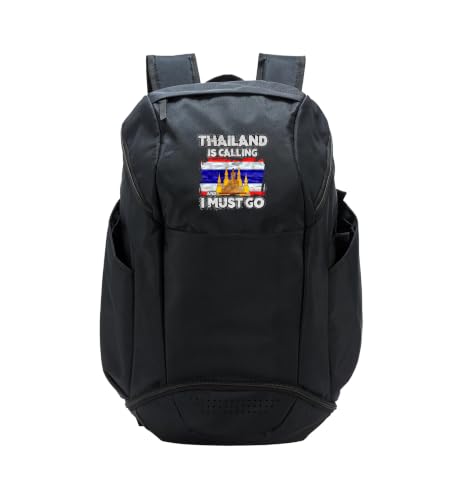
Lightweight sport backpacks with regional designs or minimalist silhouettes serve this secondary role exceptionally well. These packs fold flat or roll tightly into the bottom of your main luggage during transit flights, taking up negligible space and adding minimal tare weight. Once unpacked, they hold a rain jacket, a water bottle, sunscreen, camera accessories, and any small souvenirs purchased throughout the day. Using an agile daypack allows you to blend into urban crowds more naturally than walking around with a full travel backpack.
Wearing your daypack on your front during crowded transit connections also enhances personal security and balances physical weight. When moving through packed railway stations or crowded bus terminals, wearing your daypack on your chest keeps high-value items within your direct line of sight. This configuration deters pickpocketing while simultaneously counterbalancing the rearward pull of your main backpack. Once you reach your accommodation, you simply leave the large bag behind and explore unencumbered.
Monsoon Weatherproofing and Hardware Resilience
Weather conditions in Thailand can shift rapidly from blazing sunshine to torrential tropical downpours within a matter of minutes. Even during the dry season, unexpected coastal squalls can soak unprotected luggage in seconds. While water-resistant exterior fabrics and coated zippers shed light mist, they cannot withstand sustained monsoon downpours without letting moisture seep through needle holes. Equipping your pack with a dedicated waterproof rain cover provides an impermeable shield that prevents rain from ruining expensive electronics and clothing.
Zipper hardware experiences substantial stress in sandy, humid coastal environments and requires durable engineering. Marine salt spray and fine beach sand can easily infiltrate zipper teeth, causing corrosion, binding, or premature track derailment. Heavy-gauge coil zippers offer superior resistance to lateral tension and grit ingress compared to delicate reverse-coil designs. Rinsing your pack zippers with fresh water after extended beach stays clears abrasive salt crystals and maintains smooth slider movement throughout your trip.
Seam reinforcement at primary load points ensures that your backpack withstands the physical rigors of aggressive transit handling. Reinforced bar-tack stitching where the shoulder harness and haul loops connect to the pack body prevents seam failure under sudden tension. High-denier nylon or polyester base panels protect against ground abrasion when placing your bag on rough concrete docks or sandy shores. Inspecting these structural points before embarking on your journey ensures that hardware failures will not disrupt your travel itinerary.
Pre-Trip Pack Fitting and Weight Verification
Conducting a complete test pack at home several days prior to departure eliminates unpleasant surprises at the airport check-in counter. Assemble every garment, toiletry bottle, electronic accessory, and pair of shoes you plan to bring, then pack them methodically into your chosen bag. Suspend the fully packed backpack from a digital luggage scale to confirm that the gross weight remains comfortably beneath the seven-kilogram airline threshold. If the scale registers over six point five kilograms, remove non-essential items until you establish a reliable safety buffer.
After verifying the weight, put the pack on and complete a twenty-minute walking trial around your neighborhood or living space. Adjust the shoulder harness, fasten the sternum strap across your mid-chest, and cinch the hip belt snugly over your iliac crest to evaluate load transfer. Pay close attention to any pinching across the trapezius muscles or excessive pressure against your lumbar spine. Fine-tuning strap tension and adjusting internal packing geometry before your departure ensures a comfortable, hassle-free journey across Thailand.







Write Your Review
No reviews yet. Be the first to share your experience!