


Approaching the historic sanctuary gate after days of travel or an early train ride from Ollantaytambo often brings an unexpected surprise at the security checkpoint. Park rangers strictly enforce carry-in dimensions to protect the ancient citadel and maintain crowd flow along the narrow, one-way stone terraces. Knowing what size backpack for machu picchu is permitted saves travelers from costly mandatory baggage checks or forced repacking at the entrance turnstiles. Bringing a bag that exceeds park limits creates unnecessary logistical headaches when your attention should remain on the stunning cloud forest views. Reliable daypacks provide enough room for water, rain protection, and personal items while remaining light enough for steep stone staircases.
Official park regulations restrict carry-in bags to a maximum volume of twenty liters, meaning oversized expedition rucksacks must remain behind at storage lockers outside the gate. Hikers planning the final ascent often opt for compact daypacks or even budget hiking daypacks that fit smoothly within the mandated forty-by-thirty-five-by-twenty-centimeter perimeter. Balancing essential storage with streamlined external dimensions ensures comfortable walking through the ruins without bumping into low stone doorways or other visitors. Taking time to select the right pack volume keeps your gear secure, organized, and fully compliant with local archaeological park authorities.


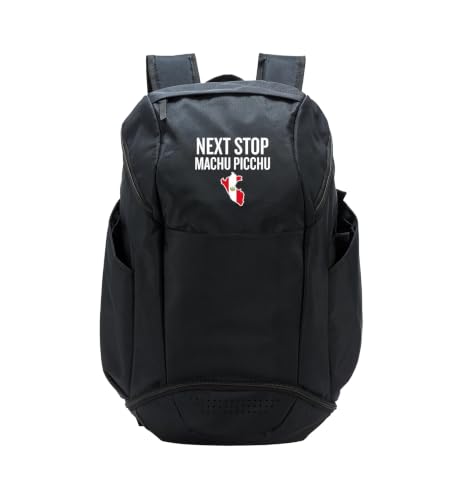


Essential Sizing Regulations and Practical Carry Guide for Machu Picchu
Visiting the historic sanctuary requires balancing personal comfort against strict archaeological park conservation policies. The Peruvian Ministry of Culture establishes explicit baggage boundaries to protect delicate Incan masonry and maintain orderly traffic on narrow trail circuits. Carrying an oversized rucksack not only risks denial at the primary checkpoint, but it also increases physical fatigue on uneven stone stairways. Selecting a compact daypack between fifteen and twenty liters ensures that visitors carry necessary clothing, hydration, and documentation without exceeding the physical footprint established by local authorities.
Official Sanctuary Regulations and Dimensional Limits
Official park rules dictate that carry-in bags must not exceed forty centimeters in height, thirty-five centimeters in width, and twenty centimeters in depth. In volume terms, this dimensional ceiling translates directly to a twenty-liter capacity threshold for any backpack brought past the turnstiles. Security guards positioned at the entrance evaluate bags visually and may direct travelers with large bags to measuring frames or mandatory storage facilities. These strict thresholds exist because large bags can scrape against ancient granite walls or disrupt foot traffic on steep terraces.
Enforcement can vary depending on gate congestion, but travelers should never assume security officers will overlook a visibly bulging pack. A thirty-liter or forty-liter pack packed loosely might occasionally slip through if it looks small, but a firmly packed bag of that volume will almost certainly be turned away. Choosing a compliant daypack eliminates stress during the entry queue and prevents sudden delays before your scheduled circuit entry window. Staying within the twenty-liter envelope allows seamless progression through the turnstiles and ensures adherence to national park preservation guidelines.
The Difference Between Trekking Packs and Citadel Daypacks
Travelers reaching the citadel via multi-day trekking routes often confuse overall trail gear requirements with citadel entry allowances. Routes such as the Classic Inca Trail or the Salkantay Trek require larger packs to haul sleeping gear, clothing layers, and trekking equipment across mountain passes. While hikers often utilize rigid frame packs to distribute weight across technical terrain, park officials ban external metal frames and oversized rucksacks inside the historic ruins. Porters generally transport bulkier luggage between campsites, leaving hikers responsible only for their personal trail daypacks.
Once hikers reach the Sun Gate or transfer to the final bus up from Aguas Calientes, any oversized trekking rucksack must be stored. Most hotels in Aguas Calientes hold heavy luggage free of charge, allowing travelers to board the transit shuttle carrying only their compliant daypacks. If you arrive directly at the sanctuary gates with your main luggage, you must pay to check those bags into the luggage storage lockers outside the security perimeter. Transitioning to a dedicated twenty-liter daypack ensures smooth entry and prevents carrying heavy, unnecessary gear up thousands of stone steps.
Ideal Volume Tiers for Exploring the Citadel
A pack capacity ranging between twelve and eighteen liters represents the practical sweet spot for most day visitors. This volume bracket accommodates an insulating fleece, a lightweight waterproof rain shell, a reusable water container, sun protection, and essential identification papers. Compact sport backpacks, such as the Machu Picchu Peru SteMi Apparel options, fit naturally into this middle tier by offering structured carry without excess bulk. Selecting a pack within this range guarantees that the bag sits close to your spine without hanging over your hips or protruding outward into pedestrian corridors.
Minimalist options between ten and fourteen liters, such as the lightweight drawstring sacks from WIMMY or QZPKKTIUHBS, offer the lowest tare weight. These bags take up virtually no space when packed flat inside a larger rolling suitcase or duffel bag during transit from Lima to Cusco. They provide adequate space for a single water bottle, travel documents, a camera, and a compact rain poncho while maintaining zero risk of exceeding park dimensional sizers. However, these frameless sacks lack internal load support, which may cause thin drawstrings to dig into shoulders if loaded with dense or heavy items.
Packs measuring between eighteen and twenty liters represent the absolute upper boundary permitted past the checkpoint. A twenty-liter technical daypack often includes padded shoulder straps, external mesh pockets, and internal organizer sleeves that keep gear accessible. While this capacity easily holds camera lenses, extra layers, and multiple water flasks, travelers must avoid overstuffing external compression pockets. Keeping the pack moderately packed ensures it easily compresses into inspection sizers if park rangers request a dimensional check at the gate.
Essential Gear Allocation for the High-Altitude Cloud Forest
Machu Picchu sits in an Andean cloud forest microclimate where warm sunshine can instantly transition into dense mist or heavy downpours. Packing your twenty-liter bag requires balancing weather protection, sun defense, and personal comfort across variable conditions. Hikers who pair their pack with durable, trail-ready hiking pants often find that storing a light windbreaker in the upper pocket allows rapid adaptation to mountain winds. Prioritizing light, packable apparel ensures that your bag remains organized and under the physical dimensional limit throughout your tour.
Hydration planning inside the citadel demands specific attention to local ecological regulations. Park authorities strictly prohibit single-use plastic water bottles inside the sanctuary to eliminate plastic waste on the archaeological site. Every visitor must carry water in a reusable canteen, aluminum flask, or hydration bladder housed within their daypack. Allocating space for a one-liter or 1.5-liter reusable bottle is essential, as the altitude and steep ascents quickly induce dehydration under direct sunlight.
Beyond water and clothing, internal daypack pockets must accommodate essential personal documentation and sun defense gear. Visitors must present original physical passports and printed entry tickets matching designated circuit times before entering the site. Placing these vital documents in a zippered internal security pocket protects them from sudden rainfall or moisture seepage. Adding broad-spectrum sunscreen, high-altitude lip balm, non-aerosol insect repellent, and sunglasses completes a well-rounded pack load that fits comfortably within a twenty-liter limit.
Harness Ergonomics and Carrying Comfort on Stone Staircases
Walking through designated citadel circuits requires ascending and descending hundreds of uneven, hand-carved stone steps. Even a light pack weighing eight to ten pounds can cause shoulder fatigue if the harness lacks proper ergonomic shaping. Contoured shoulder straps padded with dense EVA foam distribute weight evenly across the trapezius muscles rather than concentrating pressure along the collarbones. Adjustable sternum straps help stabilize the pack against your upper chest, preventing shifting during steep ascents up Huayna Picchu or Machu Picchu Mountain.
Back panel ventilation plays an equally critical role in high-altitude carrying comfort. High humidity combined with intense Andean sun often leads to rapid heat accumulation along the wearer’s spine during active walking. Daypacks featuring molded air channels or breathable open-cell mesh backing promote continuous airflow between your shirt and the pack body. Reducing perspiration buildup keeps you comfortable and helps prevent chills when mountain breezes sweep across exposed ridge viewpoints.
Torso stability is crucial when negotiating narrow staircases flanked by steep drop-offs. A pack that sways laterally can compromise balance on damp or slick stone surfaces during rainy morning circuits. Selecting a daypack that anchors snugly against your lumbar spine keeps your personal center of gravity aligned over your feet. Light webbing waist straps provide subtle stabilization without adding the bulk of heavy padded hip belts, making them ideal for agile movement along designated one-way walking paths.
Fabric Durability and Weather Protection in Mountain Climates
Tropical mountain squalls can develop within minutes, exposing bags to heavy precipitation along exposed stone terraces. Selecting a daypack constructed from tightly woven ripstop nylon or coated polyester helps protect interior contents from moisture intrusion. Many modern travel packs utilize durable water-repellent exterior coatings paired with polyurethane interior laminates that shed light rain. While these water-resistant fabrics repel passing showers, seam stitching and exposed zipper tracks can eventually allow moisture seepage during extended downpours.
Carrying a compact waterproof rain cover provides reliable insurance against heavy downpours that water-resistant fabrics alone cannot withstand. Many hiking daypacks include an integrated rain cover stowed in a dedicated zippered pocket beneath the bottom panel. If your chosen pack lacks a built-in cover, packing a lightweight silicone-coated nylon rain sleeve adds minimal tare weight while offering full weather protection. Alternatively, lining the interior main compartment with a lightweight dry sack guarantees that your passport, camera, and spare fleece remain dry during storms.
Entrance Checkpoint Protocol and Locker Logistics
Arriving at the primary sanctuary entrance requires navigating through designated ticket validation queues and security stations. Security personnel maintain strict oversight regarding prohibited items, including selfie sticks, tripods, umbrellas, metal-tipped walking poles, and oversized backpacks. If an officer determines that your bag exceeds the forty-by-thirty-five-by-twenty-centimeter threshold, you will be redirected to the adjacent luggage storage depot. Being turned away from the entry gate can cause you to miss your reserved entry time slot, leading to logistical stress.
The baggage storage lockers located outside the entrance turnstiles provide a secure holding area for non-compliant luggage. Travelers must pay a nominal per-bag fee to store backpacks, duffels, or trekking rucksacks during their scheduled visit. While the storage facility is reliable, retrieving checked baggage after your tour often requires waiting in long queues alongside exiting tour groups. Avoiding mandatory baggage checks by carrying a compliant twenty-liter daypack saves time, eliminates extra fees, and keeps personal items readily accessible.
Evaluating Drawstring Sacks Versus Structured Daypacks
Choosing between an ultralight drawstring bag and a structured daypack depends on personal gear volume and comfort preferences. Drawstring sackpacks, such as the QZPKKTIUHBS model featuring a separate shoe compartment, provide remarkable packing flexibility for travelers with minimal gear. These bags pack completely flat inside primary luggage, leaving ample room in your suitcase for souvenirs and trekking apparel. Their unstructured fabric bodies easily pass dimensional checks because they never retain rigid dimensions when lightly loaded with day essentials.
Structured daypacks, by contrast, offer dedicated pocket organization, protective padding, and superior carrying comfort over multi-hour walking circuits. A structured pack featuring dual zippered compartments, elastic side water bottle pockets, and padded shoulder straps prevents dense objects from pressing into your back. While slightly heavier when empty than a basic drawstring bag, structured packs distribute weight more effectively during extended walking tours. For visitors carrying heavier camera bodies, extra water flasks, and multiple apparel layers, the ergonomic advantages of a structured pack outweigh minor weight differences.
Practical Packing Strategy to Maintain a Low Profile
Maintaining a slim pack profile requires strategic packing technique rather than simply buying a smaller bag. Dense items such as filled water canteens, battery banks, and packed lunches should rest close to the pack back panel. Placing heavier objects against your spine improves personal balance and prevents the front panel of the bag from bulging outward. Compression straps along the pack sides should be cinched down tightly to draw excess fabric inward and reduce the external footprint of the pack.
Avoiding external gear attachment is another effective strategy for passing checkpoint inspections smoothly. Hanging shoes, heavy jackets, or bulky water bottles from external carabiners makes a small pack look significantly larger and more cumbersome to security staff. Loose items dangling from exterior webbing also pose snagging hazards when passing other hikers on narrow stone staircases. Packing all belongings entirely within internal compartments ensures that your bag maintains a tidy appearance that easily satisfies park ranger inspections.
Selecting an appropriate backpack for your excursion to Machu Picchu comes down to respecting park regulations while providing adequate capacity for Andean mountain weather. Limiting your gear to a streamlined pack of twenty liters or fewer guarantees direct entry through the sanctuary turnstiles without mandatory baggage check interruptions. Focusing on lightweight construction, water-resistant fabrics, and comfortable shoulder straps ensures that you stay agile across steep Incan terraces. With your essentials securely stowed in a compliant daypack, you can focus fully on exploring one of the most remarkable archaeological wonders of the world.







Write Your Review
No reviews yet. Be the first to share your experience!