


Crumpled homework assignments and bent presentation documents frequently occur when a bag lacks adequate vertical clearance. Figuring out what size backpack to fit a folder comes down to matching the physical dimensions of standard pocket folders and binders against the internal compartment measurements of your daily carry. Standard letter-size two-pocket folders measure roughly nine by twelve inches, which means compact toddler packs and micro daypacks will quickly curl paper edges. Selecting a bag with a structured back panel and proper interior volume preserves document integrity while preventing uncomfortable carrying strain.
While specialized recreational bags or affordable daypack options focus on outdoor gear compartments, academic and office carry requires flat storage geometry. Everyday bookbags must provide sufficient height, width, and depth so rigid folders slide inside without catching on perimeter zipper tracks. Whether you are outfitting an elementary student for school or packing files for a corporate commute, understanding compartment tolerances prevents daily packing frustration. Evaluating physical dimensions alongside liter capacity ensures your supplies stay crisp and organized across everyday routines.

Complete Sizing and Fit Guide for Folders and Binders
Selecting the correct bag dimensions protects vital paperwork, school projects, and office contracts from unsightly folds and tears. Knowing what size backpack to fit a folder requires looking past external marketing labels and understanding how interior volume correlates to flat paper goods. When a backpack is even an inch too short, rigid plastic and paper folders catch on the zipper track and suffer irreversible corner damage. Evaluating your daily carry requirements early ensures every folder, binder, and notebook slides into place smoothly.
Standard Folder Dimensions Versus Usable Backpack Interior
Standard two-pocket school folders typically measure nine inches in width by twelve inches in height when laid flat. Three-ring binders demand even more internal space, often measuring eleven inches wide and twelve inches tall with spine depths ranging from one to three inches. Heavy-duty plastic folders and laminated office presentation folders frequently add an extra half-inch of rigid perimeter border. These baseline measurements define the absolute minimum flat rectangular plane that your pack interior must accommodate without bowing.
Many buyers assume that an exterior bag measurement of twelve inches is sufficient to carry a twelve-inch folder. In reality, external specifications include outer seam allowances, bulky bottom padding, and curved corner panels that reduce usable internal volume. A bag with an exterior height of twelve inches often yields only ten or eleven inches of actual interior vertical clearance. Because of this dimensional reduction, buying a pack sized identically to your folder leads directly to crumpled paper corners.
Internal depth also plays a critical role when carrying multiple folders alongside other daily essentials. A flat folder placed into an overstuffed, shallow compartment will bow across the middle under pressure from lunchboxes or pencil cases. Maintaining at least four to five inches of total compartment depth allows papers to stand upright without experiencing lateral compression. Evaluating both flat area and internal depth guarantees that documents remain in pristine condition throughout daily travel.
Minimum Backpack Height and Width Requirements
To fit a standard pocket folder without bending, a backpack should have a minimum exterior height of fifteen inches. A fifteen-inch pack, such as the Trail maker 15 Inch Backpack, provides approximately thirteen to fourteen inches of internal vertical clearance. This extra margin ensures that the folder clears the upper curve of the zipper without catching on the teeth. Bags measuring less than fifteen inches in total exterior height almost always require forcing the folder into an awkward diagonal angle.
Horizontal width is equally vital when accommodating wide pocket folders and three-ring binders. A functional school or commuter backpack requires an interior width of at least ten and a half to eleven inches across its main compartment. Narrow daypacks that taper inward at the waist or shoulders pinch the outer edges of plastic folders, causing permanent creasing. Selecting a pack with a consistent rectangular base provides the necessary width from bottom to top.
Checking the internal corner radius helps prevent unexpected binding when zipping the bag shut. Many modern bags feature heavily rounded top corners that drastically reduce the usable vertical height near the sides. While the center of the bag may measure fifteen inches tall, the outer edges may only offer eleven inches of clearance. A square or gently curved top profile preserves the upper corners of standard twelve-inch documents.
The Impact of Backpack Silhouette and Zipper Geometry
The physical silhouette of a backpack directly determines whether folders slide inside effortlessly or snag on fabric seams. Classic teardrop backpacks taper sharply toward the top handle, which restricts the width exactly where tall folders sit. Boxy, rectangular daypacks maintain consistent internal dimensions across the entire height of the main cavity. Commuters and students carrying tall binders consistently find that rectangular silhouettes protect paperwork far better than tapered outdoor styles.
Zipper placement also dictates how easily documents enter and exit the main storage compartment. Packs with full three-quarter perimeter zippers open wide, allowing users to drop folders straight down into the cavity without bending the edges. In contrast, top-loading cinch sacks or shallow half-zip designs force users to curl paper folders inward during insertion. Choosing an opening mechanism that exposes the full interior width prevents routine handling damage.
Heavy-duty zipper tracks with wide fabric guards can occasionally catch on the delicate edges of paper folders. Ensuring that the bag provides a dedicated internal slip sleeve or back wall separator prevents paper from brushing against moving zipper sliders. Smooth nylon lining along the back panel also reduces friction as you slide multiple folders into place. These structural details make daily packing faster and eliminate accidental snags.
Sizing Recommendations Across Different Grade Levels
Preschool and kindergarten students face a unique challenge because their small frames often contrast with standard folder requirements. Many early learning programs distribute standard nine-by-twelve-inch communication folders that fail to fit inside miniature ten-inch or twelve-inch toddler packs. For these young students, a compact fifteen-inch backpack represents the ideal balance between folder compatibility and child-appropriate scale. Adjustable padded shoulder straps help position the larger bag comfortably across smaller shoulders without dragging.
Elementary students in grades one through five generally require packs ranging from fifteen to sixteen inches in total height. At this stage, children routinely carry reading books, folders, art supplies, and lunch bags within a single compartment. A fifteen-inch bag provides roughly fourteen to eighteen liters of volume, which easily manages daily folder storage without encouraging severe overloading. Padded back panels become increasingly important during these years to cushion young spines from hard binder edges.
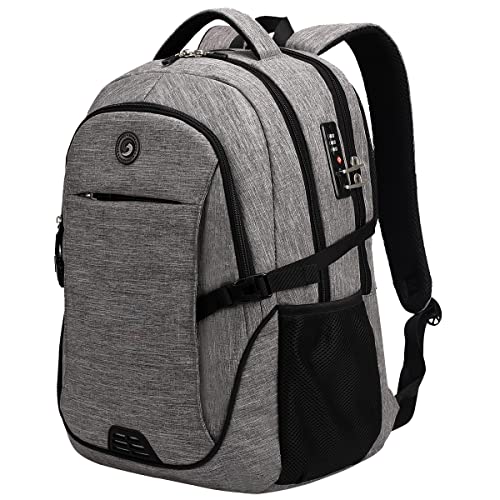
Middle school, high school, and college students typically need backpacks measuring seventeen to nineteen inches in height with twenty to thirty liters of volume. High-capacity bags, like the SHRRADOO Travel Laptop Backpack, offer multiple divided compartments to separate bulky binders from delicate paper assignments. These larger packs easily accommodate multiple two-inch binders alongside oversized spiral notebooks and textbooks. The generous internal dimensions eliminate the need to compress paperwork into cramped storage pockets.
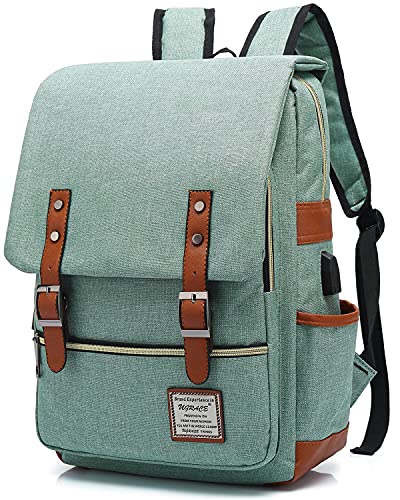
Adult commuters carrying work documents, contracts, or legal portfolios also benefit from seventeen-inch backpacks. Professional models like the UGRACE Vintage Laptop Backpack provide structured, clean silhouettes that look polished in office settings while keeping documents flat. Selecting a pack with dedicated internal organization ensures that professional paperwork stays separated from charging cables and personal items. This separation maintains crisp document edges during crowded train or bus commutes.
Using Dedicated Laptop Compartments for Document Storage
Dedicated tech sleeves designed for laptops provide an exceptional secondary function as rigid document holders. A compartment built to hold a fourteen-inch or fifteen-inch laptop mirrors the flat dimensions of standard pocket folders. Because these sleeves feature dense foam padding on both sides, they shield paper documents from being crushed by loose objects in the main cavity. Placing folders inside a laptop sleeve keeps them pressed flat against the back panel throughout daily transit.
Packs with spacious tech storage, such as designs accommodating sixteen-inch computers, easily swallow standard folders and oversized legal pads. The internal retaining straps found in many tech compartments help secure paperwork in an upright position. This prevents folders from slumping toward the bottom of the bag and curling under their own weight. Utilizing built-in device sleeves is one of the most effective ways to preserve document condition.
Tech sleeves positioned against the back panel also improve overall carrying comfort by stabilizing the pack’s center of gravity. Keeping flat, dense items directly against your spine reduces backward leverage and prevents shoulder strain. Even when you are not carrying a computer, utilizing the padded sleeve for folders provides functional rigidity to unstructured bags. This simple packing habit protects your schoolwork while improving daily ergonomic balance.
Carrying Ergonomics and Balanced Load Distribution
Paper is deceptively heavy when stacked into multiple folders, workbooks, and three-ring binders. A backpack loaded with multiple filled binders can quickly exceed recommended carrying limits for growing children and daily commuters. Carrying dense paper loads away from the spine pulls the shoulders backward and forces the neck into an unnatural forward tilt. Organizing heavy folders against the interior back wall maintains proper spinal alignment and minimizes fatigue.
Harness features such as contoured S-curve shoulder straps and adjustable sternum straps play a crucial role in stabilizing heavy paper loads. Breathable mesh back padding softens direct contact with rigid binder corners while promoting airflow during warm-weather commutes. Unlike specialized outdoor gear like structured frame packs engineered for wilderness expeditions, everyday bookbags rely on smart internal loading to maintain stability. Engaging chest clips and tightening shoulder straps keeps the bag snug against your upper back.
Distributing weight evenly across both shoulders prevents muscle imbalances and chronic neck discomfort. Carrying a heavy folder-laden backpack on a single shoulder concentrates physical stress on one side of the torso. Encouraging students and commuters to utilize both shoulder straps ensures symmetrical weight transfer across the collarbones. Proper strap adjustment keeps the base of the backpack resting comfortably near the natural waistline.
Fabric Selection, Interior Linings, and Weather Protection
The durability of a backpack’s exterior fabric and interior lining directly affects how well it protects enclosed paper goods. Tough synthetic textiles such as Oxford fabric and high-density polyester resist abrasion from sharp plastic folder corners. Flimsy interior linings often fray or tear when repeatedly exposed to the rigid edges of three-ring binders. Selecting bags with smooth, tightly woven polyester linings ensures that folders slide smoothly without snagging delicate seams.
Weather resistance is another essential consideration when transporting vulnerable paper documents in varied transit environments. Water-resistant outer fabrics and coated textiles help shed rain during wet walking commutes, preventing moisture from soaking into homework. While few daily bookbags are completely submersible, quality water-repellent treatments provide critical protection during unexpected downpours. Storing paperwork inside secondary interior pockets adds an extra barrier against damp conditions.
Reinforced base panels prevent moisture and grit from penetrating the bag when it rests on damp schoolroom or transit floors. Bags with dual-layer fabric bottoms or water-resistant coatings keep ground moisture away from low-hanging folder edges. Inspecting interior bottom seams for clean stitching ensures that dirt and crumbs do not accumulate where folders sit. A durable, well-constructed foundation keeps documents clean and dry throughout the academic year.
Practical Packing Strategies to Prevent Bent Folder Corners
Establishing a logical packing order inside the main compartment is the best defense against crushed folders and torn paper. Always insert flat, rigid items such as binders, folders, and notebooks first so they rest flat against the rear panel. Bulky, irregularly shaped items like lunchboxes, pencil cases, and tech pouches should sit in front of the folders. This arrangement prevents hard objects from pressing into the center of flexible paper folders.
Utilizing external pockets for water bottles and drink containers protects internal documents from crushing and accidental leaks. Forcing a rigid water bottle into the main storage cavity creates a bulging pressure point that warps neighboring paper folders. Exterior side pockets keep liquids completely isolated from vital school projects and business documents. Dedicated front organizer compartments also hold pens and small tools, preventing them from poking holes in paper.
Avoid overtightening exterior compression straps when the backpack contains rigid plastic or cardboard folders. Cinching side straps too aggressively compresses the internal cavity and forces the outer edges of folders to curl inward. Compression straps work well for stabilizing soft clothing, but they can distort structured school supplies if pulled excessively tight. Maintaining adequate internal width ensures that folders retain their original rectangular form.
Long-Term Backpack Care and Structural Shape Retention
Maintaining the structural integrity of your backpack helps it protect paper documents year after year. Hand-washing your pack with mild soap and lukewarm water preserves internal fabric coatings and prevents plastic stiffeners from warping. Machine washing with harsh agitation cycles can break down foam back padding and distort zipper tracks, leading to poor folder clearance. Gentle spot-cleaning keeps the exterior looking professional without compromising protective internal architecture.
Always air-dry your backpack thoroughly away from high heat sources to prevent synthetic fabrics from shrinking or losing their shape. Placing a bag in a high-heat clothes dryer can melt waterproof polyurethane linings and deform internal back support sheets. Allowing the pack to hang open in a well-ventilated area ensures that all compartments dry completely. Proper drying preserves the bag’s dimensions and prevents lingering dampness that could warp future paper contents.
Conducting periodic inspections of internal seams, zipper teeth, and strap stitching helps catch minor wear before it causes gear failure. Check the bottom corners of the main compartment to verify that sharp binder edges have not worn through the lining fabric. Clearing debris and dust from zipper coils ensures that sliders operate smoothly without catching on folder tops. Routine maintenance keeps your daily carry reliable, organized, and ready for every academic or professional task.
Ultimately, ensuring your backpack fits standard folders requires choosing a pack with at least fifteen inches of exterior height and a broad rectangular profile. Pairing adequate physical clearance with smart internal organization and padded device sleeves guarantees your papers remain pristine. Focusing on balanced ergonomics and durable, water-resistant fabrics creates a comfortable, dependable daily carry system for students and professionals alike.







Write Your Review
No reviews yet. Be the first to share your experience!