


Unpredictable mountain weather, sudden elevation changes, and extended hours on remote footpaths demand deliberate gear preparation before stepping away from the trailhead. Carrying the proper balance of safety equipment, weather protection, and hydration keeps a routine trek from turning into an exhausting physical ordeal. Knowing %what to pack for hiking% allows you to optimize your pack volume while maintaining balanced weight distribution across your shoulders and hips. Selecting a supportive iron frame trail backpack or an ergonomic daypack provides the structural foundation needed to carry critical trail items comfortably.
Smart trail preparation goes far beyond tossing an extra water bottle and an energy bar into an open compartment. Experienced hikers organize their gear by accessibility, keeping navigation, first aid, and personal sanitation items immediately ready without rummaging through dense base layers. If you plan a scenic lunch break at an alpine summit, pairing your setup with an insulated backpack cooler can keep provisions fresh through hours of warm uphill trekking. Careful packing ensures that every tool in your pack serves a clear purpose, protecting your endurance and safety across varied wilderness environments.
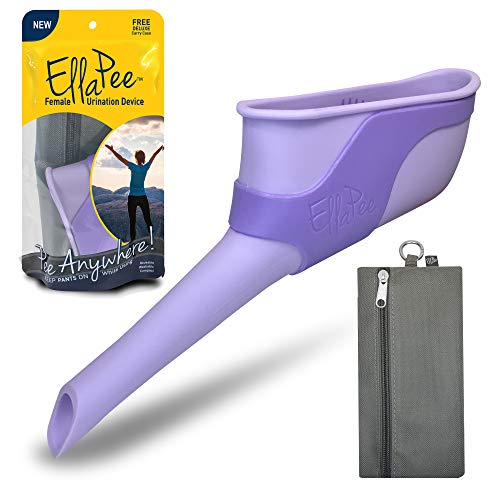
Pros
- Rigid co-molded plastic frame prevents accidental collapsing during use, reducing spill hazards
- Narrow profile and extended spout make it easier to use without fully lowering pants or unclipping a heavy backpack
- Includes a discreet, washable carrying case for sanitary storage in backpack exterior pockets
- Medical-grade silicone cleans quickly with a simple water rinse on the trail
Cons
- The 9-inch rigid length may be too long to fit into smaller backpack hip-belt pockets
- Requires initial practice at home to master proper seal placement before trail use
- Must be rinsed or wiped clean after each use before packing it back into your hiking pack
The Lewis N. Clark EllaPee Female Urination Device is a purpose-built trail hygiene accessory designed for female day hikers, backpackers, mountaineers, and campers. Finding privacy or clean facilities on crowded trails, exposed alpine ridgelines, or primitive backcountry campsites can be challenging. By allowing users to urinate standing up, this device eliminates the need to balance over rough terrain, squat near poison ivy, or fully undress while carrying a heavy internal-frame backpack.
On the trail, the EllaPee addresses common frustrations associated with traditional backcountry bathroom breaks. Because the device features a narrow profile, hikers do not need to drop their pants completely, which is especially helpful when wearing a fully loaded backpack with a buckled hip belt or trekking in freezing alpine wind. The extended spout guides flow cleanly outward and away from footwear and clothing, helping hikers manage bathroom breaks quickly without taking off their gear at the trailside.
Construction quality is a critical factor for any portable funnel, and the EllaPee uses a hybrid material approach. While some all-silicone funnels are prone to folding or crushing when held against the body, this model integrates durable medical-grade silicone with co-molded rigid plastic. This firm structural framework ensures the funnel maintains its seal and open channel during use, giving hikers greater physical control and helping avoid messy spills.
Carrying and maintaining the device on multi-day treks is straightforward thanks to its packable profile and included accessories. Measuring 9 x 2.5 x 1.5 inches, it tucks neatly into a daypack stretch side pocket, the top lid of a backpacking pack, or a deep hip-belt pouch. The moisture-wicking silicone allows quick rinsing with water from a bottle, and the entire unit packs away inside its own washable carrying case to keep the rest of your hiking gear clean and sanitary.
Realistic limitations relate primarily to sizing and the initial learning curve. At 9 inches in length, the rigid co-molded design does not fold down completely, meaning it will not fit into ultra-shallow hip-belt pockets or small running vest compartments. Additionally, mastering the proper seal against the body takes a few practice sessions at home before using it confidently while layered in bulky hiking pants or thermal base layers.
For hikers, backpackers, and outdoor travelers seeking a reliable, sanitary alternative to squatting off-trail, the Lewis N. Clark EllaPee is an affordable and practical gear addition. Its rigid co-molded construction, extended spout, and protective storage case make it a dependable trail hygiene accessory for day trips, extended backpacking routes, and road trip trailhead stops.
The EllaPee stores cleanly in any hiking pack, fitting inside daypack front stashes, hydration pack tool sleeves, or exterior water bottle pockets. Measuring 9 x 2.5 x 1.5 inches, the rigid profile keeps it readily accessible for quick trailside stops without having to rummage through your main pack compartment.
Practicing Leave No Trace principles is simplified by keeping the EllaPee and a small hygiene kit in your pack top lid. Hikers can easily rinse the silicone device with clean water after use, shake off excess moisture, and store it within the included washable travel case until the next stop.
The device combines flexible medical-grade silicone with a co-molded plastic backbone that provides structural rigidity. This combination prevents the sides from pinching closed under hand pressure while remaining smooth and comfortable against the skin.
Routine care requires minimal effort between hiking trips. Both the silicone funnel and its dedicated carrying case can be washed with warm water and mild soap, then air-dried thoroughly before repacking for your next backcountry excursion.
Essential Gear Architecture: How to Structure Your Daypack Load
Organizing a hiking backpack requires a systematic method that balances immediate survival needs against total carried weight. A haphazardly loaded pack shifts unpredictably, strains your trapezius muscles, and forces you to unpack critical gear when sudden weather strikes. By dividing trail supplies into distinct functional categories, you ensure that every item earns its place in your loadout. A disciplined packing routine protects your safety while maximizing comfort over miles of rugged terrain.
The Core Ten Essentials: Safety and Survival Supplies
Every wilderness journey requires a reliable safety foundation known throughout the outdoor community as the ten essentials. These items provide basic survival capabilities if an unexpected detour, injury, or severe storm leaves you stranded after dusk. Navigation begins with a physical topographical map and a magnetic compass stored in a waterproof pouch, supplemented by a charged GPS device or satellite communicator. Relying solely on a smartphone can result in failure if cold weather depletes the battery or damp conditions disrupt touchscreens.
Illumination and fire-starting tools form the next critical layer of emergency preparedness. A reliable LED headlamp with fresh batteries allows hands-free movement if daylight fades faster than anticipated. Compact stormproof matches, a piezo igniter, and tinder pellets provide the means to start an emergency warming fire in damp timber. A compact multi-tool featuring pliers and a sharp locking blade handles field repairs on trekking poles, pack buckles, and split footwear.
Emergency shelter must always sit near the bottom or mid-tier of your daypack, even on short summer day hikes. An ultralight reflective bivvy sack or space blanket traps radiated body heat during forced bivouacs and adds minimal weight to your load. Sun protection items such as polarized sunglasses, a broad-spectrum sunscreen lotion, and a wide-brimmed hat guard against high-altitude ultraviolet radiation. These survival essentials remain packed on every outing regardless of forecast conditions.
Hydration Systems and Water Treatment Planning
Water requirements on the trail depend on elevation gain, ambient temperatures, physical exertion, and trip duration. Most day hikers require roughly one half-liter of clean water per hour of moderate hiking in temperate climates. Carrying a hydration bladder inside a dedicated pack sleeve keeps two to three liters of fluid situated flush against your spine for stable balance. The drinking hose provides continuous sipping access without requiring you to unbuckle your sternum strap or drop your pack.
Relying exclusively on pre-filled water bottles can leave you vulnerable if an excursion extends longer than planned. Backcountry travelers should always carry a secondary filtration method, such as a hollow-fiber squeeze filter, chemical chlorine dioxide tablets, or an ultraviolet purifier. Rigid wide-mouth bottles stored in exterior elastic side pockets offer a durable backup if a reservoir bite valve fails or springs a leak. Having both a primary reservoir and a reliable filtration device guarantees an uninterrupted supply of potable fluid along natural water sources.
Trail Nutrition and Caloric Density
Hiking burns calories at a rapid rate, especially when navigating loose scree, steep switchbacks, or boulder fields. Sustained energy demands a mixture of complex carbohydrates, healthy fats, and easily digestible proteins consumed at regular intervals. Rather than packing heavy, bulky meals that require cooking stoves on simple day hikes, prioritize calorie-dense foods such as trail mix, nut butter packets, and dried fruits. These foods deliver substantial energy without excessive volume or weight penalties inside your main compartment.
Keep a supply of high-glycemic chewable energy snacks or fruit strips in your hip belt pockets for consumption on the move. Eating small portions every sixty to ninety minutes maintains steady blood sugar levels and prevents sudden physical exhaustion on uphill segments. Always pack an additional day worth of emergency food supplies beyond your intended schedule in case of delays. Packaging food in durable, odor-resistant zip pouches also protects contents from moisture and discourages curious camp rodents.
Layering Systems: Weather Protection and Thermal Regulation
Wilderness temperatures can plummet abruptly as weather fronts move across high ridges and alpine passes. The three-layer clothing system remains the gold standard for maintaining body warmth and managing sweat buildup. A synthetic polyester or merino wool base layer pulls moisture away from your skin during vigorous uphill climbs. You should never wear cotton garments on the trail because wet cotton retains water, loses all insulation value, and drastically accelerates hypothermia risks.
An insulating mid-layer, such as a lightweight fleece jacket or a packable synthetic down puff jacket, traps warm air around your core during rest stops. Over this, a waterproof and windproof hardshell jacket built with durable water-repellent coatings shields against cold gusts and heavy rainfall. Stash your rain shell and insulating layer near the top of your pack cavity so you can deploy them in seconds without exposing the rest of your dry gear to the elements. A packable fleece beanie and lightweight windproof gloves complete this personal climate control setup.
Wilderness Sanitation, Hygiene, and Personal Care
Responsible backcountry recreation hinges on following Leave No Trace principles to protect sensitive natural environments. A dedicated hygiene kit should contain biodegradable soap, alcohol-based hand sanitizer, a small trowel for digging catholes, and sealable waste disposal bags. Standard bathroom facilities are nonexistent on remote footpaths, requiring hikers to prepare for biological needs without contaminating local watersheds or trailsides. Packing pre-moistened wipes and a dedicated pack-out bag ensures that all used paper products leave the wilderness with you.
For female hikers and outdoor recreationists, managing backcountry bathroom stops often presents practical privacy and convenience challenges. The Lewis N. Clark EllaPee Female Urination Device provides an ergonomic, reusable option that eliminates the need to squat or crouch in tick-infested brush. Built from medical-grade silicone paired with co-molded plastic, this portable funnel maintains structural integrity during use so it does not collapse under hand pressure. Its extended spout directs urine away from footwear and apparel, while the narrow profile requires minimal garment adjustment for enhanced privacy behind trailside boulders.
The moisture-wicking properties of the silicone material prevent messes and make field cleaning straightforward with a quick rinse. When not in use, the EllaPee stores cleanly in its dedicated carrying case, sliding effortlessly into an exterior pack pocket or glove compartment. Having a dedicated personal urinal reduces trailside exposure, protects knee joints from deep squats on uneven terrain, and simplifies bathroom breaks along exposed alpine ridges. Keeping this tool inside an accessible exterior stash compartment ensures swift, sanitary stops without unbuckling your primary pack harness.
First Aid Protocols and Wilderness Medical Preparation
A well-curated backcountry medical kit treats common trail injuries before they escalate into debilitating emergencies. Blisters represent the single most common ailment on long hikes, often caused by friction, damp socks, and poor footbed support. Pack precut strips of adhesive moleskin, hydrocolloid blister bandages, and medical tape in an easily identifiable red nylon pouch. Addressing localized hot spots on your heels at the first sign of friction prevents painful skin tears that ruin a trek.
Beyond foot care, a basic trail medical kit should include trauma shears, elastic compression wraps for rolled ankles, sterile gauze pads, and antiseptic wipes. Stock personal medications, including antihistamines for unexpected insect stings, anti-inflammatory pain relievers, and electrolyte replenishment tablets. Add a pair of fine-point tweezers for removing ticks and embedded wooden splinters safely. Check your medical supplies before every season to replace expired medications and replenish adhesive bandages used during previous outings.
Pack Geometry: Weight Distribution and Center of Gravity
How you arrange supplies inside your pack directly affects your balance, spinal alignment, and joint fatigue over rocky terrain. Loading dense, heavy items near your lumbar zone or between your shoulder blades keeps the center of gravity tight against your spine. If you place heavy gear far away from your back or high near the top lid, the pack will pull backward, forcing you to lean forward and strain your lower lumbar muscles. Conversely, placing heavy items at the very bottom can cause the load to sag and bounce against your hips.
A logical loading strategy places light, bulky items like your emergency bivvy or spare mid-layers in the bottom third of the pack. Position heavy items, such as your full water reservoir, dense food rations, and medical kits, directly in the center against your back panel. Lighter gear, including your rain shell and map case, fills the upper cavity and outer perimeter of the bag. If you are using a budget trail daypack, cinching down the lateral compression straps pulls this entire load inward to stop internal gear shifting on steep descents.
Harness Tuning: Adjustments to Prevent Trail Fatigue
Even a masterfully packed daypack will cause muscular discomfort if the suspension harness is not adjusted correctly to your torso. Begin the fitting process by loosening all webbing straps before placing the loaded pack over your shoulders. Fasten the padded hip belt directly over the top of your iliac crest, tightening the buckle until roughly seventy percent of the total pack weight rests on your hips. Securing the pelvic foundation relieves direct downward pressure from your collarbones and upper trapezius muscles.
Next, pull the primary shoulder strap webbing downward and backward until the contoured foam cups gently over your shoulders without pulling the hip belt upward. Connect the sternum strap across your mid-chest, adjusting its vertical position so it pulls the shoulder straps slightly inward without restricting lung expansion. If your pack features upper load-lifter straps, cinch them forward to roughly a forty-five-degree angle to draw the top of the pack closer to your neck. Periodic micro-adjustments during steep ascents help shift pressure points and maintain muscular endurance.
Quick-Access Exterior Pocket Layout and Organization
Exterior storage pockets allow you to retrieve critical items without breaking your stride or opening the main pack cavity. Padded hip belt pockets serve as prime storage for lip balm, sunscreen sticks, emergency whistles, and quick-acting caloric snacks. Exterior stretch mesh front pockets provide an ideal damp storage area for saturated rain jackets, muddy gaiters, or pack covers. Isolating damp apparel on the exterior prevents ambient moisture from soaking into dry insulating layers stored inside the main compartment.
Deep side pockets constructed from durable stretch woven fabrics or ripstop nylon secure auxiliary water bottles and trekking pole tips. Verify that side pockets feature enough elastic tension to prevent tall bottles from tumbling out when you bend over to inspect a trail marker. Use external tool loops or daisy chains to secure collapsible trekking poles when traversing scrambling sections that require three points of physical contact. A disciplined pocket organization scheme ensures that every essential tool remains instantly accessible throughout the journey.
Seasonal and Environmental Gear Adjustments
Packing requirements fluctuate significantly based on seasonal conditions, regional terrain, and forecasted altitude changes. High-altitude summer treks require increased hydration capacity, insect head nets for swampy lowlands, and broad-spectrum sunblock to protect against intense alpine glare. In contrast, shoulder-season autumn and spring hikes demand thermal gloves, water-resistant knee gaiters, and microspikes to navigate lingering hard-packed snowpack or icy scree trails. Ignoring shifting seasonal factors can leave you dangerously unprepared for sudden microclimates.
Always consult recent trail condition reports from local ranger stations or trusted hiking communities before packing your gear. Heavy rain forecasts necessitate an external waterproof pack cover or an internal heavy-duty silicone dry bag liner to protect sensitive electronics and warmth layers. If you hike in areas inhabited by large wildlife, bear-resistant spray should hang from an unobstructed shoulder strap holster rather than buried inside a zippered pocket. Adapting your core loadout to specific regional demands ensures complete self-reliance in remote backcountry terrain.
Mastering your gear selection and packing sequence turns your daypack into an organized, supportive outdoor tool rather than a burdensome dead weight. Evaluating every item against real survival needs, balancing dense equipment along your spine, and carrying dedicated personal hygiene gear keeps you safe and comfortable across every mile. Taking time to fine-tune your harness and inspect your gear checklist before heading out ensures confident, memorable trail adventures.







Write Your Review
No reviews yet. Be the first to share your experience!