


Summer backcountry travel demands careful regulation of body heat, moisture buildup, and solar exposure over long trail miles. Choosing what to wear backpacking in summer directly impacts stamina, skin protection, and daily trail enjoyment when temperatures climb. Hikers often battle heat exhaustion, painful chafing, and saturated fabrics if they venture out in standard cotton or heavy winter garments. Pairing functional synthetic or merino apparel with breathable lightweight hiking pants allows steady airflow while shielding legs from brush and biting insects.
Carrying a multi-day load also creates concentrated heat points across your shoulders and spine, intensifying the need for quick-drying textiles. Ventilated packs help move stagnant air across your back, while specialized footwear prevents blisters during hot ascents and creek crossings. Exploring properly fitted options, such as an iron frame hiking backpack, ensures heavy loads remain stabilized away from sensitive pressure zones on sweaty trail days. By balancing sun-protective outer layers with fast-draining shoes and moisture-wicking base layers, you keep your body regulated across fluctuating mountain conditions.





Comprehensive Guide to Summer Backpacking Clothing and Footwear
Venturing into the backcountry during midsummer presents a dual challenge of intense daytime heat and sudden high-altitude temperature drops. Selecting the proper trail wardrobe requires balancing ventilation, sun defense, and moisture evaporation without overloading your pack tare weight. Every garment must actively work to keep your skin dry and shielded from harsh ultraviolet rays over sustained mileage. Building a cohesive layering system ensures that you remain comfortable whether pushing through hot river valleys or resting at breezy alpine passes.
Moisture Management and Next-to-Skin Base Layers
Synthetic polyester and lightweight merino wool serve as the foundation of any warm-weather trail kit. Cotton fabrics hold onto moisture, leading to heavy, clinging shirts that chill your core once the wind picks up. Thin polyester weaves pull sweat away from your skin through capillary action, spreading moisture across a wide surface area for rapid evaporation. Merino wool provides natural odor resistance during multi-day treks, making it an excellent option if you prioritize freshness over maximum drying speed.
Long-sleeve sun hoodies have rapidly become standard apparel for modern summer backpackers traversing exposed ridgelines. These garments use airy knit synthetics with integrated hoods that drape loosely over the neck and ears. Wearing full-coverage sun tops eliminates the need to constantly reapply greasy sunscreen under a heavy load. Look for loose silhouettes with thumb loops that keep sleeves anchored over the backs of your hands while you use trekking poles.
Breathability ratings and fabric weave density dictate how well a shirt performs when humidity spikes. Open-mesh side panels offer targeted cooling in areas that generate maximum heat under pack harness straps. Flatlock seams prevent painful chafing where shoulder padding presses directly against your collarbones. Choosing light colors such as sage, light gray, or beige deflects solar radiation far better than dark fabrics that absorb excess heat.
Lower Body Options: Lightweight Pants versus Trail Shorts
Deciding between hiking pants and running shorts often comes down to trail conditions and personal exposure tolerance. Trail running shorts deliver unmatched airflow and freedom of movement on well-maintained paths in hot weather. But dense brush, stinging nettles, and aggressive insects can turn bare legs into a liability on overgrown routes. Lightweight nylon trousers provide durable mechanical protection against trail hazards while shading your legs from intense alpine sunlight.
Modern hiking trousers often feature articulated knees, gusseted crotches, and mechanical stretch fabrics that prevent binding during steep climbs. Backpackers navigating rocky ascents may also benefit from reviewing supportive knee hiking pants to maintain joint stability under heavy pack weight. Integrated thigh vents with mesh backings allow you to dump excess heat quickly when ascending sunny south-facing switchbacks. Quick-drying nylon blends ensure that damp pant legs dry out rapidly after morning dew or stream splashing.
Convertible pants with zip-off lower legs offer versatility for trips with drastic temperature swings between morning and midday. Some hikers dislike bulky thigh zippers, so lightweight roll-up designs with button tabs provide a cleaner alternative. Ensure the waistband sits comfortably flat beneath your pack hip belt without thick seams digging into your iliac crest. Stash pockets with low-profile zip closures keep small navigation essentials accessible without creating pressure points under your harness.
Footwear Systems and Creek Crossing Strategies
Footwear choice directly influences hiking endurance, joint fatigue, and moisture balance across rugged backcountry miles. Traditional waterproof leather boots often trap perspiration inside the footbed during hot summer days, leading to skin softening and severe blisters. Highly breathable mesh trail runners allow moisture to escape freely and dry rapidly when soaked by rain or river crossings. Pairing ventilated trail shoes with thin synthetic or wool socks keeps your feet cooler and significantly reduces heat friction.
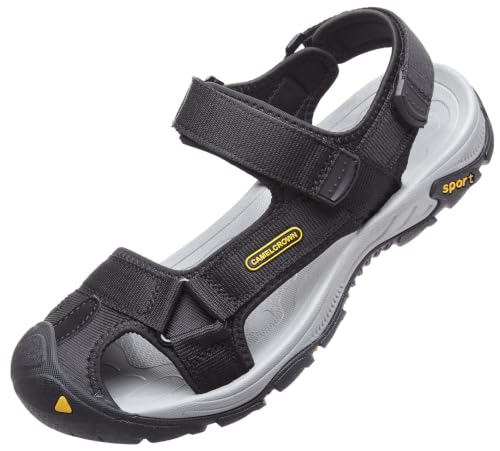
Wading through deep mountain creeks requires a smart footwear plan to avoid hiking in waterlogged trail shoes all day. Dedicated water sandals, such as the CAMEL CROWN Men’s Water Sandals Waterproof Arch model, offer open drainage and solid arch support for rocky stream beds. For extra protection against submerged boulders, closed-toe designs like the CAMEL CROWN Men’s Waterproof Hiking Sandals Closed option shield your toes from hidden impacts. These sandals strap securely to your backpack exterior and double as comfortable camp shoes after a long hiking day.
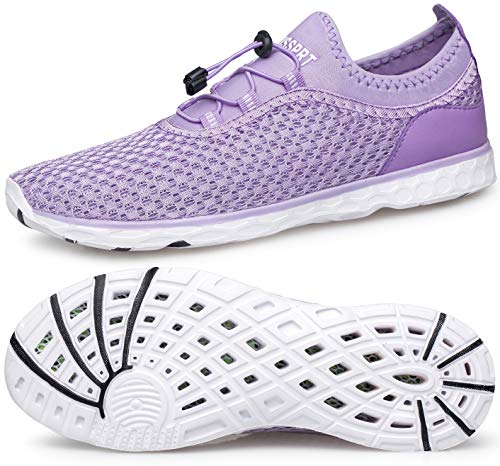
Minimalist barefoot aqua shoes provide an ultralight alternative for backpackers watching every ounce in their packs. Options like the Stelle Water Shoes for Women Barefoot Aqua Shoes pack nearly flat against your gear while providing rubber sole traction on slippery river stones. Similarly, MAYZERO Water Shoes Men Women Quick Drying Swim models feature flexible outsoles and wide toe boxes that let your feet relax at camp. DOUSSPRT Women’s Water Shoes Quick Dry for Beach designs offer fast-draining mesh uppers that dry out quickly when lashed to your pack daisy chains.
Hikers navigating technical wet terrain or slick canyon riverbeds may prefer sturdier hybrid water hiking footwear. The RAX Men’s Quick Drying Slip-Resistent Aqua Water Hiking Shoes combine lugged outsoles with rapid drainage channels to maintain grip on wet granite. Having reliable traction beneath your feet prevents dangerous slips when ford currents push against your legs. Swapping into dry socks and lightweight camp shoes once you reach your campsite allows tired feet to recover without lingering moisture.
Sock Selection and Blister Prevention
Socks play an equally critical role in friction reduction and sweat transfer inside your trail shoes. High-density merino wool blends with nylon reinforcement provide cushioning while pulling dampness away from hot skin surfaces. Ultra-thin synthetic toe socks can also prevent friction blisters by eliminating skin-on-skin rubbing between damp toes. Avoid heavily padded thick socks in summer, as excessive bulk increases heat buildup and traps moisture within the shoe interior.
Carrying three dedicated pairs of socks provides the ideal balance between low pack weight and foot hygiene. Wear one pair while hiking, keep a clean dry pair strictly for sleeping, and lash the washed pair to your pack to dry. Taking a midday break to remove shoes and air out your socks resets skin moisture levels and refreshes your feet. If you notice a hot spot developing, address it immediately with tape or blister patches before the top layers of skin shear.
Packing Essential Layers for High Altitude and Cool Nights
Summer mountain environments often experience drastic temperature plummets as soon as the sun dips behind the ridge. Even when valley floors reach sweltering highs, alpine camp elevations can drop close to freezing overnight. An ultralight fleece pullover or micro-grid fleece provides breathable active insulation during crisp morning departures. Grid fleece traps pockets of warm air against your torso while permitting vapor to escape when your heart rate rises.
A packable, ultralight down or synthetic puffy jacket should always live inside your backpack for static camp warmth. Down insulation delivers a high warmth-to-weight ratio, compressing down to the size of a water bottle in your dry bag. Synthetic fill handles camp humidity and damp evening breezes better, maintaining its insulating loft even if exposed to condensation. Putting on your warm puffy layer before you begin shivering locks in accumulated body heat as camp chores begin.
Sudden summer thunderstorms are common across mountainous wilderness areas, making an ultralight waterproof rain jacket mandatory. Breathable membranes with pit zips allow mechanical venting when you must hike hard uphill through humid rain squalls. A versatile windshirt made from tightly woven ripstop nylon can also block chilly gusts on exposed summits without causing heat buildup. Never skip packing a dependable waterproof outer shell simply because the summer trail forecast looks clear at the trailhead.
Headwear and Solar Radiation Defense
Intense solar radiation at high elevation accelerates dehydration and causes severe sunburn if your head remains unprotected. A wide-brim sun hat protects your face, ears, and neck with full coverage during long trail marches. Alternatively, a lightweight running cap paired with a detachable sun cape offers targeted defense while fitting comfortably under a rain shell hood. Ventilated mesh crowns on technical caps promote airflow across your scalp, keeping your head significantly cooler on hot ascents.
Quality polarized sunglasses with full ultraviolet protection prevent ocular fatigue caused by bright granite reflections and glaring water. A seamless tubular neck gaiter serves multiple purposes as a sweatband, dust mask, or ear warmer during chilly dawn starts. Dipping your neck gaiter or bandana into cold creek water provides instant evaporative cooling around your carotid arteries. These lightweight accessories take up virtually zero pack space while providing substantial relief during scorching afternoon trekking.
Backpack Harness Interaction and Sweat Management
The interface between your backpack harness and summer clothing determines how comfortably your body moves along the trail. Backpack straps press damp shirt fabric directly against your shoulders, which can create painful friction points if seams are bulky. High-density EVA foam straps with perforated mesh help disperse localized pressure while promoting minimal airflow across your chest. Adjusting your sternum strap keeps shoulder straps seated away from sensitive neck muscles, preventing uncomfortable chafing during humid climbs.
Back panel ventilation plays a massive role in regulating body temperature under a fully loaded multiday pack. Suspended trampoline mesh panels hold the pack body away from your spine, allowing ambient breezes to evaporate perspiration continuously. Hikers seeking capable trail gear without excessive cost can research budget hiking backpack designs that incorporate breathable harness padding and lumbar support. Proper load distribution ensures that dense gear rests close to your center of gravity, preventing the pack from pulling backward and rubbing your lower back raw.
Undergarments and Chafing Mitigation in High Humidity
Chafing is one of the most debilitating issues backpackers face when heat and humidity combine over long distances. High-friction areas like the inner thighs, groin, and underarms require seamless, moisture-wicking synthetic undergarments to prevent skin breakdown. Boxer briefs with extended leg lengths prevent your thighs from rubbing together as you power up steep trail inclines. Avoid any underwear containing cotton or thick decorative waistbands that trap sweat and bunch up under your hip belt.
Applying an anti-chafe barrier balm before leaving camp creates a slick protective film that repels sweat-induced friction. Reapply balm at midday if you sweat heavily or complete a wet stream crossing that washes away the barrier. Carrying a small tin of medicated zinc powder or soothing salve can rescue irritated skin overnight if rubbing occurs. Keeping high-friction zones clean and dry in your sleeping bag allows irritated dermal tissue to recover before the next morning hike.
Trail Maintenance and Washing Technical Outdoor Fabrics
Salty mineral deposits from dried sweat accumulate in synthetic fibers, stiffening the fabric and reducing its moisture-wicking efficiency. Rinsing your trail shirt and socks in camp water away from natural streams restores softness and breathability between hard days. Always follow Leave No Trace principles by carrying wash water at least two hundred feet from lakes and creeks before cleaning clothes. Wring garments out thoroughly in an absorbent pack towel and hang them from your tent guylines to dry in the evening breeze.
When you return home, wash technical apparel with gentle sports detergents that do not leave residue in porous synthetic weaves. Avoid standard fabric softeners and high-heat dryer cycles, as heat can break down elastic fibers and melt delicate laminates. Hanging technical garments to air dry preserves their sun-protective ratings, odor-resistant treatments, and elastic memory for future adventures. Proper textile care ensures that your favorite summer backpacking apparel remains dependable and comfortable season after season.
Assembling a practical warm-weather clothing system comes down to prioritizing lightweight breathability, fast drying times, and reliable sun protection. Relying on quick-draining footwear, adaptable layering pieces, and smooth harness-friendly base layers prevents common trail discomforts like heat rash and blisters. Testing your complete clothing setup on short weekend day hikes will help you dial in personal comfort before undertaking long wilderness journeys. With the right apparel supporting every mile, you can focus fully on enjoying pristine backcountry landscapes all summer long.







Write Your Review
No reviews yet. Be the first to share your experience!