


Navigating transit stations, crowded school hallways, and airport security lines quickly reveals whether a pack was built to last or simply assembled to look appealing on a digital storefront. Daily commuters and students frequently deal with failed zipper teeth, frayed harness seams, and thin polyester panels that offer minimal resistance against sudden rain showers. Understanding where to buy good backpacks requires looking past promotional product photos and evaluating how different retail platforms handle brand authenticity, return policies, and hardware transparency. Reliable carrying gear protects sensitive mobile electronics with padded suspension sleeves while distributing textbook and tech weight evenly across your upper back.
Online storefronts and authorized sporting goods retailers present thousands of options, making it tricky to separate genuine daily workhorses from low-grade novelty bags. Checking customer return guarantees, manufacturer warranty terms, and third-party seller ratings helps you secure reliable options like the HIGH FIT Expandable Travel pack or practical models from LOVEVOOK without unexpected shipping delays. Shoppers comparing daily commuter packs against affordable outdoor backpack options can narrow down selections by matching specific liter capacities with their genuine carrying requirements. Evaluating fabric density, strap padding, and water bottle pocket construction before checkout ensures your final choice handles the daily grind reliably.


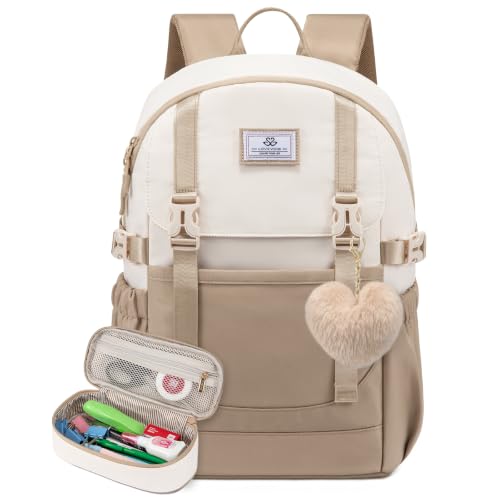


Navigating Retail Channels and Evaluating Quality When Shopping for Backpacks
Finding a dependable bag requires identifying retailers that provide clear product specifications, honest customer reviews, and reliable return policies. Whether you need an office laptop carrier, an elementary bookbag, or an expandable weekender, different retail channels offer distinct advantages regarding price, warranty coverage, and shipping speed. Focusing on verified construction details rather than glossy marketing photography helps you separate durable everyday carry gear from flimsy alternatives. Understanding the strengths and limitations of each shopping platform ensures you invest in a pack that handles your daily routine without premature zipper blowouts or fabric failure.
Direct Manufacturer Websites Versus Major E-Commerce Marketplaces
Purchasing directly through an official brand website provides the most direct line to authentic customer service and comprehensive warranty backing. Many specialized manufacturers maintain exclusive color patterns, bundled accessories, and direct replacement guarantees that third-party resellers do not offer. Direct brand channels also make it straightforward to verify factory specifications, fabric coatings, and certified compartment dimensions. You also gain access to dedicated support teams who understand how specific models are engineered when replacement hardware or strap clips are needed.
Large online marketplaces like Amazon offer unrivaled inventory variety, rapid shipping windows, and competitive pricing across numerous brand categories. Platforms of this scale make it simple to compare customer feedback, view user-uploaded photos, and evaluate competing designs from brands like LOVEVOOK and BLUEFAIRY side by side. Fast return processing through established retail drop-off hubs also removes the friction of returning an item if the pack does not sit comfortably against your spine. However, shopping on high-volume marketplaces requires careful attention to the specific seller entity handling the transaction.
Third-party storefront listings can occasionally host unauthorized resellers or poorly constructed imitation products that cut corners on zipper teeth and strap stitching. Always verify whether a listing states that it is fulfilled directly by the platform or sold by the verified brand storefront before finalizing an order. Checking the seller profile history and reading recent feedback helps confirm that you are purchasing genuine inventory rather than factory seconds. Taking these brief verification steps prevents the headache of receiving a bag with thin fabric or missing compartments.
Vetting Product Specifications on Digital Storefronts
Interpreting fabric specifications correctly is essential when shopping online because product photographs often conceal lightweight or fragile textiles. Look for clear descriptions specifying water-resistant polyester blends, high-density nylon weaves, or structured corduroy materials that resist pilling and daily abrasion. Vague product listings that merely claim heavy-duty durability without naming the textile composition or water-repellent treatment should prompt caution. Reliable manufacturers clearly state whether their fabrics feature light spill resistance or coated protective backings designed to shield textbooks and electronics from sudden rain showers.
Hardware quality is another critical area where digital descriptions reveal build standards. Inspect catalog photos for reinforced bar-tack stitching at high-stress junctions, including the top grab handle and the upper shoulder strap anchors. Double zipper pulls on primary compartments allow for smoother opening under packed loads and reduce the risk of a derailed zipper slider. Bags incorporating smooth-gliding nylon coil zippers or reverse-coil tracks provide better debris resistance than lightweight plastic teeth that easily separate under lateral pressure.
Laptop compartment engineering demands special scrutiny when evaluating online options for school or corporate commuting. A quality tech sleeve should feature thick cushioning along both faces and incorporate a suspended bottom that keeps the device elevated above the base of the bag. Models such as the HIGH FIT Expandable Travel pack highlight dedicated EVA foam padding to protect computers up to 15.6 inches from harsh floor contact. Device compartments that sit completely flush against an unpadded pack bottom transfer impact energy directly to your laptop corners whenever the bag is set down.
Comparing Volume Needs Across Everyday Carry, Campus, and Travel Tiers
Compact everyday carry backpacks typically range between 14 and 20 liters, providing an agile footprint for transit riders and minimalists. The OMOUBOI Travel Laptop pack exemplifies this tier with an unladen tare weight of roughly 0.65 pounds while housing up to a 14-inch laptop. These streamlined silhouettes tuck effortlessly under commuter train seats and prevent overpacking on quick trips to local coffee shops or client offices. However, their restrained main cavity depth leaves little room for bulky jackets, gym shoes, or thick multi-subject academic binders.
Campus and office daypacks generally occupy the 24 to 33-liter volume bracket, balancing broad gear storage with specialized internal organization. The LOVEVOOK School Backpack collection demonstrates this capability with multi-compartment dividers, dedicated pencil cases, and oversized side pockets engineered to hold 40-ounce water bottles. Packs in this category easily accommodate 15.6-inch or 17.3-inch tech sleeves alongside notebooks, lunch containers, and daily electronics accessories. This mid-range capacity remains the most versatile choice for high school students, college undergraduates, and mobile professionals juggling varied daily routines.
Travel-focused backpacks expand beyond 30 liters to accommodate weekend clothing, extra footwear, and personal travel essentials. Expandable designs like the HIGH FIT business pack transform from a streamlined 20-liter commuter bag into a generous 30-liter carry-on when you unfasten the perimeter expansion zipper. These packs also incorporate built-in luggage trolley pass-through straps that slide over rolling suitcase handles during long terminal walks. Checking external dimensions against standard airline personal item requirements ensures your pack fits under regional aircraft seating without requiring gate checks.
Specialty Outdoor Retailers and Brick-and-Mortar Outlets
Brick-and-mortar retailers provide the distinct advantage of allowing you to test harness ergonomics and inspect materials firsthand before making a purchase. Trying on a backpack in an outdoor store lets you feel how contoured shoulder straps sit across your clavicles and whether the back panel provides adequate lumbar support. Physical shopping also allows you to test zipper pull resistance, evaluate pocket depths with your personal phone or water bottle, and check seam quality directly. For shoppers with sensitive shoulders or shorter torso lengths, this tactile evaluation helps avoid costly return shipping cycles.
Specialty outdoor retailers excel in technical suspension systems designed to transfer heavy gear weight directly to the hips and lower body. While daily commuter packs focus on streamlined profiles and laptop sleeves, hikers carrying substantial trail gear frequently benefit from structured frame backpacks that incorporate rigid internal stays for spinal stabilization. Understanding the mechanical differences between urban daypacks and technical frame packs helps you select the right tool for your specific environment. Tactical daisy chains and external lash loops that look natural on a forest trail may appear excessively cluttered in a corporate boardroom.
In-store clearance events and seasonal gear sales offer excellent opportunities to secure reputable brand names at substantial savings. Sporting goods stores frequently discount previous-season colorways during late summer and early spring to clear shelf space for incoming product lines. Asking floor staff about open-box inventory or discontinued model runs can uncover high-end hardware and weatherproofing at approachable entry-level price points. Combining in-person fit verification with seasonal promotions often yields the best value on long-lasting gear.
Bulk Purchasing and Multi-Pack Sourcing Considerations
Sourcing backpacks in bulk is often necessary for community donation drives, charity events, classroom supply initiatives, and school club giveaways. Multi-pack bundles like the Kajaia 12-pack corduroy sets offer diverse printed patterns ranging from floral themes to geometric motifs for group distribution. Sourcing bundled kits directly from verified suppliers significantly reduces per-unit costs while simplifying logistics for non-profit coordinators and educators. However, purchasing in volume requires double-checking material specifications to ensure that reduced unit costs do not sacrifice basic structural durability.
When evaluating multi-packs online, inspect product specifications for reinforced strap anchors and secure slider buckles. Even lightweight novelty packs must withstand the weight of spiral notebooks, library books, and pencil boxes without seam separation at the upper yoke. Soft yet durable corduroy or tightly woven polyester fabrics provide reliable resistance against everyday handling while remaining simple to hand-wash and air-dry. Selecting packs with adjustable shoulder straps ensures the bags adapt comfortably across different age groups and torso sizes.
Carefully review seller return guidelines and customer fulfillment ratings when placing large multi-unit orders. Bulk shipments that arrive with damaged packaging or missing components can disrupt event deadlines and charitable distribution schedules. Confirming that the supplier provides responsive customer support and rapid replacements for damaged parcels protects your organization from unexpected budget losses. High-volume purchases succeed best when cost savings are balanced with verified fabric resilience and reliable fulfillment timelines.
Harness Comfort and Ergonomic Features to Check Before Buying
Shoulder strap design and padding density directly determine how comfortably a backpack carries dense academic or professional loads. Thin, unpadded webbing straps quickly dig into collarbones and create neck muscle strain during extended walking commutes. Upgraded designs from LOVEVOOK feature thickened, contoured shoulder straps with breathable mesh back panels that encourage airflow between the bag and your shirt. These ventilated air channels help dissipate body heat and prevent uncomfortable moisture accumulation during warm summer campus walks.
Adjustable sternum straps and chest buckles play a vital role in stabilizing heavy packs and preventing shoulder straps from slipping outward. Fastening a sternum strap across the mid-chest pulls the pack inward, aligning the center of mass closer to your natural spine line. This simple harness feature prevents the bag from swaying side to side while walking, noticeably reducing lower back fatigue. Packs designed with reflective safety strips on the shoulder harness provide added visibility for students walking to bus stops during dark morning hours.
Evaluating specialized carrying requirements also extends to outdoor daypacks and recreation gear where hydration and temperature management are paramount. For weekend outings and picnic hikes, exploring insulated backpack coolers offers a practical way to haul chilled refreshments alongside standard trail essentials without soaking your gear. Dedicated thermal compartments use waterproof interior liners to keep moisture isolated from your dry items. Selecting the right pack configuration ensures that your carry system supports your specific activity without unnecessary bulk or water leakage.
Return Policies, Customer Service, and Warranty Protection
A retailer return policy serves as your primary safety net when ordering a backpack without physical testing. Look for storefronts offering at least a thirty-day no-questions-asked return window to allow ample time for inspecting the bag at home. Testing your laptop, water bottle, and primary notebooks inside the compartments immediately upon delivery reveals whether the pocket layout suits your routine. If the pack pulls uncomfortably on your neck or fails to accommodate your daily gear, a straightforward return policy prevents buyer remorse.
Manufacturer warranties reflect brand confidence in hardware durability and seam construction over extended use. Many reputable brands back their products with one-year limited warranties or dedicated customer service channels that address broken zipper sliders and buckle failures. Checking customer feedback regarding how quickly a brand responds to warranty claims helps separate reliable manufacturers from companies that ignore post-purchase inquiries. A responsive customer service team ensures you receive prompt assistance if a manufacturing defect surfaces after several months of daily commuting.
Performing a thorough physical inspection immediately after unboxing protects you from missing factory flaws. Check every exterior and interior zipper track by opening and closing each pocket several times to confirm smooth motion without fabric snags. Tug gently on shoulder strap connection points and top grab handles to verify that bar-tack stitching is secure and free of loose threads. Verifying these construction details right away allows you to arrange a prompt exchange if any manufacturing flaw is detected.
Choosing the right destination to purchase a dependable backpack ultimately comes down to balancing verified hardware quality against convenient retail policies. Prioritize online marketplaces and authorized storefronts that transparently disclose textile compositions, internal compartment measurements, and generous return windows. By inspecting zipper durability, harness padding, and laptop suspension features before finalizing your order, you can confidently invest in a bag that supports your daily commute for seasons to come.







Write Your Review
No reviews yet. Be the first to share your experience!