


A daily commute can quickly expose the hidden flaws in cheap bags, from unraveling shoulder seams to compromised zipper coils during an unexpected rain shower. Determining where to buy quality backpacks requires looking beyond flashy storefront marketing to inspect physical construction details such as high-density polyester, reinforced bar-tack stitching, and padded tech sleeves. Shoppers navigating authorized retail outlets and reputable online marketplaces benefit from verifying structural features before placing an order. Investing in a properly designed bag protects valuable electronics from sudden ground impacts while keeping everyday work and school essentials neatly sorted.
Reliable sellers provide clear technical specifications, comprehensive warranty policies, and transparent customer feedback to help buyers distinguish durable gear from flimsy alternatives. Whether you are shopping for heavy campus textbook hauling, daily office transit, or affordable hiking packs for weekend outings, identifying verified distribution platforms ensures you receive authentic merchandise. Proper research also helps you evaluate crucial comfort elements like contoured shoulder padding, sternum buckles, and breathable mesh back channels. Taking the time to locate reputable vendors guarantees dependable customer support and straightforward return policies if a pack does not match your torso size or storage requirements.




Essential Sourcing and Inspection Guide for Backpack Buyers
Finding a reliable vendor is only the first step in acquiring a pack that withstands daily commuting, academic demands, or frequent travel. Knowing where to buy quality backpacks requires a clear understanding of retail vetting, textile specifications, and manufacturer accountability. Shoppers who learn to cross-reference product descriptions with actual construction details avoid the disappointment of frayed webbing, failing zippers, and sagging strap padding. A methodical approach ensures that every dollar invested translates into lasting utility and physical carrying comfort.
Authorized Brand Storefronts Versus Open Marketplaces
Purchasing directly through official brand storefronts offers the most dependable path to authentic products and full warranty protection. Established manufacturers maintain stringent quality control standards and honor replacement policies when structural defects arise in seams or hardware. Direct channels also give buyers access to detailed dimensional measurements, fabric weights, and accurate compartment layouts that third-party resellers often omit. However, direct purchases sometimes come with slower standard shipping speeds compared to centralized logistics networks.
Large digital marketplaces provide unmatched convenience, extensive customer feedback, and expedited fulfillment options for hurried shoppers. When browsing broad retail platforms, always confirm whether the item is sold directly by the brand or fulfilled by an authorized merchant partner. Third-party storefronts occasionally feature unauthorized stock or outdated product revisions that lack original manufacturer warranties. Checking seller ratings, return windows, and customer review photos helps verify that the delivered item matches the official catalog listing.
Identifying Durable Fabrics and Weather-Resistant Coatings
Fabric selection determines how well a pack resists surface abrasion, punctures, and prolonged outdoor wear. High-density polyester and heavy nylon weaves represent the primary textiles used across dependable everyday and travel bags. Polyester provides natural resistance to shrinking and wrinkling while shrugging off daily friction against car seats, desks, and transit floors. High-grade synthetic textiles often receive surface coatings designed to shed light rainfall and prevent unexpected moisture ingress during walking commutes.
Specialty materials such as textured corduroy offer visual appeal and tactile softness, making them popular for casual outings, school gear, and creative gifts. While corduroy and lightweight cotton blends provide a unique aesthetic, they lack the structural rigidity and water repellency of coated polyester. Buyers should match the material to their primary operating environment, prioritizing water-resistant synthetics for daily electronic carry and choosing softer textiles for lightweight casual use. Always inspect whether the manufacturer specifies a water-resistant finish or recommends an external rain cover for stormy conditions.
Inspecting Hardware Integrity, Zippers, and Structural Seams
Hardware components represent the most frequent failure points on poorly assembled carrying gear. High-stress points such as upper shoulder strap anchors, grab handles, and base corners require reinforced bar-tack stitching to prevent catastrophic fabric tearing under heavy textbook or laptop loads. A visual inspection of seam margins reveals whether the manufacturer used tight, even thread tension or loose single-stitched threads prone to unraveling. Double-stitched perimeter seams provide an essential buffer against structural blowouts during crowded commutes.
Zipper quality dictates daily usability and gear security, especially when main compartments are packed to full volume. Robust spiral coil zippers glide smoothly around sharp corners without catching on interior lining fabric or separating under lateral tension. Reverse-coil configurations and protective fabric storm flaps shield zipper teeth from abrasive dust, grit, and moisture intrusion. Acetal resin buckles and reinforced metal pull tabs further ensure that closure mechanisms continue working smoothly through thousands of opening cycles.
Ergonomic Harness Geometry and All-Day Carrying Comfort
Carrying a heavy load across campus or through expansive airport terminals places substantial stress on the neck, shoulders, and spine. Ergonomically contoured shoulder straps curve naturally around the torso, distributing downward gravitational force evenly across the trapezius muscles rather than digging into collarbones. High-density EVA foam padding inside the straps cushions the shoulders without collapsing under the weight of textbooks, water bottles, and electronics. Thin, unpadded straps can lead to rapid muscular fatigue and posture compensation during extended walks.
Advanced suspension systems incorporate adjustable sternum buckles and ventilated back panels to enhance overall carrying stability. Securing a chest buckle pulls the shoulder straps inward, preventing slippage while stabilizing the load close to your center of gravity. Breathable mesh back pads create dedicated airflow channels that dissipate body heat and minimize moisture accumulation during hot-weather commutes. For exceptionally heavy trail hauling or multi-day expeditions, exploring dedicated internal frame packs offers rigid lumbar support and advanced hip load transfer that standard soft daypacks cannot match.
Dedicated Device Protection and False Bottom Engineering
Transporting sensitive electronics requires specialized interior compartments designed to absorb shocks from drops and careless desk placements. A dedicated laptop compartment should feature thick multi-layered foam cushioning along both the front and rear divider walls. Furthermore, premium tech bags integrate a suspended false bottom that holds the device an inch or more above the floor of the bag. This structural air gap prevents the fragile corners of a laptop from slamming directly against hard concrete or tile floors when the bag is set down abruptly.
Checking stated laptop sleeve dimensions ensures compatibility with your specific computer chassis before purchasing. Standard compartments often accommodate devices measuring up to 15.6 inches, while larger commuter and work models provide expanded padded sleeves for 17.3-inch mobile workstations. Beyond raw screen diagonal, consider the thickness of your laptop and whether you plan to use an external protective sleeve. Multiple organizer slots for tablets, charging bricks, power cords, and stationery keep metal accessories from scratching your primary screen during transit.
External Utility, Hydration Retention, and Luggage Sleeves
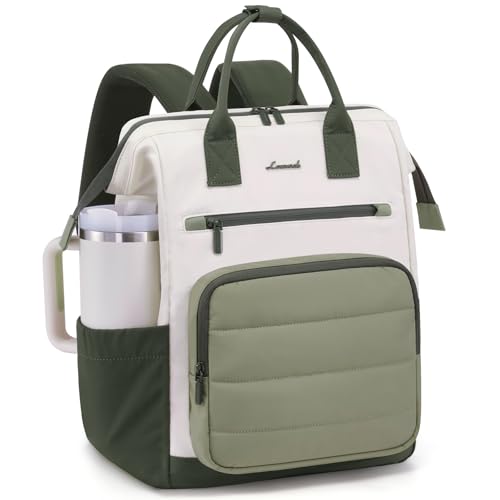
External storage features drastically enhance the daily functionality of a quality pack. Oversized elastic side pockets provide quick access to hydration, accommodating large vacuum-insulated tumblers and forty-ounce water bottles without pinching interior packing volume. Retractable locking buckles or cinch straps anchored over side pockets keep tall containers firmly in place when bending down to tie shoes or boarding public transit. Shallow or loose side sleeves frequently drop heavy metal bottles onto the ground, creating unnecessary dents and spills.
Frequent travelers benefit immensely from integrated luggage trolley pass-through sleeves positioned across the back panel. This strap slides cleanly over the telescoping handle of rolling suitcases, letting you navigate airport terminals without bearing shoulder weight. Additional exterior features like concealed anti-theft zipper pockets rest securely against your lower back, protecting wallets, passports, and commuter passes from opportunistic pickpockets in crowded stations. Quick-access top pockets provide immediate entry for transit cards, keys, and sunglasses without unzipping main cavities.
Sourcing Bulk and Wholesale Packs for Group Distribution
Organizations, charitable foundations, and school coordinators often seek bulk purchasing channels to equip large groups cost-effectively. Wholesale multi-packs containing twelve, twenty-four, or forty-eight individual bags allow institutions to supply students or volunteers without managing disparate orders. Sourcing bulk packages through trusted wholesale distributors or commercial marketplace accounts helps maintain uniform sizing and color assortments across entire classrooms. These bulk bundles typically feature streamlined, classic silhouettes that balance functional storage with accessible manufacturing economies.
When buying in volume, evaluating material durability remains essential even when working within strict programmatic budgets. Bulk bags constructed from reinforced polyester or sturdy corduroy withstand typical school semesters far better than ultra-thin non-woven promotional sacks. Verifying that each unit includes adjustable shoulder straps, functional front organizer pouches, and dependable zipper tracks ensures recipients receive practical, dignified carrying gear. Confirming unit dimensions in advance guarantees that textbooks, standard folders, and basic school supplies fit easily without bursting seams.
Red Flags When Evaluating Online Listings
Online shopping platforms host thousands of competing options, making it critical to recognize deceptive listings and low-grade manufacturing. Be cautious of product descriptions that rely solely on vague marketing buzzwords while omitting concrete dimensional measurements, fabric types, and zipper specifications. High-quality listings clearly document height, width, depth, capacity volume, and maximum laptop screen compatibility. A total absence of unladen pack weight or fabric denier figures often points to mass-produced bags made from fragile, uncoated synthetics.
Scrutinizing customer review imagery provides valuable ground-truth evidence that promotional studio photography can easily disguise. Look specifically for customer photos showing the interior lining, zipper seam stitching, and shoulder strap anchor points under realistic lighting. Multiple user reports mentioning chemical odors, jammed zipper teeth within weeks of purchase, or collapsed padding indicate sub-par materials and rushed assembly. Reliable vendors respond actively to customer inquiries, provide transparent manufacturer contact information, and support straightforward return processes.
Cleaning Protocols and Preserving Water-Resistant Backings
Proper maintenance habits safeguard your pack against premature deterioration and preserve protective fabric coatings over years of ownership. Aggressive machine washing and heated mechanical tumble drying represent the quickest ways to ruin high-performance synthetic packs. The heat and agitation of domestic washing machines can degrade interior polyurethane water-resistant backings, causing the internal lining to peel, flake, or become sticky. Furthermore, spinning cycles can twist internal frame stays and crush the high-density EVA foam inside shoulder straps.
Hand cleaning with a soft nylon brush, lukewarm water, and a mild, non-detergent technical soap represents the safest method for removing transit grime and coffee spills. Gently spot-clean soiled exterior panels before hanging the bag to air-dry completely in a well-ventilated space away from direct heating vents or intense sunlight. Periodically sweeping zipper tracks with an old dry toothbrush clears away trapped sand, dust, and lint that can cause sliders to jam or split. If your daily schedule includes outdoor picnics or carrying chilled snacks alongside trail gear, specialized backpack coolers for day trips require similar interior wipe-downs to prevent mildew without compromising insulation seals.
Selecting the ideal vendor and pack design ultimately depends on balancing your unique carry requirements against proven construction standards. Focus on platforms that offer authentic manufacturer warranties, explicit dimensional tolerances, and dependable customer service. By prioritizing reinforced seam stitching, ergonomic strap architecture, and dedicated device protection over superficial styling, you ensure that your next backpack remains a comfortable and reliable everyday asset. Taking a methodical approach to evaluating sellers and verifying technical details transforms backpack shopping from a gamble into an enduring investment.







Write Your Review
No reviews yet. Be the first to share your experience!