


Freezing winds and wet powder can quickly turn an exciting winter trek into a test of endurance. Comparing Snow Hiking Pants Vs Alternatives helps hikers decide whether integrated fleece-lined softshells or traditional multi-layer systems handle cold outings best. Standard summer trousers paired with bulky thermal underwear often bunch at the knees, restrict your stride, and let freezing drafts penetrate light weaves. In contrast, purpose-built softshell designs like the MAGCOMSEN Women’s Fleece Lined Waterproof combine a water-resistant ripstop face with an integrated fleece lining that blocks wind chill while preserving trail mobility.
Trail agility remains critical when stepping through snowdrifts with a loaded pack. Softshell options like the Toomett Men’s Snow Pants Skiing Winter Insulated feature articulated knees and flexible spandex to prevent binding at the joints during steep ascents. Reviewing related options like thermal hiking pants alternatives shows how single-piece insulated pants eliminate awkward waist slippage. Their elastic side bands and secured cargo pockets stay comfortable under pack hip belts, keeping you warm and focused on the path without requiring constant readjustments.

Pros
- Cozy fleece interior delivers immediate warmth without the constant need for thick thermal base layers.
- Weather-resistant softshell coating helps shed snow, light precipitation, and brisk winter gusts.
- Side-elastic mid-waist allows for comfortable breathing room and flexible fit adjustments.
- Secure front zipper pockets keep essential items from sliding out on the trail.
- Durable ripstop exterior weave resists minor snags and trail scrapes from low brush.
Cons
- Waterproof coating resists snow and dampness, but unsealed seams mean these are not designed for torrential downpours.
- Insulated fleece lining creates excess warmth that makes them unsuitable for mild or hot-weather hiking.
- Available product specifications do not detail exact inseam options or lower-leg cuff adjustments.
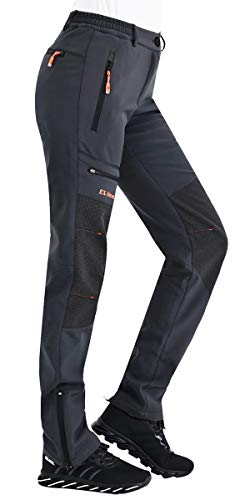
The MAGCOMSEN Women's Fleece Lined Softshell Pants are insulated cold-weather outdoor trousers designed for winter day hikers, snowshoers, campers, and cold-climate travelers seeking dependable warmth. Built with a weather-repellent outer shell and a soft interior fleece layer, these bottoms are targeted toward women who spend time outside in low temperatures and brisk winds. Instead of forcing hikers to juggle bulky external shells over heavy thermal tights, this design merges a weather-resistant exterior with an integrated thermal lining into an accessible, all-in-one winter trail pant.
On winter trails and snowy paths, these softshell pants prioritize thermal retention and wind blocking during moderate-paced cold-weather outings. The manufacturer-listed waterproof surface coating helps repel light snow flurries, damp brush moisture, and surface spray, while the dense outer weave acts as a barrier against chilling gusts. The fleece-lined interior features listed moisture-wicking characteristics that help manage sweat during steeper climbs, though softshell construction naturally traps significant heat compared to unlined trekking trousers. For active winter hiking, snowshoeing, or walking exposed ridgelines, the fleece insulation provides a cozy microclimate without feeling excessively stiff.
The pants are built around a durable ripstop exterior fabric paired with an integrated heat-locking fleece backing. The ripstop construction enhances abrasion resistance, giving the surface useful resistance against scratches from low-lying twigs, brush, or rocky outcrops. At the waist, the pants feature a mid-rise cut with a front zipper closure and integrated elastic side sections. This elasticized waistband segment allows the pant to expand and contract with bodily movement, accommodating bending and high steps on uneven trails. For storage, two zippered front pockets give the wearer secure spots to stow a smartphone, identification cards, or small trail snacks without fear of contents falling out into deep snow.
Regarding fit and daily handling, the mid-waist design and side elastic panels provide flexibility around the hip and waist area. The elastic inserts help maintain a snug yet forgiving fit, which can be advantageous when wearing a daypack hip belt or moving between seated and standing positions. Because the pants come with integrated fleece insulation, sizing should account for whether you plan to wear them directly against the skin or layer lightweight thermal bottoms underneath in extreme sub-zero weather. The available product data does not list specific ankle cinches or boot hooks, so hikers pairing these with bulky winter footwear may want to check cuff openings or consider adding separate snow gaiters if traversing deep powder.
Prospective buyers should note specific design boundaries based on available product specifications. While the manufacturer highlights a waterproof coating layer that repels rain and snow, the specifications do not indicate fully taped or sealed seams, meaning the garment is not built for sustained torrential rainstorms or extended submersion. Additionally, the dedicated fleece lining limits year-round utility, making the pants far too warm for spring or summer hiking. The product data also lists only two front zippered pockets, which may limit storage options for hikers accustomed to carrying gear in cargo or rear pockets.
The MAGCOMSEN Women's Fleece Lined Softshell Pants represent a practical, budget-conscious choice for cold-weather day hikers, winter travelers, and outdoor recreationists needing insulated warmth and wind resistance in freezing temperatures. They offer a dependable balance of scratch-resistant ripstop protection, flexible waist comfort, and cozy fleece insulation for snow walking, late-season camping, or winter resort strolls. If you need a reliable, insulated winter hiking pant for sub-freezing trail outings without paying premium technical-mountaineering prices, these fleece-lined pants are an appealing and capable option.
The integrated fleece lining in the MAGCOMSEN Softshell Pants serves as the primary thermal barrier by trapping warm air directly against the lower body. For high-output hiking in temperatures hovering around the freezing mark, the pants generally supply sufficient thermal retention without the mandatory addition of heavy base layers.
When venturing out in extreme sub-zero conditions or stationary cold-weather activities such as ice fishing or winter camping, there may still be room to pair these pants with a slim synthetic or merino wool base layer. The listed moisture-wicking fleece helps pull perspiration away from skin during steep climbs, preventing damp chill when you stop to rest.
Mobility in the MAGCOMSEN Softshell Pants is anchored by an elasticized mid-waist configuration that adjusts to natural body movements. The elastic side panels built into the waistband stretch during bending, sitting, or taking high steps over downed trail logs, helping prevent pinching at the midsection.
While the product details do not list articulated knee darts or a gusseted crotch, the flexible waistband and softshell construction provide adequate everyday freedom of motion for standard hiking, snowshoeing, and outdoor chores. The front zipper closure ensures secure fastening while keeping the waist profile relatively smooth beneath a daypack or hip belt.
Pros
- Warm 100% polar fleece interior provides immediate thermal comfort without mandatory thermal base layers
- Articulated knees and stretch spandex fabric reduce restriction during steep winter ascents and stepping
- Five zippered security pockets provide ample, enclosed storage for essential winter gear and electronics
- Water-resistant finish efficiently deflects light winter precipitation and surface snow spray
Cons
- Water-resistant softshell exterior lacks taped seams and is not built for sustained or heavy rain
- Heavy fleece-lined construction makes these pants excessively warm for moderate or hot-weather hiking
- Specifications do not detail ankle cinch cords or built-in lace gaiter hooks for deep snow travel
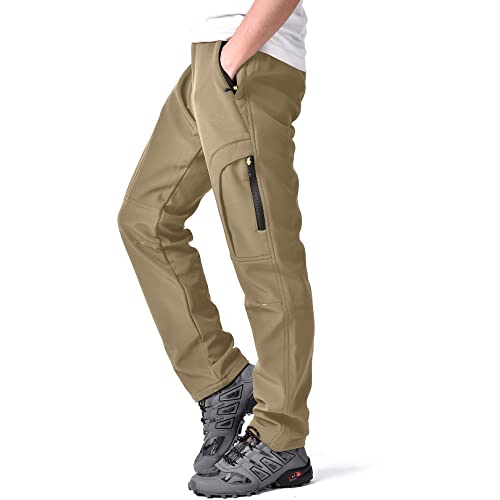
The Toomett MH4409 Men's Winter Insulated Softshell Pants are designed specifically for cold-weather day hikers, winter campers, snowshoers, and outdoor workers who require thermal warmth without hauling separate unlined shell layers. By bonding a wind-resistant, water-shedding stretch softshell face fabric directly to a soft polar fleece backing, this garment replaces the standard warm-weather hiking pant for sub-freezing trail outings. It targets value-conscious recreational buyers who want an all-in-one winter trail pant suited for local park visits, ski resort travel, and cold shoulder-season walking.
Trail mobility in winter bottoms often suffers when thick fabrics are layered, but this design incorporates articulated knee darts and a spandex-infused shell to support forward leg extension. Step-ups over frozen roots and steep switchback climbs benefit from the natural stretch in the woven face fabric. However, because this is a bonded dual-layer construction, the pants have more bulk and a firmer drape than featherweight summer nylon pants, meaning dynamic scrambling movements will feel heavier than in unlined trail trousers.
The fabric package balances weather resistance against active vapor management. The manufacturer highlights a water-resistant exterior finish that repels blowing snow, light slush, and brief showers while reducing wind chill. While the product listing uses the term waterproof in descriptive headings, the specifications do not cite a waterproof membrane or sealed seams, indicating that sustained downpours or melting slush will eventually saturate the outer shell. The 100% polar fleece inner layer offers soft next-to-skin warmth and is treated to pull sweat away from the body during vigorous hiking.
Practical gear storage is anchored by five zippered cargo and hand pockets, which provide essential security when moving through rough brush or snowy terrain. Zipper closures prevent cell phones, vehicle keys, and compact trail tools from slipping out into deep snowbanks during rest stops. For sizing, the featured pair represents a size 34 waist in Khaki. The fleece interior fits comfortably next to bare legs, but hikers intending to pair these pants with expedition-weight thermal base layers for extreme sub-zero trekking should consider whether they need extra seat and thigh clearance.
The primary limitations of the Toomett MH4409 softshell pants involve climate narrowness and deep-snow integration. The integrated fleece lining ensures these bottoms will quickly become uncomfortably hot in temperatures above 50 degrees Fahrenheit or during high-intensity steep ascents in mild conditions. Furthermore, the garment does not feature integrated lower-leg gaiters, cinchable cuff drawstrings, or lace hooks, requiring hikers traversing deep off-trail powder to pair them with standalone external gaiters to block snow intrusion at the boot cuff.
For outdoor enthusiasts who need an affordable, insulated pair of winter bottoms for weekend hikes, cold-weather camping, and shoveling or working outdoors, the Toomett Softshell Pants deliver dependable value. They offer solid wind deflection, necessary knee flexibility, and secure zippered utility for sub-freezing trail days where dedicated mountaineering gear is unnecessary.
Thermal retention in the Toomett MH4409 pants relies on an integrated 100% polar fleece lining that traps warm air directly against the skin. For active winter day hikes in freezing conditions between 20 and 40 degrees Fahrenheit, most hikers will find the soft-brushed interior sufficiently warm to wear without a secondary base layer underneath.
In extreme sub-freezing environments or static cold-weather activities like ice fishing and winter hunting, adding a slim, synthetic or merino wool thermal long underwear layer can bolster overall insulation. However, because these pants feature a fleece-on-skin design, bulky thermal bottoms may create friction and restrict stride mobility unless the pant waist and thigh cuts offer adequate relaxed room.
Pocket security is critical in winter environments where dropped gear can easily disappear into deep snow. The Toomett Softshell Pants are equipped with five individual zipper-secured pockets, offering protected storage compartments for essential trail gear, wallets, pocket knives, and mobile devices.
The zippered closures provide an advantage over traditional open hand pockets or flap-only cargo pockets by keeping blowing snow and trail debris out of storage compartments. When wearing a backpack with a padded hip belt, the lower cargo pockets remain readily accessible for snacks or navigation items without requiring the pack harness to be unclipped.
Frequently Asked Questions
Are snow hiking pants better than wearing base layers under regular hiking pants?
Yes, dedicated snow hiking pants provide superior wind blocking and eliminate uncomfortable fabric bunching compared to wearing long underwear under thin trousers. The bonded fleece interior locks in body heat while the durable softshell exterior repels chilling gusts. Many hikers exploring popular winter hiking trousers favor this integrated construction for reduced bulk and smooth hip movement on steep climbs.
Can snow hiking pants replace bulky ski bibs for winter trail walking?
Yes, insulated softshell pants easily replace heavy ski bibs for winter hikes in 2026 because they offer lighter weight and much better breathability. Heavy downhill bibs frequently trap excessive perspiration during uphill trekking, leading to rapid chilling when you stop. Softshell trousers shed powder while releasing excess moisture, ensuring you stay warm without overheating during continuous aerobic exertion.
How water-resistant are fleece-lined softshell hiking pants?
Most softshell snow hiking pants offer water-resistant surface coatings that shed falling snow and light moisture rather than fully waterproof barriers. Fabrics like those on the MAGCOMSEN Women’s Fleece Lined Waterproof repel slush and drizzle while maintaining essential airflow. In heavy rain or soaked snowpack, moisture can eventually penetrate, making supplementary gaiters or packable rain shells advisable for severe storms.
Why are secured zipper pockets important when hiking in cold conditions?
Secured zipper pockets prevent phones, maps, and keys from slipping into deep snow drifts during active movement. Enclosed pockets with sturdy pull tabs also allow easy operation while wearing winter gloves. Examining an adaptable trail hiking pants setup highlights how strategically positioned cargo pockets remain accessible even when wearing a backpack hip belt.
How should a waistband fit when evaluating Snow Hiking Pants Vs Alternatives for cold trails?
A winter hiking waistband should provide elastic side panels or belt loops to accommodate tucked layers without pinching your waist. Elasticized sections allow the pants to flex as you climb over logs or lunge up steep icy steps. A secure mid-rise cut also prevents cold air gaps from exposing your back under a moving backpack.




Write Your Review
No reviews yet. Be the first to share your experience!