


Hiking through crisp autumn air or freezing winter mornings demands smart thermal regulation that keeps muscles warm without trapping sweat. Standard summer trousers quickly leave legs shivering, while bulky snow gear often restricts stride and causes rapid overheating on steep ascents. Knowing what pants to wear when hiking in cold weather helps you balance insulation, weather resistance, and flexible movement across varied terrain. Choosing the right bottom layer ensures you stay focused on the scenery rather than numb knees or clammy skin. Many outdoor lovers transition from standard lightweight hiking pants to dedicated thermal options as seasonal temperatures drop.
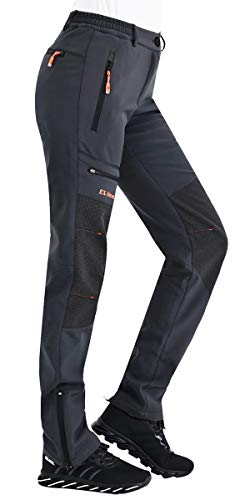
Winter trail pants must defend against gusting winds, light precipitation, and abrasive brush while permitting natural leg extension. Dedicated cold-weather bottoms typically feature brushed thermal interiors, water-repellent exterior coatings, and secure closures that hold warmth against the body. Garments like fleece-lined joggers offer a streamlined alternative to heavy shells for moderate winter outings, especially when paired with moisture-wicking base layers on chillier days. Examining fabric composition, fit, and ventilation allows you to match your clothing system directly to current forecast conditions. Understanding these core design features makes it much easier to select reliable winter apparel for your next cold trail outing.

Essential Strategies for Choosing Cold-Weather Hiking Pants
Winter hiking presents a unique thermal challenge because physical exertion generates heavy body heat while external mountain air remains freezing. Deciding what to wear on your lower half requires balancing insulating loft, wind deflection, and breathability so you neither freeze nor become drenched in sweat. A successful cold-weather clothing system protects vulnerable joints, seals out drafts, and prevents chilled moisture from clinging to skin. The right pair of pants acts as a dependable thermal barrier that allows you to hike comfortably across changing winter landscapes.
The Three-Tier Leg Layering System Explained
Managing body temperature during winter treks depends on understanding how lower-body layering components interact. The base layer rests against the skin to pull away perspiration, the mid-layer traps heated air, and the outer layer repels biting wind and frozen moisture. In moderate winter conditions between 30 and 50 degrees Fahrenheit, an integrated garment like a fleece-lined jogger often functions as both the insulating layer and outer shell simultaneously. Combining these roles into a single garment simplifies preparation and prevents the excessive bulk often caused by multiple stacked waistbands.
When ambient temperatures drop into severe sub-freezing zones, adding a thin synthetic or merino base layer underneath thermal pants provides crucial supplemental insulation. In contrast, wet blizzard conditions or deep snow drifts require pulling a lightweight waterproof hardshell over your thermal joggers to seal out driving sleet. Hikers exploring milder shoulder seasons can often compare these systems against standard trail comfort hiking pants options to determine how much warmth their specific local climates require. Adjusting your system before embarking on a climb keeps you comfortable throughout the entire day.
Understanding Brushed Thermal Fleece and Heat Retention
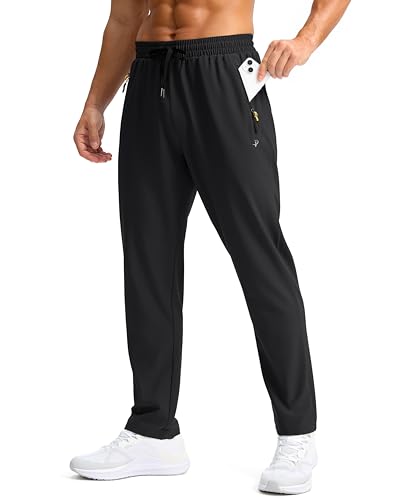
Brushed fleece interiors create microscopic air pockets between the fabric fibers to trap warm air radiated by your moving legs. Unlike smooth unlined athletic pants that allow ambient cold to leach heat through thin synthetics, a brushed lining establishes an insulating dead-air zone. Products like the G Gradual Women’s Fleece Lined Joggers utilize thermal brushed fabric engineered specifically to lock in body heat during brisk outdoor workouts. This construction delivers noticeable warmth across typical cold-weather ranges of 30 to 50 degrees Fahrenheit without adding stiff, cumbersome bulk.
Loft thickness plays a critical role in determining whether a thermal garment feels light and agile or heavy and restrictive. Synthetic fleece blends use fine polyester yarns that maintain warmth even if moisture vapor passes through during sustained aerobic ascents. A dense knit exterior prevents cold breezes from cutting straight through the fleece while still permitting excess interior heat to escape gradually. Selecting an appropriate thermal weight ensures your legs stay pleasantly warm on chilly switchbacks without triggering excessive sweating.
Water Resistance Versus Waterproof Protection
Trail pants designed for winter use often incorporate durable water repellent finishes across the exterior shell to shed moisture. This chemical treatment forces light rain, melting snow, and trail spray to bead up on the fabric surface and roll off harmlessly. Manufacturer specifications for water-resistant fleece joggers indicate that this protective effect resists light precipitation over short durations. Such protection proves ideal for crisp winter hikes where snow flurries or damp brush might otherwise soak through standard knit apparel.
Hikers must clearly distinguish between water-resistant finishes and fully waterproof technical membranes. A water-resistant fabric preserves high breathability and fabric softness, but continuous downpours or sitting directly in wet snow will eventually overwhelm the coating. Fully waterproof rain pants use impermeable membranes with taped seams that block torrential storms, yet they frequently create internal condensation during steep uphill climbs. Choosing water-resistant fleece pants makes excellent sense for dry cold, light flurries, and well-groomed winter paths where active breathability matters most.
Waistband Engineering, Rise, and Pack Stability
Waistband construction directly affects how comfortably a pair of winter pants stays positioned beneath a loaded daypack or technical harness. A four-inch high-rise waistband provides broad abdominal coverage, preventing the cold gap that often occurs when bending over to adjust gaiters or snowshoes. Wide elastic bands distribute pressure evenly across the waist, avoiding the focused pinching caused by narrow elastic strips or rigid metal button closures. This higher rise also shields the lower back from sudden cold drafts whenever an outer jacket rides up on the trail.
Internal drawstrings offer a reliable method for customizing waistband tension without requiring an external belt. When hiking through rugged terrain, shifting trail angles can cause relaxed pants to slide down under the weight of pocket contents or movement. Tying the inner drawstring securely anchors the trousers in place, ensuring the seat and crotch remain properly aligned throughout your trek. Hikers who also prioritize joint stability on steep descents can compare these ergonomic waist designs with supportive knee trail pants to evaluate overall lower-body support.
Silhouette, Tapered Cuffs, and Winter Footwear Integration
The overall leg silhouette determines how well winter trousers interact with hiking boots, microspikes, and trail gaiters. Tapered jogger cuts feature fitted lower legs and elastic ankle cuffs that keep excess fabric close to the calves. This streamlined profile prevents hem material from snagging on low trail branches, thorny briers, or opposing crampon points during technical winter walks. A close ankle cuff also seals out cold ground-level drafts that would otherwise circulate up straight-leg openings.
Pairing tapered bottoms with mid-cut or high-cut hiking boots creates a neat junction that keeps trail debris and snow crust away from socks. Elasticized cuffs stretch easily over thick winter socks, allowing you to tuck hem edges cleanly into boot collars or low gaiter sleeves. Unlike wide bootcut pants that can drag in wet slush and absorb road grime, tapered joggers remain elevated above dirty ground surfaces. This practical cut keeps winter hikers looking tidy while actively improving foot clearance on icy, uneven surfaces.
Pocket Design and Winter Gear Management
Cold-weather pocket placement requires deep, accessible compartments that accommodate modern smartphones, trail maps, and insulating gloves. Deep side pockets designed to fit 6.7-inch mobile devices allow you to carry navigation tools directly against your thigh. Storing a smartphone close to body heat prevents freezing temperatures from rapidly draining lithium-ion battery reserves on extended wilderness outings. Generous pocket openings also allow hikers to retrieve essentials quickly without taking off their warm gloves or mittens.
Pocket stability matters just as much as internal volume when walking briskly over steep elevation gains. Vertical side drop-in pockets built into elasticized fabrics hold contents flush against the leg to prevent annoying bouncing or slapping motions. Flat seams around pocket bags prevent internal friction against the thighs, reducing the risk of chafing over long trail miles. Having dedicated storage compartments keeps your hands free to grasp trekking poles securely on slippery winter paths.
Fabric Breathability and Moisture Control Under Exertion
Managing internal moisture is essential when hiking in sub-freezing temperatures because damp skin rapidly accelerates hypothermia risks. When your leg muscles generate heat on sustained climbs, synthetic fabrics must allow perspiration vapor to evaporate quickly into the surrounding air. Traditional cotton sweatpants absorb perspiration like a sponge, losing all insulating value and freezing into stiff, chilling layers against your legs. High-performance winter bottoms rely on synthetic polyester and spandex blends that pull moisture away from the skin surface through capillary action.
Breathable construction ensures that warm air circulates within the fleece loft while moisture escapes before condensing into liquid water. If you feel yourself overheating on an intense ridge climb, slowing your pace slightly allows the fabric to vent excess steam without needing to shed layers. Once you pause at a windy summit, dry synthetic fleece retains its loft and prevents the dreaded post-exertion chill. Choosing garments engineered with rapid moisture dispersion guarantees consistent thermal comfort from trailhead departure to trip completion.
Matching Fabric Weight to Cold Temperatures and Activity Levels
Matching your pants to the specific ambient temperature and intended activity level prevents both dangerous shivering and uncomfortable overheating. For fast-paced day hikes, winter jogging, or cross-country trekking in 30 to 50 degree conditions, lightweight thermal fleece joggers provide ideal balance. These garments offer sufficient thermal retention during steady movement without causing heat buildup that requires constant wardrobe adjustments. In these moderate cold ranges, heavy insulated snow pants often prove too warm, causing excessive perspiration within minutes of departing the trailhead.
When temperatures drop below freezing into the teens or single digits, your activity profile must dictate necessary clothing adjustments. Slow-paced winter walks with frequent observation stops require thicker softshell bottoms or the addition of a thermal base layer beneath your fleece pants. Conversely, high-aerobic activities like snowshoeing up steep grades generate tremendous internal heat, making lighter thermal jogger fabrics surprisingly effective even in brisk air. Evaluating both the weather forecast and your expected hiking tempo ensures you select the perfect lower-body thermal rating.
Durability, Abrasion Resistance, and Trail Hazards
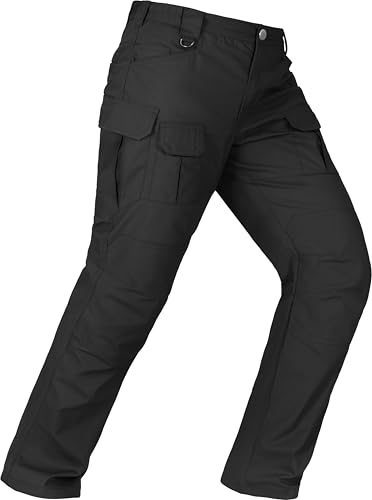
Winter trails often present abrasive hazards including frozen twigs, dense brush, rocky outcrops, and crusty snow banks. The outer surface of cold-weather hiking pants must withstand regular contact with rough surfaces without snagging, fraying, or pilling. Tight synthetic weaves provide a smooth exterior face that glides over thorny undergrowth rather than catching loose fiber loops. Reinforced seam stitching along the inseam and outer leg panels prevents garment failure when stretching over fallen trail logs or icy boulders.
Spandex blended into the fabric matrix adds vital multi-directional stretch that accommodates high knee lifts and deep lunges on steep ascents. Rigid winter pants without elastic recovery often pull tight across the thighs and knees, causing premature seam fatigue and restricted mobility. Flexible knit construction allows the garment to flex naturally with each stride while immediately snapping back into its original silhouette. Investing in durable, stretch-capable fabrics ensures your winter trail apparel lasts through many seasons of rugged outdoor exploration.
Garment Care and Preserving Thermal Performance
Proper laundering habits preserve both the brushed interior loft and the exterior water-repellent performance of technical winter apparel. Washing fleece-lined bottoms in cold water on a gentle cycle prevents fiber breakdown and keeps the inner fleece plush and resilient. Liquid laundry detergents formulated for athletic wear rinse away completely without clogging the microscopic pores that allow fabric breathability. Hikers should avoid fabric softeners because conditioning chemicals coat synthetic fibers, destroying water repellency and trapping persistent body odors.
Drying technical hiking garments requires low heat or air drying to prevent thermal degradation of synthetic elastane components. Excessive dryer heat can melt delicate synthetic fibers, reduce four-way elasticity, and weaken exterior water-resistant surface coatings. If trail water stops beading on the fabric surface after repeated wash cycles, applying a specialized wash-in or spray-on water-repellent treatment restores light weather defense. Following thoughtful garment care instructions maintains peak thermal warmth, water shedding, and stride mobility for all your cold-weather adventures.
Selecting the ideal cold-weather hiking pants comes down to balancing brushed thermal insulation, weather resistance, and unrestricted stride mobility. Modern fleece-lined joggers offer a versatile, comfortable solution for cool to freezing conditions between 30 and 50 degrees Fahrenheit. Paying close attention to waistband design, secure pocket storage, and moisture-wicking synthetic fibers ensures you stay warm, dry, and agile on every winter outing. Equipping yourself with the right protective apparel transforms chilly, intimidating trails into invigorating outdoor experiences.



Write Your Review
No reviews yet. Be the first to share your experience!