


Trail conditions often shift from brushy paths to damp weather within a single outing. Figuring out what kind of pants should you wear hiking comes down to balancing skin protection against heat and physical mobility. Heavy everyday fabrics like denim trap moisture and restrict knee movement on steep inclines, leaving you damp and prone to chafing. Upgrading to purpose-built outdoor apparel, such as lightweight hiking bottoms, keeps you moving freely while shielding your legs from thorns and rough surfaces.
A reliable pair of trail pants needs to manage moisture, stretch across uneven rocks, and resist tearing from trail debris. Choosing the right design depends on your expected terrain, local weather patterns, and how much gear you prefer keeping within reach. Whether you tackle short day trips or multi-day backpacking treks, matching your pants to the trail environment makes a significant difference in comfort and endurance.
Essential Features to Look for in Trail Hiking Pants
When deciding what kind of pants should you wear hiking, you should look for technical synthetic trousers built with stretch, abrasion resistance, and ergonomic leg articulation. Standard cotton trousers absorb moisture quickly, dry slowly, and bind against your knees during steep trail ascents. Purpose-built hiking pants solve these issues by pairing durable synthetic fabrics with functional features like articulated knees, gusseted crotches, and water-repellent finishes. Matching the fabric weight and storage options to your specific route ensures reliable comfort across changing trail conditions.
Synthetic Fabrics Versus Cotton on the Trail
Synthetic fibers serve as the industry standard for outdoor apparel due to their moisture-wicking and quick-drying capabilities. Polyester and nylon materials pull perspiration away from your skin and spread it across the surface for rapid evaporation. In contrast, standard cotton fibers hold moisture against your body, leading to heavy damp fabric and rapid chilling in breezy mountain air. Choosing synthetic blends helps eliminate uncomfortable chafing during prolonged uphill climbs where constant movement creates skin friction.
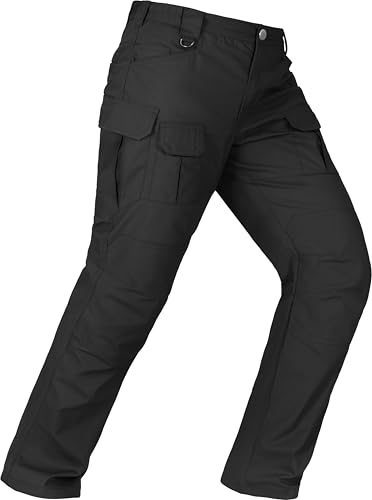
Ripstop weaving adds structural strength to lightweight synthetic fabrics without adding bulk or excess weight. This crosshatch weaving technique incorporates reinforcement threads at regular intervals to stop small punctures from tearing further. Options like the Men’s Tactical Pants Water Resistant Stretch Cargo from ZKRYOVEX utilize ripstop stretch fabric to deliver dependable scratch resistance against brush and jagged rock faces. That durability ensures your trousers withstand rugged off-trail excursions where thick vegetation crowds the path.
Modern trail fabrics frequently incorporate small amounts of elastane or spandex to enhance natural body movement. A flexible two-way or four-way stretch weave prevents the fabric from pulling tight over your quadriceps when stepping up high ledges. If you frequently browse discounted trail trousers, checking the fabric composition ensures you select garments with adequate mechanical flex. Combining synthetic durability with elastic movement allows your legs to bend freely across uneven backcountry terrain.
Ergonomic Patterning: Articulated Knees and Gusseted Crotches
Straight-leg cuts found on traditional everyday pants tend to fight against your body during steep trail climbs. Outdoor hiking trousers address this limitation by incorporating articulated knees, which use pre-shaped darts sewn into the joint panel. This contoured tailoring mirrors the natural bend of human legs, eliminating the resistance that occurs when flat fabric pulls taut across the kneecap. Hikers tackling substantial elevation gain experience less fabric resistance and lower leg fatigue over long distances.
A gusseted crotch is another critical design feature that separates technical hiking bottoms from ordinary work pants. Standard trousers feature a four-way cross seam in the crotch area that concentrates tension and limits lateral leg extension. A gusset replaces that tight central point with a dedicated diamond-shaped fabric insert that distributes stress across multiple reinforced seams. This extra room allows you to step over fallen timber, scramble up boulders, and take wide strides without straining the fabric.
Ergonomic cuts also eliminate excess loose fabric that might snag on thorny branches or rub against your footwear. Tailored 3D patterning hugs your lower body cleanly while maintaining ample internal space for fluid leg mechanics. If you manage joint issues or use braces, looking into options like supportive knee hiking pants can clarify how specialized seams interact with your knees. Thoughtful panel construction prevents hot spots, ensuring that repetitive high steps remain comfortable throughout day-long excursions.
Weather Resistance: Water Repellency Versus Waterproof Shells
Understanding the distinction between water-resistant coatings and waterproof membranes helps prevent poor layering choices in changing weather. Most versatile hiking pants use a durable water repellent coating that causes morning dew and light rain showers to bead up on the exterior. This surface finish maintains optimal fabric breathability, letting body heat and perspiration escape while walking briskly uphill. However, water-resistant fabrics are not designed for sustained downpours, which will eventually penetrate the weave.
Fully waterproof rain pants use solid internal membranes and taped seams to block all moisture from entering the garment. While waterproof shells provide necessary protection during severe mountain storms, they significantly reduce ventilation and trap humid air against your skin. For general trail use in dry or mildly damp weather, water-resistant stretch pants offer a much more comfortable balance of breathability and protection. Wearing breathable, water-resistant pants allows you to handle light drizzles without feeling clammy from trapped sweat.
Rapid drying speed is equally important when evaluating weather resistance for multi-day wilderness backpacking trips. Synthetic fabrics with water-repellent treatments dry much faster than untreated textiles because individual fibers do not soak up water. If you encounter a passing mountain shower, hiking in dry wind often clears residual surface moisture within an hour. This swift evaporation reduces windchill risks and helps maintain a stable core body temperature in alpine conditions.
Pocket Architecture and Secure Trail Storage
Pocket layout on outdoor trousers directly impacts walking comfort, weight distribution, and gear accessibility. Traditional front pockets can feel awkward when loaded with heavy objects, causing tools to bang against your hip bones with every step. Purpose-built hiking pants feature thoughtfully placed pockets with angled openings and internal sleeves to hold gear flat against your legs. Organizing small necessities evenly around your thighs keeps critical equipment accessible without disturbing your natural walking rhythm.
Multi-pocket tactical layouts offer ample space for route maps, compact compasses, pocket tools, and quick energy snacks. The ZKRYOVEX tactical pants incorporate ten separate pockets, including large flap compartments and dual interior sleeves for secure tool storage. Protective flap closures keep items from sliding out when scrambling over boulders or crawling through low-hanging tree branches. Placing flatter gear in thigh pockets keeps it accessible even when a padded backpack hip belt covers your waistline pockets.
While having abundant pockets is convenient, overloading thigh storage can cause pants to sag and pull uncomfortably around your knees. Heavier items like large battery banks, water bottles, and bulky first-aid supplies belong inside your backpack rather than in your pant pockets. Reserving cargo space for lightweight, frequently used gear ensures that your trousers maintain their comfortable drape and clean fit. Evaluating pocket placement helps you decide whether minimalist pockets or full cargo trousers suit your trail habits.
Waistband Construction and Hardware Durability
A secure and adaptable waistband prevents your trousers from sliding down when you navigate steep rocky inclines. Many technical trail pants incorporate side elastic sections or integrated belts that flex as your body expands during heavy breathing. This dynamic waistband design accommodates slight changes in body circumference after trail meals or during strenuous uphill exertion. An elastic-assisted waist keeps pants resting securely on your hips without requiring an overly restrictive leather belt.
Hardware components like front zippers, pocket buttons, and attachment loops must withstand grit, dust, and continuous tension. Reliable closures like durable YKK zippers operate smoothly and resist jamming when exposed to fine trail dust or mud splatters. Reinforced D-rings stitched into the waistband offer handy clip points for compass lanyards, keys, or gloves. Choosing pants with dependable hardware reduces the risk of embarrassing or inconvenient gear failures far from civilization.
Waistband design also determines how comfortably your pants sit beneath the padded hip belt of a loaded backpack. Bulky buckles, heavy belt loops, and thick rear pocket seams can create painful pressure points under thirty pounds of pack weight. Low-profile closures and flat waistband stitching rest cleanly against your skin, preventing bruising and friction chafing. Checking the waistband profile before embarking on long backcountry treks ensures seamless compatibility with your load-carrying systems.
Matching Pant Styles to Different Trail Environments
Different wilderness regions present unique hazards that call for specific pant styles, weights, and protective features. Desert trails and hot, sun-exposed valleys demand lightweight, loose-fitting synthetic trousers that emphasize airflow and sun protection. In contrast, densely forested paths covered in thorny brambles and wild raspberry bushes require durable ripstop cargo pants. The tightly woven face fabric guards your skin against thorns, biting insects, and abrasive rocks that would pierce thin running tights.
Convertible zip-off pants provide adaptability for wide temperature swings, converting from full-length trousers into hiking shorts. However, the horizontal zippers across the thighs can sometimes rub uncomfortably against sweaty skin or create stiff bands around your legs. Full-length ripstop cargo pants avoid these rigid horizontal seams while offering complete protection against poison ivy and sharp brush. Many hikers prefer simply rolling up the cuffs of lightweight pants during river crossings rather than managing zip-off legs.
Cold-weather treks and alpine routes require pants that can layer smoothly over thermal base garments. A slim or tapered cut provides a clean silhouette, but it must retain enough internal room to fit thermal underwear comfortably. Softshell pants and water-resistant ripstop models block chilly mountain breezes far better than thin summer hiking trousers. Verifying that your pants accommodate insulating base layers gives you year-round utility across shifting seasons and climbing elevations.
Footwear, Cuff Interactions, and Layering Harmony
The lower hem of your hiking pants plays a key role in keeping dirt, loose gravel, and debris out of your shoes. Pants with straight or slightly tapered leg openings sit neatly over mid-cut hiking boots and low-profile trail runners. Excessively wide pant legs can drag in wet trail mud, catch on rocks, or snag on low branches along overgrown singletrack. A tidy leg opening shields your footwear collar while keeping your ankles visible when picking your way through technical boulder fields.
Pairing your hiking trousers with trail gaiters adds another protective layer against scree, mud, and morning dew. Water-resistant pants tuck cleanly beneath low trail gaiters, preventing loose sand and tiny pebbles from falling into your socks. In wet snow or thick brush, taller gaiters wrap firmly over ripstop fabric to stop dampness from soaking upward through the cuffs. Choosing pants with smooth lower legs prevents gaiter straps and lace hooks from fraying the outer shell fabric.
Integrated hem cinch cords or internal drawstrings allow you to tighten your pant cuffs directly around your boot collars. This feature helps seal out ticks, ants, and debris when walking through tall grass or dry leaf litter. Cinched cuffs also allow you to hike your pant legs up to your calves during warm uphill sections without fabric slipping down. Checking how the cuff rests against your hiking boots ensures complete lower-leg protection throughout your outdoor journeys.
Garment Care, Washing, and Long-Term Durability
Proper laundering preserves the functional stretch, breathability, and water-repellent performance of technical trail garments. Standard household detergents and fabric softeners leave behind chemical coatings that clog fabric pores and degrade water-repellent treatments. Washing your hiking pants in cool water with gentle, residue-free performance apparel cleansers protects synthetic fibers and keeps breathability intact. Fastening all pocket flaps and closing zippers before washing prevents abrasive snagging inside the washing machine.
Restoring surface water resistance is straightforward once the original factory coating begins to wet out after repeated washings. Applying a specialized spray-on or wash-in water repellent recharges the outer surface so moisture beads up and runs off cleanly once again. Low-heat tumble drying, when allowed by the garment care tag, helps reactivate the repellent finish and restores protective performance. Checking the manufacturer care label ensures that you never expose delicate stretch fibers to excessive dryer heat that could cause shrinkage.
Regularly inspecting high-wear areas like the crotch seams, inner cuffs, and pocket edges catches minor wear before it causes trail failures. Fixing loose stitching or applying a small patch of technical repair tape prevents tiny punctures from spreading across the ripstop grid. Storing clean, dry pants in a climate-controlled space protects elastic waistbands and water-resistant finishes between hiking outings. Consistent care ensures your technical trousers deliver dependable comfort, mobility, and weather resistance over many hiking seasons.
Choosing the right hiking pants ultimately comes down to matching technical synthetic fabrics, ergonomic articulation, and functional storage to your terrain. Prioritizing durable ripstop weaves, gusseted mobility, and reliable water resistance protects your lower body against trail debris, shifting weather, and physical strain. By focusing on how your pants breathe, stretch, and integrate with your footwear, you can select trail trousers that keep you comfortable and focused on the journey ahead.


Write Your Review
No reviews yet. Be the first to share your experience!