


Bulky gear stuffed into shallow pockets can turn a scenic trek into a relentless battle against sagging waistbands and chafed hips. Carrying essential survival gear shouldn’t mean sacrificing mobility on steep switchbacks or enduring heavy pack fatigue. Securing a reliable hiking pants personal water filter system lets you travel light without sacrificing drinking safety when natural streams appear along the path. Based on manufacturer specifications and outdoor gear analyses, pairing spacious cargo compartments with compact filtration tubes solves the dilemma of hydration access on extended day treks.
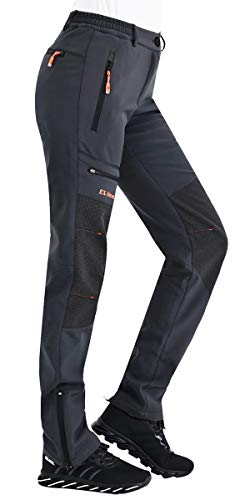
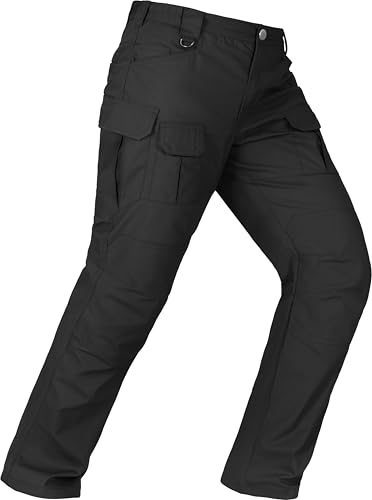
Strategic pocket layouts allow trail accessories to ride flat against your outer thigh, preventing bouncing or friction against your knee joint. Modern hikers often coordinate their gear around a versatile outdoor pants setup to ensure clean water tools remain within arm’s reach during fast-paced scrambles. Checking filtration micron ratings and garment storage capacity guarantees that your clothing supports your survival gear without stretching seams or restricting your stride. Integrating reliable gear like the LifeStraw Personal Water Filter for Hiking alongside high-performing sun-protective hiking pants keeps your pack lean while maintaining all-day trail comfort.

Pros
- Minimal 0.088-pound carry weight fits effortlessly into daypacks, multi-day backpacks, or emergency kits
- Massive 4,000-liter filtration lifetime provides long-term hydration reliability without replacement cartridges
- Straightforward straw design allows immediate drinking from natural water sources with no pumping or chemical waiting times
- Tested to meet rigorous US EPA, NSF, and ASTM standards for bacteria and parasite removal
Cons
- Point-of-use straw design does not conveniently fill separate backpack hydration reservoirs or camp cookware
- Hollow-fiber membrane does not remove dissolved chemicals, heavy metals, or waterborne viruses
- Must be kept warm in freezing conditions because frozen water inside the wet membrane can cause permanent damage
The LifeStraw Personal Water Filter is an ultralight, point-of-use water filtration tool designed to serve as an essential hydration accessory for hiking backpacks, daypacks, and emergency kits. Built primarily for day hikers, ultralight backpackers, campers, and outdoor travelers who need quick access to safe drinking water without carrying heavy pump systems, this straw-style filter offers immediate purification from natural water sources. Its minimal footprint also makes it a staple addition to emergency bug-out bags and standard outdoor gear lists.
On the trail, the LifeStraw delivers notable filtration capacity relative to its compact size. Product specifications confirm that the microfiltration membrane provides up to 4,000 liters (1,000 gallons) of clean water, effectively removing 99.999999% of waterborne bacteria such as E. coli and Salmonella, as well as 99.999% of waterborne parasites like Giardia and Cryptosporidium. In addition, the filter membrane stops microplastics down to 1 micron and reduces water turbidity down to 0.2 microns. These performance benchmarks are verified against US EPA, NSF, and ASTM testing protocols, giving backpackers reliable protection from common biological hazards found in backcountry streams and lakes.
In terms of form factor and materials, the filter features a streamlined cylindrical shape measuring approximately 8.66 inches long by 0.98 inches in diameter and weighing a modest 0.088 pounds. Constructed from durable, BPA-free plastic materials, the casing protects the internal hollow-fiber membrane from normal trail impacts when stashed inside pack pockets. The slim profile fits neatly into external backpack bottle sleeves, side zippered pockets, shoulder-strap pouches, or top lids without crowding out other essential trail gear or adding substantial base weight to your loadout.
Operating the LifeStraw is straightforward and requires no assembly, batteries, moving parts, or pumping mechanisms. To use it on the trail, you place the intake end directly into a natural water source or a filled bottle and draw water up through the mouthpiece. When integrating it into your packing routine, the filter requires zero pre-filtering setup for clear water, though regular backwashing or blowing air through the mouthpiece helps clear turbidity and maintain flow rate. Storing it between trips simply involves allowing the filter to dry properly before packing it away in your hiking gear bin.
While the LifeStraw excels at rapid, lightweight personal filtration, it does present practical limitations that hikers should consider before relying on it as a sole water system. Because it is a straw rather than an inline or squeeze filter, it does not easily fill external hydration reservoirs or cooking pots without awkward decanting. Furthermore, hollow-fiber membranes do not filter dissolved chemical contaminants, heavy metals, or viruses, and the wet membrane can be compromised if exposed to freezing temperatures inside a pack overnight.
For day hikers, ultralight adventurers, and backpackers looking for a lightweight, failsafe backup water filter to keep inside their pack, the LifeStraw Personal Water Filter offers proven biological filtration and impressive value. It functions best as an on-the-go personal straw for hydration breaks or as an emergency insurance policy alongside your primary trail water carrying system.
The LifeStraw relies on a mechanical microfiltration membrane capable of processing up to 4,000 liters (1,000 gallons) of water across its lifespan. Verified under US EPA, NSF, and ASTM purifier testing protocols, it captures 99.999999% of common waterborne bacteria and 99.999% of protozoan parasites, alongside microplastics down to 1 micron and turbidity down to 0.2 microns.
Because it operates strictly as a microfilter without activated carbon or chemical purification media, it does not neutralize chemical runoff, dissolved minerals, or viruses. Hikers venturing into areas with suspected chemical contamination or international travelers facing viral risks should pair it with appropriate supplementary water treatment methods.
Weighing only 0.088 pounds and measuring 8.66 by 0.98 inches, the LifeStraw fits seamlessly into almost any backpack organization scheme. Its narrow cylindrical form allows it to slide into hip-belt pockets, stretch-mesh shoulder strap sleeves, or side water bottle pockets alongside standard trail flasks without taking up primary compartment space.
When packing in freezing conditions, hikers must take care to keep the used filter close to their body or inside a sleeping bag, as freezing trapped water can permanently damage the internal filtration membrane. For temperate day hikes and three-season backpacking, it remains one of the simplest, lowest-weight hydration accessories available for trail packs.
Frequently Asked Questions
Can you carry a personal water filter comfortably in hiking pant pockets?
Yes, compact straw-style filters fit neatly into deep side cargo pockets without restricting stride or knee movement. Most trail pants feature zippered or gusseted thigh pockets designed to keep narrow gear stable against your leg. This placement prevents awkward bouncing on rocky ascents while keeping clean water readily accessible at creek crossings.
What fabric blend provides the best durability when carrying gear in your trail pants?
Ripstop nylon blended with a small percentage of elastane delivers the ideal balance of abrasion resistance and mobility. Nylon resists friction from pack straps and pocket contents, while elastane allows the fabric to stretch during high-stepping moves. Backpackers wanting versatile warm-weather options can also check active outdoor shorts with reinforced pocket seams for similar storage utility.
How does a hiking pants personal water filter setup help reduce total pack weight in 2026?
Drinking directly from water sources eliminates the need to haul multiple heavy water bottles on day treks. Carrying a lightweight microfiltration tube in your pant pocket lets you filter on demand while hiking near reliable backcountry streams. This strategy cuts several pounds of base weight, relieving pressure on your shoulders and lower back during steep climbs.
Do water filters in cargo pockets interfere with a backpack hip belt?
No, thigh-mounted cargo pockets sit well below the contact zone of standard pack hip belts. Hip belts rest firmly across your iliac crest, which can pinch gear stored in upper hand pockets. Choosing breathable hiking trousers with mid-thigh zippered pockets avoids pressure points and fabric bunching along your waistline.
What contaminants does the LifeStraw personal water filter remove?
The microfiltration membrane removes 99.999999% of waterborne bacteria like E. coli and 99.999% of parasites including Giardia and Cryptosporidium. Laboratory testing standards also verify that it filters environmental microplastics down to 1 micron while reducing overall water turbidity. It provides up to 4,000 liters of safe drinking water from lakes, rivers, and mountain springs without using chemicals.
Are water-resistant hiking pants necessary when filtering water near streams?
Water-resistant finishes help protect your legs from splashes and damp ground when kneeling beside water sources. A durable water-repellent coating causes river spray to bead up and roll off without saturating the weave. Quick-drying synthetic fabrics also ensure that any stray moisture evaporates rapidly once you resume your hike.


Write Your Review
No reviews yet. Be the first to share your experience!