


Navigating rough backcountry paths often pushes trail gear to its absolute limits, forcing hikers to evaluate how clothing protects against tough obstacles. Many strange outdoor search queries arise when hikers mix up physical apparel with electronic gear, which leads to questions like can a hiking pants connect through thick walls during outdoor treks. A standard pair of trail trousers consists of engineered fabric fibers rather than microchips, wireless antennas, or radio transceivers. Exploring our guide to insulated and weather-resistant hiking apparel reveals how specialized garments prioritize physical environmental defense instead of wireless transmission.
Outdoor apparel functions strictly as a physical defense system against wind, moisture, sharp brambles, and abrasive trail surfaces. Technical garments provide comfort through moisture wicking, stretch construction, and weather protection rather than network connectivity. Hikers carrying two-way radios, mobile phones, or satellite navigation devices inside deep cargo pockets may notice signal drops around dense obstacles, which often causes confusion about clothing interference. Understanding how technical fabrics, pocket layouts, and durable designs operate helps outdoor enthusiasts prepare effectively for demanding environments without expecting electrical functions from woven textiles.

Pros
- Zip-off legs allow quick adaptation from cool morning hikes to warm afternoon sun.
- Nylon and 4-way stretch spandex build supports walking and scrambling mobility.
- Built-in UPF 50 sun protection helps block harmful UV rays in exposed environments.
- Six practical pockets provide ample storage for small trail items, keys, and accessories.
- Partial elastic waistband offers forgiving adjustability across diverse body shapes.
Cons
- Water-repellent finish handles light moisture but is not waterproof during sustained rain.
- Specific inseam measurements and exact fabric blend percentages are not listed by the manufacturer.
- Zippers around the lower thighs can create minor friction or pressure for some hikers.
The Jessie Kidden Men's Convertible Hiking Pants are designed for outdoor enthusiasts, day hikers, campers, and travelers who need adaptable lower-body clothing for variable weather. Featuring zip-off leg panels, these 2-in-1 pants allow you to shift from full-coverage trail trousers to shorts without carrying an entirely separate garment in your pack. The loose, straight-leg profile and generous cargo styling make them an accessible choice for general outdoor recreation, safari travel, fishing trips, and weekend backpacking.
Active trail movement is supported by a 4-way stretch nylon and spandex fabric blend combined with 3D pattern cutting. Stepping over trail blowdowns, powering up steep switchbacks, and scrambling over rocky outcrops require flexible legroom, which the loose straight-leg cut accommodates without binding. The fabric incorporates moisture-wicking properties and quick-drying characteristics to help manage perspiration during warm hikes. In addition, the material carries a manufacturer-listed UPF 50 sun protection rating, making it suitable for exposed high-desert routes and open mountain ridgelines.
The construction balances lightweight packability with multi-pocket utility for carrying everyday trail gear. The shell fabric features a water-repellent finish intended to shed light mist, morning dew, and minor splashes, though the product data does not establish complete waterproofing for heavy downpours. For storage, Jessie Kidden equips these trousers with six designated pockets: two standard slant hand pockets, two hook-and-loop flap thigh cargo pockets, and two hook-and-loop rear pockets. This layout keeps small essentials like trail maps, pocket knives, or fishing tackle organized and easily reachable.
Waistband design focuses on comfort with a partial elastic construction that flexes with movement and accommodates subtle sizing fluctuations. The mid-to-high rise design helps maintain coverage when bending or wearing a lightweight pack, though the interaction between thigh zippers and backpack hip belts will vary based on torso length and strap placement. While the straight leg opening easily slides over standard hiking boots or low-profile trail runners, the manufacturer does not list exact inseam lengths or cuff adjustments, so buyers should review available size charts closely prior to ordering.
A realistic evaluation highlights that convertible pants inherently involve mechanical tradeoffs. The thigh zippers introduce added seams that some hikers may feel against the skin during repetitive high-mileage strides. Furthermore, water repellency is not equivalent to a waterproof membrane, meaning dedicated rain pants remain necessary in heavy downpours. The listing also omits exact fiber composition percentages and denier ratings, reducing certainty regarding long-term abrasion resistance against sharp desert brush or abrasive granite.
For budget-conscious hikers, backpackers, anglers, and international travelers seeking a versatile 2-in-1 trail pant, the Jessie Kidden Convertible Pants deliver strong practical utility. They excel on shoulder-season day hikes and summer fishing trips where cool mornings transition into warm afternoons. If you need a straightforward, sun-protective pant with adaptable zip-off versatility and forgiving waist comfort, this pair offers solid functionality for standard trail use.
The primary advantage of the Jessie Kidden Convertible Hiking Pants is their zip-off modularity, which reduces pack weight by consolidating two garments into one. Hidden circumferential zippers above the knees detach the lower pant legs, converting the trousers into casual hiking shorts in seconds.
This convertible setup is especially useful for early morning departures in spring, summer, or early autumn when ambient temperatures fluctuate significantly before noon. Removing the lower leg sections enhances airflow when heat builds, while keeping the full trousers intact provides protection against brush, brambles, and biting insects when bushwhacking or traversing overgrown trail corridors.
A comfort-fit waist featuring partial elastic sections allows the Jessie Kidden pants to adapt naturally across varying body profiles. This flex waistband minimizes pinching when sitting or kneeling on uneven ground and ensures the trousers remain comfortable when layering over thin base-layer bottoms during cool shoulder seasons.
Mobility is reinforced by 4-way stretch spandex woven into the nylon base, paired with an articulated 3D cut. These design elements reduce fabric pull across the knees during high-stepping maneuvers, rock scrambles, and extended trail ascents, offering a relaxed alternative to restrictive, slim-cut outdoor trousers.

Pros
- Zip-off knee zippers provide instant thermal flexibility between pants and shorts
- High spandex content (10%) paired with a crotch gusset allows flexible stride motion
- Equipped with six spacious pockets for organizing daily trail essentials
- Side-elastic waistband delivers an adaptable fit that flexes during activity
Cons
- Manufacturer indicates the fabric stays dry for only 10-15 minutes in rain, so they do not replace dedicated storm rain gear
- Horizontal knee zippers add hardware that sensitive hikers may notice against the skin during repetitive strides
- Supplied product data lists a specific 34W x 32L size without showing varied inseam alternatives
The Gash Hao Men's Convertible Hiking Pants serve as an adaptable two-in-one option for warm-weather day hikers, backpackers, anglers, and travelers who need a quick transition between trousers and shorts. Designed for outdoor enthusiasts facing variable mountain or desert temperatures, these trail bottoms combine a lightweight synthetic shell with zip-off lower legs. The convertible format eliminates the need to pack separate pairs of hiking shorts, making them practical for chilly morning trailheads that turn into hot afternoon hikes.
Stride freedom and motion comfort on the trail stem from the pant's four-way stretch weave and triangular crotch gusset stitching. When navigating steep switchbacks, stepping over fallen logs, or scrambling across boulders, the 10 percent spandex content expands dynamically to help prevent fabric binding at the seat and thighs. While the manufacturer advertises an 8000mm outdoor waterproof rating, the product details simultaneously state that the fabric keeps the wearer dry for 10 to 15 minutes in rain. This indicates the pants function primarily as quick-drying, water-repellent trail bottoms rather than fully sealed rain gear for sustained downpours.
Fabric construction centers on a lightweight 90 percent nylon and 10 percent spandex blend engineered with a manufacturer-stated UPF 50+ ultraviolet protection rating. The nylon foundation provides baseline scratch resistance against trailside brush and weeds while remaining breathable enough to evaporate sweat quickly in breezy environments. For gear organization, the pants feature a six-pocket configuration that offers ample space for tools, a wallet, and a smartphone. The horizontal knee zippers permit straightforward removal and reattachment of the lower legs without requiring complex adjustments.
Waist comfort and daily handling rely on a relaxed leg cut paired with side-elastic waistband inserts. This elasticized waist expands naturally when bending or crouching, which helps reduce pressure points under a loaded backpack hip belt. The supplied product data reflects a specific 34-inch waist and 32-inch inseam configuration. Because the legs feature a relaxed fit profile, there is adequate clearance to layer thin synthetic thermal bottoms underneath during crisp shoulder-season mornings before unzipping the pant legs as ambient temperatures climb.
Realistic limitations revolve around weather resistance boundaries and zipper ergonomics. Because the manufacturer specifies that the fabric withstands rain for only 10 to 15 minutes, hikers should not rely on these pants as protective foul-weather shells during severe wet-weather outings. Additionally, the horizontal zippers around the knees introduce extra stitching and hardware, which some hikers may notice when completing high-mileage days. The product data also does not establish the presence of ankle drawcords or cuff cinch systems, leaving lower-hem adjustments uncertain.
The Gash Hao Men's Convertible Hiking Pants stand out as a practical garment for day hikers, campers, and fishermen wanting lightweight sun protection and fast thermal adaptability. If your outdoor activities involve fluctuating temperatures in fair to mildly damp weather, the combination of four-way stretch, six storage pockets, and zip-off legs delivers substantial everyday trail utility. Hikers expecting heavy rain or dense briar patches will want dedicated waterproof shells or heavy ripstop trousers, but for standard trail walking and warm-weather travel, this convertible model offers dependable versatility.
The primary advantage of the Gash Hao Convertible Pants is their zip-off knee construction, which allows hikers to regulate body temperature without changing garments. By unzipping the lower leg sections, the pants convert immediately into casual hiking shorts, making them ideal for high-desert environments or alpine ascents where mornings are brisk and afternoons are warm.
Separating the lower legs reduces pack weight by serving double duty as both trousers and shorts on multi-day camping trips. When temperatures cool down or trailside mosquitoes become active in the evening, the lower cuffs can be reattached to restore full-leg sun and brush coverage.
The 90% nylon and 10% spandex blend is treated to provide UPF 50+ ultraviolet defense, shielding lower limbs during long hours under intense direct sunlight. The tight synthetic weave also delivers surface scratch resistance against trail debris, gravel, and light vegetation.
While the product listing cites an 8000mm waterproof level, it explicitly limits continuous rain protection to roughly 10 to 15 minutes. The fabric is optimized for quick evaporation of sweat and light splashing near water rather than extended exposure to heavy rainstorms.

Pros
- Zip-off legs provide instant temperature regulation without needing a full clothing change on the trail
- Five deep storage pockets keep daily trail essentials organized and within easy reach
- Adjustable waistband accommodates fluctuating midsection comfort throughout long hiking days
- Lightweight, breathable fabric dries quickly after creek crossings or heavy aerobic output
Cons
- Manufacturer specifications do not disclose exact fiber percentages or specific inseam measurements
- Thigh-level zip-off zippers introduce additional seam bulk compared to standard fixed-leg hiking trousers
- No waterproof membrane or DWR rating is listed, making separate rain gear necessary in wet weather
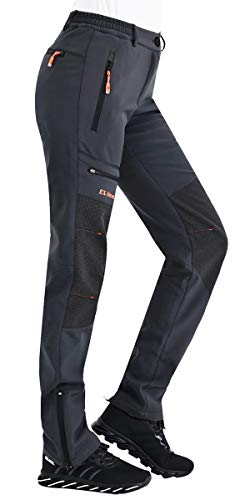
The Cycorld women's convertible hiking pants are lightweight, zip-off trail trousers designed for day hikers, backpackers, and travelers who need flexible coverage across fluctuating temperatures. By incorporating removable lower legs, these pants suit hikers tackling chilly morning trailheads that transition into warm afternoon switchbacks, eliminating the need to carry separate shorts. Their low-profile athletic cut also extends utility to car camping, casual outdoor work, and warm-weather travel where pack space is limited.
Trail mobility relies on the garment's lightweight stretch fabric, which is engineered to support natural stepping, bending, and striding on uneven ground. The manufacturer highlights moisture-wicking breathability, which assists in keeping the skin dry and comfortable during prolonged exertion in warm or humid conditions. When hiking uphill in direct sunlight, converting the trousers into shorts offers immediate lower-leg ventilation to reduce heat accumulation.
Construction details emphasize utility through five deep storage pockets, giving hikers dedicated compartments for a phone, trail map, pocket knife, or snacks without cluttering pack access. The convertible design allows for multiple styling configurations, though the circumferential thigh zippers introduce a mechanical seam that some hikers may notice against the skin during repetitive high-stepping movements. While the fabric is designed to be lightweight and quick drying, the supplied product data does not specify exact synthetic fiber ratios or ripstop weave details.
Waist fit is managed via an integrated adjustable waistband, allowing wearers to customize tension around the hips to prevent slipping while carrying gear. The listed product represents size Large in black, but exact rise, seat, and inseam dimensions are not detailed in the manufacturer specifications. The streamlined waistband profile helps reduce pressure points beneath a loaded backpack hip belt, and the lightweight material compresses easily into a daypack or carry-on bag.
A realistic consideration with any convertible pant is the presence of leg zippers, which inherently add minor rigidity around the lower thigh compared to uninterrupted fabric. Additionally, without documented waterproof coatings or windproof laminates, these bottoms provide minimal defense against steady downpours or freezing alpine gusts. Hikers tackling overgrown trails should also consider that ultralight fabrics can be susceptible to snags from sharp briars and coarse rock surfaces.
For hikers seeking an affordable, adaptable warm-weather pant for state parks, summer trekking, and general outdoor recreation, the Cycorld convertible pants provide reliable utility. The combination of quick-drying stretch fabric, five spacious pockets, and an adjustable waist creates practical value for variable climate days. Hikers preparing for sustained wet conditions or rough off-trail scrambling, however, should complement them with dedicated waterproof shells or heavy-duty reinforced trousers.
The zip-off construction enables wearers to transition quickly between full-length trousers and trail shorts as temperatures rise during the day. This adaptable configuration reduces the overall weight of a hiker's pack by consolidating two essential trail garments into one. The integrated thigh zippers are designed for straightforward conversion at rest stops, though hikers should consider the mechanical zipper seams against the leg during high-cadence walking.
Equipped with five deep pockets, these pants offer dedicated carrying capacity for essential gear such as smartphones, GPS units, snacks, and keys. The structured pocket depth helps keep items secure during movement rather than shifting loosely against the hips. While the storage layout accommodates daily trail accessories, heavier items should be distributed evenly to avoid sagging during steep ascents.
Understanding Hiking Pants Capabilities, Signal Transmission, and Trail Protection
Hiking trousers cannot connect through thick walls, communicate with wireless networks, or transmit electronic signals of any kind. Standard outdoor garments are manufactured without integrated electrical circuitry, transceivers, or network transmitters. Confusion around this topic typically stems from misunderstood gear searches, smart apparel mix-ups, or issues encountered while carrying electronic navigation tools inside garment pockets. Addressing the physical reality of fabric construction clarifies what technical outdoor bottoms actually accomplish in rugged trail conditions.
Garments built for outdoor recreation focus on human biomechanics, temperature regulation, and barrier protection against brush and rock. The fabrics used in models from brands like Jessie Kidden, Gash Hao, and Cycorld utilize synthetic polymers to deflect water and block ultraviolet rays. These materials do not create electromagnetic fields, nor do they establish data links across structural barriers. Hikers evaluating these garments can focus their attention on physical durability, pocket placement, and mobility rather than non-existent digital features.
Clarifying the Query: Wireless Connectivity Versus Physical Garments
Modern consumers encounter wireless connectivity in countless household and outdoor tools, which occasionally leads to confusion about everyday wearable textiles. Querying whether can a hiking pants connect through thick walls represents a fundamental category mismatch between radio frequency engineering and technical apparel manufacturing. Standard trail trousers contain nylon, polyester, and elastane fibers designed entirely to protect legs against scrapes, cold drafts, and sunshine. There are no built-in antennas, battery-powered processors, or Bluetooth modules embedded inside traditional hiking weaves.
Search engines occasionally merge separate consumer inquiries regarding wireless wall penetration and durable outdoor workwear into unexpected search strings. Someone researching smart home sensors alongside rugged field cargo pants might accidentally create hybrid search terms. Similarly, hunters and backcountry explorers using radio equipment might wonder if fabric pockets disrupt communication through structural obstacles. Establishing that the trousers themselves have no active connectivity resolves the technical side of the query immediately.
Hikers should treat their hiking bottoms as passive environmental armor designed for physical performance. The primary role of quality trail bottoms involves managing moisture, preventing chafing, and bending naturally with high knee steps. Exploring specialized convertible trail apparel setups demonstrates how modular designs prioritize physical ventilation over digital connectivity. Recognizing these physical boundaries ensures that hikers allocate their gear budget toward proven material benefits like four-way stretch and ripstop reinforcement.
Carrying Handheld Electronics and Signal Loss Around Solid Obstacles
Handheld radios, satellite communicators, and smartphones often experience severe signal attenuation when operating behind thick masonry or rock barriers. Carrying these communication devices inside cargo pockets does not cause signal failure, as lightweight synthetic fabrics allow radio waves to pass through unhindered. Concrete structures, reinforced cinder blocks, and dense granite canyon walls absorb high-frequency radio waves and cause dropped connections. Hikers often discover that their electronic devices disconnect when entering stone backcountry shelters or narrow slot canyons.
Radio frequency signals travel poorly through high-density building materials containing moisture, steel rebar, and compressed stone. A smartphone placed inside the thigh pocket of cargo trousers will struggle to acquire satellite positioning or cellular service when enclosed by heavy walls. The limitation originates from the dense physical architecture surrounding the hiker, not the nylon weave holding the device. Removing the phone from the pocket will not restore connectivity if thick concrete or rock remains in the line of sight.
Proper field communication requires positioning antennas with clear sightlines toward open sky or cellular towers. Outdoor recreationists relying on two-way radios should clip transceivers high on their shoulder straps rather than keeping them enclosed inside deep waist pockets. Stashing sensitive navigation tools in zippered pants pockets provides excellent drop protection while hiking along exposed routes. Recognizing how structural walls block electromagnetic waves prevents outdoors enthusiasts from wrongly blaming their clothing for dropped signals.
Navigating Physical Trail Barriers: Brush, Rock Scrambles, and Stone Obstacles
Backcountry trails frequently confront hikers with natural physical barriers like thorny thickets, dense brush, and sheer rock scrambles. These challenging trail conditions require durable pant construction that resists fraying when scraping against rough stone ledges. A dependable pair of trail trousers acts as an abrasive shield, preventing thorns and jagged surfaces from piercing the skin. Garment resilience depends heavily on the tensile strength of the woven fibers and seam construction.
Dense mountain laurel, blackberry briars, and low scrub oak snag lightweight fabrics and tear weak stitching along side seams. Hiking pants built with tightly woven nylon withstand abrasive encounters much better than standard cotton denim or fragile athletic knit tights. The tight yarn pattern prevents thorny stems from penetrating the weave and scratching the wearer during off-trail exploration. Reinforced knee panels and abrasion-resistant face fabrics ensure the garment survives repeated contact with rough granite.
Scrambling over rocky terrain demands exceptional fabric elasticity so strides remain fluid without risking fabric blowouts. Pairing tough outer textiles with flexible styling allows outdoor enthusiasts to navigate steep boulder fields with total confidence. Hikers moving between open meadows and dense forest corridors appreciate trousers that resist snagging while offering ample breathing room. Selecting garments with reliable surface protection ensures that physical trail obstacles never halt outdoor adventures prematurely.
Fabric Composition and Mobility: The Role of Nylon and Spandex Blends
Synthetic fabric blends dominate the technical hiking apparel market due to their superior strength-to-weight ratios and dynamic elasticity. Manufacturers commonly combine high-denier nylon with flexible spandex or elastane filaments to achieve optimal balance. For instance, the Gash Hao outdoor convertible trousers utilize a blend featuring 90 percent nylon and 10 percent spandex for flexible trail movement. This specific combination provides the high tear resistance of synthetic nylon alongside the supple recovery of elastane.
Four-way stretch weaves allow fabric to expand horizontally and vertically during lunges, high steps, and steep ascents. The Jessie Kidden convertible hiking pants incorporate four-way stretch nylon that prevents fabric tension across the quadriceps during strenuous climbs. Adding a specialized triangular crotch gusset redistributes stress away from vulnerable central seams, preventing embarrassing blowouts during deep knee bends. Flexible textiles reduce fatigue by eliminating the subtle resistance found in stiff, unyielding outdoor work trousers.
Garment longevity also benefits from the intrinsic abrasion tolerance found within modern synthetic yarns. Synthetic fibers resist friction caused by repetitive pack strap rubbing, waist belt pressure, and brush contact. Hikers looking for versatile layering options often consider transitioning to versatile outdoor active shorts when high trail heat demands ultimate leg freedom. Evaluating fiber ratios allows prospective buyers to choose garments that deliver both mechanical toughness and unrestricted movement.
Weather Resistance and Moisture Management in Demanding Climates
Unpredictable mountain weather requires apparel capable of handling sudden rain showers, damp morning fog, and scorching afternoon sun. Technical trail pants frequently incorporate specialized surface treatments designed to shed light rainfall before droplets soak inward. Product specifications for the Gash Hao trousers highlight an 8000mm outdoor waterproof rating with water-repellent surface treatments. This degree of moisture defense keeps hikers dry during short showers while allowing the fabric to dry quickly in breezy open areas.
Internal moisture management remains equally critical when hiking uphill under heavy backpack loads. Hydrophobic synthetic fibers draw body sweat away from the skin surface, transferring vapor outward where it can evaporate cleanly into ambient air. The Jessie Kidden pants feature advanced moisture-wicking technology designed to keep skin cool and dry through intense exertion. Rapid drying speeds prevent the chilling clamminess that often occurs when hikers stop moving after strenuous climbing.
Sun protection represents another crucial line of defense when trekking across exposed ridgelines without tree canopy coverage. Both Jessie Kidden and Gash Hao integrate UPF 50 sun protection directly into their woven fabrics to shield skin from damaging ultraviolet rays. Tightly woven synthetic yarns physically block harmful radiation far more effectively than thin casual cotton knits. Reliable weather-resistant construction ensures outdoor enthusiasts remain comfortable regardless of whether they face damp drizzle or blazing alpine sunshine.
Pocket Architecture for Securing Tools, Navigation Gear, and Personal Items
Thoughtful pocket design transforms simple trail trousers into highly functional platforms for carrying essential field tools. Hikers routinely carry compasses, paper maps, folding knives, smartphones, and energy snacks that require swift access during travel. The Jessie Kidden pants feature multi-pocket styling with hook-and-loop closures across two slant pockets, two thigh pockets, and two rear pockets. Secure pocket closures prevent vital gear from tumbling out onto the trail while scrambling over steep boulders.
Storage capacity must balance internal pocket volume against overall walking ergonomics so loaded pockets do not bounce against the knees. The Gash Hao trousers incorporate six distinct pockets engineered to hold mobile phones, small trail tools, and identification without restricting joint articulation. Placing larger cargo compartments flat against the outer thigh reduces leg friction during brisk strides. Flat-profile pockets also keep gear from catching on external brush branches during off-trail navigation.
Women’s technical apparel designs also emphasize secure storage without adding unnecessary visual bulk across the hips. The Cycorld women’s convertible hiking pants offer five deep utility pockets built to keep trail essentials close at hand throughout the day. Deep front pockets prevent handheld devices from sliding upward when hikers sit down to rest at camp. Selecting trousers with smart pocket architecture ensures navigation tools remain safe and instantly accessible across long distances.
Convertible Zip-Off Versatility for Multi-Season Trail Comfort
Thermal adaptation presents a constant challenge during full-day expeditions that begin in cool morning shadows and end in afternoon heat. Convertible hiking pants resolve temperature swings by incorporating horizontal perimeter zippers above the knees. Both the Jessie Kidden and Gash Hao convertible models allow wearers to quickly detach lower leg sections, converting full-length trousers into shorts. This convertible capability reduces overall pack weight by eliminating the need to carry duplicate clothing layers on multi-day backpacking treks.
Concealed knee zippers must feature smooth protective fabric flaps to prevent direct metal contact against sensitive skin. Without protective zipper garages, horizontal hardware can rub against the kneecap and cause severe friction burns over repeated trail miles. Quality designs ensure zip-off mechanisms operate smoothly without snagging delicate synthetic linings. Furthermore, keeping lower pant legs zipped on during early morning starts guards against morning dew, low-hanging briars, and biting insects.
Versatility extends into styling options offered by brands designing specifically for female hikers. The Cycorld convertible pants feature three distinct ways to wear the garment, providing relaxed flexibility for both hiking and casual travel wear. Converting long pants into ventilated shorts takes only seconds, allowing hikers to regulate body temperature without stopping to unpack separate gear. Modular convertible garments remain practical investments for backcountry enthusiasts seeking adaptable year-round performance.
Waistband Fit, Articulation, and Ergonomic Trail Movement
Waistband construction determines whether a pair of trail trousers remains comfortable underneath the heavy padded hip belt of an expedition backpack. Stiff, bulky waistbands pinch nerve pathways and cause painful pressure points when compressed by 40-pound backpack loads. The Jessie Kidden trousers incorporate a partial elastic waistband designed to accommodate shifting waist dimensions across long hiking days. Side elastic inserts provide continuous holding tension while yielding naturally whenever hikers bend forward to climb steep switchbacks.
Similarly, the Gash Hao hiking pants feature a side-elastic waist paired with a relaxed fit leg profile to maintain all-day ease of movement. Relaxed cuts provide adequate breathing room around the thighs, preventing fabric cling when sweat accumulates during hot summer treks. The Cycorld women’s model features an adjustable waist setup engineered to customize fit and define waist shape securely. Adjustable waistband systems reduce reliance on external webbed belts that can bunch awkwardly beneath technical climbing harnesses.
Articulated knee seams work in tandem with flexible waistbands to support natural leg extension without pulling the hem upward. Three-dimensional patterning around the knee joints allows trousers to mirror anatomical movement rather than fighting against leg strides. Straight-leg openings also seat cleanly over the ankle collars of mid-cut hiking boots without dragging through mud puddles. Investing in ergonomically cut trousers ensures comfortable, unrestricted trail progress from trailhead to summit.
Practical Takeaways for Trail Navigation and Gear Selection
Outdoor apparel decisions should rest entirely on verifiable physical performance factors rather than theoretical technical misconceptions. Fabric construction does not transmit or receive wireless signals through thick walls or open air. Instead, high-performance trousers provide mechanical defense against rough brush, biting insects, harsh ultraviolet rays, and sudden weather shifts. Hikers carrying electronic communication tools must account for structural wall interference independently from their chosen clothing layers.
Prioritizing four-way stretch nylon blends, robust pocket closures, and convertible leg features ensures optimal trail comfort across varied terrain. Garments featuring elasticized waistbands, articulated knee tailoring, and water-repellent surface finishes deliver dependable reliability across challenging wilderness routes. Evaluating clothing options based on seam construction, storage security, and weather defense enables hikers to conquer rugged environments with absolute confidence.


Write Your Review
No reviews yet. Be the first to share your experience!