


Scrambling over granite boulders, pushing through briars, and trekking through humid afternoons quickly show why standard denim or cotton sweatpants fail outdoors. Outdoor apparel must dry rapidly, resist sudden tears, and stretch across technical terrain without clinging to sweaty skin. Hikers often stop to ask what are hiking pants made of when looking to eliminate painful chafing and restrictive movement on steep switchbacks. Exploring dedicated lightweight trail bottoms can reveal how modern textile engineers optimize weave patterns for demanding backcountry adventures.
Most trail trousers combine durable nylon or moisture-shedding polyester with elastic filaments to deliver uninhibited stride clearance. Specialty coatings and dense ripstop textures add resistance against light rain showers and sharp branches without adding unnecessary bulk to your pack. Whether you face scorching desert heat or damp alpine breezes, understanding core fabric compositions helps you match the proper weave to your specific trail conditions. Choosing the right textile balance ensures dependable gear performance across long miles while keeping garment care simple.

Pros
- 4-way stretch fabric and reinforced seams allow free movement on rugged, steep trails
- Seven generous pockets include three zippered compartments to keep phones, wallets, and keys secure
- UPF 50+ sun rating and roll-up 7/8 cuffs provide adaptable comfort in hot, sunny conditions
- Water-resistant treatment effectively sheds light moisture and trail splashes while drying quickly
Cons
- Listed sizing is fixed at 36W x 31L, offering no built-in inseam or waist variation for different body types
- Water-resistant fabric handles light mist and splashes but will not replace seam-sealed waterproof rain pants during steady downpours
- Lightweight fabric design is built for trail mobility rather than abrasive off-trail bushwhacking through dense thorns
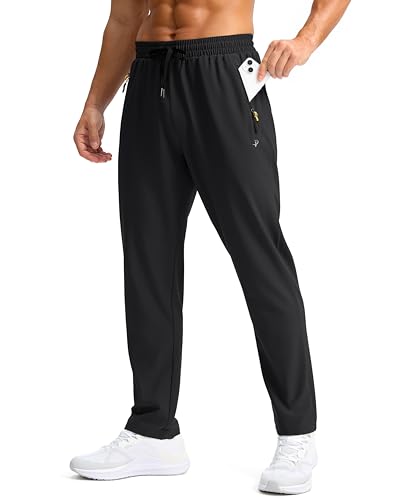
The Cycorld Men's Lightweight Hiking Pants in Caramel Khaki (size 36W x 31L) are designed for day hikers, weekend backpackers, campers, and outdoor travelers who need flexible, quick-drying legwear. Built with a 4-way stretch fabric and reinforced stitching, these pants support active movement without binding when squatting, striding over blowdowns, or climbing steep switchbacks. Their lightweight nature makes them especially useful for hikers who want unrestricted leg articulation on warm, active outings.
Trail temperature management is handled through quick-drying, breathable material that promotes air circulation during strenuous ascents. When afternoon temperatures rise or trail conditions become humid, the roll-up cuff design allows the lower legs to be fastened at a 7/8 length. This feature gives hikers the ventilation of a cropped pant without having to change clothes at the trailhead or along the path.
For trail organization, these pants feature an extensive seven-pocket arrangement. Two side hand pockets and two cargo pockets provide easy access to frequently used gear, while two zippered back pockets and a dedicated zippered phone pocket ensure small valuables remain protected against accidental loss. The pockets are positioned to remain functional even when walking with trekking poles or wearing a lightweight daypack.
In terms of weather performance and material construction, the fabric provides a UPF 50+ rating to block harmful UV rays on exposed ridge walks. A water-resistant finish helps light rain droplets and stream splashes bead off rather than immediately soaking in. The fabric is also wrinkle-resistant and holds its shape through standard machine wash cycles, making it convenient to pack down into a gear duffel or travel backpack.
Hikers should keep environmental and sizing boundaries in mind before taking these pants into severe conditions. While the fabric resists light moisture, it is water-resistant rather than fully waterproof, meaning prolonged exposure to steady rain will require dedicated rain shells. Furthermore, because these pants feature a fixed 36W x 31L sizing cut, prospective buyers should verify that these dimensions align with their standard measurements to ensure a secure and comfortable trail fit.
Overall, these Cycorld pants deliver dependable utility for day hikers, backpackers, and travelers seeking dependable breathability, versatile ventilation, and ample secure pocket space. For outdoor enthusiasts who wear size 36W x 31L and prioritize lightweight stretch mobility in warm or variable conditions, they represent a practical, trail-ready apparel choice.
These hiking pants are cut to a 36-inch waist and a 31-inch inseam. The inclusion of 4-way stretch material allows the fabric to flex naturally along the hips, thighs, and knees during high-stepping maneuvers on rocky trails.
Hikers should confirm their personal waist and leg measurements before selecting this size to ensure proper alignment. Built-in cuff fasteners permit rolling the legs up to a 7/8 length, providing quick adjustment for varying leg clearance and airflow.
The seven-pocket configuration provides dedicated storage for small trail necessities. Two standard front pockets accommodate quick-grab items, while two cargo pockets provide deeper capacity for maps, snacks, or small field notebooks.
Security is enhanced with two zippered back pockets and a zippered phone pocket. These zippered compartments help prevent mobile devices, permits, and keys from shifting out of place during strenuous scrambles or long hiking strides.
The pants utilize a lightweight, quick-dry fabric blend enhanced with reinforced stitching to handle regular trail use, walking, and outdoor chores. The material incorporates UPF 50+ sun protection to reduce ultraviolet penetration during extended sun exposure.
A water-resistant coating sheds light mist and small splashes, drying rapidly to keep the wearer comfortable. The wrinkle-resistant build holds up well to regular machine laundering, simplifying pack-and-go maintenance for multi-day road trips and hikes.

Pros
- Six-pocket layout with zippered cargo pockets keeps trail gear organized and securely enclosed.
- High-stretch blend (35% elastane) and ergonomic patterning offer unhindered range of motion on uneven paths.
- Reinforced knees and crotch resist brush snags and wear in high-stress zones.
- Water-repellent coating sheds light moisture and splashes while maintaining fabric breathability.
Cons
- Does not include a belt, requiring you to supply your own compatible outdoor belt.
- Treated water repellency may not substitute for dedicated heavy-duty rain pants in sustained downpours.
- Listed in Medium size and Khaki color, which may limit options if you require extended sizing variations.
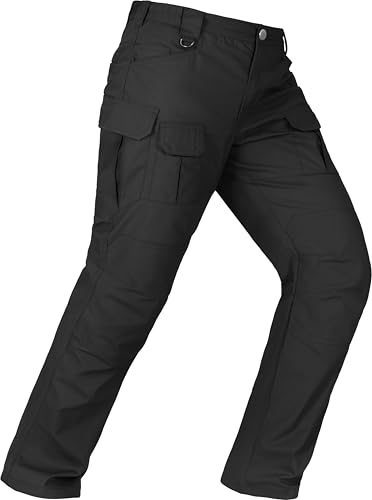
The PIDO YOGA Men's Stretch Tactical Pants are lightweight, multi-pocket outdoor cargo pants designed for day hikers, trail workers, campers, and outdoor enthusiasts who prioritize flexible mobility and handy pocket organization. Engineered for active movement in rugged settings, these pants bridge the gap between durable workwear and trail apparel, giving hikers an accessible way to keep everyday trail tools within arm's reach without adding unnecessary bulk.
For trail management and everyday outdoor excursions, pocket layout plays a critical role. These pants feature six functional pockets, highlighted by zippered thigh cargo compartments that prevent loose items from spilling out when climbing over rocks or navigating steep inclines. The pockets offer quick access to pocket maps, folding knives, keys, or smartphones, reducing how often you need to stop and take off your hiking daypack just to retrieve small trail necessities.
Construction quality relies on a blend of 65 percent polyester and 35 percent elastane, delivering a high level of elasticity paired with ripstop tear resistance. PIDO YOGA incorporates reinforced stitching and extra material at high-stress wear zones, specifically the knees and crotch, which helps guard against abrasion from trail brush, thorns, and kneeling on rough ground. The fabric treatment provides liquid and rain repellency to shed mist and unexpected splashes while maintaining sufficient airflow for active use.
In terms of fit and day-to-day handling, the ergonomic cut works alongside the stretch fabric to prevent binding around the thighs and hips during deep lunges or uphill scrambles. Because these pants are sold without an included belt, you will want to pair them with a supportive hiking or webbed utility belt through the standard belt loops. Maintenance is straightforward, as the synthetic polyester-elastane fabric washes easily and dries rapidly, making it convenient to pack for multi-day road trips or weekend camping outings.
Realistic limitations should be kept in mind before hitting wet or technical trails. While the fabric is treated with waterproof technology to repel splashes, rain, and light drizzle, it is not a fully seam-sealed hardshell, meaning extended exposure to torrential rain will eventually overwhelm the coating. Additionally, the lack of an included belt means you must provide your own waist adjustment system to manage loaded pockets, and sizing is specific to the listed Medium cut.
Based on product specifications and listed features, these PIDO YOGA tactical pants represent a dependable, wallet-friendly choice for hikers who value freedom of movement and built-in pocket utility. If you are looking for comfortable, stretch-enabled cargo pants that handle trail brush, light moisture, and trailside organization without weighing you down, this pair is a sensible addition to your outdoor hiking wardrobe.
These pants feature six functional storage pockets placed strategically for quick access on the move. The standout thigh cargo compartments include secure zipper closures that keep your phone, compass, wallet, or pocket knife locked in place during high-mobility movements. With multiple utility pockets distributed across the hips and thighs, hikers can distribute their essential small items evenly rather than overburdening a single pocket or relying exclusively on a daypack.
Constructed with a 65 percent polyester and 35 percent elastane blend, the ripstop fabric balances tensile durability with extensive four-way flex. Key high-friction zones such as the knees and crotch receive reinforced construction to resist branch snags, abrasions, and seam blowout during strenuous outdoor activity. An applied surface treatment repels water and light liquids while allowing the synthetic weave to breathe during warmer day hikes.

Pros
- Labeled left and right leg zippers make reattaching the zip-off sections fast and straightforward.
- Four-way stretch fabric paired with double-layer knees provides a good balance of mobility and knee protection.
- Five secure pockets, including a flat-profile zippered rear security pocket for valuable trail essentials.
- Adjustable cuff toggles allow hikers to seal out dirt or customize ventilation around various hiking boots.
Cons
- The water-resistant coating is designed for light rain and splashes, not for sustained downpours.
- Specific synthetic fiber blend percentages are not detailed in the manufacturer specifications.
- The horizontal thigh zipper band can feel slightly rigid against bare skin when worn as shorts.
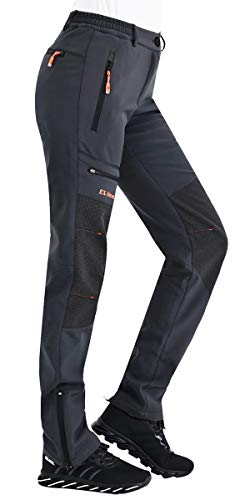
The Moosehill Men's Convertible Hiking Pants are designed as versatile, quick-drying trail bottoms intended for hikers, backpackers, and outdoor travelers who need all-day temperature adaptability. Operating as both full-length trousers and trail shorts, these pants cater directly to hikers facing unpredictable weather shifts, chilly morning trailheads, and warmer afternoon ascents. With a listed garment weight of 0.91 pounds, this pair offers a functional balance of lightweight packability and practical coverage for day hikes, national park excursions, and weekend camping trips.
On active trails, stride freedom and temperature management dictate comfort, and the Moosehill pants address both through four-way stretch fabric and a quick-converting zip-off system. The four-way stretch construction assists with climbing mobility, allowing hikers to step over fallen logs, ascend steep switchbacks, and maneuver across rocky scrambles without restrictive fabric tension. If midday temperatures rise, the lower leg sections zip off quickly, assisted by labeled left and right zippers that eliminate reattachment confusion. The fabric is described by the manufacturer as quick-drying with a water-resistant coating, which helps shed morning dew and light spray, though it does not replace a dedicated waterproof rain shell during steady storms.
Construction details emphasize trail durability in critical high-wear areas, most notably through reinforced double-layer knees that offer added resistance against abrasion when kneeling on gravel or setting up camp. The waist is engineered with an elastic band, a snap and zipper closure, and reinforced belt loops, accommodating standard hiking belts when carrying heavier belt-mounted gear. Hem toggles at the leg openings give hikers the ability to cinch the cuffs tightly over hiking boots to help block out loose trail debris, or loosen the hem for increased ventilation during hot, dry trekking.
Storage is distributed across five dedicated pockets, providing organized space for essential gear without demanding an external pack pocket for every small item. The layout features two standard front hand pockets, two side storage pockets, and a single zippered rear security pocket designed to sit flat against the body, holding items up to a 6.5-inch smartphone securely against trail movement or casual travel transit. In practical handling, the flat-sitting rear pocket and streamlined waistband help reduce pressure points when worn under a backpacking hip belt, though users should ensure heavy pocket items do not rub against the hip-belt padding.
Prospective buyers should evaluate a few realistic limitations before purchasing. While the manufacturer highlights a water-resistant coating, this treatment is only suitable for light mist or brief splashes and will saturate under sustained rainfall, meaning wet-weather hikers will still require dedicated rain pants. Additionally, the product specifications list this specific offering in 36W by 32L without providing precise fiber percentages for the synthetic stretch weave, leaving exact fabric density open to user interpretation. As with most convertible pants, some hikers may also feel the circumference of the thigh zippers when converted into shorts, especially during repetitive high-stepping movements.
For hikers, campers, and travel enthusiasts looking for an adaptable, budget-conscious pair of convertible pants, the Moosehill Men's Convertible Pants present strong utility. The combination of double-layer knees, labeled zip-off hardware, five-pocket utility, and flexible stretch fabric makes them a solid choice for multi-climate day hikes and minimalist packing lists. Buyers needing guaranteed stormproofing or technical mountaineering durability should look toward specialized hardshell or heavy softshell alternatives, but for moderate three-season hiking, this pair delivers reliable versatility.
The standout feature of the Moosehill Men's Hiking Pants is the instant zip-off capability, allowing rapid conversion from full pants into trail shorts. Labeled left and right zippers help eliminate guesswork when reattaching the lower leg panels during sudden weather shifts or evening cool-downs.
The snag-free zipper design ensures fluid adjustments along the trail. While zip-off mechanisms add convenience, hikers should note that the horizontal thigh zipper tracks can feel slightly structured against bare skin when worn in shorts mode.
This specific listing features a 36-inch waist with a 32-inch inseam, tailored with an elastic waistband and reinforced belt loops to provide a secure, adaptable fit. The integrated elastic allows for moderate waist expansion during extended days on the trail or when layering over lightweight baselayers.
Adjustable hem toggles at the cuffs permit fine-tuning around various footwear, from low-profile trail runners to mid-cut hiking boots. Hikers should verify their exact waist and inseam dimensions against the manufacturer sizing chart, as body shape and thigh circumference can influence comfort around the convertible zipper rings.
The pants feature a five-pocket configuration designed for functional trail organization. The layout includes two front hand pockets, two side storage pockets, and one zippered rear pocket engineered to hold smartphones up to 6.5 inches.
The rear pocket is built to lie flat against the seat, minimizing bulk and keeping valuables discreetly secure during both transit and backcountry hiking. Distributing heavier items across the side pockets helps maintain balance and minimizes interference with a backpack hip belt.
Technical Materials and Construction in Modern Hiking Pants
Modern hiking pants are primarily constructed from specialized synthetic fibers, most notably nylon, polyester, and elastane blends, engineered to deliver exceptional moisture management, rapid drying times, and abrasion resistance. Unlike natural fibers such as cotton that trap moisture and cause severe skin chafing, technical synthetics actively pull perspiration away from your body while shedding trail dust and light rain. Textile manufacturers weave these base polymers into dense ripstop patterns and apply specialized water-repellent or sun-protective treatments to handle rugged mountain environments. Understanding the composition of these technical textiles allows hikers to choose apparel that withstands abrasive rock and dense brush without restricting stride clearance.
Core Synthetic Fibers: Nylon Versus Polyester
Nylon serves as the premier base fiber for rugged trail pants due to its exceptional tensile strength and superior resistance to abrasion. When you brush against coarse granite or push through dense brush, nylon filaments resist fraying far better than conventional garment fibers. Nylon also absorbs slightly more moisture than polyester, giving it a softer, more pliable hand feel against bare skin during long trail days. However, dense nylon weaves can take slightly longer to dry when completely soaked, making fabric thickness a key factor to evaluate for wet climates.
Polyester offers outstanding hydrophobic performance, absorbing virtually no liquid water within its core molecular structure. This near-zero absorption rate allows polyester hiking pants to dry rapidly after creek crossings or sudden mountain downpours. In warm, humid environments, polyester excels at moving perspiration vapors outward through capillary action to keep your legs comfortable. Polyester also provides natural ultraviolet resistance and holds dye exceptionally well over years of intense solar exposure, though it can retain body odors more readily than untreated nylon.
The Role of Elastane and Spandex in Trail Mobility
Pure woven nylon or polyester fabrics lack natural stretch, which can restrict knee flexion when stepping over fallen timber or scrambling up steep rocky slopes. To solve this limitation, textile mills integrate elastane, commonly known as spandex, into the weave to enable fluid athletic movement. Adding two to ten percent elastane yields flexible movement that works harmoniously with your natural walking gait. Some specialized garments, including tactical trail designs, incorporate substantial elastane fractions such as thirty-five percent to deliver extreme multidirectional flexibility during demanding outdoor tasks.
Two-way stretch fabrics provide expansion along a single axis, typically across the horizontal width of the legs, to accommodate thigh expansion while ascending hills. In contrast, four-way stretch textiles expand both horizontally and vertically, allowing complete freedom when crouching, bending, or taking high steps on technical trails. Four-way stretch reduces tension on vulnerable seams and prevents the waistband from sliding downward during dynamic ascents. However, high elastane percentages absorb slightly more moisture and add minor weight, meaning hikers should balance their need for stretch against drying speed.
Ripstop Weaves and Structural Reinforcement Techniques
Ripstop is not a distinct raw material, but rather a specialized weaving technique where thicker reinforcement yarns are interwoven at regular cross-hatch intervals. This characteristic square grid pattern prevents minor snags or punctures from spreading into catastrophic tears when brushing against sharp branches or jagged rocks. If a puncture occurs on the trail, the tear halts at the nearest reinforced grid line, preserving garment integrity until you return home. Backpackers frequently favor ripstop construction because it maximizes tear resistance without adding excessive fabric weight to their packs.
High-friction contact areas on hiking trousers frequently demand supplemental structural reinforcement beyond the baseline fabric weave. Garments often incorporate double-layered knee panels, reinforced crotch gussets, and heavy-duty seat overlays to withstand friction from kneeling on gravel or sitting on rough stone. Hikers exploring demanding routes often examine supportive trail trousers to observe how specialized paneling and anatomical seam placement relieve joint tension across varied elevations. A diamond-shaped crotch gusset distributes mechanical stress across multiple angles, preventing seam blowout during deep steps.
Water Repellency, Waterproof Membranes, and Weather Finishes
Most standard trail trousers feature a chemical surface treatment known as Durable Water Repellent, commonly abbreviated as DWR, applied to the exterior face fabric. This microscopic coating increases the surface tension of the synthetic threads, causing incoming rain drops and morning dew to bead up and roll off cleanly. DWR finishes allow the base fabric to remain exceptionally breathable because they do not clog the microscopic spaces between woven yarns. However, DWR coatings are water-resistant rather than truly waterproof, meaning sustained downpours or heavy pressure will eventually push water through the weave.
True waterproof hiking bottoms utilize a laminated microporous membrane positioned behind a protective outer textile. These specialized membranes feature billions of microscopic pores per square inch, small enough to block liquid rain droplets while letting escaping moisture vapor pass outward. Evaluating various trail mobility apparel options illustrates how lightweight repellent textiles provide sufficient weather defense for high-output hiking without the clammy internal condensation of hard rain shells. Repellent treatments also shed trail dust, mud splashes, and minor liquid spills, keeping garments cleaner across extended journeys.
Sun Protection and Ultraviolet Barrier Weaves
Ultraviolet Protection Factor ratings measure how effectively a garment shields your skin from damaging UVA and UVB solar radiation. Hiking pants with a UPF 50+ rating allow only one-fiftieth of available ultraviolet rays to pass through, blocking approximately ninety-eight percent of incoming radiation. Unlike liquid sunscreens that wash away with heavy sweat, sun-protective fabrics provide continuous, non-greasy defense during long sun-exposed treks through open meadows or desert valleys. This built-in sun defense proves invaluable for backcountry travelers spending full days above tree line where solar intensity increases significantly.
Achieving a high UPF rating relies heavily on fiber chemistry, fabric density, and yarn structure rather than chemical sunscreens. Synthetic polymers such as polyester naturally disrupt ultraviolet light penetration far better than untreated natural cotton fibers. Weaving these threads into tight, compact structures physically closes the gaps where direct sunlight could otherwise strike exposed skin. Darker colors and denser weaves naturally provide enhanced protection, though advanced manufacturing now allows lightweight, light-colored fabrics to achieve maximum UPF ratings without trapping uncomfortable amounts of summer heat.
Convertible and Modular Design Mechanics
Convertible hiking pants feature horizontal zippers positioned above the knees, enabling users to detach the lower legs and transform trousers into walking shorts within moments. This modular construction offers outstanding versatility for alpine day hikes that begin in chilly morning shade and transition into blazing afternoon sunshine. To prevent snagging and skin irritation, modern convertible pants often incorporate hidden zipper flaps and color-coded or left-and-right labeled zippers. Carrying one convertible garment reduces overall pack weight by eliminating the need to pack separate pairs of hiking shorts and full-length trousers.
Alternative modular designs use internal fabric tabs and exterior buttons or snap loops to roll up pant cuffs into three-quarter or seven-eighths lengths. This roll-up configuration avoids the added bulk, stiffness, and skin friction that horizontal zipper tracks can occasionally produce against sweaty thighs during long hikes. However, roll-up designs provide slightly less total ventilation on scorching afternoons than fully detached convertible shorts. Inspecting zipper hardware quality and verifying that transition seams do not chafe your knees during deep strides ensures complete satisfaction on long trail days.
Pocket Configurations and Hardware Fasteners
The pocket architecture of trail pants relies on lightweight pocket bags constructed from either breathable mesh or durable solid synthetic weaves. Mesh pocket bags enhance ventilation by doubling as miniature cooling vents when left unzipped during warm mountain ascents. However, mesh can snag on sharp keys or bulky pocket knives, whereas solid polyester or nylon pocket linings offer superior durability against abrasive tools and trail electronics. The placement of cargo and security pockets must balance quick access with comfortable weight distribution across your hips and thighs.
Zippered and low-profile closures keep crucial navigational tools, phones, and vehicle keys safe from tumbling out during rock scrambles. Flat-laying rear and thigh pockets prevent awkward bulging under heavy backpack hip belts, avoiding painful pressure points against your pelvic bones. High-quality outdoor pants utilize corrosion-resistant coil zippers and reinforced snap buttons that hold securely under tension while resisting fine grit or dust infiltration. Examining pocket placement before heading out helps ensure that storage compartments remain completely accessible while wearing a loaded multi-day pack.
Fabric Weight Classes and Seasonal Adaptability
Hiking trousers generally fall into three distinct weight classifications: ultralight, midweight, and heavyweight softshell options. Ultralight pants prioritize open-weave synthetics that weigh very little, packing down into compact bundles for warm-weather trekking and tropical travel. These lightweight textiles allow cooling mountain breezes to pass directly through the fibers, but they offer minimal insulation against freezing winds. They can also wear out faster if exposed to relentless friction against abrasive sandstone or sharp granite outcrops.
Midweight hiking trousers serve as the quintessential three-season solution for most outdoor enthusiasts across spring, summer, and autumn. Utilizing balanced yarn densities, midweight weaves provide ample wind resistance and abrasion protection while maintaining sufficient breathability for uphill ascents. In transitional seasons, these pants pair seamlessly with lightweight thermal base layers to extend comfort into crisp shoulder-season evenings. Their versatility makes them the most practical choice for hikers who want a single pair of dependable trousers for diverse terrain and changing weather.
Heavyweight softshell pants feature dense, tightly woven face fabrics frequently laminated to soft brushed fleece or grid backers for sub-freezing outings. These specialized cold-weather textiles block biting ridge winds and shed driving snow while allowing internal perspiration vapor to vent during strenuous snowshoeing or mountaineering. Softshell fabrics sacrifice packability and warm-weather comfort to provide essential thermal protection and rugged armor against frozen crusts. Matching garment fabric weight to seasonal temperature swings ensures you remain properly protected without suffering from severe overheating.
Laundering, Fiber Degradation, and Long-Term Fabric Care
Maintaining technical hiking trousers requires proper laundering techniques to preserve stretch elasticity and protective surface coatings. Washing synthetic pants in cold or lukewarm water on gentle cycles prevents high heat from breaking down sensitive elastane polymers over time. Harsh household detergents and chemical fabric softeners must be strictly avoided because they leave waxy residues that clog breathable fiber pores and destroy water-beading performance. Simple liquid detergents or dedicated outdoor garment washes clean synthetic fibers thoroughly without compromising their built-in technical properties.
Drying outdoor pants on low tumble heat or hanging them to air dry preserves seam bonding, pocket glues, and zipper tracks. Gentle low heat during drying can actually help reactivate the fluoropolymer bonds in existing DWR surface finishes, restoring water beading after muddy adventures. If water begins soaking directly into the fabric face after extended use, applying an aftermarket wash-in or spray-on repellent restores original shedding capabilities. Following manufacturer care labels carefully ensures that your technical trail apparel maintains its strength, shape, and weather protection across hundreds of trail miles.
Selecting the Right Blend for Your Trail Environment
Selecting the ideal hiking pant material ultimately depends on your target hiking environment, trail difficulty, and seasonal climate patterns. Rugged off-trail bushwhacking, scrambling, and alpine scree routes call for high-denier nylon ripstop weaves with reinforced knees and modest elastane content for durability. Conversely, fast-paced summer day hikes on groomed trails benefit most from ultralight polyester blends featuring broad four-way stretch and generous mesh ventilation. Evaluating how different synthetic fibers interact allows you to assemble an outdoor wardrobe that supports peak mobility, all-day comfort, and dependable trail protection.
Paying close attention to fabric tags and construction details ensures that your gear matches the demands of your favorite backcountry routes. When you know whether your trousers prioritize abrasion resistance, rapid evaporation, or complete weather protection, you can hike with confidence in varying weather conditions. Inspecting the seams, stretch components, and water-repellent qualities of your pants helps you invest in durable trail clothing that delivers lasting comfort across countless miles. Proper fabric selection transforms your outdoor experience by keeping you focused on the scenery rather than uncomfortable clothing.


Write Your Review
No reviews yet. Be the first to share your experience!