


Navigating overgrown paths, sudden elevation changes, and shifting mountain weather demands outdoor apparel that protects without restricting movement. When preparing for backcountry excursions or casual weekend trails, understanding what material for hiking pants offers the ideal balance of breathability, stretch, and abrasion resistance is essential. Traditional casual fabrics quickly absorb sweat and trail mud, leaving hikers vulnerable to uncomfortable friction and sudden chills during rest breaks. Choosing high-performance synthetic fibers ensures that moisture moves away from the skin rapidly while providing the durability needed against rugged brush.
Modern outdoor apparel relies on technical weaves such as nylon, polyester, and elastane blends that adapt to varying trail environments. For those exploring lightweight men’s hiking pants designed for warmer outings, breathable synthetic materials also deliver built-in sun protection and quick evaporation. Exploring how specialized coatings and stretch panels function allows hikers to select the right pants for their exact trail demands. The following models illustrate how modern textile combinations balance trail protection, mobility, and everyday comfort.

Pros
- Teflon fabric coating provides reliable resistance against light rain, trail splash, and everyday stains
- Four-way stretch material and a gusseted crotch enable full freedom of movement on steep trail ascents
- Zippered bellows cargo pockets keep trail essentials securely stowed without excessive bulging
- Reinforced gear attachment points allow secure clipping of lightweight outdoor tools and accessories
Cons
- Does not include a belt, requiring buyers to provide their own hiking or tactical belt for proper waist retention
- Water-resistant Teflon finish sheds light precipitation but is not fully waterproof in prolonged, heavy downpours
- Waist fit depends on standard apparel sizing and personal measurements rather than an integrated adjustment system
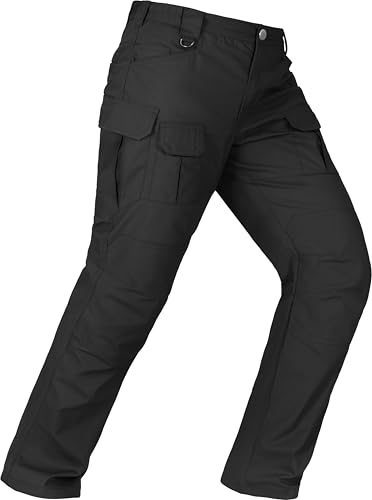
The Boonlight Men's Lightweight Quick-Dry Tactical Pants are outdoor trail trousers built for hikers, backpackers, tactical trainees, and outdoor workers who require dependable mobility and organized gear storage. Designed with a streamlined cut in Dark Grey, these pants cater to users navigating brushy backcountry paths, steep day hikes, or active job sites where standard denim or rigid non-stretch fabrics restrict movement.
On the trail, these pants emphasize motion and climate adaptability through a flexible four-way stretch weave and a gusseted crotch. This construction supports full leg extension when stepping over fallen timber, ascending rock steps, or bending down around camp. The breathable ripstop fabric assists with temperature regulation during high-output treks, while quick-dry moisture-wicking properties help manage perspiration during warm-weather hikes or humid conditions.
Construction focuses on durability and weather defense, utilizing a ripstop weave treated with an exterior Teflon coating. This protective finish allows the fabric to shed light rain showers and resist trail-side mud and stains, though it remains a water-resistant barrier rather than a fully sealed waterproof garment. For utility, the layout includes multiple dedicated pockets, highlighted by zippered bellows cargo pockets that expand for bulkier items while maintaining security, alongside reinforced attachment points designed for small gear accessories.
Daily use and maintenance are straightforward, as the lightweight synthetic material washes easily and dries quickly, which is advantageous for overnight camping trips or multi-day travel. Because these pants are sold without a belt, pairing them with a sturdy hiking or tactical belt is necessary to maintain a secure fit under a loaded backpack hip belt. The streamlined leg profile also reduces fabric flapping and prevents snagging against trailside brush.
While these pants handle variable outdoor environments well, several practical boundaries apply. The Teflon water-resistant finish is meant for light rain and moisture resistance, so hikers should still pack dedicated rain shells during heavy, continuous storms. Additionally, sizing must be matched strictly to personal measurements, as the lack of an included belt means waist retention relies entirely on proper fit and third-party accessories.
For day hikers, weekend backpackers, and outdoor enthusiasts seeking an affordable, pocket-rich option that balances stretch comfort with abrasion-resistant ripstop fabric, the Boonlight Tactical Hiking Pants offer reliable utility. They provide solid everyday performance for anyone needing functional pocket organization and moisture protection on the trail.
The Boonlight Men's Tactical Pants feature a tactical storage layout designed for quick, organized access on the go. Bellows cargo pockets offer expandable room for essentials, while secure zippered closures prevent items from slipping out during strenuous movement. Additionally, reinforced attachment points give hikers and outdoor workers dedicated spots to clip small tools, keys, or accessories securely.
Crafted from lightweight ripstop material, the fabric incorporates a Teflon coating engineered to shed light precipitation and resist dirt stains. The quick-drying composition helps wick moisture away from the skin during high-intensity trail climbs, allowing the garment to dry rapidly after unexpected drizzle or stream crossings. While water-resistant, this fabric is not completely waterproof during prolonged, heavy downpours.
Engineered with active movement in mind, these pants feature four-way stretch fabric and an integrated gusseted crotch. This anatomical design eliminates tension points when bending, kneeling, or scrambling over rugged terrain. As these pants do not come with an included belt, wearing a compatible webbed or hiking belt is recommended to achieve an optimal, slip-free waist fit.

Pros
- Five secure zippered pockets prevent trail gear and smartphones from sliding out on rugged terrain.
- Roll-up leg capability allows quick temperature adjustment on warm afternoons without removing footwear.
- Four-way stretch-woven fabric delivers comfortable mobility for uphill stepping and trail walking.
- UPF 50+ rating provides dependable sun coverage for exposed summer and shoulder-season hikes.
- Elastic waistband delivers relaxed, pinch-free comfort under light daypacks and everyday wear.
Cons
- Product specifications do not list the exact fiber breakdown or durable water repellent (DWR) rating.
- Roll-up knee tabs can feel slightly bulkier around the lower leg than streamlined zip-off convertible systems.
- Lightweight construction is not designed for bushwhacking dense briars or cold-weather winter hiking.
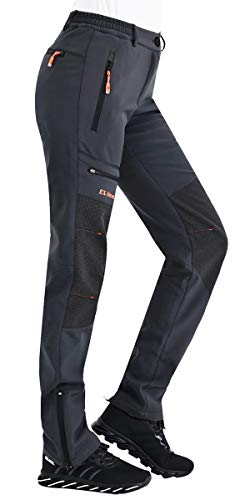
The Toomett Women's Quick Dry Cargo Hiking Pants (Model 6608) are tailored for day hikers, travelers, and outdoor walkers seeking lightweight, sun-protective coverage across three seasons. Built with a stretch-woven fabric and an elastic waistband, these trail pants suit hikers who want dependable ease of movement without the rigid feel of traditional heavy hiking trousers. The roll-up convertible styling adds instant versatility for shifting trail temperatures, making them well-suited for warm spring, summer, and early autumn outings in national parks, state forests, and casual travel settings.
On active trails, the four-way stretch material is designed to promote stride freedom when stepping over trail roots, ascending steep switchbacks, or walking extended miles. The manufacturer lists the fabric as lightweight, breathable, and quick-drying, which aids moisture management when hiking in humid conditions or under direct sun. Built-in UPF 50+ sun protection provides an added layer of defense on unshaded ridgelines and desert paths. When afternoon heat builds, the roll-up feature around the knees lets you convert the pants into capris, increasing airflow to the lower legs without requiring you to remove your hiking footwear.
Storage utility is a primary strength of this model, featuring five individual zippered pockets to secure essential trail gear. The layout includes two front slant pockets, one rear pocket, and two thigh cargo pockets designed to accommodate items like smartphones, compact trail maps, energy snacks, or a compass. Equipping every pocket with a zipper helps ensure that valuable items do not slide out during scrambles or quick trail breaks. While the manufacturer highlights a four-way stretch weave with wrinkle resistance, the product data does not disclose the specific fiber blend percentages, nor does it specify any durable water repellent (DWR) surface treatment for rain defense.
In terms of fit and handling, the elastic waistband provides an adaptable, forgiving hold that rests comfortably under lightweight daypack straps. The listed size Medium Petite caters to hikers who require a shorter length to avoid excess hem bunching at the boots. The lightweight textile compresses down small, allowing it to pack easily into weekend duffel bags or travel carry-ons without stubborn creasing. Routine maintenance is straightforward, though washing with gentle cycles and air-drying is practical to preserve the four-way elasticity and zipper functionality over time.
A few realistic limitations should be noted before purchasing. The product specifications do not establish water resistance or waterproof protection, meaning these pants will absorb moisture during steady rain and should not be treated as wet-weather foul-weather gear. Furthermore, the roll-up cuff mechanism relies on folding the fabric up around the knee, which creates a slight fabric bunch that some users may find less streamlined than fully detachable zip-off legs. Because the material focuses on lightweight breathability, it is not intended for heavy-duty bushwhacking through sharp, dense underbrush or sub-freezing winter hiking without thermal base layers.
For outdoor enthusiasts who prioritize hot-weather ventilation, secure zippered pocket capacity, and relaxed trail mobility, the Toomett Cargo Hiking Pants offer a practical, budget-conscious option. They perform well on maintained trails, campsite afternoons, and active vacations where sun defense and fast capri conversions matter most. While technical alpine routes require heavier-duty construction, these pants deliver an accessible, functional solution for everyday warm-weather hiking.
The Toomett Cargo Hiking Pants provide five separate zippered storage compartments designed to keep essential gear organized and secure on the move. The two front slant pockets offer quick access for small items, while the single zippered rear pocket provides a flat storage option that stays out of the way while walking.
Two thigh cargo pockets offer deeper capacity for bulkier items such as smartphones, trail maps, compasses, or energy bars. Because every pocket uses a zipper closure, hikers can scramble over rocks and negotiate steep descents without worrying about items bouncing loose along the trail.
The convertible roll-up feature allows the Toomett hiking pants to adjust quickly between full-length pants and ventilated trail capris. The lower leg fabric rolls up and secures around the knee area, increasing airflow around the calves on hot climbs without the hassle of unzipping and packing away detached pant legs.
This design eliminates the risk of misplacing loose pant legs during day hikes and allows hikers to adapt to sudden temperature swings without taking off trail running shoes or hiking boots. It serves as a practical middle ground between dedicated shorts and full-length protective trail pants.

Pros
- Built-in stretch and gusseted crotch promote natural range of motion during rugged climbs
- Water-repellent coating and quick-drying synthetic fabric manage moisture effectively on damp trails
- UPF 30 rating offers dependable sun protection for exposed day hikes and summer backpacking
- Reinforced kickplate increases hem durability against boot friction and rough terrain
Cons
- Water-repellent finish resists light moisture but does not replace fully waterproof rain pants
- Sizing on this listing is fixed at 36W x 30L, requiring buyers to verify exact measurements
- Single zip utility pocket limits dedicated secure storage for larger trail accessories
The ATG by Wrangler Men's Cliffside Utility Synthetic Pant is an outdoor trail trouser designed for day hikers, backpackers, and campers who need dependable leg protection without sacrificing mobility. Offered in size 36W x 30L and an earth-toned Morel colorway, this pant combines a regular seat and thigh with a straight leg profile. Hikers navigating overgrown paths, rocky surfaces, or variable weather will find that its synthetic design effectively bridges trail functionality and everyday outdoor utility.
On the trail, freedom of movement is essential when tackling steep switchbacks or rocky scrambles. These pants feature integrated stretch fabric paired with a gusseted crotch, allowing the legs to stride freely and step up without binding at the seams. For warm-weather hikes or high-exposure trails, the UPF 30 rating shields your lower body from prolonged sun exposure, making them a practical choice for summer outings where trail shade is limited.
Managing moisture along wet trails is supported by a fast-drying synthetic construction treated with a water-repellent finish. Light morning dew, muddy splashes, and sudden light drizzles bead up on the exterior rather than saturating the cloth, and the material dries rapidly if wet from an accidental stream dip. To counteract repeated wear against hiking boots and rocky terrain, ATG incorporates a reinforced kickplate at the hem, protecting high-friction cuff zones from premature fraying.
Storage remains streamlined to prevent unnecessary bulk under a backpack hip belt. A dedicated zippered utility pocket provides secure containment for compact gear such as a multi-tool, vehicle keys, or pocket-sized electronics, ensuring items do not slip out while navigating uneven trails. Routine trail maintenance is straightforward, as the synthetic weave washes cleanly, sheds dirt easily, and air-dries quickly between outdoor excursions.
While the water-repellent coating handles damp underbrush and light moisture, it does not provide the complete storm protection of taped, waterproof rain shells in prolonged heavy downpours. In addition, this specific model is tailored to a 36W x 30L fit, meaning prospective buyers should confirm their standard waist and inseam measurements before heading out. Hikers needing extensive compartmentalized storage may also find the single zip pocket limited if carrying multiple large items.
For hikers, campers, and outdoor enthusiasts seeking durable, affordable, and weather-ready lower-body trail wear, the ATG by Wrangler Cliffside Pant offers well-rounded performance. Its combination of active stretch, quick-drying defense, UPF 30 protection, and kickplate reinforcement makes it a reliable staple for day hikes and multi-day trail adventures alike.
Constructed from synthetic fibers, the ATG Cliffside Utility Pant is built to resist routine trail abrasion while maintaining a manageable, lightweight feel. The inclusion of flexible stretch fabric allows the material to flex naturally under tension, reducing strain on major seams during deep lunges and steep ascents.
The lower cuffs feature a specialized reinforced kickplate, strategically placed to withstand continuous rubbing from heavy hiking boot collars, trekking poles, and low trail scrub. This reinforcement helps extend the usable life of the pant cuffs in rugged backcountry environments.
Sun defense on open trails and exposed ridgelines is provided by built-in UPF 30 protection. This barrier reduces ultraviolet light penetration through the fabric during extended daytime hikes, supporting long-term skin protection under direct sun.
Weather management combines quick-drying synthetic fabric with an external water-repellent finish. While not a substitute for waterproof rain gear, this coating effectively sheds light drizzle and morning dew, preventing the fabric from absorbing excess water and speeding up dry times while on the move.
Technical Fabric Selection for Trail Pants: Performance, Durability, and Weather Resistance
The ideal material for technical trail trousers is a high-performance synthetic blend centered on nylon or polyester, combined with a small percentage of elastane or spandex. Nylon provides exceptional abrasion resistance against abrasive rock surfaces and dense brush, while polyester delivers rapid moisture wicking and quick drying. Blending these base synthetics with elastic fibers introduces the multidirectional stretch necessary for steep scrambles, deep knee bends, and long hiking strides. Applying protective surface finishes like durable water repellent coatings further protects hikers from sudden rain showers, wet foliage, and trail dust.
Nylon Versus Polyester: Choosing the Ideal Synthetic Base
Nylon remains the traditional gold standard for demanding backcountry trekking where rugged durability is the primary concern. Because nylon filaments exhibit outstanding tensile strength and resistance to friction, trousers woven from this fiber hold up admirably against scrapes from granite boulders and thorn bushes. Nylon also feels soft and quiet against the skin during movement, which helps prevent distracting rustling and skin chafing over multiday treks. However, standard nylon can absorb slightly more ambient water than other synthetics, which can lead to slightly longer drying times in saturated climates.
Polyester excels on hiking routes where rapid sweat evaporation, persistent heat, and intense sun exposure are the main environmental factors. Because polyester filaments are inherently hydrophobic, they do not absorb moisture into the fiber core, allowing body perspiration to spread across the exterior surface and evaporate quickly. This rapid evaporation helps regulate core body temperature during strenuous ascents and keeps the fabric feeling light against sweaty skin. While standard polyester is slightly less abrasion-resistant than premium nylon, modern tight-weave construction ensures it withstands routine trail contact with ease.
The Necessity of Elastane and Spandex for Trail Mobility
Rigid synthetic fabrics without built-in stretch often bind uncomfortably across the knees and seat during steep inclines or boulder scrambling. Apparel designers resolve this mobility problem by blending between two and ten percent elastane or spandex into the primary synthetic weave. This addition creates a flexible four-way stretch structure that expands and contracts naturally as your lower body moves through uneven terrain. By matching leg movement smoothly, elastic blends eliminate the pulling resistance that can tire leg muscles or cause blowouts along high-stress seams.
Incorporating flexible stretch fabric also allows manufacturers to design pants with a more streamlined active fit that will not flap violently in mountain winds. Hikers navigating technical scrambles or stepping over fallen timber benefit directly from this responsive flexibility. If you are comparing designs that prioritize movement across varied topography, our guide to trail pants for mobile outdoor use highlights how specialized seams optimize lower-body mobility. Pairing stretchy fabrics with an articulated knee pattern ensures effortless motion on technical routes.
Weaves and Structural Reinforcement: Ripstop and Kickplates
The specific weaving technique used in a pair of hiking pants dramatically influences its resistance to tears, punctures, and mechanical wear. Ripstop fabric incorporates thicker reinforcement threads into a visible grid pattern every few millimeters throughout the synthetic base. If a sharp twig, loose scree rock, or metal trekking pole tip punctures the surface, the crosshatch grid stops the tear from traveling further across the garment. This clever construction allows designers to produce exceptionally lightweight trail pants without sacrificing necessary tear resistance on rugged trails.
High-contact zones near the ankles and lower hems require additional reinforcement to endure continuous trail friction. Many technical utility designs incorporate reinforced kickplates made from high-denier synthetic canvas along the inner cuffs and hem borders. These heavy-duty patches prevent boot hardware, rough stones, and dense brush from shredding the lower pant legs during off-trail hiking. Hikers who frequently trek through dense thickets or scree fields should inspect whether potential hiking pants offer this dedicated reinforcement.
Surface Coatings: DWR and Teflon Finishes for Weather Defense
Hiking pants need to withstand changing mountain weather without creating the stifling heat typical of impermeable rain gear. Outdoor brands accomplish this by coating the outer synthetic fabric with durable water repellent (DWR) or Teflon finishes. These specialized surface treatments reduce fabric surface tension, causing rainwater, mist, and trail mud to bead up and roll off harmlessly. While these chemical finishes cannot turn pants into fully waterproof rain shells, they easily shed light precipitation, morning dew, and wet undergrowth.
Surface coatings also provide valuable resistance to dirt, trail grime, and sticky tree resins encountered along wooded routes. Stains remain on the exterior coating rather than penetrating deeply into the woven synthetic fibers, making cleanup quick and simple. However, friction from trail brush and repeated laundry cycles will gradually wear down these protective coatings over time. Fortunately, hikers can easily revive water repellency using specialized wash-in or spray-on reproofing solutions when water stops beading on the surface.
Sun Protection in Synthetic Textiles: Understanding UPF Ratings
Prolonged sun exposure on exposed alpine ridges and open desert tracks poses serious hazards to lower-body skin health. Fortunately, tightly woven synthetic fabrics naturally absorb and scatter harmful ultraviolet rays, providing dependable Ultraviolet Protection Factor (UPF) ratings. A rating of UPF 50+ indicates that the textile blocks approximately ninety-eight percent of incoming ultraviolet radiation, shielding your legs from sunburn without messy sun lotions. The compact density of technical nylon and polyester weaves provides far more reliable sun defense than thin casual garments.
Certain outdoor apparel manufacturers enhance this protective capability by incorporating microscopic mineral particles, such as titanium dioxide, directly into the synthetic yarn. Because this sun-blocking capability is physically woven into the textile structure, it will not rinse away from sweat or fade over hundreds of trail miles. Hikers traversing sunny canyon trails, high-altitude summits, or exposed meadowlands should prioritize pants with certified UPF ratings. This built-in sun defense keeps you safe throughout long summer days without requiring constant sunscreen reapplication.
The Hazard of Cotton on the Trail: Why Casual Fabrics Fail
The common outdoor warning that cotton kills highlights the severe physiological risks of choosing casual denim or canvas for backcountry adventures. Cotton fibers are hydrophilic, meaning they actively absorb and retain moisture up to twenty-seven times their dry weight. When cotton pants become soaked with perspiration, stream spray, or sudden rain, they lose all insulating value and cling uncomfortably to your skin. In cold or windy mountain conditions, this wet fabric rapidly siphons core body heat away from your legs, sharply increasing the danger of hypothermia.
Beyond the thermal risks, wet cotton creates intense friction against sensitive skin across your thighs, groin, and waist. As soaked cotton fibers swell, the stiffened fabric rubs continuously with every step, causing severe chafing that can bring an extended hike to an agonizing halt. Saturated cotton also takes an exceptionally long time to dry in cool mountain air, remaining damp and heavy overnight inside your tent. Choosing lightweight, quick-drying synthetics over traditional cotton pants is one of the most critical safety decisions any hiker can make.
Weight and Seasonality: Matching Fabric Densities to Climate
Fabric weight directly dictates how a pair of hiking pants handles temperature swings, humidity levels, and seasonal trail conditions. Ultralight synthetic fabrics weighing under one hundred and sixty grams per square meter are ideal for sweltering summer trails and humid woodland hikes. These featherweight weaves maximize air permeability, allowing cooling breezes to reach your legs while rapidly wicking away sweat before it can pool. However, these thin fabrics offer minimal thermal insulation and can be vulnerable to punctures from sharp desert thorns.
Midweight synthetic fabrics ranging from one hundred and eighty to two hundred and fifty grams per square meter provide the ideal balance for spring, autumn, and moderate mountain excursions. These versatile fabrics provide enough wind resistance to block chilling gusts while remaining breathable enough for steep uphill climbs. For challenging trail systems that put unusual strain on leg joints, selecting garments with supportive knee designs for rugged trails can deliver additional comfort on technical descents. Matching your fabric weight to expected seasonal conditions ensures comfortable temperature regulation throughout your trip.
Ergonomic Cut: Gusseted Crotches and Articulated Knees
Even the most advanced synthetic material will feel restrictive if the garment is constructed using simple flat patterning. High-performance hiking pants enhance fabric flexibility by integrating ergonomic tailoring features such as gusseted crotches and pre-shaped articulated knees. A gusset is a diamond-shaped panel sewn into the crotch area that eliminates the traditional four-way seam intersection where trousers normally bind. This design relieves fabric tension when stepping over tall obstacles or scrambling up steep rocky ledges, preventing seam tears and groin chafing.
Articulated knees feature subtle pleats and pre-curved tailoring that match the natural forward bend of human knees during walking strides. By shaping the synthetic fabric to mirror your leg anatomy, the pant leg does not hike up your shin or pull against your kneecap as you climb. This anatomical shaping reduces muscular fatigue during long uphill treks and prevents excess fabric bunching behind the knees. When combined with four-way stretch fibers, ergonomic cutting creates a pant that feels virtually weightless on challenging terrain.
Functional Adaptations: Roll-Up Tabs, Zippers, and Pocket Placement
Technical fabrics often work hand-in-hand with functional hardware to give hikers rapid control over their temperature and gear storage. Convertible hiking pants utilize horizontal thigh zippers or internal roll-up button tabs to quickly adjust leg length as trail conditions warm up. Roll-up cuff designs are particularly useful because they allow hikers to create cooling airflow around their calves without taking off muddy hiking boots. These adaptable features make a single pair of synthetic trousers suitable for chilly morning starts and hot afternoon finishes.
Pocket construction also plays a major role in overall hiking comfort, ventilation, and trail utility. Low-profile cargo pockets with secure zipper closures keep essential tools, snacks, and smartphones safe without swinging awkwardly against your legs. Many modern hiking pants use breathable mesh lining inside the pocket bags, allowing pockets to double as cooling vents when unzipped during strenuous hill climbs. High-quality synthetic construction ensures that pocket zippers glide smoothly without catching on delicate interior pocket linings.
Caring for Technical Synthetic Fabrics to Preserve Longevity
Proper laundering practices are essential to preserve the wicking efficiency, stretch recovery, and water repellency of technical hiking apparel. Hikers should wash synthetic trousers in cold or lukewarm water using mild liquid detergents free from fragrances, dyes, or harsh bleaches. Traditional fabric softeners should always be avoided because they deposit a waxy silicone coating onto synthetic filaments that blocks microscopic wicking pores. Once these wicking channels are clogged, moisture can no longer evaporate efficiently, causing the pants to feel sticky and damp.
Drying technical outdoor garments requires low temperatures because excessive heat can damage elastic spandex fibers and shrink synthetic threads. Because nylon and polyester absorb very little water, hanging them to air-dry on a clothesline is exceptionally fast and energy-efficient. If your pants feature a water-repellent coating that has begun to lose its beading ability, tumbling them on gentle low heat for twenty minutes can reactivate the finish. Following proper garment care instructions ensures your technical trousers maintain their protective qualities over many trail seasons.
Making the Right Fabric Choice for Your Hiking Style
Selecting the optimal material for your trail trousers ultimately comes down to your personal hiking environment, pace, and weather expectations. Fast-and-light day hikers exploring sunny summer trails will appreciate the rapid cooling, moisture transport, and high UPF protection of lightweight polyester blends. Backcountry backpackers heading into rugged wilderness areas with thick brush and rocky scrambles will benefit more from durable nylon ripstop fabrics with water-resistant surface finishes. Balancing weight against abrasion resistance ensures you get the exact performance you need without carrying unnecessary bulk.
Always verify that your chosen pants include essential comfort features such as four-way stretch, a gusseted crotch, and secure pocket closures before heading outdoors. High-quality synthetic trail pants protect your lower body from thorns, ticks, and sudden weather shifts while keeping you dry from the inside out. With the right fabric choice in your gear closet, you can tackle everything from local nature paths to challenging mountain passes in comfort and confidence.


Write Your Review
No reviews yet. Be the first to share your experience!