


Freezing trail winds and dropping temperatures can quickly turn an invigorating outdoor trek into an uncomfortable struggle if your lower body is unprepared. Figuring out what pants to wear hiking in cold weather comes down to balancing thermal insulation, wind resistance, and reliable breathability so you stay warm without overheating during steep ascents. Standard summer bottoms or basic cotton sweatpants will not cut it when frosty conditions set in, because moisture management is vital for cold-weather safety. Selecting apparel built with brushed thermal backings and moisture-wicking synthetic fibers helps you maintain a steady core temperature across changing elevations.
While many hikers rely on traditional lightweight hiking pants during mild spring outings, sub-freezing trail mornings demand specialized fabrics that block chilling drafts. Today’s cold-weather options range from high-stretch thermal leggings and brushed joggers to weather-resistant softshell pants equipped with protective outer coatings. By understanding how thermal fleece interiors, water-resistant barriers, and articulated cuts function together, you can confidently choose the ideal setup for your winter route. The right trail pants protect your legs from biting winds and light snowfall while providing the essential mobility required for rocky climbs.



Essential Strategies for Choosing Cold-Weather Hiking Pants
Determining what pants to wear hiking in cold depends primarily on the ambient temperature, expected precipitation, and your intensity level on the trail. A successful cold-weather bottom must trap warm air against your skin while shielding your legs from biting wind, damp snow, and trailside brush. Synthetic materials like polyester, nylon, and spandex blends dominate winter trail wear because they insulate even when slightly damp from exertion. Avoiding untreated cotton is the golden rule, as cotton absorbs perspiration and accelerates body heat loss when you stop to rest.
The Three Primary Categories of Cold-Weather Hiking Bottoms
Cold-weather hikers generally select between thermal leggings, fleece-lined joggers, and insulated softshell pants depending on trail terrain and temperature. Thermal leggings provide a snug, athletic profile that minimizes excess fabric while trapping body heat close to the skin. Fleece-lined joggers deliver a relaxed, comfortable cut with tapered ankles that keep out low brush and cold drafts during moderate outings. Insulated softshell pants represent the most protective category, combining rugged wind-blocking exterior shells with plush interior insulation for challenging winter peaks.
Each design style addresses distinct trail conditions, making fabric construction and weather resistance the deciding factors for your trek. For fast-paced ascents where body heat builds quickly, streamlined compression tights prevent restrictive bulk while wicking sweat away from your legs. On remote or rocky paths, durable softshells provide the abrasion resistance needed when scrambling over frozen granite or through dense vegetation. Understanding these three core garment profiles ensures you choose the proper balance of warmth, wind deflection, and trail mobility.
Thermal Fleece-Lined Joggers for Casual Comfort and Moderate Cold
Fleece-lined joggers offer an outstanding balance of casual warmth and functional trail readiness for temperatures ranging from freezing up to fifty degrees. Models such as the G Gradual Women’s Fleece Lined Joggers utilize a brushed thermal interior that locks in radiant body heat without creating overwhelming bulk. These designs often feature durable water-repellent exterior coatings that shed light morning mist or passing snow flurries during short day hikes. The tapered leg design keeps loose fabric from catching on brambles or flapping in gusty ridge winds.
Waistband security and pocket placement make these fleece joggers highly practical for recreational hikers who carry everyday trail necessities. Deep side pockets capable of holding large mobile devices allow hikers to access navigation tools quickly without removing thick winter gloves. A wide, high-rise waistband with an integrated interior drawstring prevents the pants from sagging under the weight of pocketed gear. Options like the baleaf Fleece Lined Joggers also incorporate relaxed cuts with comfortable inseams and reflective accents, providing flexible movement on winding forest paths.
Insulated Softshell Pants for Extreme Wind and Harsh Elements
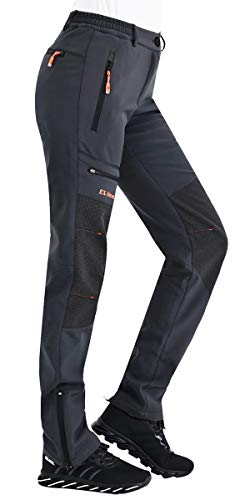
When freezing winds howl across open ridges or trailside brush is coated in frozen crust, softshell winter pants deliver unmatched defense. Garments like the MAGCOMSEN Womens Ski Pants Waterproof Insulated feature a dense exterior shell designed to block penetrating gusts and shed wet snow. Ripstop outer weaves resist abrasions from sharp rock faces, fallen branches, and trekking poles, ensuring that the pants survive rugged backcountry travel. Inside, bonded microfleece linings work continuously to pull sweat away from the legs while maintaining critical thermal warmth.
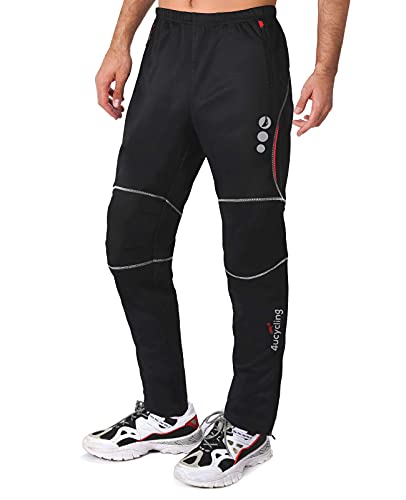
For high-aerobic winter pursuits that demand total leg protection, technical cycling-inspired hiking bottoms provide specialized durability. The 4ucycling Men’s Mountain Bike Pants demonstrate how front-facing windproof shields stop icy headwinds while breathable back panels release excess moisture. These garments incorporate articulated knees and gusseted crotches that allow hikers to take high strides over snowdrifts without fabric binding. If your winter route involves steep grades or technical scrambles, pairing rugged softshells with knee support hiking pants concepts ensures superior joint comfort and trail endurance.
Thermal Compression Leggings for Fast-Paced Aerobic Hiking
Fast-paced day hikers and trail runners often favor thermal leggings because they deliver maximum range of motion with virtually no weight penalty. The SINOPHANT Fleece Lined Leggings Women feature a soft inner fleece that holds body warmth while providing four-way stretch compression. A high-waisted design with supportive tummy control keeps the garment seated properly over the hips as you navigate steep switchbacks. These lightweight fleece tights fit like a second skin, preventing inner-thigh chafing during long, continuous walking miles.
Technical winter tights also serve as versatile layering components under weather-resistant shell pants when deep winter storms approach. The baleaf Women’s Fleece Lined Leggings Water include water-resistant outer fabric treatments rated for cold weather below forty degrees. Ankle zippers on these performance tights simplify the process of pulling pants on or off over thick wool socks and trail shoes. Added zippered utility pockets provide secure storage for car keys and emergency identification, keeping your small essentials secure on vigorous outings.
Weather Resistance: Distinguishing Water-Repellent and Waterproof Fabrics
Understanding the difference between water resistance and full waterproofing prevents dangerous surprises on unpredictable winter trails. Most cold-weather fleece joggers and running tights utilize durable water-repellent finishes that cause light rain and dry snow to bead on the surface. These coatings preserve high fabric breathability, making them ideal for crisp, dry cold or brief precipitation events. However, prolonged exposure to heavy winter downpours or wet snow will eventually overwhelm water-resistant coatings and soak into the underlying fleece.
Insulated softshells provide a much stouter moisture barrier, often incorporating laminated membranes that repel significant moisture while stopping wind completely. While waterproof softshells excel in freezing snowstorms, they offer slightly less breathability than untreated thermal knits during sustained aerobic climbs. Hikers tackling deep winter snowpacks or wet maritime climates should choose pants with robust shell fabrics and taped seams. Matching fabric protection to the anticipated precipitation level keeps your insulating layers dry, which is critical for preventing hypothermia on cold trails.
Mobility Engineering: Articulated Knees, Gussets, and Leg Openings
Winter hiking pants require specialized construction elements to prevent restrictive pulling across the thighs and knees during steep ascents. Articulated knees use pre-curved tailoring and strategic seam placement to mimic the natural bend of the leg as you step upward. A gusseted crotch replaces standard intersecting seams with a diamond-shaped fabric insert, distributing stress evenly and eliminating restrictive pinch points. These ergonomic features allow you to step over fallen timber, scramble across icy boulder fields, and ascend steep grades with natural fluidity.
Lower leg construction is equally critical for keeping trail debris, blowing snow, and freezing drafts from creeping up your legs. Ankle zippers allow you to expand the leg opening to fit easily over bulky winter hiking boots before zipping snug to seal out moisture. Elasticized cuffs and tapered jogger hems stay positioned securely above footwear, preventing hemlines from dragging through wet mud or catching on trail crampons. Selecting well-tailored trousers ensures your winter apparel moves seamlessly with your stride throughout demanding backcountry treks.
Managing Perspiration and Breathability on Strenuous Climbs
Sweating heavily in sub-freezing temperatures is one of the most hazardous mistakes a winter hiker can make. When moisture saturates your clothing during an intense uphill push, that damp fabric chills rapidly the moment you pause on an exposed summit. High-quality cold-weather trail bottoms utilize synthetic polyester and nylon blends that pull sweat away from your skin toward the outer face for rapid evaporation. This moisture-wicking mechanism ensures that your base fleece stays dry, lofty, and capable of trapping warm air.
Hikers who generate significant body heat should prioritize pants featuring adjustable ventilation options or multi-panel construction. Hybrid trail designs often feature dense windproof panels across the front thighs while employing lighter, breathable stretch fabrics behind the knees. This configuration shields your quads from freezing headwinds while releasing excess vapor from high-sweat zones. Managing your pace and selecting breathable bottoms prevents internal dampness from undermining your insulation during long cold-weather treks.
Functional Features: Pocket Placement, Waistbands, and Visibility
Winter conditions require smart garment features that remain easy to operate while wearing heavy gloves or carrying a loaded backpack. Deep, zippered front pockets keep expensive mobile phones, pocket knives, and energy gels secure and protected from freezing temperatures. Waistbands must offer both elasticity and internal drawcords to maintain a secure fit as your body moves across uneven terrain. Wide elastic bands distribute pressure evenly across the waist, preventing uncomfortable chafing beneath the padded hip belt of an overnight pack.
Low-light safety is another critical consideration for winter hiking, as daylight hours are short and trailheads often require early morning starts. Reflective elements positioned along the calves, waistband, or pocket seams bounce back light from headlamps and passing vehicles near trail access roads. Furthermore, sturdy belt loops allow hikers to pair their pants with specialized trail belts or gear clips when carrying heavy waist accessories. Investing in well-constructed durable trail hiking trousers guarantees that every zipper, pocket, and closure withstands the rigors of cold backcountry excursions.
Temperature-Based Selection: Dialing In the Right Bottom for Your Route
Selecting the best pants for cold trails requires evaluating the exact temperature range and elevation profile of your planned hike. For mild winter or late autumn days between forty and fifty degrees, fleece-lined joggers or thermal leggings provide ample warmth without causing overheating. As temperatures drop between thirty and forty degrees, water-resistant thermal tights or lightweight softshells become essential for cutting the cold air. These mid-weight garments preserve leg agility while providing dependable wind resistance on exposed logging roads and open meadows.
When hiking in temperatures plunging below freezing or into windy alpine zones, heavy-duty insulated softshells are mandatory. Extreme cold demands either fleece-backed ski pants with ripstop reinforcement or a dual-layer system combining base leggings with an outer shell. A modular layering setup allows you to adjust thermal protection if afternoon sun warms the lower valleys before freezing winds return on the descent. Factoring in local weather forecasts, elevation gain, and trail exposure ensures you never step onto a winter trail underdressed.
Garment Care and Long-Term Trail Performance
Proper maintenance of cold-weather hiking bottoms preserves both thermal loft and water-repellent surface coatings for many seasons of use. Machine washing technical fleece pants in cold water with gentle, residue-free detergents prevents damage to delicate synthetic fibers. Fabric softeners should be avoided completely, as they leave waxy residues that clog breathable pores and ruin water-repellent treatments. Tumble drying on low heat or hanging garments to air dry maintains elastic recovery in high-stretch waistbands and knee panels.
Over time, abrasive brush and regular washing can diminish the effectiveness of factory-applied durable water-repellent coatings. When water stops beading on your softshell or jogger fabric and begins soaking into the surface, applying a spray-on waterproofing treatment restores surface tension. Inspecting zipper teeth, pocket seams, and ankle drawcords periodically ensures that small hardware failures do not catch you off guard during an icy backcountry trek. Routine garment care keeps your winter hiking wardrobe dependable, comfortable, and ready for every frosty adventure.
Practical Winter Hiking Takeaways for Complete Lower Body Protection
Equipping yourself with the right cold-weather hiking pants transforms freezing winter outings into comfortable, rewarding outdoor experiences. Prioritize synthetic fabrics that combine cozy interior fleece with durable, wind-resistant outer surfaces tailored to your specific trail conditions. Ensure your chosen pants provide unrestricted leg mobility through articulated knees and flexible waistbands that sit comfortably beneath your pack. By matching your lower body apparel to the temperature, terrain, and precipitation, you can explore frosted backcountry trails with complete warmth and confidence.


Write Your Review
No reviews yet. Be the first to share your experience!