


Tackling snowy trails and icy ridge lines often prompts outdoor enthusiasts to rethink their standard apparel choices when temperatures plummet. When standard summer bottoms leave your legs shivering against freezing winds, you might naturally wonder, can you wear ski pants for hiking? While dedicated lightweight hiking pants excel during warm afternoons and gentle climbs, sub-freezing backcountry treks demand far sturdier protection against snowdrifts, ice, and biting drafts. Repurposing your winter snow gear seems like a convenient, practical solution for cold excursions without buying a separate wardrobe.
The short answer is yes, but your overall comfort depends entirely on terrain intensity, weather severity, and garment construction. Downhill ski apparel is tailored for high-speed wind resistance and sitting on frozen chairlifts, which introduces noticeable breathability and weight tradeoffs when you start climbing steep hills on foot. Exploring modern trail-ready hiking pants alongside weather-resistant softshell options helps you balance genuine thermal insulation with active moisture control. Understanding these functional differences ensures you stay warm without drenching your base layers in sweat during cold-weather ascents.
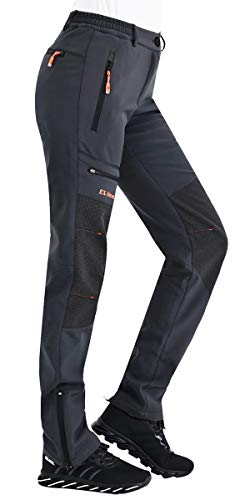
Pros
- Integrated fleece lining offers reliable cold-weather warmth without needing an immediate thermal base layer in moderate cold
- Four secure zippered pockets keep trail essentials and electronics protected while moving
- Articulated knee tailoring and elastic side waist ensure good mobility on uneven terrain
- Ankle leg zippers simplify putting on and taking off boots while helping keep snow and wind out
- Ripstop exterior provides practical abrasion resistance against brush and trail obstacles
Cons
- Fleece insulation is too warm for moderate or hot-weather hiking conditions
- Waterproof coating on softshell fabric repels snow and showers but is not intended to replace full seam-taped hardshells in prolonged downpours
- Sizing is specific to an 8 Short cut, requiring close attention to the manufacturer size chart before ordering
The Postropaky Women's Insulated Softshell Hiking Pants are designed for hikers, snowshoers, and cold-weather outdoor enthusiasts who require both wind-blocking warmth and exterior weather resistance. Rather than layering separate rain pants over heavy base layers, this dual-layer construction pairs an insulated interior with a protective outer shell. The 8 Short sizing caters specifically to hikers seeking a shorter inseam without excessive fabric bunching around footwear.
For winter trail use, the exterior fabric utilizes a stretchy spandex-blend ripstop weave treated with a waterproof coating designed to shed light rain, slush, and snow while cutting through icy winds. On the inside, a skin-friendly fleece layer traps body heat while wicking away perspiration during sustained uphill climbs. The articulated knees and 3D mid-waist profile allow a natural range of movement, preventing the restrictive pulling often experienced with non-stretch winter apparel.
Storage and boot integration are notable design strengths of these pants. Four large-capacity zippered pockets provide secure, enclosed spaces for trail snacks, maps, gloves, or a smartphone, reducing the need to constantly reach into a daypack. At the hem, zippered ankle openings expand the cuff to fit smoothly over bulky winter hiking boots or ski footwear, creating a snug seal that helps prevent cold drafts and snow from entering.
In terms of trail comfort and fitting, the elasticized side panels at the mid-waist contour to the hips without requiring an overly tight belt. The ripstop construction provides dependable resistance against snagging trailside brush, rough rock faces, and gravel. When caring for the pants, following standard synthetic wash instructions helps preserve the surface coating and maintain the loft of the internal fleece.
These pants carry realistic limitations typical of insulated softshell garments. Because they feature a permanent bonded fleece lining, they are unsuitable for warm-weather hiking or high-output aerobic use in mild climates where heat buildup becomes uncomfortable. Furthermore, while the coated exterior effectively resists snow and passing showers, it does not replace fully seam-sealed waterproof rain pants for prolonged torrential downpours.
For winter day hikers, shoulder-season campers, and cold-weather trail walkers who prioritize warmth, flexible movement, and dedicated zippered pocket storage, the Postropaky Insulated Softshell Pants provide solid everyday trail utility at an accessible price point.
The exterior of the Postropaky Softshell Pants uses a durable, scratch-resistant ripstop fabric with a stretchy spandex blend. This outer layer is treated with a specialized waterproof coating engineered to repel rain, wet snow, and mud while blocking cold drafts.
The interior is lined with a breathable thermal fleece designed for next-to-skin comfort. This fleece lining incorporates moisture-wicking properties to transport sweat away from the skin, helping hikers remain warm and dry during active winter outings.
This specific model is sized as an 8 Short, featuring a tailored inseam designed for individuals who find standard outdoor pant lengths too long. The 3D mid-waist cut incorporates elastic side sections that stretch comfortably to accommodate base layers or movement on steep trails.
Articulated knee construction ensures the fabric flexes easily when bending, stepping over obstacles, or snowshoeing. Buyers should consult the manufacturer measurement chart to verify waist, hip, and inseam measurements before purchasing.
Evaluating Ski Pants on the Trail: Warmth, Mobility, and Weather Tradeoffs
Evaluating winter legwear requires understanding the stark functional difference between downhill snow sports and active human-powered walking. While downhill skiing involves long periods of inactivity punctuated by gravity-assisted descents, hiking generates sustained cardiovascular heat that must escape through breathable fabric. If you want to know whether you can successfully repurpose snow apparel, examining fabric weight, ventilation, mobility, and layering makes all the difference on cold trails.
When Ski Pants Work and When They Overheat
Hikers generate substantial internal warmth even when ambient mountain air dips well below freezing. Because downhill ski bottoms are typically engineered to keep riders comfortable during wind-whipped chairlift rides, they often contain dense synthetic padding or thick barriers. When you attempt a steep uphill push in heavily padded trousers, that trapped body heat quickly triggers heavy sweating. Once that moisture saturates your inner layers, stopping for a quick water break can bring on a rapid, shivering chill.
Specific winter conditions, however, make insulated snow trousers a practical and welcome trail barrier. When you traverse exposed alpine ridgelines, break trail through knee-deep powder, or hike in sub-zero winds, standard three-season trousers are simply inadequate. Under these severe winter conditions, the windproof membrane and heavy-duty outer coating of ski pants provide vital thermal security that prevents numbing drafts and excessive heat loss.
Mild winter afternoons or spring melt cycles represent the worst times to choose bulky ski apparel. When temperatures rise above thirty-five degrees Fahrenheit, unvented winter trousers will quickly turn your hike into an uncomfortable, sweat-soaked slog. For transitional shoulder seasons, wearing modular weather shells over lightweight technical bottoms consistently outperforms permanently insulated resort wear.
Thermal Regulation and Active Moisture Management
Sustained physical output demands continuous moisture transfer away from the skin surface. When moisture vapor cannot escape through outer shell membranes, it condenses back into liquid water against the interior lining. This liquid buildup creates a clammy microclimate that clings to your legs, drastically compromising comfort during long miles on backcountry paths.
Fleece-backed softshell construction handles internal moisture significantly better than loose polyester batting. Garments like the Postropaky Womens Outdoor Snow Ski Pants utilize a skin-friendly warm fleece inner layer treated for moisture wicking. This direct laminate structure helps pull perspiration away from the legs and distributes dampness evenly across the fabric so it can evaporate through the water-repellent shell.
Hikers wearing insulated apparel must adopt deliberate pacing strategies to avoid overwhelming their clothing system. Dialing back your uphill speed prevents heart rates from spiking and keeps sweating within manageable levels. Taking steady, measured steps keeps your core warm without triggering the excessive perspiration that turns winter apparel into cold, soggy deadweight.
Softshell Flexibility versus Rigid Hardshell Textiles
Traditional ski resort pants are constructed from stiff, woven nylon treated with heavy waterproofing backings. While this rigid structure excels at blocking high-speed icy blasts, it produces substantial resistance against repeated leg extension. Hikers quickly grow fatigued when forced to bend stiff, rigid fabric over thousands of uphill strides on rolling backcountry terrain.
Flexible softshell textiles provide an appealing compromise between complete weather shielding and natural trail agility. Incorporating spandex fibers into a water-resistant face fabric allows the trousers to stretch dynamically over obstacles. This elastic freedom lets you step over deadfall, ascend steep timber steps, and scramble across talus without feeling held back by tight, binding seams.
Abrasion resistance remains another critical factor when traversing brushy winter corridors or rocky summits. Snow pants constructed with durable ripstop weaves resist tears from hidden branches and sharp granite outcrops. This rugged exterior protects your legs from scrapes far better than fragile summer leggings or lightweight trail tights.
Articulation, Stride Clearance, and Chafing Risks
Hiking mobility requires continuous, repetitive knee flexion that differs dramatically from downhill skiing stance postures. Pants designed without pre-curved knee construction pull tight across the patella during every uphill step. If you want to see how tailored construction solves this movement problem, reviewing articulated knee hiking pants highlights how specialized seams preserve natural joint movement on rocky trails.
Inner thigh chafing is an uncomfortable hazard when walking long distances in bulky cold-weather apparel. Thick insulated seams rubbing together create steady friction that can wear through fabric and irritate sensitive skin within a few miles. Selecting snow pants with flatlock seam construction and tailored mid-waist elastic contours significantly cuts down on painful walking friction.
Waistband comfort becomes especially important when hauling a heavy winter pack equipped with a supportive hip belt. Bulky metal fasteners, oversized suspender buckles, and stiff belt loops can dig painfully into your hip bones under heavy loads. A smooth mid-rise waistband with subtle elastic side panels sits comfortably beneath pack straps without causing painful pressure points.
Leg Openings, Ankle Zippers, and Hiking Boot Integration
Standard ski trousers feature wide leg cuffs designed to clear oversized, rigid plastic downhill boots. When paired with standard hiking boots or winter trail shoes, these wide openings flare outward clumsily. Loose cuffs can drag through slush, snag on sharp traction spikes, or let blowing snow enter through the top of your footwear.
Ankle zipper openings provide practical adaptability when wearing different styles of trail footwear. Unzipping the lower leg allows you to pull the hem easily over bulky insulated snow boots before setting out. Once your boots are tied, closing the zipper snugs the cuff down to keep howling winter winds and flying powder from creeping inside.
Internal snow gaiters can be a blessing or a curse depending on their diameter. If the built-in elastic cuff is sized too loosely for hiking boots, snow can push upward into your socks during deep postholing. Adding external trail gaiters over your softshell pants provides a secondary barrier that seals out powder far more effectively than oversized ski cuffs.
Pocket Layout and Trail Storage Demands
Winter trail utility demands secure storage solutions that protect sensitive gear from freezing ambient temperatures. While ski resort clothing often relies on decorative flaps or single pass-holder slots, hiking requires practical organization. Carrying items like navigation devices, paper maps, spare lip balm, and pocketknives requires secure zippered compartments that will not spill their contents during a slip.
Having multiple large-capacity zippered pockets keeps essential tools organized and easily accessible. Keeping pocket zips closed shields sensitive smartphone batteries from freezing winds, which helps prevent sudden battery shutdowns in cold weather. Stowing gear securely against the thigh also prevents items from swinging erratically against your legs with each step.
Cold-weather zipper management requires hardware that can be handled while wearing heavy insulated winter gloves. Microscopic zipper sliders force you to take off your gloves in freezing weather, risking numbness and frostbite. Adding short cord extensions to zipper sliders allows you to open and close pockets quickly without ever exposing bare hands to winter winds.
Layering Strategies Under Insulated Shells
Combining heavy thermal underwear with fleece-lined snow trousers almost always leads to rapid overheating. When your outer trousers already feature an integrated fleece lining, adding a thick long-underwear layer creates far too much insulation for continuous walking. Pairing softshell winter bottoms with ultralight synthetic or thin merino base layers provides the right balance of softness and breathability.
Cotton clothing must never be worn as a base layer underneath insulated winter trousers. Cotton fibers trap moisture against your skin, eliminating insulation value and creating a wet barrier that accelerates dangerous cooling when you rest. Strictly selecting synthetic fabrics like polyester or nylon guarantees that moisture will be pushed away from your body toward the outer shell.
Seasoned winter hikers who rely on dependable all-day hiking pants understand the immense value of modular clothing systems. When you wear an insulated shell on your legs, you cannot quickly vent warmth when an unexpected hill steepens. You must compensate by unzipping your upper-body shell, taking off warm hats, or rolling up sleeve cuffs to balance your overall body temperature.
Specific Winter Scenarios: Snowshoeing, Cold Wind, and Shoulder Seasons
Snowshoeing represents one of the best applications for wearing weather-resistant ski apparel on foot. Propelling snowshoes through deep drifts throws constant spray across your lower legs, quickly saturating lighter warm-weather pants. The water-repellent surface layer and ripstop construction of softshell ski pants shed flying crust effortlessly while keeping your legs warm in deep snowbanks.
High-altitude ridgelines exposed to relentless wind chill present another scenario where snow trousers shine. Freezing winds can strip body heat right through the porous fabrics of conventional walking trousers, leaving quad muscles stiff and uncoordinated. The dense, wind-blocking membrane of winter snow pants acts as a defensive shield that preserves vital muscle warmth on barren ridges.
Shoulder seasons with alternating freezing rain and wet sleet require careful consideration before choosing ski apparel. While softshell ski pants shed brief flurries, continuous heavy rain will eventually soak through water-resistant coatings. For soaking wet trail conditions near freezing, non-insulated hardshell rain trousers layered over dry thermal tights provide superior waterproofing and faster drying speed.
Fitting Checks and Gear Preparation Before Hitting the Trail
Testing your snow pants indoors before leaving for a backcountry adventure prevents unpleasant surprises in the cold. Put on your actual hiking socks and winter boots, then practice high steps, deep lunges, and full knee bends in your living room. If the waistband slides down or the fabric binds tightly across your thighs, the cut is too restrictive for challenging wilderness terrain.
Inspecting seam integrity, pocket zips, and water-repellent surface finishes ensures your gear is trail-ready. Sprinkling a few drops of water across the knees will reveal whether the outer coating still beads moisture effectively. If the water absorbs immediately into the outer fabric, applying a fresh spray-on waterproofing treatment before your hike restores crucial weather resistance.
Deciding whether to wear ski pants ultimately depends on personal body warmth, trail difficulty, and actual weather forecasts. If you run hot or plan to tackle steep elevation gains, sticking to uninsulated trousers with modular thermal layers is your best bet. If you tend to run cold, face howling mountain winds, or plan a slow snowshoe journey, a well-fitted softshell ski pant can be a comfortable, protective solution for winter exploration.


Write Your Review
No reviews yet. Be the first to share your experience!