


Long days on rugged terrain quickly expose whether your outdoor apparel supports your stride or works against it. Stepping over downed logs, scrambling up granite slopes, and pushing through thick brush require clothing that moves without pulling across the thighs or binding behind the knees. When hikers assess their gear, the central question often becomes should hiking pants be loose, fitted, or tailored somewhere in between. Choosing the proper cut directly influences ventilation, chafing prevention, and overall stamina across unpredictable backcountry miles. Finding that balance starts with understanding how different leg silhouettes interact with your movement and trail conditions.
Fabric construction and cut profile dictate how effectively a garment shields your skin from abrasive undergrowth while releasing body heat. Loose cuts offer generous airflow and space for cold-weather base layers, while streamlined silhouettes eliminate excess fabric that could snag on thorns or flap in high winds. If you frequently navigate warm summer switchbacks, exploring our men’s lightweight hiking pants overview highlights how modern stretch weaves alter fit requirements. The goal is always achieving natural freedom of movement without carrying unnecessary bulk down the trail. By evaluating waist adjustment, leg tapering, and material flexibility, you can dial in the ideal silhouette for your hiking style.

Pros
- Roomy parachute-style silhouette offers full freedom of movement without binding across the thighs or seat
- Adjustable ankle drawcords prevent debris from entering shoes and secure the hem over hiking boots
- Lightweight, breathable woven fabric provides light moisture resistance without feeling heavy or stiff
- Practical side and thigh cargo pockets keep essential trail items organized and accessible
Cons
- Wide-leg parachute cut may catch on dense thorny brush if the ankle hems are left uncinched
- Water-resistant finish is built for light rain and splashes rather than heavy or prolonged downpours
- Arrives vacuum-packed with noticeable folds that require washing or steaming before first wear
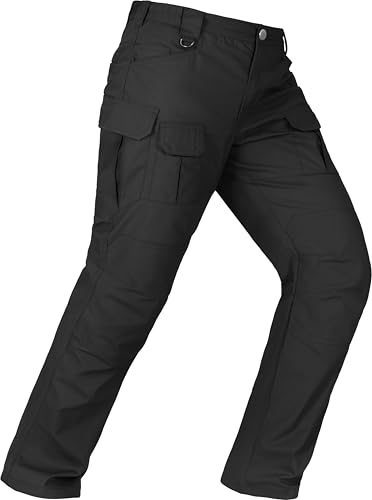
The Parkearth Men's Baggy Hiking Cargo Pants are lightweight outdoor trousers designed for hikers, campers, travelers, and outdoor enthusiasts who prioritize roomy comfort and flexible styling. Unlike conventional slim or standard-fit trail pants, this design features a relaxed parachute silhouette with open wide legs that grant ample clearance through the seat and thighs. This makes them particularly appealing for day hikers, campers relaxing around a fire, and travelers looking for trail-ready functionality with a modern streetwear-inspired aesthetic.
Trail mobility is a standout characteristic of the baggy design, ensuring that stepping over blowdowns, climbing steep switchbacks, or bending around camp never feels restrictive. The elastic waistband incorporates an adjustable drawstring to maintain a secure hold at the waist, which pairs comfortably under the hip belt of a daypack or backpacking pack. At the bottom hem, built-in ankle drawcords allow users to cinch the leg openings snugly over hiking boots to block gravel and insects, or leave them loose for maximum airflow in warm conditions.
The pants are constructed from a lightweight woven fabric treated with a water-resistant finish. This exterior coating helps bead off light morning drizzle, splashback from puddles, and moisture brushing off wet foliage. The woven material maintains breathability to keep air circulating during active movement, though it remains a lightweight shell rather than a seam-sealed, waterproof rain barrier.
Pocket organization balances accessibility with classic cargo styling. Hand pockets on both sides offer quick staging for everyday carry items, while dedicated thigh cargo pockets supply secure stowage for a smartphone, trail map, keys, or compact snack bars. Because the leg profile is broad, loaded cargo pockets hang naturally without pulling tight against the leg muscles during strides.
Prospective buyers should note that the generous wide-leg cut may feel excessively loose for hikers who prefer a tapered, athletic fit that hugs the calves. In dense, overgrown terrain, keeping the ankle cords cinched is advisable to prevent excess fabric from snagging on low branches. Additionally, because the pants ship in vacuum-sealed packaging, initial creasing is expected and easily remedied by a light wash or gentle steam.
For day hikers, campers, and outdoor travelers seeking breathable, light-weather protection paired with a generous, unrestricted cut, the Parkearth Men's Baggy Hiking Cargo Pants provide functional cargo storage and adaptable hem styling at a budget-friendly price point.
The Parkearth Men's Baggy Hiking Cargo Pants are patterned specifically with a relaxed baggy fit and wide legs, giving notable volume through the hips, thighs, and knees. An integrated elastic waistband with a front drawstring allows hikers to fine-tune the waist tension to their exact preference.
The dual-mode ankle drawcords provide adaptability across different trail footwear, letting you secure the cuffs tightly around boots or wear them open as straight wide-leg trousers. Buyers should consult the updated manufacturer size chart and select their size based on waist, hip, thigh, and inseam measurements.
These cargo pants utilize a lightweight woven synthetic fabric selected for air permeability and everyday outdoor durability. The fabric breathes well during warm-weather hikes, preventing heat buildup while remaining durable enough for general trail and camp use.
The exterior features a water-resistant finish intended to shed light sprinkles and incidental trail moisture. It does not provide total waterproofing or seam sealing, so dedicated waterproof shell pants remain necessary during sustained, heavy mountain rain.

Pros
- Generous storage layout featuring 5 secure zippered pockets to keep trail gear from falling out
- Built-in UPF 50+ sun protection provides dependable defense on exposed, sun-drenched trails
- Comfortable high-rise waistband with a drawcord stays in place without pinching under a backpack
- Four-way stretch construction and jogger cuffs support easy, unhindered stepping over logs and rocks
Cons
- The 25.5-inch inseam will fit taller hikers like a cropped capri rather than full-length pants
- Fabric provides water resistance against light mist, but is not waterproof during prolonged rainstorms
- Specific fabric blend percentages such as nylon, polyester, or spandex are not listed in the specifications
The baleaf Women's Lightweight Hiking Pants are ankle-skimming, jogger-style outdoor trail bottoms built for day hikers, travelers, and outdoor walkers who want secure gear storage in warm conditions. Featuring a 25.5-inch inseam, a high-rise elastic waistband, and five separate zippered pockets, this design directly caters to petite or shorter hikers and warm-weather adventurers who find standard trail pants excessively long and baggy around the ankle.
For climbing steep switchbacks, stepping over trail logs, and active scrambling, the four-way stretch construction provides flexible movement without binding around the hips or knees. The manufacturer highlights lightweight, breathable, and moisture-wicking characteristics that help manage sweat during hot summer outings or humid trail days. While the fabric features a water-resistant finish to bead away light morning dew, splashes, and passing drizzles, it does not include a waterproof membrane, meaning continuous rain will eventually penetrate the weave.
Storage security is one of the standout features of this garment, offering five deep zippered pockets positioned to keep phones, trail permits, keys, and cards from slipping out during active movement. The jogger silhouette includes tapered ankle cuffs that keep loose fabric away from trail debris and bike chains, though the product data does not list reinforced kick patches, knee articulation darts, or a gusseted crotch. Additionally, while the fabric incorporates UPF 50+ sun shielding, the exact material composition and fiber percentages are omitted from the supplied specifications.
The high-rise waistband pairs an elastic band with an exterior adjustable drawcord, allowing wearers to fine-tune the waist fit and prevent sagging when pockets are loaded. This wide, flat elastic profile generally sits smoothly beneath standard daypack hip belts, reducing the risk of pressure hotspots caused by bulky metal buckles or stiff belt loops. Hikers should note that the fixed 25.5-inch inseam is noticeably shorter than traditional full-length hiking trousers, functioning as an ankle-length cut for petite frames or a cropped, mid-calf cut for taller individuals.
Several functional limitations should be considered before taking these pants into demanding backcountry settings. Because the material is engineered to be lightweight and breathable for warm weather, it does not provide thermal insulation for cold-weather hikes, nor does it offer the heavy-duty abrasion resistance needed for dense off-trail bushwhacking or rough granite chimneys. Furthermore, the lack of an ankle zipper or adjustable cuff bungee means the leg openings cannot expand over heavy, high-top mountaineering boots.
These baleaf trail joggers represent a practical, budget-friendly choice for warm-weather day hikes, state park walking, and summer travel where comfort and pocket utility are top priorities. Shoppers looking for lightweight sun protection and multiple zippered compartments will appreciate the layout, provided they do not require heavy storm waterproofing or a tall inseam.
The 25.5-inch inseam makes these pants particularly appealing to petite hikers or those seeking an intentional ankle-crop fit. On shorter frames, the tapered jogger cuff will rest neatly right at the ankle, eliminating excess fabric pooling over trail runners. Taller hikers should anticipate a shorter 7/8 or capri length rather than full ankle coverage.
The high-rise waistline features an integrated elastic band and drawcord closure, offering flexibility across varying hip-to-waist ratios. However, because specific garment dimensions beyond size Small and the 25.5-inch inseam are not detailed in the supplied specifications, consulting the brand sizing chart is recommended for waist and hip measurements.
Having five dedicated zipper pockets sets these hiking joggers apart from many minimalist running or trail leggings. Zipper closures across all five pockets provide peace of mind on the trail, preventing smartphones, car keys, passports, and snacks from bouncing out during steep ascents or seated rest breaks.
Because the pockets feature zippered closures, hikers should distribute heavier items evenly to avoid pulling down the elastic waistband during extended trail walks. Placing heavier devices like modern smartphones in deeper thigh-level pockets generally offers a more stable carry compared to upper hip pockets when moving quickly.

Pros
- Four-way stretch lightweight fabric provides comfortable mobility without restricting leg movement on trail
- Four zippered utility pockets keep essential trail items like phones, maps, and compact gear securely stored
- Water-resistant finish and quick-dry fabric manage light trail moisture and dry quickly after exposure
- Built-in elastic waistband with belt loops and a front D-ring adds practical trail utility and fit flexibility
Cons
- Water-resistant fabric handles light moisture and splashes but is not fully waterproof for heavy, sustained downpours
- Contains four pockets, which may feel minimal for hikers who carry bulky cargo gear directly on their legs
- Single-layer lightweight construction may require thermal base layers for cold-weather winter hiking
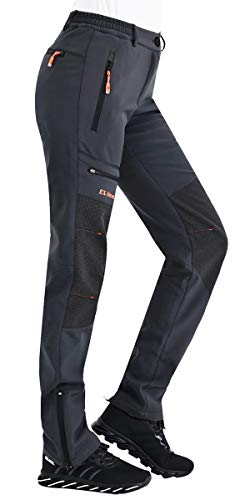
The Libin Men's Water-Resistant Hiking Pants are lightweight, technical trail pants designed for hikers, backpackers, campers, and outdoor travelers who need flexible, low-bulk legwear. Built for all-season use across diverse outdoor activities, this model comes in a 32W by 32L cut in Carbon Grey. These pants suit day hikers tackling rugged paths, weekend backpackers wanting easy-drying layers beneath a pack's hip belt, and travelers who need practical pants that transition easily from the airport to the trailhead.
On the trail, mobility depends heavily on fabric flexibility and tailored construction. These pants feature a four-way stretch fabric paired with an ergonomic 3D cut designed to conform to natural body movements. This articulation helps reduce fabric resistance when taking high steps, squatting around camp, or navigating steep switchbacks. The waist is constructed with an integrated elastic waistband, a zipper fly closure, and belt loops, allowing you to fine-tune the waist fit whether wearing them alone or under a loaded backpacking hip belt.
The lightweight fabric is engineered with moderate thickness to balance breathability, moisture-wicking capabilities, and durable trail performance. Libin incorporates a water-resistant and stain-resistant treatment that allows light outdoor moisture to bead up rather than soak through immediately, while the quick-drying properties help evaporate perspiration during strenuous ascents. For trail organization, the pants offer four zippered pockets: two front slant pockets, one vertical zipper pocket on the front thigh, and one rear pocket. In addition, an integrated D-ring beneath the right belt loop provides a handy clip point for small trail accessories such as a compass, whistle, or compact tool.
Integrating these pants into your hiking kit is straightforward. The low-profile waistband and flat zipper pockets sit smoothly under backpack hip belts, minimizing hot spots or pressure points during long miles. Storing essentials like a compact trail map, pocket knife, or smartphone in the zippered thigh or slant pockets keeps gear secure against accidental drops on uneven terrain. For care and maintenance, the quick-drying synthetic fabric makes washing and air-drying quick, whether you are rinsing off trail dust at a campsite or prepping gear between weekend trips.
While these pants offer dependable performance for general hiking and camping, they have specific limitations to keep in mind. The fabric is treated for water resistance, meaning it sheds light mist and splashes but will not replace dedicated waterproof rain pants during prolonged or heavy rainstorms. Additionally, because the fabric is lightweight and optimized for breathability and stretch, cold-weather hikers will need to layer thermal long underwear underneath to maintain warmth in freezing temperatures. The four-pocket layout also prioritizes a clean profile over high-capacity cargo storage.
Overall, the Libin Men's Water-Resistant Hiking Pants provide dependable value for hikers, campers, and outdoor enthusiasts seeking stretchy, quick-drying comfort on the trail. If you want a lightweight pair of trail pants with secure zipper storage, an adaptable elastic waist, and reliable mobility for day hikes or multi-day backpacking trips, this pair is a practical and budget-conscious addition to your outdoor wardrobe.
The Libin Men's Hiking Pants in this configuration feature a 32-inch waist and a 32-inch inseam. The waist construction includes an elastic waistband paired with belt loops and a traditional zipper fly, offering flexibility for minor waist adjustments while retaining the option to wear a standard belt.
The pants utilize an ergonomic 3D cut that shapes the fabric around the knees and legs. This articulated patterning accommodates large leg movements such as bending, lifting, and squatting without pulling tight across the thighs or seat.
These hiking pants are constructed from a lightweight, four-way stretch synthetic fabric that allows full range of motion while actively wicking moisture away from the skin. The moderate fabric thickness provides breathable performance during warm hikes while offering basic brush protection on overgrown trails.
For weather management, the fabric features a water-resistant and stain-resistant finish that repels light trail splashes, morning dew, and light drizzle. While this coating promotes fast drying, the pants are water-resistant rather than waterproof, so dedicated rain gear remains necessary during severe downpours.
Storage is divided across four dedicated zippered pockets to keep personal items secure while moving. The layout includes two front slant zippered hand pockets, one front thigh zippered pocket for quick-access items, and one rear zippered pocket for secondary storage.
A utility D-ring buckle is positioned beneath the right front belt loop, allowing hikers to clip on small trail tools such as a compass, carabiner, key clip, or mini flashlight for hands-free convenience.

Pros
- Convertible zip-off styling easily switches between full-length pants and trail shorts on the move
- Five dedicated deep pockets offer practical storage for navigation aids, snacks, and small gear
- Weighs only 320 grams, making it an easy addition to an ultralight or weekend pack list
- Built-in waist adjustment accommodates personal fit preferences and seasonal layering
Cons
- Convertible leg zippers may feel noticeable or stiff against the thighs for some body types
- Lightweight stretch fabric provides less abrasion defense in dense off-trail brush than heavy canvas
- Zipper mechanisms require gentle care in dusty or muddy trail environments
The Cycorld Women's Convertible Hiking Pants are modular outdoor trail trousers engineered for hikers, backpackers, and campers who need versatile lower-body coverage. Designed with a three-way convertible system, these pants allow hikers to adapt quickly from full-length pants to shorts as afternoon temperatures climb or trail conditions demand greater ventilation. This design is especially well suited for section hikers, weekend backpackers, and summer day hikers who want to reduce carried clothing volume without sacrificing wind coverage or sun protection.
Trail usability centers around the balance of mobility, breathability, and functional storage. Built with a lightweight, quick-drying synthetic fabric, the material wicks perspiration away during intense climbs and dries efficiently if caught in light rain or morning dew. The five deep storage pockets provide direct access to pocket knives, trail snacks, small maps, or a compass, keeping essential items easily reachable without constantly taking off your daypack. The integrated stretch helps prevent binding when negotiating high step-ups, boulders, or steep downhill terrain.
Construction quality focuses on practical outdoor details, pairing flexible fabric with low-profile zip-off leg hardware. The waist construction includes an adjustable mechanism designed to define personal fit and keep the waistband stable during continuous movement. This low-bulk waist profile is helpful when wearing a technical hiking pack, as bulky buttons or rigid belts can cause uncomfortable pressure points when pressed beneath a heavily loaded pack hip belt.
From a packing and transit perspective, these pants carry a total weight of roughly 320 grams and fold down into a compact profile measuring approximately 12.6 by 9.84 by 1.18 inches. This minimal bulk allows them to slide effortlessly into a compression sack, dry bag, or backpack side pouch as a clean evening camp layer or backup set of shorts. Cleaning and trail maintenance are straightforward, as the lightweight synthetic material washes easily by hand at camp and air-dries rapidly on a pack exterior or camp clothesline.
Prospective buyers should consider a few realistic trail limitations before purchasing. While the zip-off convertible system provides valuable flexibility, the circular leg zippers sit close to the thigh and may cause slight friction for some hikers during high-mileage days. Furthermore, because the fabric emphasizes lightweight breathability and quick-drying performance over thick workwear durability, it will not provide the same puncture resistance or thorny brush protection as heavy-duty nylon trekking trousers.
For day hikers, multi-day backpackers, and active travelers seeking an affordable, adaptable pant that manages body heat and packs down small, the Cycorld Women's Convertible Hiking Pants offer dependable utility. Their combination of five deep pockets, adjustable waist, and low carried weight makes them a smart, practical option for fluctuating trail temperatures across the United States.
These pants in size Large feature an adjustable waistband designed to help secure the waist and tailor the silhouette to individual body shapes. The flexible waistband design helps prevent slipping during steep trail ascents and minimizes bunching under the lumbar pad of a hiking backpack.
Because convertible pants feature non-stretching zipper rings around the lower thigh, hikers with more muscular legs should take careful measurements to ensure comfortable clearance around the zip-off transition point. The built-in stretch fabric throughout the remainder of the pant legs supports unrestricted movement across rough trail surfaces.
At a product weight of roughly 320 grams, these convertible pants add minimal base weight to an overnight backpack, making them an efficient choice for hikers who count every ounce. Their compact packaged size allows them to fit easily into packing cubes, side pockets, or bottom sleeping bag compartments.
The five deep pockets allow hikers to organize essential items on their body rather than stuffing them into pack hip-belt pockets. This accessible layout keeps everyday carry tools, permits, and nutritional supplies at hand during quick trail breaks.

Pros
- Roomy wide-leg cut prevents binding across the thighs and hips during active movement or stepping over obstacles.
- Ankle drawcord allows quick adjustment between a wide hem and a secure tapered fit around trail footwear.
- Five dedicated pockets offer ample organized storage space for personal essentials and trail tools.
- Lightweight, water-resistant fabric treatment helps fend off light drizzle and dries quickly after damp outings.
- Machine washable construction makes routine laundering simple after muddy or dusty outdoor excursions.
Cons
- Product specifications do not list exact fiber percentages, elastane content, or formal abrasion ratings.
- Loose parachute cut contains excess fabric that may catch on thick trail brush or flap in high mountain winds.
- Water-resistant coating is suitable for light drizzle but does not provide seam-sealed waterproof protection for heavy downpours.
The Areant Men's Baggy Hiking Cargo Pants are relaxed-fit outdoor trousers designed for hikers, campers, and travelers who prefer a roomy parachute silhouette over traditional athletic or slim-cut trail pants. These bottoms cater to trail walkers, weekend campers, and casual outdoor enthusiasts who want a modern wide-leg aesthetic combined with functional trail utility such as cargo storage and adjustable cuffs.
Mobility in these trousers relies on an expansive wide-leg design rather than elastic fabric stretch. The relaxed fit through the seat and thighs provides ample room for stepping over obstacles, ascending low grades, or lounging around a campsite without tightness or binding. An adjustable drawstring at the hem allows you to cinch the cuffs tightly around hiking footwear, which prevents dragging on dirt paths and helps seal out trail debris. However, the generous excess fabric may flap in high mountain winds or snag if navigating dense off-trail brush.
The manufacturer lists a soft, lightweight fabric treated with a water-resistant and quick-drying coating intended to manage light mist and minor splashes. While the listing mentions waterproof outdoor pants in its sizing notes, the available product data does not establish seam sealing or a certified waterproof membrane, so these trousers should be treated strictly as water-resistant rather than fully rainproof. For storage, the trousers feature two slant hand pockets, two thigh cargo compartments with reinforced stitching, and a single rear pocket, giving you balanced capacity for a phone, trail maps, or small accessories.
Sizing follows standard U.S. sizing according to the manufacturer, though checking the provided size chart is recommended to ensure proper waist and rise fit. The relaxed cut offers plenty of internal volume, making it easy to slip thermal base layers underneath during cooler shoulder-season mornings. Routine maintenance is straightforward, as the pants are machine washable, making them simple to refresh after muddy trails or outdoor travel.
The primary limitation is the lack of detailed technical fabric data, such as specific polyester or nylon percentages, ripstop weave confirmation, or formal UPF sun ratings. In addition, the baggy parachute styling prioritizes casual airflow and relaxed comfort over streamlined backcountry efficiency, meaning these pants are less suited for high-alpine scrambling or technical mountaineering where loose fabric presents a tripping hazard.
For day hikers, car campers, travelers, and outdoor commuters seeking affordable, lightweight trousers with street-inspired utility, the Areant Baggy Hiking Cargo Pants provide a solid mix of comfort and storage. They are best deployed on well-maintained trails, in mild damp weather, or around town, provided you do not require technical backcountry durability or certified heavy-rain protection.
The Areant Baggy Cargo Pants feature an oversized, relaxed cut through the hips and thighs, paired with a wide-leg opening. This silhouette provides substantial internal volume compared to athletic trail trousers, making them forgiving for diverse body types and comfortable during prolonged sitting or walking.
An integrated ankle drawstring lets you switch between a flowing wide-leg profile and a cinched taper that gathers cleanly above your footwear. The manufacturer recommends checking the listed size chart to ensure the proper waist measurement before purchasing.
Storage is distributed across five functional locations, including two deep slant front pockets, two spacious thigh cargo pockets, and one rear pocket. The thigh cargo pockets sit flat against the leg when empty and expand to carry larger essentials like a phone, wallet, or trail snacks.
Reinforced stitching along the pocket openings helps resist stress and fraying during everyday use, camping chores, fishing, or travel outings.
The fabric features a surface-applied water-resistant and quick-drying coating designed to repel light mist, morning dew, and minor moisture. Drops bead up and run off the surface rather than soaking immediately into the weave.
This coating does not equate to seam-sealed waterproof rain gear. In sustained rainstorms or heavy downpours, water will eventually penetrate the seams and fabric, so a dedicated waterproof shell pant remains necessary for wet-weather expeditions.
The Complete Guide to Hiking Pant Fit: Loose vs. Streamlined on the Trail
Hiking pants should generally feature a relaxed, comfortable cut rather than an oversized drape or skin-tight fit. You need enough clearance through the seat and thighs to step over high boulders without fabric catching against your quads. At the same time, excess fabric flaps in alpine wind and easily snags on jagged thorns. The ideal balance is a semi-relaxed cut that leaves breathing room while following your natural body lines.
The Short Answer: Why Moderate Slack Beats Extreme Fits
A functional hiking pant provides room for unrestricted movement without creating pools of redundant material around your ankles. When you bend into a steep incline, tight fabric pulls taut and drags your stride backward with every step. Conversely, excessively loose cuts increase drag, gather morning dew from overgrown grass, and present snag hazards near rocks. Striking an intentional middle ground ensures your lower body remains ventilated, protected from chafing, and mobile.
Modern outdoor designs emphasize functional ease over rigid silhouettes, giving you deliberate mobility where joints flex most. Regular-fit and relaxed-fit designs allow micro-movements that rigid trousers cannot accommodate during long outings. If you need enhanced freedom around your lower joints, our guide to articulated knee hiking trousers explains how tailored shaping prevents knee binding without adding overall bagginess. Finding this balance means matching your pant volume directly to your terrain.
The Hidden Hazards of Excessively Baggy Trail Pants
Wearing oversized parachute or wide-leg cargo pants on backcountry trails introduces unexpected mechanical complications. Loose fabric at the cuffs tends to drag through mud puddles, collect burs, and snag against branches bordering narrow pathways. In rocky scrambles, billowing pant legs can obscure foot placements and trap trekking pole tips. This lack of visual precision around your boots can turn a minor misstep into an ankle twist.
Wind resistance represents another major frustration associated with wide-cut trousers on exposed ridgelines. High alpine gusts catch loose woven textiles like sails, causing constant fluttering that drains physical energy over several hours. Damp vegetation also rapidly soaks excess material that swings outward with each stride. Heavy, waterlogged hems weigh down your legs and take significantly longer to dry out in cool afternoon shade.
Why Overly Tight Hiking Bottoms Compromise Trail Comfort
Pants that fit like snug fashion jeans or compressive leggings present a different set of challenges on rugged terrain. Tight textiles press continuously against the skin, trapping heat and perspiration during demanding vertical climbs. This constant moisture build-up combined with sustained friction is the primary recipe for severe inner-thigh chafing. Once chafing develops several miles into a remote route, every remaining step becomes an agonizing trial.
Mobility restrictions also become instantly apparent when ascending steep natural staircases or negotiating fallen timber. If thigh fabric lacks give or clearance, it pulls downward on your waistband, forcing you to repeatedly hoist your trousers. Overly snug waistbands can also dig uncomfortably into your hips beneath a loaded backpacking hipbelt. That persistent pinching creates deep hot spots that make wearing outdoor gear frustrating and exhausting.
How Modern Stretch Fabrics Alter the Fit Equation
Traditional hiking trousers relied exclusively on loose, boxy cuts because early cotton and heavy canvas fabrics possessed zero mechanical give. Hikers had no choice but to buy oversized apparel to ensure they could bend their knees without tearing seams. Today, manufacturers blend lightweight nylon or polyester with elastane or spandex to create responsive four-way stretch materials. These technical weaves allow a closer silhouette that moves dynamically with your body.
For example, modern garments like the Libin Men’s Hiking Pants Water Resistant utilize four-way stretch fabric combined with three-dimensional ergonomic patterning. This construction lets pants contour closer to your legs without binding when you squat, lunge, or climb. Because the fabric expands on demand, you no longer require enormous, billowing pant legs just to achieve full range of motion. Modern stretch technology delivers both sleek wind efficiency and complete physical freedom.
Fit Zone Breakdown: Waist, Thighs, and Knee Clearance
Evaluating hiking pant fit requires assessing how the garment behaves across three distinct anatomical contact zones. At the waist, your pants should sit comfortably secure without relying on excessive cinching to stay in position. An elastic waistband or integrated belt helps the garment stay anchored above your hips while leaving room for digestion and core rotation. If the waistband gaps dramatically at the rear, pack straps will rub that folded fabric into your lower back.
The thigh and seat area demands deliberate attention regarding proper ease and volume. When standing straight, you should be able to pinch roughly one to two inches of loose fabric along the outside edge of your thigh. This buffer ensures that your legs can pump forward uphill without lifting the cuffs off your footwear. Insufficient thigh room restricts blood circulation and accelerates muscle fatigue over steep switchbacks.
Knee articulation represents the third critical zone where cut directly influences fatigue. Pre-shaped darts and pleated knee zones allow your leg to bend ninety degrees without tension pulling at your ankles. When evaluating potential gear, exploring our overview on trail mobility hiking apparel highlights how tailored seam construction replaces bulky excess fabric. A properly articulated knee provides the mobility of a baggy cut without clumsy flapping.
Tapering and Adjustable Ankle Cuffs for Technical Paths
How a pant leg terminates around your boots dramatically influences safety and debris management. Traditional straight-leg cuts hang wide over trail runners, allowing small pebbles, twigs, and sand to bounce up inside your socks. Tapered jogger styles, such as the baleaf Women’s Lightweight Hiking Pants 5 Zipper, feature gathered elastic cuffs that seal closely around the ankle collar. This neat transition prevents trail debris intrusion while keeping your lower leg clear of your footwear.
If you prefer the airy comfort of a wider leg, built-in hem adjustment cords offer an outstanding practical compromise. Models like the Parkearth Men’s Baggy Hiking Cargo Pants Water and the Areant Mens Baggy Hiking Cargo Pants Parachute incorporate drawstring ankles. This feature allows you to wear pants in a relaxed parachute style during open dirt road walks, then cinch them tight when entering brush. Having adjustable hems gives you flexibility to adapt your garment silhouette instantly as trail conditions change.
Weather and Temperature Dynamics: Airflow Versus Insulation
Warm-weather trekking requires apparel that promotes steady convective cooling and moisture evaporation. A moderately relaxed cut creates an internal air channel that circulates ambient air as your legs swing forward. This bellows effect helps pull sweat away from your skin, preventing wet fabric from clinging uncomfortably to warm legs. Loose woven fabrics that shed light moisture while maintaining high breathability keep you substantially cooler under direct desert sun.
Conversely, cold-weather expeditions demand a more careful calibration of internal garment volume. If winter pants fit too loosely, chilly wind penetrates wide leg openings and flushes warm micro-climate air out into the atmosphere. However, tight cold-weather pants compress thermal base layers, collapsing the tiny air pockets that provide essential insulation. A medium, semi-relaxed cut accommodates lightweight or midweight thermal underwear without squeezing insulation flat.
Moisture management also varies significantly depending on how closely textiles rest against your skin. Water-resistant finishes shed light rainfall efficiently, but when fabric is pulled tight against the knees, moisture can be forced through the weave by pressure. A relaxed drape allows water droplets to bead up and roll off the exterior surface before soaking through. That extra breathing space helps you remain dry and comfortable through unexpected afternoon drizzles.
Convertible Zip-Off Pants and Thigh Clearance
Convertible hiking pants feature horizontal zippers around the mid-thigh that transform full trousers into summer shorts. Garments such as the Cycorld Women’s-Hiking-Pants-Convertible provide exceptional versatility, but their fit requirements are unique. Because zipper coils do not stretch, the circumference around the thigh must be cut slightly loose to prevent hardware from rubbing your skin. If convertible trousers fit too snugly, that zipper seam can pinch painfully every time you take a high step.
Testing convertible cuts requires checking both the full-length trouser profile and the converted short length. When lower legs are zipped off, the remaining shorts should drape comfortably without riding up into your crotch. If the initial fit is too loose, the weight of the zipper mechanism will cause fabric to swing awkwardly against your knees. Choosing a relaxed cut with an adjustable waistband ensures the shorts remain stable whether fully configured or converted.
Pocket Layout and Weight Distribution in Relaxed Cuts
Cargo pockets represent one of the primary reasons hikers gravitate toward loose or relaxed silhouettes. Deep thigh pockets let you store navigation gear, pocket knives, sunblock, or snacks within easy reach. However, carrying dense objects in an excessively baggy pant causes pockets to sway wildly with every stride. That pendular motion drags against your momentum and quickly irritates the skin on your outer thighs.
Thoughtful pocket design balances generous interior volume with secure closures to keep contents stable. Zipped cargo and slant pockets prevent heavy gear from bouncing around or falling out during steep descents. When pants feature a semi-relaxed cut, cargo pockets hold gear flat against your leg rather than flopping outward. This organized layout lets you access trail essentials hands-free without enduring annoying bouncing down the path.
Baggy Parachute Styles Versus Modern Ergonomic Hiking Cuts
The outdoor apparel market offers a wide spectrum of cuts, ranging from trendy parachute streetwear to athletic trekking trousers. Parachute cargo pants feature generous room through the seat and thighs, providing unmatched casual ventilation and laid-back comfort. These roomy silhouettes appeal to day hikers who value relaxed aesthetics and everyday versatility around town or at the campsite. As long as they include ankle cinches, they handle casual dirt trails and weekend camping with ease.
In contrast, technical trekking trousers prioritize streamlined performance on rugged backcountry routes. These models utilize articulated knees, gusseted crotches, and tapered legs to maximize mobility while minimizing excess bulk. While they look noticeably more fitted than parachute pants, their flexible stretch blends prevent any sensation of restriction. Choosing between these styles comes down to your personal aesthetic preference and how demanding your typical trail terrain is.
Practical Fit Check: Testing Your Pants Before Hitting the Trail
Trying on hiking pants at home requires more than merely standing in front of a mirror checking the length. Put on the actual hiking boots and socks you plan to wear on the trail to see how hems break over your footwear. Then, perform a series of deep bodyweight squats, lunges, and high-knee steps to simulate climbing over steep boulders. If fabric pulls tight across your kneecaps or drags the waistband down your hips, the cut is too tight.
Next, walk around your home to check whether excess fabric between your thighs swishes or rubs together loudly. Constant fabric rustling indicates that the legs are overly wide, which can lead to friction wear along inner seams. You should also sit down on a low chair to verify that the waist does not pinch or dig into your abdomen. If the pants pass these dynamic movement tests comfortably, they will provide reliable service across miles of trail.
Ultimately, hiking pants should feature a relaxed, ergonomic fit that balances unhindered mobility with streamlined trail safety. Selecting a cut that offers moderate ease through the thighs and seat, paired with flexible stretch fabric, delivers the ideal outdoor experience. Pay close attention to waist adjustability and ankle tapering so you can fine-tune your garment for varying trail conditions. When your pants fit properly, you can focus entirely on enjoying the scenery rather than adjusting your clothing along the way.


Write Your Review
No reviews yet. Be the first to share your experience!