


Navigating rocky ascents, muddy switchbacks, and loose scree requires footwear that defends joints and maintains reliable trail grip. When trail conditions turn unpredictable, discovering what are the best mens hiking boots comes down to understanding how chassis stiffness, upper weatherproofing, and underfoot cushioning interact with your foot mechanics. Hikers carrying gear across uneven paths need dependable collar height to support joints, deep perimeter outsole tread for slick mud, and breathable linings that prevent internal sweat accumulation. Pairing your footwear with breathable lightweight hiking pants keeps your lower body agile and comfortable on long-distance treks. Selecting the right pair ultimately prevents trail hot spots and ensures structural stability from your first mile to the final descent.
Every outdoor explorer faces different challenges depending on their intended mileage, typical trail grade, and pack weight. Selecting the optimal hiking boot means balancing lightweight synthetic agility against the rugged abrasion resistance of oiled leather uppers. Modern footwear designs incorporate cushioned midsoles to soften repetitive ground impacts while integrating targeted traction patterns that grip wet granite and loose gravel. By examining upper materials, gusseted tongue water barriers, and midsole energy return, you can find a boot that matches your specific hiking objectives without compromising comfort.

Pros
- Omni-Tech seam-sealed waterproof construction keeps feet dry in moderate rain, slush, and wet mud
- Techlite midsole delivers lightweight impact absorption and high energy return without weighing down your stride
- Omni-Grip rubber outsole with multidirectional lugs offers confident traction on wet rock, gravel, and loose soil
- Sturdy leather and mesh upper with metal lacing hardware provides a secure fit and dependable exterior durability
Cons
- Listed specifically in Men's Size 11, requiring careful verification of personal sizing and sock volume
- Seam-sealed waterproof membrane can trap heat during high-temperature summer outings compared to non-waterproof trail runners
- Lacks a rigid full-length shank for heavy alpine mountaineering or extreme off-trail load hauling
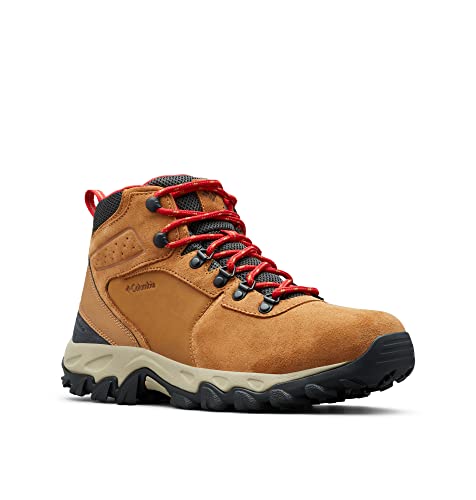
The Columbia Men's Transverse Waterproof Hiking Boot is a mid-cut outdoor trail boot built for hikers who need dependable moisture defense, underfoot stability, and structured comfort. Suitable for day hikers, weekend backpackers, and outdoor adventurers, this footwear is engineered to handle mixed-terrain environments where mud, puddles, and loose rock challenge standard athletic shoes. The Black and Mountain Red styling pairs an understated outdoor look with functional hardware tailored for male hikers seeking a size 11 profile.
Underfoot support and dependable ground contact are essential when carrying gear over varied elevation. Columbia pairs a Techlite midsole with an Omni-Grip multi-terrain rubber outsole to cushion impacts and maintain steady footing. The Techlite compound absorbs ground shock on packed trails and returns energy through each step, helping reduce foot fatigue over longer mileage. Working underneath, the Omni-Grip tread features strategically positioned perimeter and interior lugs designed to bite into dirt, loose gravel, and damp rocks without slipping unexpectedly.
Upper construction is critical for keeping trail debris out while maintaining durability against brush and abrasive rocks. The Transverse combines durable leather overlays with breathable mesh underlays, giving hikers solid lateral support without unnecessary bulk. Sturdy metal lacing hardware holds tension securely across the midfoot and upper ankle, resisting the wear and tear that can break standard fabric eyelets. Around the ankle, a generously cushioned collar softens pressure points and guards against chafing as the foot flexes on uneven trail surfaces.
Weather management is powered by Columbia's Omni-Tech multilayered system, featuring seam-sealed waterproof construction that protects feet during prolonged exposure to moderate rain, melting snow, and waterlogged paths. Because the membrane is engineered to breathe from the inside out, perspiration vapor can escape to help keep socks dry. Routine maintenance involves brushing away caked mud, allowing the boots to dry naturally at room temperature, and checking the laces and eyelets between outings to ensure ongoing trail reliability.
While the boot provides reliable weather defense and trail grip, clear functional tradeoffs should be considered. Waterproof boots naturally offer less air circulation than open-mesh trail runners, meaning feet may run warm during hot summer afternoons. Furthermore, the Transverse is oriented toward day hikes, weekend backpacking, and general trail exploration rather than technical mountaineering with heavy expedition loads. Buyers should always confirm their sock thickness and foot measurements against Columbia sizing guidelines before taking to the trail.
For hikers who want an affordable, weather-resistant trail boot built with trusted outdoor technologies, the Columbia Men's Transverse Waterproof Hiking Boot represents a practical and capable choice. Its balance of Omni-Tech waterproofing, responsive Techlite cushioning, and aggressive Omni-Grip traction provides the necessary trail security for exploring rainy woodlands, damp singletracks, and rocky switchbacks.
Columbia utilizes its proprietary Omni-Tech membrane in the Transverse hiking boot to guard against wet outdoor elements. This multilayered, seam-sealed barrier is specifically built for prolonged exposure to moderate rain, wet grass, and snow, stopping external moisture from seeping into the footbed. At the same time, microscopic pores allow internal heat and sweat vapor to vent outward, maintaining a dry and comfortable foot environment during active trail miles.
The Transverse features an Omni-Grip non-marking rubber outsole engineered for reliable cross-terrain stability. Built with specialized rubber compounds, the outsole employs strategically blended lug patterns to deliver multi-surface grip across wet rocks, loose gravel, and slippery mud. This tread geometry promotes forward momentum on ascents and braking stability on steep descents, giving hikers balanced confidence across varying trail conditions.

Pros
- Ankle-high waterproof build protects against puddles, wet mud, and shallow splashes
- Flexible EVA midsole and removable cushioned insole deliver immediate step-in comfort
- High-traction rubber outsole provides dependable grip on wet, muddy, and loose ground
- Multipurpose design suits day hiking, camping, light backpacking, and manual outdoor work
Cons
- Waterproof membrane reduces upper airflow in hot, dry summer weather compared to ventilated mesh footwear
- Lacks the rigid shank support required for technical mountaineering or crampon use
- Sizing is fixed to standard shoe lasts and may require aftermarket insoles for specialized arch shapes
The NORTIV 8 Men's Ankle High Waterproof Hiking Boots are built for day hikers, weekend backpackers, campers, and outdoor workers who need ankle stability and dependable wet-weather protection. Featuring an ankle-high silhouette in a brown, black, and tan colorway, this trail footwear caters to outdoor enthusiasts who navigate muddy paths, rocky forest tracks, and uneven ground. The design emphasizes immediate step-in cushioning and reliable traction, making it an appealing option for beginners and budget-minded hikers seeking functional outdoor footwear.
Underfoot cushioning and trail shock absorption rely on a balanced two-part comfort setup featuring lightweight EVA midsoles and removable cushioned insoles. The flexible EVA foam absorbs ground impact and provides responsive energy return, helping to minimize foot fatigue over long days on the trail. In addition, the removable shock-absorbent footbed allows hikers to remove the insoles to air out after wet outings or replace them with custom orthotics if specific arch support is needed.
Outsole traction and upper construction are specifically engineered for challenging, slick outdoor surfaces. The durable rubber outsoles feature pronounced, multidirectional lugs designed to grip mud, damp dirt, wet rocks, and loose gravel, minimizing slipping on steep ascents or slick descents. The ankle-high cut offers added lateral support and keeps trail debris from entering the footwear, while the waterproof upper helps keep feet dry during rainy hikes, dewy mornings, and shallow stream crossings.
Caring for and maintaining these boots is straightforward thanks to the synthetic upper and durable rubber foundation. Because the insoles can be taken out, drying the boots after rainy trail excursions or sweaty hikes is much faster, which helps preserve the internal materials and reduce odor buildup. Hikers should routinely brush dried mud from the outsole grooves to ensure the rubber lugs retain their intended grip on future outings.
While these boots deliver solid recreational performance across everyday outdoor activities, they do have practical footwear limitations. The waterproof barrier naturally limits upper ventilation during hot, dry summer hikes, which can cause feet to feel warm over extended mileage. Additionally, while the flexible sole excels on moderate trails, it lacks the rigid full-length shank needed for alpine mountaineering or heavy pack loads on jagged rock. For day hikers, weekend campers, and casual trail travelers wanting dependable grip, ankle coverage, and weather protection, these boots provide sensible, trail-ready utility.
The NORTIV 8 hiking boots are equipped with a high-traction rubber outsole engineered specifically for slippery and varied surfaces. The multidirectional lug pattern is shaped to dig into soft soil, mud, wet leaves, and loose gravel, giving hikers confident footing on rolling hills and uneven ground.
To maintain maximum grip, hikers should periodically clean packed mud from between the tread blocks, allowing the durable rubber compounds to make direct, secure contact with the trail surface.
Comfort is delivered primarily through a lightweight, flexible EVA midsole combined with a removable cushioned insole. This setup provides shock attenuation that dampens repetitive trail impacts, helping to keep foot fatigue manageable over miles of walking.
The removable nature of the insoles also means hikers with specific orthopedic requirements can easily insert personalized arch supports without overcrowding the interior of the boot.
These boots incorporate an ankle-high waterproof exterior designed to resist moisture from rain, wet grass, and trail puddles. The ankle-height collar provides extra barrier clearance compared to low-top hiking shoes, preventing shallow splashes from entering over the top.
Hikers should keep in mind that stepping into water deeper than the ankle collar will allow moisture inside, and waterproof footwear generally dries slower and retains more foot warmth than non-waterproof ventilated shoes.

Pros
- Ultra-lightweight 1.25 lb build (size 10) reduces foot and leg fatigue on extended hikes
- SL-TEX waterproof membrane and closed-cell tongue protect against puddle splashes, light rain, and trail debris
- Rubber anti-collision toe bumper adds critical protection against roots and rocks
- Removable memory foam insole and flexible EVA midsole offer dependable step cushioning
- Rugged rubber outsole provides steady multi-surface traction for mixed outdoor activities
Cons
- Synthetic suede upper requires thorough air drying and brushing after muddy excursions
- Mid-top ankle cut offers lighter lateral bracing than stiff, high-cut mountaineering boots carrying heavy expedition packs
- Reported 1.25 lb weight reflects size 10 and increases proportionately with larger foot sizes
The SHULOOK Men's Waterproof Hiking Boot is a mid-top trail boot built for day hikers, weekend backpackers, and outdoor enthusiasts seeking protective footgear without unnecessary weight. Featuring an ultra-light design tipping the scales at approximately 1.25 pounds for a men's size 10, this boot suits walkers, campers, and trekkers who want dependable ankle coverage, reliable underfoot cushioning, and all-weather readiness without dragging heavy footwear across the trail.
Underfoot performance relies on a balanced combination of a flexible EVA midsole and an advanced traction rubber outsole. The EVA midsole helps cushion step impact and provides energy return over packed dirt, loose gravel, and rolling woodland trails. Inside the shoe, a removable memory foam insole conforms to natural foot contours, supplying arch support and targeted heel cushioning to reduce foot fatigue during full days on your feet.
Upper construction centers around premium synthetic suede supported by an SL-TEX waterproof membrane that prevents exterior moisture from penetrating while allowing internal perspiration vapor to vent. To maintain a clean interior environment, the boot features a closed-cell tongue that shields against splashing rain, trail mud, and creeping sand. Durability is further enhanced by an integrated rubber anti-collision toe bumper that guards the front of the foot against stray roots and loose rocks.
Daily trail prep and maintenance are straightforward thanks to a standard lace-up system that allows quick tension adjustments along the instep and mid-top collar. The skin-friendly D01 interior lining promotes ventilation against hiking socks during warm-weather treks. To keep the boots performing over multiple seasons, hikers should brush away dried trail mud from the synthetic suede and allow the shoes to dry naturally at room temperature after wet outings.
Hikers should note realistic limitations regarding ankle support and water depth. While the mid-top height offers agile ankle coverage for day packs and light weekend loads, it does not provide the rigid, heavy-duty lateral immobilization found on stiff, full-grain leather mountaineering boots designed for heavy off-trail expedition loads. Additionally, while the SL-TEX barrier protects against wet grass and shallow puddles, water will enter over the collar during deep stream crossings.
For budget-conscious day hikers, casual weekend backpackers, and outdoor travelers who value lightweight comfort, the SHULOOK Mid-Top Hiking Boots present a capable and balanced choice. The combination of protective toe bumpers, responsive EVA cushioning, and dependable rubber traction makes them well-suited for neighborhood walks, state park trails, and light backpacking trips.
The SHULOOK hiking boots utilize a traditional lace-up closure that allows hikers to customize tension across the forefoot and mid-top collar for a secure, individualized fit. The removable memory foam insole contours to the foot, delivering built-in arch support and dedicated heel cushioning to absorb repetitive foot-strike shock.
An internal D01 lining promotes airflow around the footbed, helping to keep feet comfortable and dry during extended trail walks. The integrated closed-cell tongue further enhances comfort by buffering lace pressure across the instep while preventing trail grit and moisture from migrating inside.
The upper combines synthetic suede with an internal SL-TEX waterproof membrane designed to repel trail puddles, wet mud, and light rain. A reinforced rubber toe guard acts as a front bumper against loose rocks and trail obstacles, protecting both your toes and the forward upper material from premature wear.
Beneath the foot, the dual-layer sole architecture integrates a shock-absorbing EVA foam midsole with an advanced traction rubber outsole. The multi-directional rubber tread provides dependable grip across dirt paths, damp rocks, and gravel without adding excessive weight to your stride.
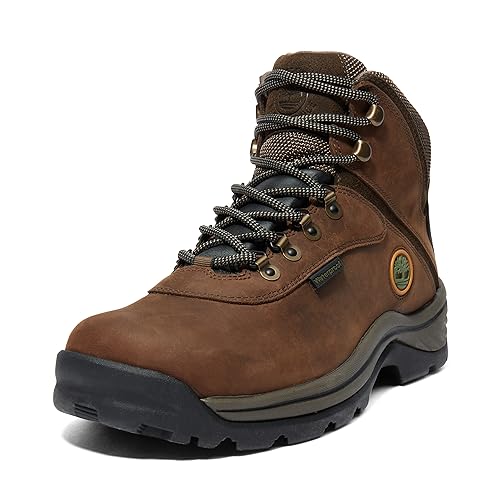
Pros
- Waterproof Premium Timberland Leather upper provides dependable trail weather protection
- Fully gusseted tongue effectively blocks moisture and debris along the lacing line
- Rustproof speed lace hardware with top hooks allows fast, secure lacing adjustments
- EVA midsole and footbed offer lightweight cushioning over uneven trail surfaces
Cons
- Listed weight of 3.23 pounds is noticeably heavier than lightweight trail running shoes
- Leather uppers require periodic cleaning and conditioning to maintain water resistance
- Specific size 11 Medium listing offers no alternative width options for wider feet
The Timberland Men's White Ledge Mid Waterproof Hiking Boot is a mid-cut leather trail boot built for day hikers, weekend campers, and backpackers who require sturdy ankle coverage and dependable weather protection. Designed in men's size 11 Medium, this footwear suits outdoor enthusiasts tackling uneven woodland paths, damp trails, and varied recreational routes. Hikers carrying daypacks or weekend loads often rely on mid-cut leather boots to balance ankle stability with dependable trail protection.
Trail performance centers on the waterproof Premium Timberland Leather upper combined with an integrated fully gusseted tongue. The gusseted design helps prevent trail grit, loose gravel, and surface water from slipping past the tongue into the boot interior. Underfoot, the EVA footbed and EVA midsole work together to absorb impact over rocky or packed-dirt surfaces, supporting feet during extended hours on the trail.
Material construction emphasizes resilient components for challenging outdoor environments. The exterior features waterproof leather paired with rustproof speed lace hardware, including dedicated lace hooks at the collar for fast tensioning. Inside the boot, a ReBOTL fabric lining incorporates recycled materials while providing comfortable contact against socks. The combination of rust-resistant metal hardware and sturdy leather panels supports long-term structural integrity through damp conditions.
Lacing adjustment and routine trail maintenance remain straightforward thanks to the hardware configuration. The lower speed lace eyelets allow smooth lace travel across the instep, while the upper hooks let hikers quickly tighten or loosen collar tension depending on trail inclines. To maintain waterproof performance and prolong leather life, users should remove caked mud after muddy hikes, allow the boots to air dry naturally away from direct heat, and treat the leather as recommended by the manufacturer.
Certain practical limitations exist based on product specifications. At a listed package weight of 3.23 pounds, these mid-cut leather boots carry more heft than lightweight mesh trail runners, which may be noticeable to ultralight hikers focused on minimizing foot fatigue. Additionally, this specific listing is tailored to a size 11 Medium, meaning hikers who require wide widths or different volume profiles will need to verify sizing carefully before heading out on multi-day treks.
For hikers and backpackers seeking traditional leather reliability, the Timberland White Ledge Mid offers a solid mix of waterproof protection, debris defense, and underfoot EVA cushioning. It is well suited for day hikers navigating muddy trail systems, weekend adventurers hauling moderate packs, and anyone wanting a proven mid-height waterproof boot in size 11 Medium.
The Timberland White Ledge Mid relies on a waterproof Premium Timberland Leather upper designed to shed rain, mud, and shallow trail puddles. A fully gusseted tongue adds critical defense by keeping water and trail debris from entering around the sides of the tongue. Hikers tackling wet grass, muddy singletrack, or light stream crossings benefit from this barrier, though maintaining the leather with appropriate waterproofing conditioner helps preserve moisture resistance over extended seasons.
Constructed with premium waterproof leather, rustproof metal hardware, and an eco-conscious ReBOTL fabric lining, this boot is engineered to withstand rough outdoor conditions. The rustproof speed lace system features sturdy top hooks that resist corrosion from wet weather and mud. An integrated EVA footbed and midsole provide durable underfoot cushioning that retains its shape across rocky trails and repeated day hikes.
This model is offered in a men's size 11 Medium, providing standard width volume through the toe box and midfoot. The rustproof speed lacing hardware allows quick adjustments across the instep, while upper collar hooks let wearers customize ankle tension for uphill climbs or downhill descents. Hikers planning extended trips with thick wool hiking socks should consider their personal sock volume when evaluating fit.
Matching Trail Footwear Mechanics to Terrain Demands and Pack Weights
Determining the right footwear for off-road travel requires looking past outward appearance and focusing on structural engineering. A hiking boot functions as a protective platform designed to absorb ground impact, stabilize the sub-talar joint, and shield the foot from trail hazards. When hikers evaluate options on the market, the real objective is identifying which construction best serves their specific trail terrain, load weight, and foot anatomy. Understanding how internal components work together enables you to select footwear that keeps you sure-footed and comfortable across long trail miles.
Ankle Collar Height Versus Torsional Rigidity
Many outdoor enthusiasts assume that a tall boot collar acts as an unyielding brace that stops lateral ankle rollover entirely. In biomechanical reality, a mid-cut collar primarily serves as a sensory guide and debris shield rather than a rigid structural lock. The cushioned collar informs your lower leg muscles when joint tilt occurs, prompting reflexive muscular stabilization. True defense against rollover comes from internal torsional rigidity, which prevents the boot sole from twisting unnaturally on off-camber surfaces.
Internal shank components, whether constructed from molded thermoplastic polyurethane, composite materials, or steel, provide this critical torsional stiffness. When stepping onto jagged granite or exposed roots, a rigid shank ensures the boot flexes only at the ball of the foot rather than twisting longitudinally through the arch. Without adequate torsional support, the foot musculature works continuously to balance the body, leading to rapid arch fatigue and increased risk of joint strain. Hikers carrying significant gear, especially when balancing loads in supportive framed hiking backpacks, require higher torsional rigidity to offset shifting center-of-gravity forces.
For gentle, groomed paths, a more flexible sole construction allows natural foot articulation and immediate agility. Uneven wilderness routes and off-trail scree demand substantial underfoot resistance to twisting forces. Evaluating where you hike most frequently dictates whether a flexible mid-cut boot or a torsionally stiff backpacking platform offers the proper level of joint protection.
Upper Materials and Waterproof Membrane Breathability
Upper construction determines how effectively a hiking boot resists external abrasions, seals out trail moisture, and manages internal foot perspiration. Premium full-grain leather, featured on durable boots like the Timberland White Ledge, creates a naturally tough exterior that repels trail debris and wet brush. Leather conforms gradually to the contours of the foot over repeated use, creating a personalized fit that synthetic fabrics rarely replicate. However, full leather builds carry more physical weight and require regular conditioning to maintain moisture resistance.
Synthetic uppers made from nylon mesh, synthetic suede, and engineered textile overlays provide lightweight trail agility straight out of the box. Boots utilizing synthetic builds, such as the SHULOOK lightweight ankle hiker or the Columbia Transverse, shed substantial weight compared to traditional leather footwear. These materials breathe well and require virtually no initial break-in period before comfortable trail use. The tradeoff involves reduced overall abrasion resistance when repeatedly scraping across sharp talus or coarse granite edges.
Waterproof barrier technologies, including proprietary systems like Columbia Omni-Tech and SL-TEX membranes, utilize microscopic pores that block liquid water droplets while releasing vaporized sweat. While these internal booties keep feet dry through shallow creek crossings and wet mud, they also restrict airflow compared to unlined footwear. In hot, arid conditions, waterproof membranes can trap perspiration, resulting in saturated socks and softened skin that becomes vulnerable to friction blisters. Matching the membrane design to your typical hiking climate ensures you stay protected without overheating your feet.
Midsole Cushioning Dynamics and Compression Under Load
The midsole layer sits directly between the inner footbed and the rubber outsole, serving as the primary shock absorption system of the boot. Most day hiking footwear relies on ethylene-vinyl acetate (EVA) foam, appreciated for its immediate plushness, light weight, and energy return. Columbia incorporates Techlite EVA foam into their designs to absorb sharp trail impacts on gravel and hardpack surfaces. EVA provides immediate walking comfort, making it an excellent choice for moderate trail outings and everyday outdoor use.
The functional limitation of standard EVA foam lies in its long-term resistance to compression packing. Over hundreds of trail miles, repetitive body weight and heavy pack loads compress the cellular structure of EVA, resulting in permanent thinning and diminished cushioning. Polyurethane midsoles, by contrast, are denser and substantially heavier, but they resist compression packing over years of rugged use. Hikers who frequently carry heavy multi-day backpacks often benefit from firmer, more resilient midsole compounds that do not bottom out under sustained stress.
Underfoot fatigue is closely linked to how well the midsole compound distributes plantar pressure across the entire footbed. When hiking long distances across rocky trails, improper cushioning allows sharp stones to telegraph upward into the metatarsals. Choosing a boot with a well-engineered midsole platform prevents stone bruising and reduces cumulative leg fatigue during full-day mountain excursions.
Outsole Tread Architecture and Wet-Rock Adhesion
Outsole performance depends on rubber compound formulations and physical tread architecture. Rubber compounds balance sticky grip against long-term abrasion durability; softer rubbers adhere securely to wet, polished granite but wear down quickly on dry rock. Firmer rubber compounds resist wear from abrasive trail grit, but they can slip on slick river crossings or damp wooden footbridges. Columbia Omni-Grip and NORTIV 8 traction systems utilize proprietary multi-terrain rubber compounds designed to balance grip across dirt, rock, and gravel.
Lug geometry dictates how effectively an outsole bites into unstable ground and sheds packed mud. Deep, widely spaced lugs prevent wet soil from caking between tread blocks, ensuring the boot maintains continuous ground bite. Conversely, tightly grouped lugs can pack solid with clay, effectively turning the boot sole into a slick, flat surface. Well-designed boots incorporate directional perimeter lugs that bite into steep ascents and self-clean with every flex of the foot.
Heel braking lugs represent another vital element of trail traction architecture. A distinct, undercut heel breast provides physical resistance when descending steep, loose dirt or decomposing granite slopes. As your body weight drives downward into the descent, the sharp forward edge of the heel lug digs into the soil to arrest forward momentum. Neglecting outsole tread design can compromise safety on technical downhill trail sections.
Anatomical Fit Mechanics and Downhill Toe Clearance
Achieving an accurate boot fit requires accounting for natural foot expansion that occurs during prolonged physical activity. Over several hours of continuous hiking, increased blood flow and repeated impact cause feet to swell slightly in both width and total volume. Trying on boots late in the afternoon or after physical exercise mimics this trail reality, helping you avoid purchasing an overly restrictive size. Always test footwear wearing the exact medium or heavy merino wool socks you intend to use on the trail.
Downhill toe bang represents one of the most painful fit failures experienced by hikers, often resulting in bruised or blackened toenails. When walking down steep mountain declines, the foot naturally slides forward inside the footwear if internal volume is too generous or lacing tension is loose. To prevent toes from striking the front of the toe box, proper sizing requires roughly a finger-width of clearance between the longest toe and the front of the boot when the heel is seated firmly against the back.
A practical method to evaluate fit is the downhill ramp test, which can be simulated on a steep incline board or descending a set of stairs. Stand on a downward angle and firmly tap your foot forward; if your toes crash into the front bumper, the boot is either too short or lacks sufficient midfoot volume lockdown. A roomy toe box allows natural metatarsal splay, which stabilizes the foot and reduces friction across bunions and the pinky toe.
Lacing Techniques for Heel Lockdown and Pressure Relief
Factory lacing straight out of the box rarely provides the customized tension distribution necessary for varied trail topography. When hikers experience persistent heel slippage on steep ascents, the resulting friction against the calcaneus quickly generates painful hot spots and blisters. You can resolve heel lift by employing a surgeon’s knot, which involves looping laces twice around each other at the ankle flex point before engaging the speed hooks. This simple friction twist locks lower-boot tension in place, holding the heel snugly in the rear pocket without overtightening the instep.
Hikers with high arches or sensitive dorsal nerves often suffer from numbness when standard cross-lacing pinches the top of the foot. Window lacing, also known as box lacing, bypasses specific eyelets across the painful instep zone to relieve downward pressure while keeping the surrounding zones secure. Timberland White Ledge and Columbia Transverse boots feature durable metal speed hooks that facilitate these custom tension adjustments quickly on the trail.
Managing trail friction also involves pairing customized lacing with appropriate legwear that does not bunch or bind at the boot collar. Wearing specialized apparel, such as knee supportive hiking pants, helps stabilize movement patterns while keeping loose fabric from interfering with your boot lacing system. Taking the time to dial in lacing tension before tackling technical trail sections protects skin integrity and optimizes overall energy transfer.
Structural Profiles Across Everyday and Rugged Trail Boots
Examining the specific attributes of popular trail boots clarifies how different designs cater to distinct outdoor objectives. The Timberland White Ledge Mid Waterproof Hiking Boot emphasizes rugged durability through its premium waterproof leather upper, fully gusseted tongue, and rustproof speed hardware. This model provides a classic leather feel, offering reliable abrasion protection and an EVA footbed suitable for moderate day hikes and varied terrain. The gusseted tongue construction acts as a barrier, preventing sand, muck, and rain from entering through the lacing closure.
The Columbia Transverse Waterproof Hiking Boot bridges the gap between lightweight trail flexibility and dependable weather resistance. Utilizing an Omni-Tech seam-sealed membrane, a Techlite high-energy-return EVA midsole, and Omni-Grip multi-terrain rubber, this boot balances shock absorption and wet-dry traction. Its combination of durable leather and breathable mesh upper panels delivers enhanced airflow compared to solid leather boots, making it versatile for changing seasonal conditions. Metal hardware and a padded collar ensure comfortable, long-lasting ankle hold.
For budget-conscious day hikers and mixed-use trail walkers, options like the NORTIV 8 Ankle High Waterproof Boot and the SHULOOK Waterproof Mid Hiker offer practical synthetic utility. The NORTIV 8 design focuses on lightweight EVA midsole flexibility, non-slip rubber outsoles, and removable shock-absorbent insoles for dependable all-day trail comfort. Meanwhile, the SHULOOK boot utilizes lightweight synthetic suede, an SL-TEX waterproof membrane, memory foam arch support, and an anti-collision rubber toe guard. These synthetic options provide immediate out-of-the-box comfort with virtually no break-in delay, serving day hikes and light trail adventures efficiently.
Conditioning Procedures, Cleaning Routines, and Midsole Longevity
Preserving the structural integrity and waterproof effectiveness of your hiking boots requires regular post-hike maintenance. After traveling through heavy mud or wet clay, dry soil pulls natural moisture out of leather uppers and clogs breathable synthetic pores. Use a soft nylon brush and lukewarm water to remove caked dirt from the upper materials and tread grooves; avoid harsh detergents that degrade factory water-repellent treatments. Never place wet boots near campfires, wood stoves, or forced-air radiators, as high heat embrittles leather fibers and melts cement adhesives bonding the outsole.
Full-grain and nubuck leather footwear benefits from periodic conditioning using manufacturer-approved water-based conditioning gels. Conditioning replenishes lost oils, preventing the leather from drying out and cracking at high-flex zones across the forefoot. When water stops beading on synthetic or leather uppers and instead begins soaking into the fabric, apply a fluorocarbon-free durable water repellent spray while the boots are damp. Restoring outer water repellency ensures the internal waterproof membrane continues to breathe efficiently without becoming waterlogged.
Knowing when to retire trail footwear is crucial for protecting knees, ankles, and spinal alignment from unnecessary stress. While rubber outsole lugs can show visual wear after several seasons, midsole foam often packs out before the tread wears completely smooth. If you notice persistent deep wrinkles along the EVA midsole, feel increased ground impact through your heels, or experience joint stiffness following routine hikes, the cushioning platform has likely exhausted its useful lifespan. Investing in timely replacement maintains proper musculoskeletal support on every outdoor adventure.
Ultimately, discovering the most effective hiking boots requires aligning footwear characteristics with your personal trail ambitions, foot volume, and typical pack weight. By evaluating upper durability, midsole shock absorption, outsole lug configuration, and anatomical toe clearance, you can make an informed choice that elevates trail comfort. A properly fitted boot functions as an extension of your body, providing the confidence and stability required to navigate steep climbs, muddy paths, and rugged descents with ease.



Write Your Review
No reviews yet. Be the first to share your experience!