


Stepping onto rocky, root-choked terrain with standard athletic sneakers often leads to bruised arches, rolled ankles, and damp socks before reaching the first scenic overlook. As day hikers and backcountry backpackers evaluate their trail gear, determining whether are hiking boots worth it stands out as one of the most practical footwear questions. Dedicated boots serve as the mechanical platform beneath every stride, directly influencing whether an uphill climb feels steady or exhausting. Pairing structured boots with breathable lightweight trail trousers establishes a reliable defense against rough elements and unpredictable trail conditions.
Modern outdoor footwear spans a wide design spectrum, ranging from flexible low-cut trail shoes to rigid mid-cut and high-cut designs built for rugged wilderness travel. Evaluating the balance between underfoot rock deflection, torsional stiffness, and overall footwear weight clarifies if traditional boots suit your personal hiking cadence. Factors such as carried pack weight, erratic mountain weather, and sensitive joints all play meaningful roles in this footwear choice. By examining how trail boots manage impact forces and environmental hazards, you can decide whether the investment genuinely enhances your outdoor journeys.

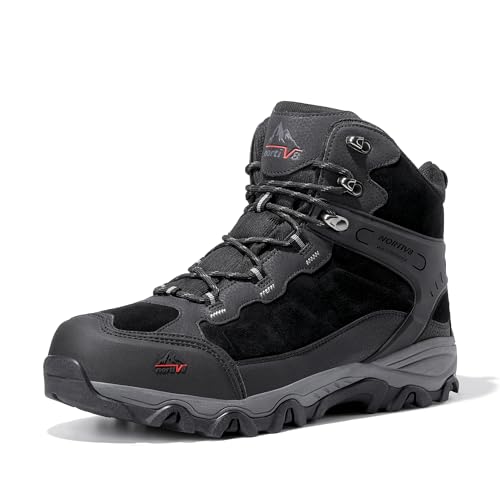


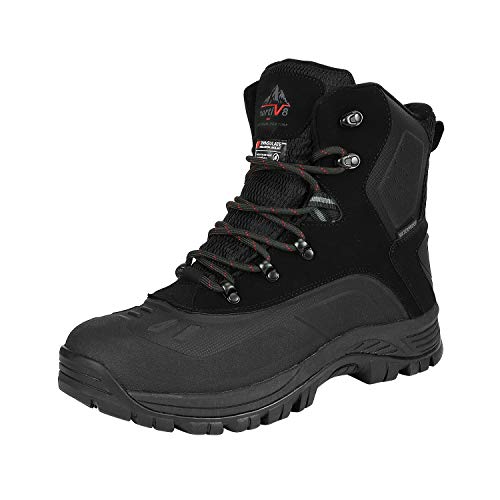
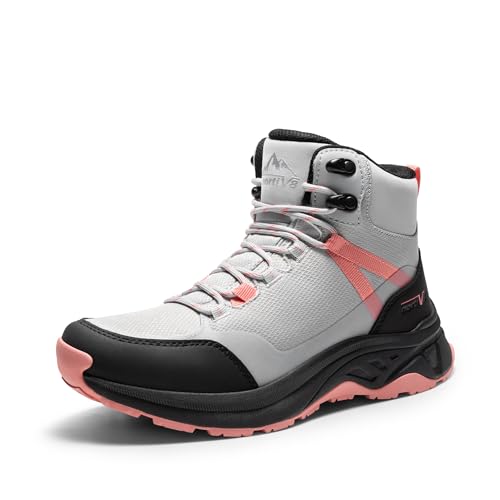
Evaluating Footwear Performance: When Sturdy Boots Justify the Investment
Deciding whether dedicated hiking boots merit a place in your outdoor kit depends directly on where you hike, what you carry, and how your feet respond to uneven ground. While lightweight athletic shoes handle manicured gravel loops adequately, unpredictable mountain routes introduce sharp rocks, loose scree, and slick stream crossings that quickly reveal the structural limits of casual footwear. Purpose-built hiking boots provide torsional chassis support, protective underfoot shielding, and deep traction lugs engineered to preserve joint comfort across challenging miles. Examining these functional systems in detail helps you make an informed gear investment that supports your trail objectives.
Ankle Support Realities: Collar Height Versus Torsional Rigidity
Many hikers assume that tall, padded collar foam alone prevents joint twists on rocky inclines. In reality, ankle stability originates primarily from the boot chassis and underfoot torsional stiffness rather than soft fabric wrapped around the lower leg. A rigid sole platform resists lateral twisting when your heel strikes an angled rock or off-camber tree root. While a padded collar shields sensitive ankle bones from trail abrasions and keeps wandering scree out, underfoot resistance to torsion delivers the genuine mechanical stabilization.
Footwear manufacturers achieve this vital rigidity by embedding composite, molded nylon, or thermoplastic polyurethane shanks between the midsole and outsole. Technical boots frequently incorporate resilient internal shanks, such as Y-shaped stabilizers, to reinforce the midfoot while allowing natural forefoot flex during toe-off. This underfoot backbone prevents the footwear from twisting diagonally when negotiating angled granite slabs. Hikers navigating loose scree or uneven backcountry paths benefit significantly from this structured base, which relieves the muscular workload on stabilizing lower-leg tendons.
On groomed dirt paths, excessive chassis stiffness can feel overly restrictive and unnecessary. Flexible trail shoes permit unrestrained foot articulation, which can build lower-leg tendon resilience over time on predictable terrain. However, as trail surfaces turn technical and foot placements become erratic, muscle fatigue accumulates rapidly in flexible footwear. Boots equipped with structured heel counters and supportive shanks minimize the continuous micro-adjustments that would otherwise exhaust your ankles before completing a strenuous hike.
Underfoot Protection: Shanks, Rock Plates, and Stone Bruise Defense
Trekking across jagged limestone, gravel paths, and exposed granite roots in thin-soled athletic shoes often results in painful stone bruises on the balls of your feet. Purpose-built hiking boots prevent this impact trauma by integrating thick rubber outsoles, firm midsoles, and internal protective plates. These dense underfoot layers disperse the focused pressure of sharp trail hazards across a wider surface area before impact reaches the metatarsal bones. This shielding prevents localized foot inflammation that frequently cuts multi-day outings short.
Protective toe bumpers represent another essential barrier feature integrated into durable hiking boots. Sturdy molded rubber caps wrap securely over the front vamp, safeguarding your toes when you inadvertently kick hidden roots or loose trail rocks. In thin athletic trainers, a similar front collision can cause painful bruising or subungual bleeding under the toenails. Reinforced toe rand construction absorbs direct forward impacts, ensuring that accidental stumbles remain painless even as physical fatigue sets in.
Rigid heel counters constructed from thermo-polyurethane or dense synthetic materials deliver critical rearfoot stability. This cup keeps the calcaneus securely centered upon heel strike, preventing the rearfoot from sliding laterally on uneven terrain. Anchoring the heel in place minimizes internal friction that generates deep blisters across long downhill gradients. Over successive days of rugged trekking, this continuous perimeter protection shields vulnerable foot joints far better than flexible road-running shoes.
Midsole Resilience: EVA Agility Versus Polyurethane Longevity
The midsole represents the primary shock-absorbing layer resting between your removable insole and the outer rubber tread. Most lightweight day-hiking boots utilize compression-molded ethylene-vinyl acetate, commonly known as EVA, which provides plush running-shoe comfort immediately upon first wear. EVA foam absorbs ground impact effectively and keeps overall footwear weight minimal for casual outings. However, standard EVA midsoles tend to pack out permanently over high mileage, gradually losing rebound elasticity and thinning under sustained body weight.
Heavier backpacking boots often incorporate poured polyurethane midsoles, which deliver exceptional compression resistance and lasting structural integrity. Polyurethane foam feels noticeably firmer during initial strides, but it preserves its supportive cushioning geometry across hundreds of rugged trail miles without packing flat. This resilient structural density prevents the bottom of your feet from absorbing continuous ground vibration during demanding wilderness treks. While polyurethane adds slight weight, its long-term durability makes it an outstanding choice for backpackers carrying gear loads.
Matching midsole composition to your hiking style ensures that your joints remain fresh throughout a demanding journey. If you primarily undertake moderate day hikes on well-maintained paths, flexible EVA cushioning provides immediate satisfaction without requiring an extended break-in period. Conversely, hikers who explore remote backcountry routes benefit from the unyielding support of dense polyurethane compounds. Choosing appropriate midsole resilience cushions joints from repetitive strain, helping diminish soreness across the knees and lower back.
Traction Architecture: Lug Depth, Rubber Grip, and Descent Braking
The outsole tread pattern governs how securely your footwear engages with slippery or unconsolidated trail surfaces. Casual sneakers feature shallow, tightly clustered grooves that clog with mud almost instantly, transforming the sole into a slick, traction-free surface. Purpose-built hiking boots incorporate aggressive multi-directional lugs, often measuring between four and seven millimeters in depth, designed to bite into damp soil, wet scree, and loose forest duff. Generous spacing between perimeter lugs allows the outsole to shed accumulated mud naturally as the sole flexes during walking.
Rubber compound formulation plays a vital role in keeping your footing secure on wet, polished trail obstacles. Softer, tacky rubber blends deliver dependable surface friction when scrambling across wet granite slabs, damp river boulders, and exposed roots. Harder rubber compounds, by comparison, resist premature abrasion on sharp talus and volcanic scree, though they sacrifice slight adhesion on smooth, wet rocks. Many outdoor footwear designs utilize multi-zone tread patterns, blending sticky center lugs for surface grip with durable perimeter lugs for stable edging.
Descent braking lugs integrated into the heel profile represent an essential safety mechanism for steep trails. An undercut heel breast creates a sharp, defined ledge that acts as an integrated brake when planting your foot on loose downhill gradients. This specialized heel geometry prevents uncontrolled forward slides on loose gravel, where flat athletic soles often lose contact. Wearing protective pants for rough terrain alongside reliable descent braking lugs helps stabilize your posture, taking unnecessary strain off tired knee joints.
Weather Protection: Waterproof Membranes Versus Trail Breathability
Negotiating marshy trail sections, shallow stream edges, and lingering mountain snow requires dependable barrier protection against external wetness. Waterproof hiking boots feature internal microporous booties positioned between the outer shell and the interior lining fabric. These specialized liners incorporate microscopic pores that block liquid water droplets from penetrating inward, while allowing warm perspiration vapor to vent outward. When paired with gusseted bellows tongues that seal the ankle opening, these boots keep your feet dry through muddy ruts and persistent rain.
Despite the functional utility of waterproof membranes, internal climate control involves distinct physical tradeoffs. In hot, arid trail environments, the rate of internal foot sweat can easily overwhelm the membrane’s venting capacity, leaving socks damp from trapped moisture. Furthermore, if water overtops the collar during a deep stream crossing, a waterproof boot traps that liquid inside, taking hours or days to dry completely. For desert canyon trekking or routes involving frequent knee-deep wades, non-waterproof ventilated footwear often dries faster and keeps feet cooler.
Conversely, hiking in damp, cold shoulder-season conditions shifts the advantage decisively toward waterproof protection. Cold, saturated feet drastically accelerate the development of painful friction blisters and skin maceration on exposed mountain passes. Some insulated models enhance this barrier by adding synthetic thermal layers, such as two-hundred-gram insulation, which trap body heat when traversing snow or frozen trails. Choosing appropriate moisture technology based on prevailing weather patterns ensures your feet remain warm, dry, and blister-free.
The Weight Penalty: Footwear Mass Versus Leg Muscle Fatigue
A central debate surrounding traditional hiking boots centers on total footwear mass and energy expenditure. An enduring outdoor guideline suggests that one pound on your feet equals roughly five pounds on your back in terms of metabolic effort. Lifting substantial, thick-soled boots across thousands of strides over an extensive day hike burns more physical energy than wearing featherweight trail shoes. For fast-and-light hikers covering long trail miles on smooth surfaces, heavy footwear can contribute to noticeable muscle fatigue in the calves and hip flexors.
However, the metabolic cost of boot weight must be weighed against the physical energy wasted on unstable foot placements. Walking across sharp, shifting talus in flexible shoes forces your foot and ankle muscles to make continuous micro-adjustments to stay balanced. This constant muscular tension burns energy rapidly, often leaving feet sore and exhausted well before the hike concludes. A supportive hiking boot acts as a rigid, protective platform that absorbs trail irregularities for you, offsetting its physical heft by reducing stabilizer muscle fatigue.
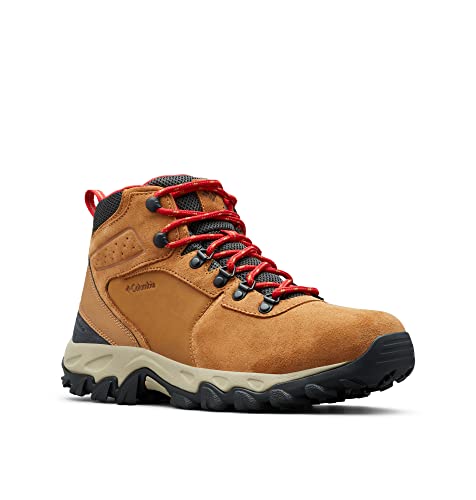
Modern boot designs have also minimized this weight gap through clever hybrid material constructions. Contemporary trail boots frequently blend abrasion-resistant synthetic oxford fabrics, split suede overlays, and lightweight EVA midsoles to provide mid-cut stability without excessive heft. Rather than locking you into rigid three-pound mountain boots, current footwear offers agile options that feel remarkably nimble on foot. This design evolution allows hikers to enjoy enhanced stability and rock protection without enduring unnecessary fatigue on long trails.
Pack Load Dynamics: How Backpack Weight Demands Structured Soles
The total weight resting on your shoulders plays a decisive role in determining the structural support your feet require. On casual day hikes with a small pack carrying only hydration and basic trail snacks, your natural foot architecture easily handles the light load. Flexible trail shoes or cushioned low-cut shoes supply sufficient stability for these short outings. Your arches and ankle tendons do not face severe downward compression, allowing you to prioritize agile movement and maximum ventilation.
The mechanical equation changes significantly once you shoulder a heavy multiday pack packed with camping gear, food supplies, and several liters of water. Carrying thirty to forty pounds or more elevates your center of gravity, multiplying the compressive downward force applied to your foot arches and ankles with every step. Combining heavy load-bearing backpacks with flexible, unstructured footwear forces small foot muscles to work past exhaustion, increasing the risk of arch collapse, plantar fascia strain, and joint sprains.
A supportive hiking boot provides the external structural chassis required to absorb this expanded downward payload. Firm midsoles and internal composite shanks prevent the footwear from sagging under pack weight, maintaining healthy foot alignment across prolonged backcountry miles. A molded heel counter also holds the rearfoot firmly in place, stopping the heel from shifting inside the shoe when climbing steep grades under load. For multiday backpacking expeditions, the torsional support of a dedicated boot is indispensable for overall joint safety.
Fit and Blister Prevention: Addressing Downhill Toe Bang and Heel Lift
Achieving a precise fit represents the single most important factor determining whether your trail boots deliver comfort or agony. During steep descents, gravity naturally forces your foot forward within the interior volume of the footwear. If your boots lack adequate length or midfoot lockdown, your toes will repeatedly impact the front toe bumper, resulting in black toenails and painful nerve bruising. Choosing a half-size larger than your standard street shoes generally ensures the necessary finger-width clearance ahead of your longest toe to prevent downhill toe bang.
Heel security is equally vital for eliminating the repetitive friction that causes painful heel blisters on steep climbs. When your heel slips upward out of the rear pocket with every stride, the rubbing against internal linings quickly abrades outer skin layers. Dedicated hiking boots counteract this movement through versatile lacing systems, enabling you to tie a surgeon’s knot or window lacing over high insteps. Locking lace tension firmly across the instep holds the heel back in the padded heel counter without exerting painful pressure over your metatarsals.
Hikers with distinct foot profiles, such as wide forefeet, high insteps, or bunions, must choose boot lasts that mirror their natural foot shape. Many modern trail boots incorporate wide, anatomical toe boxes that permit your toes to splay comfortably on descent, relieving lateral pinch points. Furthermore, removable cushioned insoles make it easy to insert supportive aftermarket orthotics for customized arch support and plantar fasciitis relief. Spending time dialing in boot volume and lacing patterns ensures that your footwear provides dependable support rather than friction.
The Trail Decision: Determining When Boots Outperform Trail Shoes
Deciding whether hiking boots are truly worth the purchase ultimately requires matching footwear characteristics to your specific outdoor terrain. If your trail outings consist primarily of well-maintained dirt paths, dry gravel loops, and light day packs, lightweight athletic shoes or trail runners will serve you comfortably while preserving physical energy. You do not need to invest in stiff, high-cut boots if you rarely encounter technical rocks, saturated mud, or multiday pack weights. In these gentle conditions, flexible breathability and lightweight mobility offer genuine advantages.
However, when your hiking horizons extend into rocky alpine routes, off-camber paths, unpredictable weather, and multiday backpacking trips, dedicated hiking boots become undeniably worth the investment. The physical protection provided by internal shanks, dense rubber outsoles, protective toe caps, and waterproof membranes shields your feet from trail hazards and premature fatigue. Investing in dependable trail footwear preserves your joints, prevents debilitating blisters, and delivers the confident grip necessary to explore rugged wilderness landscapes safely. Matching your footwear choice to trail realities ensures comfortable and rewarding journeys with every mile.


Write Your Review
No reviews yet. Be the first to share your experience!