


Foot strain from rocky inclines and descending uneven terrain often leaves outdoor enthusiasts questioning their gear choices. When stiff footwear feels heavy out of the box, hikers naturally wonder if are hiking boots comfortable for sustained backcountry mileage. True trail comfort does not mirror the pillowy softness of casual running sneakers; rather, it centers on torsional rigidity, arch stabilization, and reliable underfoot protection against jagged roots and sharp granite. Pairing proper footwear with flexible clothing like lightweight hiking pants helps establish an agile foundation that prevents lower-body fatigue across varying elevations.
Traditional boots once carried a reputation for feeling clunky and restrictive, but modern manufacturing uses lightweight synthetic textiles and dual-density foam midsoles to improve ergonomics. Achieving all-day trail ease requires matching footwear volume to natural foot anatomy while understanding how moisture barriers and lacing tension influence internal friction. Hikers who dial in their sizing, condition their uppers progressively, and select high-density wool socks can experience dependable stability that protects joints across challenging routes. Understanding what drives hiking boot comfort ensures you make confident decisions before tackling rugged elevation gains.

Pros
- Ankle-high waterproof build protects against puddles, wet mud, and shallow splashes
- Flexible EVA midsole and removable cushioned insole deliver immediate step-in comfort
- High-traction rubber outsole provides dependable grip on wet, muddy, and loose ground
- Multipurpose design suits day hiking, camping, light backpacking, and manual outdoor work
Cons
- Waterproof membrane reduces upper airflow in hot, dry summer weather compared to ventilated mesh footwear
- Lacks the rigid shank support required for technical mountaineering or crampon use
- Sizing is fixed to standard shoe lasts and may require aftermarket insoles for specialized arch shapes
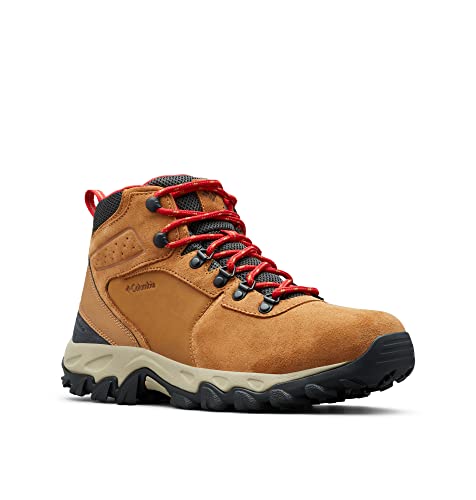
The NORTIV 8 Men's Ankle High Waterproof Hiking Boots are built for day hikers, weekend backpackers, campers, and outdoor workers who need ankle stability and dependable wet-weather protection. Featuring an ankle-high silhouette in a brown, black, and tan colorway, this trail footwear caters to outdoor enthusiasts who navigate muddy paths, rocky forest tracks, and uneven ground. The design emphasizes immediate step-in cushioning and reliable traction, making it an appealing option for beginners and budget-minded hikers seeking functional outdoor footwear.
Underfoot cushioning and trail shock absorption rely on a balanced two-part comfort setup featuring lightweight EVA midsoles and removable cushioned insoles. The flexible EVA foam absorbs ground impact and provides responsive energy return, helping to minimize foot fatigue over long days on the trail. In addition, the removable shock-absorbent footbed allows hikers to remove the insoles to air out after wet outings or replace them with custom orthotics if specific arch support is needed.
Outsole traction and upper construction are specifically engineered for challenging, slick outdoor surfaces. The durable rubber outsoles feature pronounced, multidirectional lugs designed to grip mud, damp dirt, wet rocks, and loose gravel, minimizing slipping on steep ascents or slick descents. The ankle-high cut offers added lateral support and keeps trail debris from entering the footwear, while the waterproof upper helps keep feet dry during rainy hikes, dewy mornings, and shallow stream crossings.
Caring for and maintaining these boots is straightforward thanks to the synthetic upper and durable rubber foundation. Because the insoles can be taken out, drying the boots after rainy trail excursions or sweaty hikes is much faster, which helps preserve the internal materials and reduce odor buildup. Hikers should routinely brush dried mud from the outsole grooves to ensure the rubber lugs retain their intended grip on future outings.
While these boots deliver solid recreational performance across everyday outdoor activities, they do have practical footwear limitations. The waterproof barrier naturally limits upper ventilation during hot, dry summer hikes, which can cause feet to feel warm over extended mileage. Additionally, while the flexible sole excels on moderate trails, it lacks the rigid full-length shank needed for alpine mountaineering or heavy pack loads on jagged rock. For day hikers, weekend campers, and casual trail travelers wanting dependable grip, ankle coverage, and weather protection, these boots provide sensible, trail-ready utility.
The NORTIV 8 hiking boots are equipped with a high-traction rubber outsole engineered specifically for slippery and varied surfaces. The multidirectional lug pattern is shaped to dig into soft soil, mud, wet leaves, and loose gravel, giving hikers confident footing on rolling hills and uneven ground.
To maintain maximum grip, hikers should periodically clean packed mud from between the tread blocks, allowing the durable rubber compounds to make direct, secure contact with the trail surface.
Comfort is delivered primarily through a lightweight, flexible EVA midsole combined with a removable cushioned insole. This setup provides shock attenuation that dampens repetitive trail impacts, helping to keep foot fatigue manageable over miles of walking.
The removable nature of the insoles also means hikers with specific orthopedic requirements can easily insert personalized arch supports without overcrowding the interior of the boot.
These boots incorporate an ankle-high waterproof exterior designed to resist moisture from rain, wet grass, and trail puddles. The ankle-height collar provides extra barrier clearance compared to low-top hiking shoes, preventing shallow splashes from entering over the top.
Hikers should keep in mind that stepping into water deeper than the ankle collar will allow moisture inside, and waterproof footwear generally dries slower and retains more foot warmth than non-waterproof ventilated shoes.

Pros
- High 70% merino wool content delivers dependable thermal warmth for cold-weather trail outings
- Generous 5-pair multipack makes it easy to pack dedicated dry sleep socks and trail spares into a backpack
- Spandex blend provides sufficient elasticity to accommodate women's shoe sizes 6 through 10
- Crew length pairs comfortably with mid-cut and high-cut hiking boots
Cons
- Care instructions recommend hand washing and avoiding heat, requiring more maintenance than standard synthetic socks
- One-size design for women's sizes 6-10 does not accommodate very small or larger foot profiles
- Product specifications do not list targeted anatomical cushioning zones or graduated arch compression
The MQELONG Merino Wool Socks are thermal crew-length boot socks designed as essential cold-weather trail accessories for women. While primary pack hardware like suspension and frames handle carried loads, reliable foot insulation is an equally critical component of any backcountry packing list. These socks are aimed at day hikers, winter walkers, weekend backpackers, and campers who need dependable thermal foot protection without spending top-tier prices for individual pairs.
On the trail, foot comfort relies heavily on fabric composition, especially when temperatures drop. These socks feature a blend of 70% merino wool, 22% polyester, and 8% spandex. Merino wool is recognized for its natural ability to insulate and manage moisture, making this knit practical for chilly morning starts, damp trail conditions, and cold-weather camp setups. The listed size range fits US women's shoe sizes 6 through 10, utilizing the integrated spandex to grip the foot and stay upright inside mid-cut or high-cut hiking boots.
Construction quality centers around a thick, cozy knit structure that provides a soft barrier between the foot and the inner lining of hiking footwear. The 22% polyester content adds structural strength to the yarn, which helps the knit hold up against the repeated friction generated inside a boot. The crew-height design extends well above the ankle, preventing stiff boot collars from rubbing against bare skin and keeping trail duff, pine needles, and cold drafts off the lower leg.
For backpackers organizing gear in a multi-day pack, having clean, dry socks is a major safety and comfort consideration. Because this package includes five pairs, hikers can easily roll two or three sets into a dry bag or stuff sack to ensure they have dedicated sleeping socks and backup pairs for creek crossings. Maintenance requires conscious care: the manufacturer suggests hand washing and advises against ironing, which helps protect the natural elasticity of the wool fibers between weekend trips.
These socks carry clear practical limitations that trail users should weigh before heading into technical terrain. Sizing is restricted to a single range covering women's shoe sizes 6 to 10, meaning hikers with narrower, wider, or larger feet may experience loose bunching or tight toes. Furthermore, the product data does not indicate specific technical trail features such as targeted heel-strike padding, ventilated mesh insteps, or specialized arch bands found on dedicated endurance hiking socks.
Overall, the MQELONG Merino Wool Hiking Socks represent a solid, budget-conscious choice for casual hikers, winter campers, and travelers stocking their packs for cooler weather. The high merino wool ratio and multipack value make them a functional addition to any daypack or overnight gear list where warmth, soft comfort, and extra trail spares are needed.
The fabric blend consists of 70% merino wool, 22% polyester, and 8% spandex. This combination allows the natural thermal properties of wool to dominate, while synthetic fibers provide structural integrity and stretch retention across trail use.
To maintain the soft feel and elasticity of the knit, the manufacturer recommends hand washing and specifically advises against ironing. Backpackers should air-dry these socks completely before storing them in gear closets or compression dry sacks between outings.
These socks are built to fit standard US women's shoe sizes 6 through 10. The 8% spandex integration allows the fabric to stretch over the foot and contour along the lower calf.
Because this is a one-size offering, hikers with feet outside the 6-10 shoe size bracket should verify their fit before committing to long treks to avoid excess material bunching inside hiking footwear.

Pros
- Waterproof membrane and rubber detailing offer dependable moisture protection in wet trail conditions
- Aggressive lugged rubber outsole delivers solid traction on varied, slippery surfaces
- Reinforced toe cap provides essential protection against rocky obstacles and roots
- Padded ankle collar and cushioned heel cup support trail comfort over uneven ground
Cons
- Suede upper construction requires routine brush cleaning and careful drying compared to smooth synthetics
- Listed specifically in size 8, requiring precise sizing verification for hikers who use thick socks
- Waterproof membrane construction naturally reduces breathability during hot summer hikes
The NORTIV 8 Women's Waterproof Hiking Boots in size 8 are mid-height trail boots designed for recreational day hikers, weekend backpackers, and outdoor enthusiasts who encounter wet, muddy, or uneven trails. Featuring an all-black soft suede upper paired with an integrated waterproof lining, these boots cater to hikers needing basic trail protection, impact defense, and ankle stability without a lengthy break-in process.
On the trail, footing and moisture management dictate overall comfort, especially when navigating muddy paths or shallow stream crossings. The waterproof membrane works alongside rubber detailing on the upper to prevent water penetration when stepping through puddles. Underfoot, the textured rubber outsole is molded with an aggressive tread pattern designed to bite into dirt, loose gravel, and slippery trail surfaces, helping hikers maintain stability while carrying a daypack or light load.
Construction focuses on durability and fundamental foot protection against common trail obstacles. A soft suede upper provides natural wear resistance against brush and grit, while a dedicated protective toe cap shields the front of the foot from inadvertent kicks against roots and rocks. Inside the boot, a flexible insole with a defined heel cup provides cushioning and micro arch support, paired with a padded collar that wraps the ankle to reduce pressure and trail friction.
Managing and caring for these boots involves simple adjustments and routine post-hike maintenance. The lace-up closure allows wearers to secure the ankle and adjust forefoot tension before tackling steep ascents or technical descents. After muddy or wet outings, the suede upper should be allowed to air dry away from direct heat sources, and dried dirt can be brushed off to maintain the flexibility and appearance of the materials.
Potential buyers should consider a few practical limitations inherent to waterproof suede footwear. While the waterproof membrane is valuable in cool or wet environments, waterproof barriers naturally reduce air exchange, which may cause feet to feel warm during high-temperature summer treks. Additionally, suede uppers require regular gentle cleaning to avoid soil buildup, and this specific listing reflects a standard size 8 fit that may require sock adjustments depending on individual foot volume.
For day hikers, campers, and casual trail travelers seeking an accessible, puddle-ready boot with reliable traction and toe protection, these NORTIV 8 boots offer a functional balance of support and weather resistance. They are especially practical for morning hikes through damp grass, woodland trails with hidden stones, and cooler shoulder-season trail walks.
The upper combines soft suede leather with protective rubber detailing to balance flexible walking comfort with outer wear resistance. Suede holds up well against surface abrasion from low trail brush and dry trail debris.
A molded protective toe cap covers the front of the boot, absorbing direct impacts from loose stones and embedded trail roots. The aggressive rubber outsole is formulated to resist premature tread wear while maintaining traction across varied outdoor surfaces.
This model is built as a women's size 8 in a standard profile. The traditional lacing system allows hikers to adjust instep tension and seat the heel firmly into the cushioned heel cup.
The padded collar provides direct support around the lower shin and ankle joint. Hikers planning to wear thick cushioned hiking socks may want to evaluate their standard fit preferences to ensure adequate toe room against the protective front cap.
These boots suit day hikes across woodland trails, state park routes, and rolling terrain where damp spots, mud, or stream banks are present. The waterproof membrane keeps feet dry during unexpected rain or puddle crossings.
The textured rubber outsole provides reliable grip when navigating loose earth, damp leaves, and rocky ascents. Combined with the cushioned insole, the boot helps manage step fatigue during typical recreational outings.
Routine care helps extend the life of suede and waterproof membranes. After muddy hikes, let mud dry naturally before using a soft nylon brush to remove surface soil from the suede and seams.
Avoid placing wet boots next to high heat or campfires, as excessive heat can compromise adhesives and dry out natural suede leather. Air drying in a well-ventilated area preserves material flexibility.
Pros
- Seam-sealed waterproof leather and suede upper guards against moisture on wet trails
- TECHLITE midsole provides lightweight cushioning and energy return for long walking comfort
- Omni-GRIP non-marking rubber outsole offers multi-terrain grip across three seasons
- Reinforced toe and heel barriers with extended toe overwrap protect high-wear zones
Cons
- Mid-cut leather and suede build may feel warmer during peak high-temperature summer hikes than mesh trail runners
- Suede and leather materials require routine brushing and proper drying to maintain condition over time
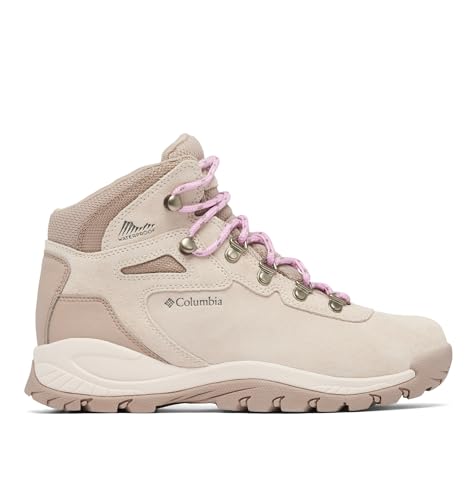
The Columbia Women's Newton Ridge Plus Waterproof Amped is a mid-cut hiking boot built for day hikers, outdoor travelers, and trail walkers seeking reliable weather protection and foot stability. Designed in a classic mountaineering style, this women's model in size 7.5 combines a seam-sealed waterproof barrier with a supportive leather and suede upper. It serves as a dependable footwear foundation for hikers navigating damp paths, dirt trails, and mixed terrain during three-season adventures.
Trail performance centers on the combination of Columbia's proprietary TECHLITE midsole and Omni-GRIP rubber outsole. The lightweight TECHLITE midsole delivers durable cushioning and responsive energy return, which helps buffer impacts when walking on firm or rocky ground. Beneath that, the non-marking Omni-GRIP rubber outsole provides multi-surface traction designed to handle changing conditions from spring mud to dry autumnal paths. The mid-cut height adds structural ankle coverage, making it practical for hikers carrying daypacks over uneven singletrack.
Construction quality is highlighted by purposeful reinforcements at high-stress areas. Columbia integrates reinforced toe and heel barriers, complemented by an extended outsole toe overwrap to protect against scuffs and impacts from trail debris. The upper blends durable suede and leather with sealed seams, forming an effective barrier against puddles and light rain while maintaining upper-foot structure. Metal hardware accents support secure lacing across the mid-cut collar to ensure steady foot placement.
Practical ownership involves straightforward care and trail preparation. Because the upper combines genuine leather and suede, clearing away dried mud with a soft brush and allowing the boots to air-dry at room temperature helps preserve material flexibility and finish. Users should adjust lace tension across the midfoot and ankle collar to achieve a secure fit before starting longer hikes, particularly when pairing the boots with cushioned hiking socks.
Buyers should consider a few practical boundaries inherent to waterproof leather footwear. While the seam-sealed construction keeps external moisture out, leather and suede mid-cut boots naturally offer less airflow than lightweight, open-mesh trail running shoes during hot midsummer hikes. Additionally, the manufacturer designates this model for versatile three-season use, meaning it is not insulated for severe winter conditions or alpine snow travel.
For hikers seeking a classic, durable mid-cut trail boot, the Columbia Women's Newton Ridge Plus Waterproof Amped offers solid practical value. Its balance of seam-sealed waterproofing, protective toe reinforcement, responsive midsole cushioning, and multi-terrain traction makes it a sensible choice for weekend day hikes, camping trips, and damp trail excursions.
The upper combines supportive leather and suede with a seam-sealed waterproof membrane designed to keep feet dry in damp outdoor settings. Heavy-wear areas benefit from reinforced toe and heel counters, along with an outsole toe wrap that resists trail scuffs.
Underneath, the non-marking Omni-GRIP rubber compound provides grip across dry soil, loose gravel, and damp rock surfaces. This makes the boot adaptable across three-season hiking environments without leaving marks on indoor surfaces.
This specific model is listed in women's U.S. size 7.5 in the Dark Stone and Cosmos color option. The mid-cut profile provides collar height around the ankle, which can be secured using the integrated lacing hardware for tailored stability.
Hikers planning on using medium to heavy cushioned hiking socks should verify their sizing preferences to ensure adequate toe room during descent on sloping trails.
The Realities of Trail Footwear Comfort: What Determines How Boots Feel
The short answer is yes, modern hiking boots can be exceptionally comfortable when properly selected and fitted. But trail comfort represents structural protection rather than plush, sinking softness. A walking shoe built for paved streets absorbs vertical impact, whereas a trail boot must also counteract side-to-side twisting on unstable rock. Recognizing how support, internal volume, moisture regulation, and outsole grip interact allows you to identify footwear that keeps your feet fresh over long distances.
Support Versus Cushioning: The Biomechanics of Trail Comfort
Plush foam feels welcoming during the first mile of a walk, but soft materials can allow your foot to roll inward on uneven surfaces. This constant micro-wobble forces the intrinsic muscles of the foot and ankle to overwork, resulting in acute arch fatigue by midday. Hiking boots solve this challenge by integrating semi-rigid internal shanks and firm midsoles that form a stable platform. This firm foundation prevents rocks from bruising the soles of your feet while keeping the plantar fascia from overstretching.
Midsoles crafted from compression-molded ethylene-vinyl acetate (EVA) balance this structural rigidity by delivering lightweight shock absorption. Footwear options like the NORTIV 8 Men’s Ankle High Waterproof Hiking boots utilize flexible EVA midsoles engineered to reduce foot fatigue and absorb sharp ground impact. Unlike overly dense work boots, lightweight trail midsoles rebound with every step to minimize muscular exhaustion across steep switchbacks. The result is a balanced underfoot feel that cushions vertical strides while maintaining firm torsional stability.
Sizing, Volume, and Foot Anatomy: Why Fit Overrides Softness
Even the most advanced footwear will cause severe discomfort if the internal volume does not match your foot shape. Feet naturally expand and swell by a half-size or more during continuous hiking due to increased blood flow and gravity. A boot that feels snug in the morning can easily generate hot spots or dorsal nerve pinch by late afternoon. Experienced hikers generally recommend leaving roughly a finger width of space between your heel and the boot collar when unlaced.
Tapered toe boxes present another frequent source of trail agony, especially on continuous downhill descents. When the foot slides forward and the toes repeatedly jam against the front bumper, hikers face black toenails and bruising. Models equipped with protective toe caps, such as the NORTIV 8 Women’s Waterproof Hiking Boots,Black,8, help guard against rock impacts while maintaining enough vertical height in the forefoot. Allowing your toes to splay naturally relieves pressure on the metatarsal heads during extended treks.
Securing the heel pocket is equally vital to stop the rearfoot from lifting and generating friction blisters on steep ascents. Pairing well-fitted footwear with supportive trail apparel like supportive knee hiking pants helps maintain overall joint alignment and leg comfort on steep declivities. When your heel remains locked firmly against the back counter, you avoid the painful chafing that ruins backcountry journeys. Taking time to measure both foot width and instep height ensures you choose the proper internal profile.
Materials and Break-in Timelines: Synthetics Versus Leather
The materials that make up the boot upper dictate how quickly footwear will conform to your foot. Heavy, full-grain leather boots provide immense durability, but their stiff fibers require dozens of conditioning miles before softening. Taking rigid, unbroken-in leather straight onto a rugged multi-day trek often leads to severe blister flare-ups. Modern synthetic mesh and split-suede hybrids, by contrast, offer supple flexibility straight out of the box.
Durable hybrid designs like the Columbia Womens Newton Ridge Plus Waterproof combine supportive leather and soft suede to merge longevity with early trail flexibility. These leather and suede combinations adapt gradually to your unique foot shape without inflicting painful collar bite. The supple panels flex naturally at the metatarsal break point, preventing the upper from pinching the top of the foot. Selecting materials that balance protective abrasion resistance with immediate pliability eliminates lengthy break-in suffering.
The Sock Connection: Thermal Regulation and Friction Control
A boot cannot deliver optimal comfort if paired with inappropriate socks that trap perspiration. Cotton fibers absorb sweat, collapse under pressure, and create clammy conditions that soften the skin and accelerate blister development. High-quality hiking socks must manage moisture, cushion high-wear zones, and reduce the shear forces generated between skin and boot lining. Dense merino wool fibers act as a natural moisture management system by pulling vapor away from the skin surface.
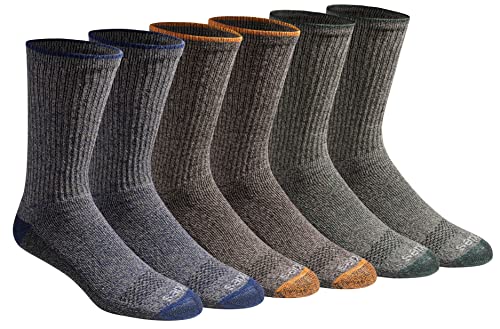
Plush accessories like the MQELONG Merino Wool Socks for Women Hiking Thermal blend wool with polyester and spandex to maintain resilience and elasticity inside the boot. This dense knit fills tiny gaps inside the footwear, preventing heel slippage while absorbing vertical impact under the calcaneus. The soft loops cushion the instep against lace pressure, protecting delicate tendons along the top of the foot. Investing in proper wool socks is often the single most affordable way to transform the feel of any hiking boot.
Waterproof Linings and Breathability: The Climate Dilemma
Waterproof membranes play a critical role in trail comfort when crossing wet meadows, muddy bogs, or shallow creeks. Boot designs featuring integrated waterproof membranes keep moisture out while shielding your feet from chilly exterior winds. Puddles and morning dew can rapidly saturate unlined footwear, leading to heavy socks and skin maceration. When external conditions are wet and chilly, a dependable waterproof barrier is essential to prevent cold, sodden feet.
However, waterproof membranes inherently reduce airflow compared to open, unlined mesh footwear. On hot summer afternoons, perspiration can accumulate inside the boot lining faster than the membrane can vent it outward. This trapped internal moisture softens the skin, making feet substantially more vulnerable to hot spots and friction tears. To maximize comfort in waterproof boots, hikers should carry spare dry socks and remove their footwear during rest breaks to allow the uppers to air out.
Ankle Collars and Stability: Support Without Restriction
Mid-cut and high-cut collars are frequently misunderstood as rigid casts that mechanically stop ankle rollover. In practice, true trail stability originates from a stiff chassis, a supportive heel counter, and reliable ground traction. What the padded ankle collar truly provides is enhanced proprioception, or your body’s sensory awareness of joint positioning in space. Feeling the collar press gently against the lower leg alerts your stabilizing muscles to fire quickly on uneven scree.
A well-padded collar also shields vulnerable ankle bones from sharp rock strikes and trail scree. When collar padding is firm yet supple, it cushions the Achilles notch and prevents the stiff tongue from digging into the shin. Features such as cushioned collars and ergonomic heel cups offer micro arch support and soft contact around the upper ankle joint. This design philosophy protects sensitive lower-leg tendons while granting adequate forward flex for climbing steep trail inclines.
Outsole Traction and Muscular Fatigue
Comfort is not limited to internal padding; it is deeply influenced by how securely your footwear grips the earth. When boots slip on loose gravel, wet roots, or slick mud, your leg muscles must fire constantly to regain balance. These tiny, subconscious micro-adjustments rapidly drain energy from your quadriceps, calves, and hips over several miles. Aggressive traction minimizes this instability, allowing you to stride with relaxed, confident biomechanics.
Advanced rubber compounds, like Columbia’s Omni-GRIP outsole, incorporate multi-directional lug patterns engineered for three-season stability across variable terrain. Deep, widely spaced lugs shed sticky mud before it cakes underfoot, maintaining dependable contact with the trail surface. Furthermore, defined heel braking lugs grip firmly on steep descents, preventing uncontrolled forward slides. Secure traction lets your joints and muscles work efficiently without the constant strain of fighting for purchase.
Carrying well-organized trail essentials, such as packing chilled refreshments inside backpack coolers for day hikes, helps maintain balanced weight distribution over your feet. When pack loads remain stable and centered, the outsoles compress evenly against the ground, enhancing overall balance. This balanced posture reduces localized pressure points under the ball of the foot and along the heel. Dependable traction and balanced carriage work together to preserve foot comfort over demanding trail itineraries.
Lacing Techniques for Custom Pressure Relief
Standard crisscross lacing works well for average foot shapes, but specialized lacing adjustments can resolve localized pain. Hikers with high insteps often experience throbbing or numbness when tight laces compress the dorsal nerves against the foot bones. Window lacing, also known as box lacing, skips an eyelet crossover directly above the instep to eliminate that focal pressure point. This simple modification allows the tongue to flex comfortably without sacrificing overall lockdown.
If your heel lifts while climbing, a surgeon’s knot provides an effective mechanical solution. By twisting the laces twice around each other at the ankle break point, you create a friction lock that isolates tension between the lower and upper boot zones. This locks your heel securely into the rear counter without having to overtighten the laces across the top of your foot. Mastering these basic lacing techniques gives you immediate control over your comfort while navigating diverse terrain.
Identifying Wear: When Midsole Compression Compromises Comfort
Hiking boots that once felt luxurious will eventually lose their shock-absorbing capabilities as the miles accumulate. Standard EVA midsoles compress permanently over time, a process known as pack-out, usually occurring after several hundred miles of trail use. As the foam cells collapse, the midsole can no longer cushion repeated foot strikes, transmitting harsh impact forces into your knees and lower back. Visible horizontal compression creases along the side of the midsole foam clearly indicate that cushioning has degraded.
Replacing flimsy factory footbeds with supportive aftermarket insoles can extend the lifespan of your boots and improve arch support. Removable insoles let you customize the volume inside the footwear to suit flat feet or high arches. However, when the outsole lugs wear smooth or the internal chassis loses its torsional resistance, continuing to hike can strain your joints. Recognizing when your boots are worn out ensures you replace them before structural breakdown leads to chronic trail discomfort.
Finding comfort in hiking boots is entirely achievable when you match footwear construction to your anatomy and terrain requirements. By prioritizing proper internal volume, pairing boots with moisture-wicking merino wool socks, and utilizing pressure-relieving lacing methods, you can prevent hot spots and fatigue. Modern boots deliver an effective balance of lightweight cushioning and protective stability that keeps you moving comfortably down the trail.



Write Your Review
No reviews yet. Be the first to share your experience!