


Navigating rocky singletrack with loose scree quickly reveals how vulnerable everyday athletic shoes are compared to purpose-built trail footwear. Stepping onto sharp stones or descending steep grades demands structural protection, torsional stability, and firm underfoot cushioning. Hikers frequently ask why use hiking boots when lightweight running shoes seem so accessible for outdoor walks. Dedicated boots provide essential ankle collar coverage, reinforced toe caps, and specialized rubber lug designs that cushion joints and protect against sharp roots. Carrying extra gear in supportive framed hiking backpacks increases downward pressure, making dedicated trail footwear even more vital for maintaining balance.
Terrain challenges such as slippery mud, wet granite slabs, and submerged trail puddles require outsoles engineered for reliable grip and sealed uppers that manage moisture. Modern trail boots combine supportive midsoles, seam-sealed waterproof membranes, and durable leather or synthetic uppers to absorb heavy impacts. Understanding the mechanical differences helps prevent painful trail issues like bruised arches, twisted ankles, and downhill toe collisions. Choosing the right footwear ensures long-distance comfort, allowing you to focus on the scenery rather than foot fatigue. Pairing these boots with breathable lightweight hiking pants creates a dependable setup for varied weather conditions.


Core Trail Benefits: Why Use Hiking Boots Over Regular Footwear
Selecting purpose-built footwear directly influences trail safety, foot fatigue, and joint comfort over variable terrain. While casual sneakers function adequately on paved urban paths, unpaved backcountry trails introduce sharp obstacles, shifting scree, and slick surfaces that challenge ordinary athletic shoes. Dedicated hiking boots are specifically engineered to deliver torsional rigidity, superior grip, impact shielding, and environmental weatherproofing. Understanding these fundamental mechanical advantages clarifies why dedicated boots remain essential gear for outdoor enthusiasts venturing beyond flat ground.
Torsional Rigidity and Underfoot Arch Protection
Standard running shoes are designed for linear forefoot flex on smooth asphalt, offering high flexibility but minimal resistance to twisting. In contrast, hiking boots incorporate structured midsoles and internal shanks that provide high torsional rigidity across uneven surfaces. When stepping across pointed granite or angled tree roots, this stiff platform prevents the boot from twisting awkwardly underfoot. Distributing ground forces evenly across the entire sole shields the plantar fascia from concentrated pressure points.
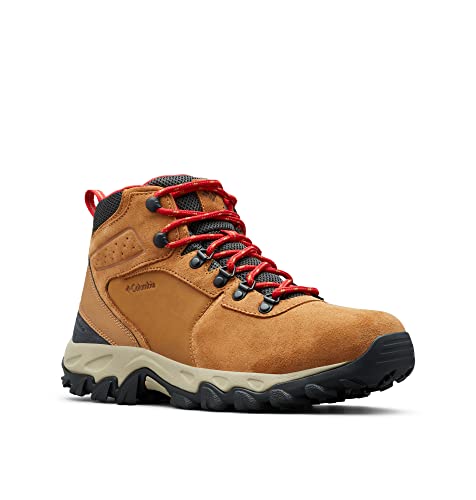
Without sufficient torsional stiffness, the intrinsic muscles of the human foot must work constantly to maintain lateral balance. Over several miles of rocky terrain, this continuous muscular exertion leads to severe arch exhaustion and strained tendons. Footwear options like the Columbia Newton Ridge series utilize lightweight TECHLITE midsoles that cushion sharp strikes while maintaining structured support. This design absorbs ground shock and delivers steady energy return across sustained ascents.
Thick composite midsoles also act as a physical buffer against stone bruising on jagged ground. Running shoes with soft foam compress quickly under pressure, allowing jagged rocks to poke through directly into sensitive nerve endings. A reinforced hiking boot sole prevents sharp trail obstacles from pushing upward into the ball of the foot. By maintaining a firm barrier between your sole and the trail, boots keep your feet comfortable during long treks.
Ankle Collar Support and Joint Stability Under Load
Ankle roll injuries are among the most frequent hazards hikers encounter on rocky and root-strewn backcountry trails. Mid-cut and high-cut hiking boots wrap around the ankle joint with padded collars designed to physically restrict sudden, extreme lateral rolling. While no shoe can entirely eliminate sprains, a tall collar combined with a structured heel counter provides critical resistance when you lose footing on loose scree. This physical boundary gives your neuromuscular system crucial milliseconds to react and stabilize the ankle joint before an injury occurs.
Collar height works in close harmony with reinforced heel counters to seat the calcaneus bone securely in place. When the heel remains locked in the rear pocket of the boot, the ankle joint stays vertically aligned over the midsole platform. Models such as the NORTIV 8 Ankle High boots utilize padded upper collars and structured heel barriers to prevent lateral foot shifting inside the shoe. This locked-in structure minimizes friction and keeps your step predictable on off-camber slopes.
Collars also provide mechanical protection against environmental hazards that low-cut sneakers leave exposed. Jagged trail rocks, loose shale, thorny scrub, and wet mud can easily scrape exposed ankle bones when navigating narrow overgrown paths. High-cut boot shafts create a protective barrier around delicate lower-leg tendons and ligaments. Pairing this sturdy ankle coverage with supportive knee hiking pants helps maintain lower-body comfort on technical trails.
Advanced Multi-Terrain Outsole Traction and Mud Clearance
Traction on natural surfaces requires deep, specialized tread patterns rather than the shallow siping found on road running sneakers. Hiking boot outsoles utilize specialized rubber compounds formulated to balance surface grip on wet rock with abrasion resistance on sharp gravel. Outsoles like Columbia Omni-Grip employ specialized rubber compounds with perimeter lugs that bite into soft soil while shedding caked mud. These multi-terrain systems provide dependable purchase on both slick, wet surfaces and dry, loose dirt.
Lug depth and orientation play a decisive role in stopping power and forward propulsion. For example, the XPETI Thermator boot features an aggressive rubber outsole with deep 7mm multi-directional lugs designed to dig into loose mud and slippery snow. Multi-directional lugs prevent lateral slippage on angled inclines and provide strong driving traction during steep climbs. Wide evacuation channels between the lugs allow mud and slush to clear naturally as the boot flexes with each stride.
Downhill braking is another critical mechanical function delivered by purpose-built hiking outsoles. Specially angled heel breast lugs bite into the downhill slope when your heel strikes the earth, acting as an integrated mechanical brake. Regular sneakers feature rounded heels that easily slip forward on loose gravel or wet leaf litter during steep descents. The defined heel edge of a hiking boot anchors your descent and provides predictable stopping control.
Trail Impact Defense: Protective Toe Caps and Reinforced Heels
Accidental stone collisions on rocky trails can quickly cause painful stubbed toes or damaged toenails when wearing flexible mesh sneakers. Purpose-built hiking boots feature molded rubber toe caps that extend from the outsole over the front of the vamp. As seen on models from NORTIV 8 and XPETI, these reinforced caps absorb direct impacts when kicking hidden roots or loose stones. This protective shell shields your metatarsals from heavy blunt-force trauma on rugged terrain.
Heel stability is equally essential for guarding against rear impacts and preventing internal slippage on steep ascents. Rigid external heel counters reinforce the back of the boot, shielding the Achilles tendon from jagged rocks kicked up from the trail. A reinforced heel cup also stops the boot from collapsing outward when you step heavily onto uneven ground. This rear structural reinforcement ensures the footwear maintains its protective integrity over hundreds of trail miles.
Toe and heel reinforcement also work together to maintain the structural volume of the interior toe box. Soft sneakers compress when pressed from the front or sides, causing painful friction against the outer toes. In a sturdy boot, the rigid toe box retains its shape under trail pressures, giving toes ample space to splay naturally without rubbing. This protective perimeter prevents subungual hematomas, commonly known as black toenails, on rough paths.
Seam-Sealed Waterproofing Versus Trail Moisture
Encountering water is an inevitable reality when hiking across creek crossings, morning dew, muddy ruts, and melting snowpack. Hiking boots incorporate specialized waterproof-breathable membranes, such as Omni-Tech or XPETI-DRY, sealed directly between the outer shell and the inner lining. These microporous barriers prevent liquid water droplets from penetrating from the outside while allowing internal vapor to escape. Seam-sealed construction further ensures that moisture cannot seep through stitch holes along the upper panels.
Waterproof performance relies heavily on gusseted bellows tongues that connect the tongue directly to the upper eyelet stays. A fully gusseted tongue forms a continuous water barrier up to the collar, preventing water from flowing over the instep when wading through shallow streams. Without this gusset, water and loose scree quickly penetrate around the sides of the tongue and flood the interior footbed. Keeping exterior water out prevents sock saturation and significantly reduces the risk of maceration blisters.
Keeping your feet dry also plays a critical role in overall thermal regulation during cool-weather outdoor adventures. Wet feet lose body heat rapidly in cold temperatures, which can lead to severe discomfort and numbness. Purpose-built waterproof boots like the Columbia Crestwood Mid combine durable leather overlays with waterproof booties to keep feet dry in damp environments. Hikers exploring backcountry routes with four-legged companions can pair dependable boots with outdoor dog hiking essentials to ensure safety for the whole party.
Load-Bearing Dynamics and Pack Weight Distribution
Adding the weight of a loaded backpack fundamentally alters foot biomechanics and increases downward impact force on every stride. Standard running shoes feature soft EVA midsoles that compress and collapse under sustained heavy pack loads. When the midsole compresses completely, known as packing out, ground shock transfers directly into the ankles, knees, and lumbar spine. Hiking boots feature firm, supportive midsoles designed to support body weight combined with heavy gear without flattening out.
Increased downward load also causes the natural arches of the human foot to splay outward and pronate more aggressively. A flexible shoe offers no lateral containment, allowing the foot to flatten excessively and straining the plantar ligaments. Hiking boots utilize rigid chassis designs and supportive footbeds that cradle the arch and limit excessive foot collapse under pack weight. This structural foundation preserves your natural walking efficiency and reduces muscle fatigue over long mileage days.
Carrying gear across steep or unstable terrain also demands high underfoot stability to keep your balance steady. If you carry a multi-day pack or travel with specialized gear, a stiff boot base prevents wobbly footing that could cause a fall. Sturdy boots ensure that every step lands on a solid platform, counteracting the shift in balance caused by an elevated center of gravity. This stability helps you move confidently while carrying heavy supplies over demanding wilderness trails.
Upper Durability: Leather and Reinforced Synthetics on Rugged Trails
Backcountry environments present abrasive surfaces that quickly tear lightweight road running meshes and unreinforced knit fabrics. Hiking boots utilize robust upper materials, including full-grain leather, durable suede, and high-denier synthetic textiles. Suede and leather panels, such as those on the Columbia Newton Ridge Plus II, resist abrasion from sharp granite edges, thorn bushes, and scree. These rugged materials protect the structural integrity of the boot and prevent punctures from sharp sticks.
Durable uppers also withstand repeated exposure to mud, trail grit, and environmental moisture without losing their shape. Fine mineral particles in trail dust act like sandpaper on lightweight synthetic fibers, causing unreinforced shoes to fray and split at flex points. Leather and reinforced synthetic uppers resist this abrasive wear when maintained with routine cleaning and conditioning. This rugged construction ensures your boots deliver dependable performance season after season.
Upper materials also provide structural containment that holds the foot firmly in place during steep sidehill traverses. When traversing across a steep slope in soft sneakers, the foot rolls over the edge of the sole, causing strain and blisters. Tough leather and reinforced webbing eyelets hold the foot securely above the midsole platform on steep inclines. This secure hold gives you solid lateral control on challenging off-trail routes.
Fit Biomechanics and Blister Prevention Techniques
Blister formation on the trail results from repetitive friction, heat, and moisture acting against the outer layers of skin. Hiking boots minimize this friction by combining structured heel pockets with customizable, zoned lacing hardware. Metal speed hooks and locking eyelets allow hikers to tension the lower forefoot independently from the upper ankle collar. This dual-zone adjustability prevents the foot from sliding forward on steep descents while keeping the heel securely locked.
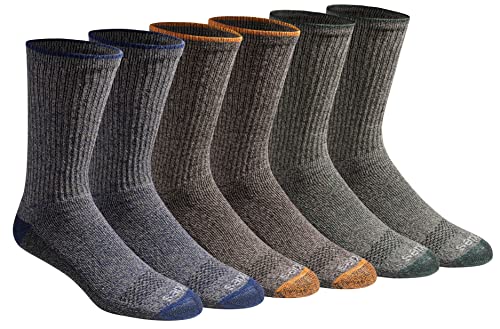
Proper sizing is equally essential for preventing painful downhill toe collisions and bruised toenails on the trail. During a long hike, feet naturally expand in volume due to increased blood flow and prolonged standing. Fitting boots with a finger-width clearance behind the heel allows toes ample room to move forward without smashing into the front rand on steep descents. Pairing this proper internal volume with moisture-wicking wool or synthetic socks keeps skin dry and prevents painful hot spots.
Hikers experiencing localized pressure points can employ specialized lacing techniques like window lacing or surgeon’s knots. A surgeon’s knot locks lace tension over the instep, preventing heel lift without placing excessive pressure across sensitive dorsal nerves. Window lacing skips cross-over eyelets directly above painful instep bones to relieve tight pinching while maintaining ankle support. Mastering these simple lacing adjustments ensures a comfortable fit on extended wilderness treks.
Matching Footwear to Your Trail Demands
Determining whether you need a dedicated hiking boot depends primarily on terrain difficulty, weather conditions, and pack weight. While lightweight low-cut trail runners offer quick agility on flat, groomed park trails, they lack the torsional rigidity and impact armor required for rugged backcountry routes. Venturing into rocky mountain terrain, wet wilderness conditions, or carrying a loaded multiday pack clearly calls for the stability of a dedicated boot. Investing in purpose-built trail boots protects your feet, joints, and ligaments against unforeseen hazards on unpaved terrain.
Modern hiking boots balance rugged durability with lightweight midsoles, offering reliable comfort without excessive bulk. Quality models from reputable outdoor brands provide dependable traction, protective toe bumpers, and waterproof liners tailored for demanding trails. Prioritizing proper fit, durable materials, and terrain-appropriate outsoles ensures you stay comfortable across all types of rugged wilderness paths. Equipping yourself with dependable hiking footwear allows you to explore remote trails with confidence and long-distance comfort.



Write Your Review
No reviews yet. Be the first to share your experience!