


Trekking under intense sunlight frequently turns conventional full-leather footwear into damp, heat-trapping incubators that soften skin and invite painful hot spots. Excessive moisture inside footwear weakens epidermal layers, which drastically accelerates friction blisters along heels and metatarsals during steep, demanding ascents. When planning warm-weather treks or fast-paced day hikes, understanding what to look for hiking boots breathable synthetic material becomes essential for keeping feet cool, dry, and structurally supported over miles of uneven trail. Opting for lightweight, air-permeable textiles lets internal moisture vapor escape continuously before perspiration saturates socks and compromises your natural stride.
Modern trail footwear balances ventilation with structural defense, blending open-weave textiles with protective overlays and supportive arch shanks. Pairing agile footwear with breathable gear like lightweight hiking pants helps regulate overall body temperature and trail mobility across exposed mountain ridges. Today’s synthetic boot constructions eliminate the prolonged stiffness of traditional hides, providing immediate trail flexibility right out of the box. Knowing exactly how textile weaves, internal linings, and chassis components work together ensures you pick footwear that protects joints without compromising essential airflow.


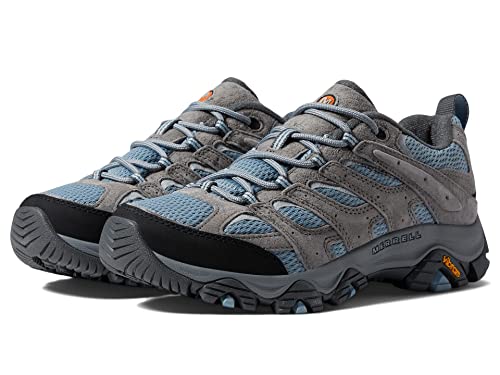


Essential Factors in Breathable Synthetic Hiking Footwear
Selecting trail boots built from breathable synthetic textiles requires balancing airflow, structural support, and long-term trail durability. Synthetic uppers provide immediate out-of-the-box flexibility, significantly reducing the break-in timeline compared to stiff leather alternatives. Knowing what technical features to prioritize prevents premature fabric blowouts, inadequate arch support, and unexpected trail fatigue. The following analysis breaks down the essential materials, engineering principles, and sizing mechanics needed to make an informed footwear choice.
Engineering of Synthetic Upper Textiles and Mesh Weaves
Synthetic hiking footwear relies on engineered weaves like ripstop nylon, ballistic polyester, and open-cell mesh to facilitate active air circulation. These specialized fabrics allow heated water vapor to pass through the upper rather than condensing against your socks. Densely woven synthetic threads resist snagging on trail briars and sharp rocks while keeping the overall boot weight exceptionally light. Unlike organic fibers that absorb water, hydrophobic synthetic strands resist liquid absorption and dry rapidly after encountering stream splashes or wet morning brush.
The weave density directly controls the balance between thermal ventilation and fine dust filtration. Extremely porous mesh windows maximize ventilation during dry summer hikes, but they can admit fine sand or silt along dusty dirt tracks. Tightly woven synthetic panels strike an effective compromise by blocking particulate matter while still exhaling excess foot perspiration. Choosing boots built with multi-layered sandwich mesh ensures internal breathability without sacrificing the exterior barrier needed against abrasive trail grit.
Hydrophobic Material Properties and Rapid Moisture Dissipation
A primary mechanical advantage of synthetic textiles lies in their low moisture uptake when exposed to wet conditions. While traditional heavy hides can soak up substantial water weight and remain damp for days, nylon and polyester filaments hold minimal water. This rapid evaporative capability helps prevent skin maceration, a condition where wet skin becomes fragile and highly prone to friction tearing. Hikers moving through humid river valleys or marshy meadows benefit immensely from footwear that sheds water quickly through surface air movement.
The internal lining of a synthetic boot works in close conjunction with the exterior mesh to transfer perspiration away from the skin. High-performance textile linings utilize capillary action to pull sweat away from sock fibers, spreading moisture across a broader surface area for faster evaporation. Models featuring recycled PET linings or antimicrobial treatments, such as Cleansport NXT found in Merrell footwear, help manage odor-causing bacteria during multi-day treks. Ensuring the inner lining matches the breathability of the outer textile keeps internal temperatures regulated across high-mileage days.
Membrane Liners versus Non-Waterproof Ventilated Trail Boots
Deciding between an integrated waterproof membrane and an unlined, ventilated upper represents a fundamental fork in footwear selection. Waterproof booties, including Gore-Tex or proprietary brand barriers, effectively block exterior mud and puddles from penetrating the interior. However, any internal barrier inherently restricts moisture vapor transmission, trapping sweat inside the boot during strenuous summer climbs. In warm or arid environments, internal foot sweat can easily overwhelm membrane pores, leaving feet damp from the inside out.
Non-waterproof ventilated boots offer superior cooling performance because they allow ambient air to flow directly across the foot. When an unlined mesh boot becomes submerged during an unexpected river crossing, water drains rapidly and walking friction drives fast air-drying. Conversely, once a waterproof boot floods over the collar, water remains trapped inside for hours, causing squishy steps and soft skin. Hikers trekking in persistently hot, dry climates often find that pure mesh boots provide far greater comfort than membrane-lined options.
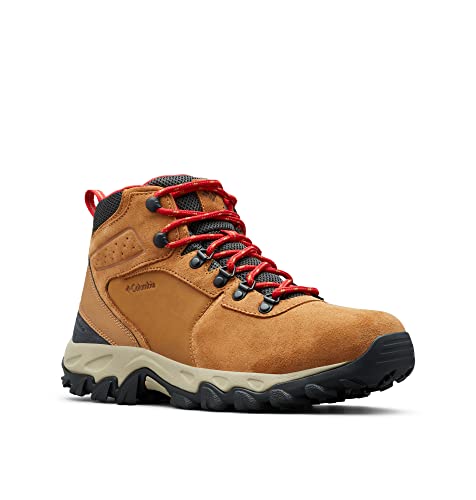
When wet weather, marshland, or melting snow patches are expected along the route, a waterproof membrane remains an indispensable asset. Boots like the Columbia Men’s Newton Ridge Plus II Waterproof combine leather and soft mesh exteriors with sealed bootie construction to maintain dry feet in wet conditions. Models like the NORTIV 8 Men’s Lightweight Breathable Hiking boot feature water-resistant uppers designed to resist shallow stream splashes. Matching your boot membrane choice to predictable trail weather ensures you balance water resistance against required foot cooling.
Structural Overlays, Protective Rands, and Debris Defense
Pure synthetic mesh lacks the rigidity necessary to withstand repeated direct abrasion from sharp granite, scree, and exposed roots. Footwear designers counter this limitation by applying synthetic leather overlays, polyurethane films, or split-suede reinforcements over high-stress zones. A molded rubber toe bumper safeguards sensitive toes from painful direct impacts during accidental rock strikes on steep descents. Heel counters anchored into the lower chassis stabilize the calcaneus, preventing upper blowout and minimizing foot twisting on uneven trails.
How structural reinforcements connect to the underlying fabric directly dictates boot longevity under demanding field conditions. Welded TPU overlays eliminate exposed exterior stitching, significantly reducing thread fraying caused by scraping against abrasive scree. Overlays extending along the midfoot also anchor the lacing system, ensuring that lace tension pulls the upper securely around your arch. Furthermore, boots equipped with gusseted bellows tongues prevent trail pebbles, pine needles, and loose dirt from entering the boot and causing irritating hot spots.
Midsole Cushioning, Foam Resilience, and Load Carriage
The midsole provides the critical cushioning barrier between your joints and the unyielding trail surface beneath. Most lightweight synthetic hiking boots incorporate compression-molded EVA foam to deliver plush step-in comfort and low overall weight. Formulations like the Super Rebound Compound featured in Merrell designs absorb heavy heel strikes and facilitate smooth forward energy transfer. EVA foam excels at dampening vibrations on casual day hikes, but it gradually packs down and loses its rebound capacity over extended trail mileage.
Hikers carrying heavier multi-day packs require firmer, denser midsole support to prevent premature cushioning breakdown. Packing substantial gear or carrying a loaded hiking backpack cooler for a group campsite lunch concentrates substantial downward force on soft midsoles. When low-density foam compresses permanently under pack loads, it fails to absorb trail shock, transferring harsh impact forces into knees and hips. Evaluating midsole foam density ensures your footwear delivers sustained underfoot protection throughout your planned trip length.
Internal Shanks and Torsional Rigidity
Lightweight synthetic uppers require a sturdy underfoot chassis to prevent foot fatigue over rocky, uneven terrain. Molded nylon arch shanks, composite plates, or TPU inserts provide essential torsional rigidity between the heel and the forefoot. An integrated shank prevents the sole from twisting out of shape when you balance on sharp rocks or exposed tree roots. Without adequate torsional support, intrinsic foot muscles must constantly flex to stabilize your footing, leading to intense arch cramps and premature fatigue.
You can evaluate torsional stiffness by holding the boot at the heel and toe, then twisting the sole in opposite directions. A trail-worthy hiking boot should resist severe twisting while flexing smoothly at the natural metatarsal break point of your toes. In addition to torsional control, rigid shanks act as defensive stone shields, preventing sharp rock protrusions from bruising the soles of your feet. Balancing flexible forefoot propulsion with structured midfoot support ensures efficient walking mechanics on challenging backcountry trails.
Outsole Rubber Compounds and Traction Patterns
Secure traction across wet slabs, loose scree, and slick mud relies on specialized outsole rubber formulations and aggressive lug profiles. High-performance compounds, such as the Vibram TC5+ synthetic rubber found on Merrell Moab 3 models, adhere reliably to wet rock while resisting rapid tread abrasion. Softer rubber mixtures deliver exceptional grip on smooth, polished boulders, though they wear down faster on hot, coarse granite. Harder rubber outsoles deliver exceptional durability over hundreds of trail miles, but they can slip on wet, greasy river stones.
Lug depth, spacing, and geometric orientation determine how effectively an outsole bites into loose soil and sheds debris. Multi-directional perimeter lugs dig into soft embankments while open tread channels eject caked mud as the sole flexes during each step. Pronounced heel braking lugs oriented in reverse help check forward sliding when descending steep, loose dirt switchbacks. Wide lug spacing prevents mud accumulation from packing flat, ensuring the rubber maintains uninterrupted contact with the trail surface.
Anatomical Fit, Sizing Mechanics, and Volume Profiling
Even the most ventilated synthetic boot will cause severe blisters if internal sizing and volume do not align with your foot shape. Feet naturally expand and swell over miles of continuous walking, especially during hot summer day hikes. Testing footwear late in the afternoon while wearing your intended synthetic or merino wool trail socks guarantees accurate sizing. A properly fitted boot provides a finger width of clearance behind the heel when your toes are pushed forward against the unlaced front.
Downhill toe collision is a frequent cause of black toenails and bruised forefeet among hikers on mountainous trails. Testing your footwear on a steep downward incline verifies that your toes do not ram forcefully into the rigid front toe bumper. Wearing functional apparel like tendon knee hiking pants can support your lower joints, but proper boot sizing remains the primary defense against foot trauma. Ample forefoot volume allows natural toe splay, enhancing balance and preventing painful lateral friction against the outer metatarsals.
Lacing Adjustments, Heel Cup Security, and Blister Prevention
Flexible synthetic uppers respond readily to targeted lacing adjustments, allowing you to customize internal fit across distinct zones. Employing locking techniques like the surgeon’s knot isolates forefoot tension while locking the heel firmly into the rear pocket. Securing the calcaneus inside a contoured heel cup eliminates the micro-movements that generate heat, friction, and painful trail blisters. Reliable metal hardware and secure eyelets maintain steady lace tension throughout long ascents, preventing loose fabric from bunching over the foot.
Hikers experiencing localized instep numbness or dorsal nerve pinching can utilize window lacing to bypass eyelets over sensitive pressure points. Padded tongue assemblies, such as those found on Foxelli and Lugz boots, distribute lacing pressure evenly across the top of the foot. Removable contoured footbeds allow you to insert supportive aftermarket orthotics if factory insoles lack the arch height your feet require. Spending time fine-tuning your lace tension before starting up a mountain pass ensures complete foot lockdown without sacrificing blood circulation.
Proper Cleaning, Synthetic Fiber Care, and Drying Protocols
Preserving the high breathability of synthetic hiking boots requires regular cleaning to keep dirt from choking open textile pores. Caked trail mud and fine mineral dust act as abrasive particles, slowly wearing down synthetic fibers and degrading bonded seam adhesives. After trekking through muddy bogs, knock off loose dirt with a soft brush and clean uppers using lukewarm water and mild technical soap. Avoid machine washing synthetic boots, as aggressive mechanical spinning can weaken glued rands and damage internal shanks.
Drying wet synthetic boots correctly is essential for preventing material shrinkage, adhesive failure, and premature upper delamination. Always air-dry wet boots in a shaded, well-ventilated room rather than placing them next to campfires or intense heat radiators. Excessive radiant heat weakens outsole adhesives, warps molded plastic heel counters, and degrades delicate upper mesh fibers. Pulling out damp insoles and placing plain absorbent paper inside the boots accelerates internal moisture removal without causing heat damage.
Matching Footwear Architecture to Terrain and Route Demands
Aligning your synthetic boot selection with your primary hiking terrain, ambient temperatures, and expected pack weight guarantees comfort. For established forest trails, casual day outings, and scorching desert hikes, lightweight non-waterproof mesh boots provide exceptional agile airflow. When your route covers rugged alpine scree, muddy wetlands, or cool mountain ridges, select reinforced synthetic boots with sturdy arch shanks and reliable traction. Balancing upper ventilation against underfoot protection ensures your feet remain cool, supported, and energised across every trail mile.
Always examine your personal foot mechanics, hiking frequency, and typical weather before finalizing your synthetic footwear choice. Lightweight synthetic boots deliver rapid mobility and easy maintenance that make outdoor adventures accessible and enjoyable. By prioritizing open mesh breathability, resilient midsole cushioning, and secure heel lockdown, you eliminate common trail discomforts before they arise. Thoughtful attention to construction details empowers you to explore rugged backcountry landscapes with confidence, endurance, and blister-free feet.
Final Trail Footwear Assessment and Fit Verification
Conducting a comprehensive fit assessment before setting out on remote backcountry trails confirms your synthetic boots are trail-ready. Walk up and down steep staircases or inclined ramps to ensure zero heel slippage and adequate forefoot clearance under load. Confirm that synthetic mesh panels flex naturally without pinching the dorsal tendon or collapsing inward across the metatarsal joints. Taking these practical verification steps ensures your breathable synthetic hiking boots provide reliable comfort, lasting stability, and refreshing airflow on every adventure.



Write Your Review
No reviews yet. Be the first to share your experience!