


Steep downhill switchbacks quickly expose any minor sizing errors in trail footwear, turning a scenic mountain descent into an agonizing bout of toe bang. When evaluating trail footwear like the Newton Ridge or Crestwood series, hikers frequently ask do columbia hiking boots run true to size before committing to a purchase. Outdoor footwear must accommodate natural afternoon foot expansion and thicker moisture-wicking socks without allowing heel lift on steep ascents. Pairing your footwear with breathable lightweight hiking pants helps keep you agile on varied terrain, but proper boot fit remains the foundation of trail endurance.
Manufacturer sizing charts provide standard length measurements, yet internal volume, toe box taper, and last shape dictate how a boot actually feels across rocky switchbacks. Columbia designs most of its mid-cut hiking boots on standard medium-volume lasts featuring lightweight Techlite cushioning and Omni-Grip rubber outsoles. While many hikers with narrow to average feet experience an accurate length fit, those with wider forefeet or high insteps often face lateral pressure across the metatarsals. Understanding how these boots fit under trail conditions can help you select the ideal size, prevent friction blisters, and maintain stable footing.




Understanding Columbia Hiking Boot Sizing, Last Profiles, and Trail Fit
Determining whether Columbia hiking boots fit true to size depends heavily on trail variables that standard shoe sizing charts rarely account for. Most Columbia hiking models align closely with standard Brannock device measurements in length when measured barefoot or in thin everyday socks. However, actual trail conditions demand room for thermal socks, natural foot expansion over high mileage, and forward foot movement on descents. Consequently, many outdoor enthusiasts discover that while the numerical length is accurate, the internal volume and toe box taper often necessitate going up a half size for comfortable trail hiking.
Direct Answer: General Sizing Behavior of Columbia Footwear
Columbia hiking boots generally run true to size for hikers with standard, medium-width feet who use lightweight trail socks. The brand builds its footwear around an industry-standard medium last, designated as D width for men and B width for women. Hikers stepping onto flat ground often report that the heel pocket sits securely and the arch aligns reasonably well with factory insoles. This standard profile offers dependable out-of-the-box comfort for moderate day hikes on well-groomed paths.
The sizing calculation shifts when you factor in trail duration, ambient temperatures, and sock selection. During an extended trek, blood flow and sustained impact cause feet to swell, frequently expanding forefoot width and total volume by half a shoe size. Hikers wearing medium or heavy cushioned merino wool socks often find the standard size uncomfortably tight across the widest part of the foot. In these situations, sizing up by a half size provides the necessary internal clearance without compromising heel retention.
Gender-specific lasts also introduce distinct fit nuances across the product lineup. Columbia women’s hiking boots are molded on a B-width last featuring a narrower heel cup and slightly lower instep volume than men’s models. Men’s boots utilize a standard D-width platform designed with broader midfoot dimensions to accommodate heavier body frames. Female hikers with wider feet occasionally find better midfoot comfort by transitioning to a men’s model sized down by one and a half sizes, which provides extra width throughout the forefoot.
The Impact of Upper Materials on Perceived Sizing and Volume
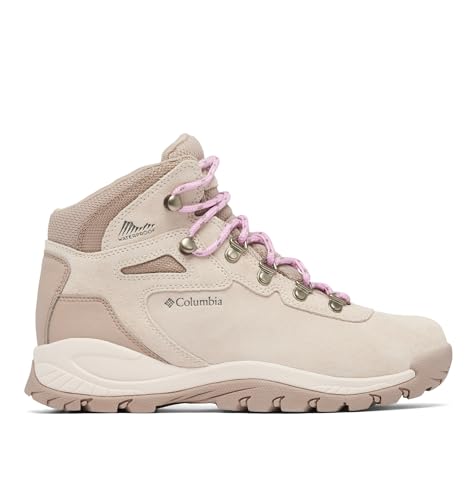
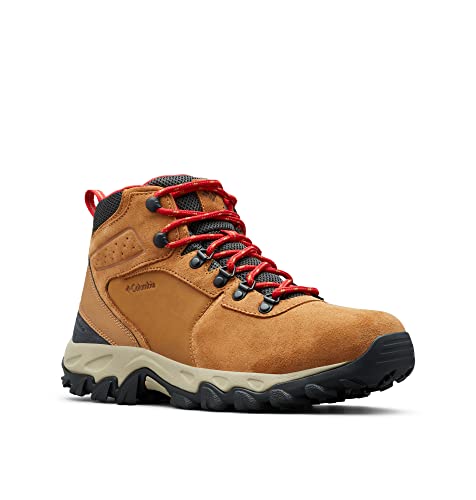
Upper material construction plays a critical role in how tight or spacious a Columbia boot feels out of the box. Models like the Columbia Womens Newton Ridge Plus Waterproof Amped and the Columbia Men’s Newton Ridge II Waterproof Hiking boot utilize full-grain leather and suede uppers. Leather possesses structural rigidity that holds the foot firmly in place, but it exhibits minimal initial stretch across the forefoot. As a result, hikers trying on a brand-new leather boot may perceive the fit as half a size smaller than a comparable synthetic shoe.
In contrast, boots that incorporate substantial mesh inserts, such as the Columbia Mens Crestwood Mid Waterproof, offer greater initial suppleness across the top of the foot. The combination of suede, mesh webbing, and an Omni-Tech waterproof membrane yields slightly more lateral give during the initial strides. Synthetic fabrics flex easily without resisting metatarsal expansion, providing a fit that feels closer to an everyday walking shoe. Even so, the integrated waterproof bootie liner takes up internal volume, making synthetic models fit slightly more snugly than unlined trail footwear.
Waterproof membrane liners introduce another subtle layer of material that reduces internal volume. Columbia’s proprietary Omni-Tech bootie and seam-sealed construction envelop the foot in a multi-layered barrier to keep external moisture out. This internal sock-like liner compresses the usable space inside the toe box by one to two millimeters compared to an unlined boot. While this difference appears negligible on paper, hikers wearing medium-density socks will instantly feel the tighter perimeter across their forefoot.
Foot Anatomy and Width Considerations Across Popular Models
Foot anatomy varies drastically among hikers, and a boot that fits one person true to size may pinch another severely. Columbia designs its standard toe boxes with a traditional, slightly tapered mountaineering silhouette rather than an anatomical, foot-shaped design. Hikers with square forefeet, bunions, or splayed toes often experience friction against the outer edge of the pinky toe in standard widths. If your feet are on the wider end of average, opting for Columbia wide sizing options or moving up a half size can eliminate lateral pressure points.
Heel cup geometry presents another critical fit consideration for trail stability. Columbia models incorporate a contoured heel counter designed to cradle the calcaneus and prevent vertical slippage during steep ascents. If a hiker sizes up excessively to gain forefoot room, the heel cup can become too loose, leading to upward friction and painful blister formation. Balancing adequate forefoot splay against a locked-in heel pocket is the primary challenge when selecting the correct boot size.
Hikers who consistently struggle with narrow toe boxes should carefully distinguish between sizing up and purchasing dedicated wide sizing. Moving up a half size in a standard width increases overall shoe length, which shifts the internal arch placement forward and can misalign your foot’s natural flex point. Choosing a dedicated Columbia Wide model, designated as EE for men, expands the forefoot girth without extending unnecessary length ahead of the toes. This preserves proper arch alignment and keeps the heel counter locked securely against the rear of the foot.
Downhill Mechanics, Pack Weight, and the Finger-Width Fit Rule
Steep downward grades exert immense forward kinetic energy on your feet with every single step. When walking downhill, gravity pulls your foot forward toward the front bumper of the boot. If your boots fit exactly true to size with zero spare room ahead of the longest toe, the repeated impact will cause painful subungual hematoma, commonly known as black toenails. Providing adequate forward clearance ensures that your toes never collide with the stiff rubber toe rand during sustained descents.
Carrying a loaded backpack further accentuates foot splay and forward translation inside the boot. If you shoulder an internal frame hiking backpack on a multi-day trip, the additional weight flattens your arches slightly and increases the effective footprint inside the shoe. This structural flattening causes the foot to lengthen by several millimeters during weight-bearing movement. The classic finger-width rule provides a reliable safeguard: with your toes pushed forward to touch the front of an unlaced boot, you should comfortably fit one finger behind your heel.
Practical Incline and Afternoon Sizing Tests Before Hitting the Trail
Testing your boots at home before venturing out on rugged terrain is the most reliable way to verify proper sizing. Because feet naturally expand throughout the day, always schedule boot try-on sessions in the late afternoon or evening. Put on the exact hiking socks and any aftermarket footbeds you plan to use on the trail before stepping into the boots. Lace the boots securely and walk around an indoor space for at least fifteen minutes to allow the foot to settle into the footbed.
To simulate descending mountain switchbacks, locate a steep indoor staircase, ramp, or inclined board. Walk down the incline with deliberate steps, focusing on whether your toes press against the front of the interior toe box. Your heel should remain seated firmly in the rear pocket without lifting more than a fraction of an inch. If your toes touch the front wall during moderate descent steps, the boots are too small, and exchanging them for a half size larger is strongly recommended.
Do not overlook the heel lift test during your indoor evaluation. When walking up an inclined surface, your heel should remain seated within the heel cup, allowing no more than a quarter-inch of vertical lift. Excessive heel lift indicates that the boot’s internal volume is too tall for your instep, which can lead to friction blisters over prolonged trail miles. If the length feels right but your heel lifts excessively, specialized lacing or an aftermarket insole with a deeper heel cup can correct the issue.
Lacing Adjustments to Correct Minor Fit and Volume Variations
Lacing hardware and pressure-relief configurations can often resolve minor fit discrepancies without requiring a size exchange. Standard factory lacing distributes tension uniformly, which may pinch high arches or allow heel lift in borderline sizing situations. If you experience heel slippage after sizing up to gain toe room, utilizing a surgeon’s knot around the ankle break can lock your heel securely in place. A surgeon’s knot involves wrapping the laces twice around each other before pulling tight through the locking eyelets, maintaining tension across the lower instep.
Hikers who feel excessive pressure across the top of their feet can implement window lacing, also known as box lacing. This technique skips crossing the laces directly over the sensitive dorsal nerve zone, creating an open rectangular window that relieves midfoot pressure. Pairing proper lacing with trail pants designed for knee support helps ensure a comfortable stride on challenging ascents. Small lacing adjustments often make the difference between an uncomfortably snug fit and a perfectly dialed trail setup.
Insole Volume, Sock Cushioning, and Interior Clearance
The factory insoles supplied in Columbia hiking footwear provide moderate cushioning through molded foam, but they offer relatively low arch support. Many hikers replace stock footbeds with structured aftermarket orthotics to enhance stability and reduce plantar fascia strain. Rigid orthotics typically possess a deeper heel cup and thicker foam base, which significantly reduces the vertical clearance inside the boot. If you intend to run aftermarket footbeds, trying the boots on with those insoles installed is vital to prevent midfoot compression.
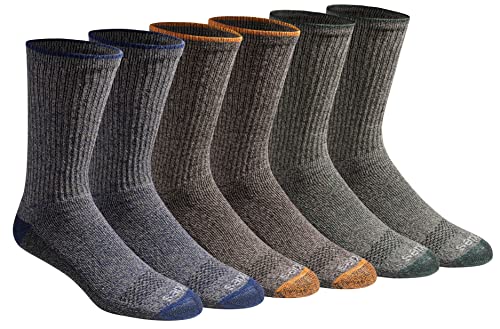
Sock thickness directly alters the effective fit by up to a half shoe size. Ultralight synthetic liner socks take up minimal interior space, allowing boots to fit true to size with snug precision. Conversely, heavy-cushion wool socks add substantial bulk around the heel collar and toe box, easily converting an average fit into a restrictive one. Always evaluate the fit with your preferred trail socks rather than thin casual footwear socks to avoid unpleasant surprises on the trail.
Volume-reducing shims offer an effective method for fine-tuning intermediate fit discrepancies. If sizing up a half size provides perfect toe room but leaves slight excess space around the midfoot, placing a thin one-millimeter fiber shim under the factory insole reduces interior volume evenly. This adjustment lifts the foot slightly toward the eyelets, allowing the lacing system to clamp down firmly across the instep. Conversely, hikers needing a fraction more vertical space in the toe box can swap thick factory insoles for low-profile aftermarket footbeds.
Breaking In Leather Uppers and Managing Foam Compaction
Understanding how Columbia materials respond to mileage helps clarify long-term sizing expectations. The Techlite lightweight midsole provides immediate, springy cushioning underfoot, but like all EVA-based compounds, it gradually compresses over the first fifty miles. As the midsole foam compresses under body weight, the foot settles slightly deeper into the footbed, creating a tiny amount of additional interior volume. This subtle settling can make a slightly snug boot feel more accommodating after several outings.
Full-grain leather and suede uppers also undergo a gradual break-in period where the material molds to the contours of your ankle and midfoot. While leather can stretch slightly in width to accommodate metatarsal pressure, it will never stretch in length. Never rely on the break-in process to fix toes that actively touch the front bumper out of the box. Conditioning the leather uppers with manufacturer-approved treatments preserves flexibility, while keeping boots away from direct heat sources prevents premature shrinkage and adhesive breakdown.
Special Considerations for Specialized Footwear Categories
Not all Columbia footwear follows the exact same sizing trajectory as the flagship Newton Ridge line. For instance, deck-oriented options like the Columbia Men’s PFG Pro Sport Boot feature vulcanized rubber uppers and an Omni-Max Plus cushioning platform. Vulcanized rubber lacks the natural malleability of leather and suede, maintaining a rigid exterior shell that will not stretch over time. Hikers and anglers selecting rubber or heavy foul-weather boots must ensure complete comfort from day one, as the shell dimensions remain completely static.
Similarly, lightweight day hikers built primarily with textile uppers flex readily right out of the box, minimizing the need for extended break-in walks. These lighter designs allow natural foot articulation, which can make the boot feel slightly roomier during lateral movements. However, textile uppers offer less lateral support on off-camber trails when carrying heavy pack weight. Matching the boot construction to your trail demands ensures that your chosen size performs reliably across rocky terrain.
Verifying Your Final Trail Size and Long-Term Fit Stability
Selecting the correct size ultimately balances length clearance, width accommodation, and heel retention into a stable platform. If your measured foot length falls squarely between two sizes on a standard chart, leaning toward the larger size is almost always the safer choice for trail use. A slightly spacious boot can easily be adjusted using thicker socks, supportive insoles, or customized lacing techniques. A boot that is even a quarter of an inch too short, by comparison, cannot be stretched and will inevitably cause foot pain on steep descents.
Routine inspection of your footwear ensures that your dialed fit remains consistent across multiple hiking seasons. Check your outsoles for uneven lug wear, inspect the seams along the waterproof membrane, and evaluate whether the Techlite cushioning still rebounds effectively. When your footwear fits properly, you can navigate rocky scrambles, muddy paths, and steep declines with confidence. Taking the time to verify sizing before your first big outing protects your feet and ensures enjoyable trail experiences for years to come.



Write Your Review
No reviews yet. Be the first to share your experience!