


Navigating steep descents and loose gravel demands footwear that can handle continuous punishment without transferring impact directly into your joints. Many walkers initially wonder what are hiking boots used for when ordinary athletic sneakers seem comfortable enough around town. Specialized trail footwear is built specifically to shield feet against bruising rocks, stabilize the lower leg under pack weight, and prevent painful slips across variable wilderness surfaces. Pairing rugged boots with flexible gear like lightweight men’s hiking pants helps maintain lower-body mobility when trails turn rocky and steep.
Unlike daily running shoes, trail boots incorporate torsionally rigid platforms, waterproof membranes, and deep rubber lugs engineered to grip mud and wet scree. This robust construction safeguards your arches from fatigue when carrying loaded packs, such as supportive iron frame backpacks on multi-day routes. The extra height around the collar also prevents trail debris, moisture, and rolling stones from intruding into your socks during long backcountry days. Choosing the right footwear ensures your feet remain supported, dry, and protected across unpredictable wilderness terrain.

Pros
- Waterproof membrane construction helps block moisture when traversing muddy or wet paths
- Multi-directional traction (MDT) rubber outsole provides dependable grip across diverse ground conditions
- Reinforced heel counter and protective rubber toe cap provide structural support and collision guard
- Shock-absorbing MD midsole paired with a removable insole delivers comfortable underfoot cushioning
Cons
- Suede leather upper requires routine brushing and careful drying compared to quick-drying synthetic mesh
- Specific to men's size 10.5 brown, so hikers needing alternate sizes or widths must verify fit separately
- Lacks specialized technical crampon compatibility required for steep mountaineering or alpine ice
The NORTIV 8 Men's Waterproof Lightweight Hiking Boots in size 10.5 brown are designed for hikers, weekend backpackers, campers, and outdoor adventurers seeking protective, weather-ready trail footwear. Built with a supportive mid-height profile and durable exterior materials, these boots suit day hikers managing wet forest trails, outdoor travelers tackling varied terrain, and backpackers looking for steady footing under pack weight without excessive stiffness.
On the trail, dependable foot support and ground grip are essential when moving across unpaved paths. These boots utilize a rugged rubber outsole equipped with multi-directional traction (MDT), engineered to provide responsive grip across loose dirt, mud, gravel, and slick rock surfaces. Underfoot, a shock-absorbent MD midsole works in tandem with a flexible, removable insole to soften ground landings and buffer foot fatigue over longer trail distances.
The upper build balances exterior durability and weather defense by combining soft suede leather with a waterproof membrane construction. The waterproof barrier is engineered to keep feet dry when trudging through damp brush, muddy paths, or shallow puddles. For trail safety, a protective rubber toe cap guards against painful collisions with roots and rocks, while a reinforced heel counter adds structural stability to help keep foot placement secure on uneven inclines.
Daily handling and trail maintenance remain straightforward thanks to user-friendly design choices. Sized in men's 10.5, the boots feature a standard lacing system to adjust tension over the instep and around the ankle collar. The removable insole slips out easily after a wet day on trail, allowing the interior to air out quickly between hikes and providing an easy opening for custom orthotics if required.
While the boots provide capable weather protection and solid traction, prospective buyers should consider a few practical limitations. Suede leather can hold surface moisture if soaked continuously without proper care, meaning hikers should allow the boots to dry naturally away from high heat rather than exposing them to campfires or direct radiators. Additionally, while the boot is listed for light climbing and trekking, it is not a rigid mountaineering boot designed for technical alpine ascents or step-in crampon use.
For men seeking functional, comfortable trail footwear in size 10.5, the NORTIV 8 Waterproof Lightweight Hiking Boots offer a strong balance of stability, traction, and wet-weather capability. Their combination of a cushioned MD midsole, MDT rubber outsole, rubber toe guard, and waterproof membrane makes them a dependable choice for day hiking, campsite exploration, and light backpacking trips.
The boots are constructed with a soft suede leather upper that delivers natural abrasion resistance against brush, gravel, and trail scuffs. A tough rubber toe cap is integrated into the front to protect against direct impacts with roots and rocks, while the reinforced heel counter preserves rearfoot structural integrity through repeated outdoor wear.
Water protection is driven by an internal waterproof membrane construction designed to prevent water and mud from penetrating the interior. This setup helps maintain dry feet during damp woodland hikes, riverbank strolls, or rainy trail days, though regular cleaning of the suede exterior is recommended to preserve overall membrane breathability.
For day hikers navigating varied trail surfaces, the multi-directional traction (MDT) rubber outsole provides reliable grip on uphill dirt and loose downhill terrain. The shock-absorbent MD midsole cushions each step, helping to dampen trail impact during full-day walks and casual weekend outings.
To clean the boots, brush off dried dirt and mud using a soft shoe brush, avoiding harsh detergents that could degrade the suede leather finish. The removable footbed can be taken out between hikes to facilitate natural air circulation, and the boots should always be air-dried at room temperature away from high-heat sources.

Pros
- Ankle-high waterproof build protects against puddles, wet mud, and shallow splashes
- Flexible EVA midsole and removable cushioned insole deliver immediate step-in comfort
- High-traction rubber outsole provides dependable grip on wet, muddy, and loose ground
- Multipurpose design suits day hiking, camping, light backpacking, and manual outdoor work
Cons
- Waterproof membrane reduces upper airflow in hot, dry summer weather compared to ventilated mesh footwear
- Lacks the rigid shank support required for technical mountaineering or crampon use
- Sizing is fixed to standard shoe lasts and may require aftermarket insoles for specialized arch shapes
The NORTIV 8 Men's Ankle High Waterproof Hiking Boots are built for day hikers, weekend backpackers, campers, and outdoor workers who need ankle stability and dependable wet-weather protection. Featuring an ankle-high silhouette in a brown, black, and tan colorway, this trail footwear caters to outdoor enthusiasts who navigate muddy paths, rocky forest tracks, and uneven ground. The design emphasizes immediate step-in cushioning and reliable traction, making it an appealing option for beginners and budget-minded hikers seeking functional outdoor footwear.
Underfoot cushioning and trail shock absorption rely on a balanced two-part comfort setup featuring lightweight EVA midsoles and removable cushioned insoles. The flexible EVA foam absorbs ground impact and provides responsive energy return, helping to minimize foot fatigue over long days on the trail. In addition, the removable shock-absorbent footbed allows hikers to remove the insoles to air out after wet outings or replace them with custom orthotics if specific arch support is needed.
Outsole traction and upper construction are specifically engineered for challenging, slick outdoor surfaces. The durable rubber outsoles feature pronounced, multidirectional lugs designed to grip mud, damp dirt, wet rocks, and loose gravel, minimizing slipping on steep ascents or slick descents. The ankle-high cut offers added lateral support and keeps trail debris from entering the footwear, while the waterproof upper helps keep feet dry during rainy hikes, dewy mornings, and shallow stream crossings.
Caring for and maintaining these boots is straightforward thanks to the synthetic upper and durable rubber foundation. Because the insoles can be taken out, drying the boots after rainy trail excursions or sweaty hikes is much faster, which helps preserve the internal materials and reduce odor buildup. Hikers should routinely brush dried mud from the outsole grooves to ensure the rubber lugs retain their intended grip on future outings.
While these boots deliver solid recreational performance across everyday outdoor activities, they do have practical footwear limitations. The waterproof barrier naturally limits upper ventilation during hot, dry summer hikes, which can cause feet to feel warm over extended mileage. Additionally, while the flexible sole excels on moderate trails, it lacks the rigid full-length shank needed for alpine mountaineering or heavy pack loads on jagged rock. For day hikers, weekend campers, and casual trail travelers wanting dependable grip, ankle coverage, and weather protection, these boots provide sensible, trail-ready utility.
The NORTIV 8 hiking boots are equipped with a high-traction rubber outsole engineered specifically for slippery and varied surfaces. The multidirectional lug pattern is shaped to dig into soft soil, mud, wet leaves, and loose gravel, giving hikers confident footing on rolling hills and uneven ground.
To maintain maximum grip, hikers should periodically clean packed mud from between the tread blocks, allowing the durable rubber compounds to make direct, secure contact with the trail surface.
Comfort is delivered primarily through a lightweight, flexible EVA midsole combined with a removable cushioned insole. This setup provides shock attenuation that dampens repetitive trail impacts, helping to keep foot fatigue manageable over miles of walking.
The removable nature of the insoles also means hikers with specific orthopedic requirements can easily insert personalized arch supports without overcrowding the interior of the boot.
These boots incorporate an ankle-high waterproof exterior designed to resist moisture from rain, wet grass, and trail puddles. The ankle-height collar provides extra barrier clearance compared to low-top hiking shoes, preventing shallow splashes from entering over the top.
Hikers should keep in mind that stepping into water deeper than the ankle collar will allow moisture inside, and waterproof footwear generally dries slower and retains more foot warmth than non-waterproof ventilated shoes.

Pros
- Seam-sealed waterproof leather and suede upper provides reliable wet-weather defense
- Omni-GRIP non-marking rubber outsole delivers dependable grip across varied terrain
- TECHLITE midsole provides lightweight cushioning and responsive energy return
- Reinforced toe and heel barriers with extended toe overwrap protect critical wear points
Cons
- Designed specifically for three-season hiking rather than severe winter snowpack or sub-zero conditions
- Leather and suede exterior requires occasional brushing and natural drying after wet, muddy outings
- Mid-cut ankle coverage may feel warmer during high-heat midsummer hikes than low-cut trail shoes
The Columbia Women's Newton Ridge Plus Waterproof Amped is a mid-cut hiking boot engineered for day hikers, outdoor walkers, and weekend adventurers who need dependable trail traction and weather defense. Built with classic mountaineering style cues in a women's size 8 Stratus and Canyon Rose colorway, this boot targets hikers seeking reliable foot support without excess bulk on established trails, forest paths, and mixed outdoor terrain.
On the trail, the boot relies on Columbia's TECHLITE lightweight midsole to deliver sustained cushioning and high energy return across hours of walking. Underneath, the signature Omni-GRIP non-marking rubber outsole provides traction across a wide variety of terrain, making it suitable for loose gravel, packed dirt, slick roots, and rocky inclines throughout spring, summer, and fall.
Construction highlights include a waterproof combination of supportive leather and suede paired with seam-sealed craftsmanship to lock out moisture from wet grass, shallow puddles, and unexpected rainfall. Durability is further reinforced at key wear points with dedicated toe and heel barriers, as well as an extended outsole toe overwrap designed to protect the front of the boot against scrapes and rocks over extended use.
The traditional mid-cut lace-up setup allows hikers to customize tension across the instep and collar for a stable, secure fit around the ankle. For ongoing maintenance, wiping away caked mud with a damp cloth, gently brushing the suede sections, and letting the boots air dry at room temperature helps preserve the upper materials and waterproofing performance between outings.
While the seam-sealed design provides solid moisture protection on damp trails, this boot is specifically rated for three-season use and is not built for deep winter snow or mountaineering crampon compatibility. Additionally, hikers who tackle very warm summer trails in dry climates may find the leather and suede construction holds more heat than lightweight, mesh-heavy low-cut trail running alternatives.
For hikers seeking a sturdy, comfortable waterproof trail boot with solid grip and proven protective overlays, the Columbia Newton Ridge Plus Waterproof Amped delivers excellent practical value. It serves as a dependable choice for day hikes, state park loops, and general outdoor recreation where ankle support, traction, and dry feet are top priorities.
The Columbia Newton Ridge Plus Waterproof Amped combines supportive leather and suede panels to create an abrasion-resistant outer shell. Seam-sealed construction works directly with the treated upper materials to prevent water from penetrating through needle holes and panel joints during wet conditions.
High-wear areas receive dedicated reinforcement, including heavy-duty toe and heel barriers. An extended rubber overwrap from the Omni-GRIP outsole shields the front toe box against impact from trail obstacles, extending the functional lifespan of the boot across seasons of trail use.
This boot is well suited for day hikers navigating variable trails where changing weather and uneven footing are common. The mid-cut height provides supportive coverage around the ankle joint, which helps manage balance over rocky stretches and uneven dirt trails.
Underfoot cushioning from the TECHLITE midsole reduces ground impact during longer day treks, while the Omni-GRIP rubber tread maintains reliable footing on dry switchbacks, damp leaves, and loose gravel paths without marking indoor surfaces at the trailhead.
Routine care for the leather and suede upper begins with removing dried mud and dust using a soft-bristle brush after every trail outing. Spot cleaning with cool water and a mild soap helps preserve the appearance of the Stratus and Canyon Rose colorway without damaging the material structure.
Always allow the boots to dry naturally at room temperature away from campfires, radiators, or direct high heat, as excessive heat can dry out leather and compromise seam adhesives. Occasional treatment with a water-repellent spray designed for suede and leather can help maintain outer water bead performance.

Pros
- Seam-sealed Omni-Tech waterproof barrier shields feet from moderate rain, slush, and wet trail brush
- Techlite midsole provides lightweight impact cushioning and consistent energy return on uneven ground
- Omni-Grip outsole delivers multi-surface traction across wet rocks, loose dirt, and packed gravel
- Durable leather overlays and tough metal lacing hardware offer dependable upper durability
Cons
- Waterproof lining reduces maximum airflow compared to non-waterproof mesh trail footwear in hot summer weather
- Mid-cut boot construction carries more weight and bulk than low-profile hiking shoes
- Requires appropriate sock selection and standard break-in time to adapt to individual foot profiles
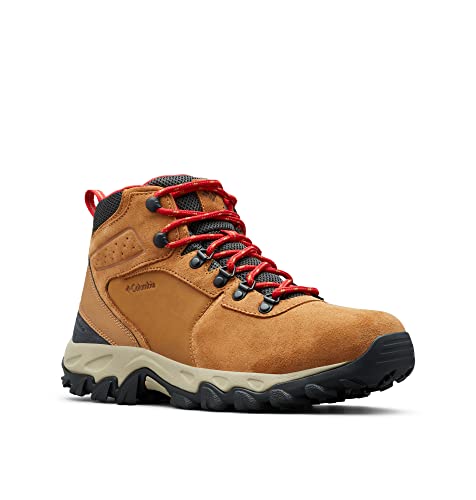
The Columbia Men's Transverse Waterproof Hiking Boot is a mid-cut outdoor boot tailored for day hikers, campers, and trail walkers who encounter mixed surfaces and unpredictable weather. Built with a supportive combination of leather, mesh, and specialized Columbia technologies, this boot offers balanced foot protection for trail enthusiasts who prioritize ankle stability and wet-weather dependability on regular outdoor outings.
Trail stability and underfoot cushioning rely on Columbia's proprietary Techlite and Omni-Grip systems. The Techlite midsole formulation provides lightweight impact absorption, cushioning each step across uneven gravel, rocky paths, and hard-packed dirt while delivering high energy return. Underneath, the Omni-Grip non-marking rubber outsole features strategically blended lug patterns and formulated compounds designed to maintain grip across wet and dry surfaces alike, helping hikers maintain footing on variable gradients.
Upper durability and weather resistance are central to the Transverse design. The boot combines genuine leather overlays with breathable mesh sections, offering structural support while allowing interior heat to vent. Weather defense is handled by Columbia's Omni-Tech membrane, a multilayered, seam-sealed waterproof construction designed for prolonged exposure to moderate rain and snow. This barrier blocks outside moisture from soaking through while permitting perspiration vapor to escape.
Lacing and adjustment are straightforward thanks to traditional laces anchored by durable metal hardware, which holds tension securely over the instep. A cushioned ankle collar surrounds the lower leg to enhance comfort and prevent rubbing during repeated foot flexion on uphill climbs and descents. Post-hike maintenance is simple, requiring only a brush to remove dried mud and standard air-drying away from direct heat to protect the leather and seam-sealed membrane.
While the waterproof construction provides reliable protection in damp and muddy environments, fully lined waterproof footwear inherently retains more internal warmth than unlined trail running shoes during hot mid-summer treks. Additionally, the structured leather build benefits from a brief break-in period to ensure optimal comfort with your preferred hiking socks before embarking on long mileage days.
For outdoor recreationists and hikers seeking dependable footwear for day hikes, nature walks, and wet trail conditions, the Columbia Men's Transverse Waterproof Hiking Boot offers an effective combination of traction, weather sealing, and impact cushioning. Its balanced design makes it a practical, trail-ready investment for multi-season outdoor use.
The Omni-Grip outsole is specifically formulated for multi-terrain traction across diverse outdoor surfaces including dirt, loose gravel, and wet rocks. Its advanced tread design incorporates strategically blended lug patterns that bite into loose terrain to enhance cross-terrain stability and reduce slippage during steep ascents and descents.
Featuring Columbia's Omni-Tech membrane, the boot utilizes a multilayered, seam-sealed construction engineered for prolonged exposure to moderate rain and snow. This breathable waterproof barrier blocks exterior water from penetrating the interior while permitting internal moisture vapor to escape, keeping feet dry during damp trail outings.
Underfoot comfort relies on the Techlite midsole system, which provides durable impact absorption and high energy return without adding excessive weight. Combined with a cushioned ankle collar, the boot supports smooth heel-to-toe transitions and helps mitigate foot fatigue over extended trail walks.
The Purpose and Functional Engineering of Trail Boots
At their core, hiking boots are specialized outdoor tools engineered to protect your feet, stabilize your joints, and provide secure traction over unpredictable natural terrain. While everyday sneakers focus primarily on lightweight flexibility for flat pavements, trail footwear addresses the harsh mechanical demands of loose gravel, jagged granite, slippery tree roots, and deep mud. They serve as a protective barrier between your body and the trail, absorbing ground impact while shielding fragile bones and skin from abrasion. Understanding these functional priorities allows hikers to match their footwear to specific terrain challenges and expedition lengths.
Standard athletic shoes often buckle under the forces experienced during a technical wilderness hike. A soft running sole easily twists when stepping on uneven stones, forcing the small stabilizing muscles of your feet and ankles to work overtime. Over several trail miles, this constant micro-compensation leads to severe arch fatigue, muscle cramps, and an increased risk of rolling an ankle. Hiking boots counter this vulnerability through structured soles, stiff internal components, and reinforced uppers that absorb uneven trail forces before they reach your joints.
Beyond simple comfort, dedicated trail boots help protect against acute injuries caused by outdoor hazards. Dense soles shield the bottom of your feet from sharp punctures and stone bruising that could prematurely end a backcountry trip. Reinforced materials wrap around the perimeter of the foot to guard toes and heels against unexpected collisions with immovable rocks. By combining underfoot armor with structural alignment, hiking boots enable hikers to traverse rugged environments with efficiency and peace of mind.
Underfoot Protection Against Jagged Terrain and Impact
Walking across sharp stones, riverbeds, and scree fields subjects the underside of the foot to concentrated pressure points. Thin running shoes allow these pointed objects to press directly into the plantar fascia, creating painful localized bruises that linger for days. Hiking boots utilize dense, thick outsoles and specialized protective layers that disperse concentrated forces across a wider surface area. This underfoot shielding prevents stone bruising and ensures that every foot strike remains stable and painless regardless of how rocky the path becomes.
Midsole engineering plays a central role in managing sustained impact on long trail days. Modern hiking boots often employ multi-density materials like compression-molded EVA or proprietary foams such as Columbia Techlite to absorb kinetic energy without adding excessive bulk. In boots like the NORTIV 8 Men’s Waterproof Lightweight Hiking and the Columbia Womens Newton Ridge Plus Waterproof, lightweight midsoles provide high energy return while dampening repeated downward shocks. This targeted cushioning protects delicate foot structures and significantly delays lower-leg fatigue during long descents.
Rigidity under the arch is another defining feature that separates trail boots from casual footwear. Many hiking designs incorporate rigid or semi-rigid shanks made from molded thermoplastic polyurethane, nylon, or composite materials placed between the insole and outsole. This internal backbone prevents the boot from bending excessively under the midfoot when stepping on narrow rock edges or climbing steep slopes. By maintaining torsional structure, the shank provides a firm, reliable platform that reduces strain on the Achilles tendon and calf muscles.
Ankle Stability, Torsional Rigidity, and Heavy Load Carriage
Ankle stability on the trail is widely misunderstood, as many hikers assume a tall padded collar alone prevents joint sprains. In reality, ankle security is a combined effort between the boot’s collar height and its underlying torsional rigidity. While the padded collar of a mid-cut or high-cut boot offers physical resistance against sudden lateral rolls, it also serves as a sensory reminder that keeps your ankle properly aligned. Working in tandem with a firm heel counter, the collar holds your rearfoot securely in place so the joint does not slip sideways on off-camber slopes.
Carrying a loaded backpack dramatically amplifies the downward forces and balance challenges experienced on uneven ground. As pack weight increases, your center of gravity shifts higher, making every slight misstep or loose rock significantly more punishing to your lower limbs. Rigid heel counters and supportive chassis structures lock the calcaneus bone in place, preventing the heel from shifting or rolling off the footbed. This structural lockdown ensures that your foot remains stable even when navigating off-trail routes with considerable gear on your back.
Managing joint stress on rugged trails requires a holistic approach to your lower-body gear. Hikers carrying gear over steep topography often combine supportive boots with specialized apparel such as protective tendon knee hiking pants to reduce continuous joint strain across long descents. The firm base provided by a structured hiking boot ensures that kinetic forces are properly aligned from the footbed up through the ankles, knees, and hips. When your footwear absorbs lateral twisting forces effectively, the rest of your body experiences far less wear and tear over high-mileage days.
Outsole Traction Engineering for Mud, Scree, and Wet Slabs
Loss of footing is one of the most common causes of backcountry slips and injuries. Hiking boots feature specialized outsoles built from durable rubber compounds molded with deep, aggressive lug patterns designed to bite into soft earth, gravel, and mud. For example, multi-directional traction lugs, such as the MDT patterns used in NORTIV 8 footwear, grip surfaces from various angles to prevent sliding during lateral transitions. These multidirectional shapes ensure that you maintain steady purchase whether ascending loose dirt or side-hilling across a slope.
Descent braking is another critical function engineered directly into hiking boot outsoles. Proprietary tread layouts, including Columbia Omni-Grip systems, utilize distinct heel brakes with sharp, undercut edges that dig into the trail surface during downhill strides. These pronounced heel lugs act as natural anchors that arrest forward momentum on slippery inclines, reducing the risk of a dangerous backward slip. Wide perimeter spacing between the lugs also allows thick mud and wet clay to shed naturally with each step rather than clogging the tread into a slick surface.
Wet-rock adhesion requires a delicate balance of rubber softness and surface contact area. While deep lugs excel in loose dirt, flat sections of wet granite and river boulders require rubber compounds that conform slightly to microscopic rock textures. Quality hiking outsoles blend durable perimeter lugs with stickier center compounds to maximize contact friction on slick wet rock. This traction versatility gives hikers the confidence to cross wet timber bridges, damp talus fields, and slick river stones without hesitation.
Waterproof Membranes and Environmental Weather Resistance
Wet feet can quickly turn a rewarding trail outing into a painful ordeal marked by macerated skin and severe friction blisters. To counter this, many modern trail boots integrate waterproof-breathable internal booties beneath their outer leather or textile shells. Technologies like Columbia Omni-Tech and the waterproof membranes found in NORTIV 8 boots utilize multilayered, seam-sealed barriers that block liquid moisture from penetrating inwards. At the same time, microscopic pores in the membrane allow internal sweat vapor to escape, helping keep your feet dry from both directions.
The tongue construction of a hiking boot is just as vital as the waterproof membrane itself. Most quality trail boots feature a fully gusseted or bellows tongue, where continuous fabric webs connect the sides of the tongue directly to the boot upper. This design seals the lacing opening up to the top eyelets, preventing water from rushing in when stepping through shallow creek crossings, marshy puddles, or slushy snowbanks. The gusset also creates a barrier against small pebbles, pine needles, and abrasive sand that could otherwise enter the boot and cause painful hot spots.
Understanding the limits of waterproof boots is crucial for smart footwear management in varying climates. While seam-sealed membranes keep external moisture out during rainstorms and wet grass crossings, they do dry out more slowly once submerged over the top of the collar. Pairing waterproof boots with moisture-wicking merino wool or synthetic socks helps pull internal perspiration away from your skin into the lining. This combination ensures that your feet remain comfortable, warm, and blister-free across changing weather conditions throughout your journey.
Protective Toe Caps and Upper Abrasion Shields
Accidental toe collisions with buried rocks and hidden tree roots are an almost universal hazard on mountain trails. Striking a solid boulder while wearing soft running sneakers can cause excruciating toe fractures, bruised joints, or torn toenails. Hiking boots address this issue by incorporating molded rubber toe caps that extend from the outsole over the front bumper of the shoe. These reinforced toe caps absorb direct blunt-force impacts, allowing you to kick rocks without injuring your toes or damaging the underlying upper materials.
Trail uppers endure constant abrasion from rough sandstone, brush, scree, and coarse trail sand. Hiking boots combine thick materials such as full-grain leather, supportive suede, and tightly woven synthetic textiles to withstand years of abrasive wear. Boots like the Columbia Womens Newton Ridge Plus Waterproof Amped utilize supportive leather and suede construction with reinforced toe and heel barriers specifically placed at high-wear zones. These durable materials resist scuffs and tearing, extending the functional lifespan of your investment across hundreds of trail miles.
Heel counter reinforcement works alongside the toe bumper to create a rigid protective shell around the perimeter of your foot. A firm heel counter shields the sensitive Achilles insertion and calcaneus from impacts caused by shifting scree or loose boulders tumbling from behind. It also ensures that the rearfoot maintains its anatomical shape, preventing the boot collar from collapsing after months of heavy trail use. This protective boundary keeps your feet safe in demanding rocky environments where standard footwear would quickly fray and degrade.
Ideal Trail Conditions and Outdoor Activities for Hiking Boots
Hiking boots excel in environments where terrain instability and unpredictable trail surfaces demand maximum foot defense. Rocky mountain scrambles, talus fields, and high-altitude alpine trails are prime settings where stiff soles and reinforced uppers prove their worth. The rigid platform of a boot allows hikers to stand securely on narrow rock ledges without placing extreme strain on foot arches. Similarly, heavily root-strewn forest paths benefit from the ankle protection and puncture resistance that only a sturdy boot can deliver.
Multi-day expeditions and demanding day treks present another classic scenario where hiking boots are the preferred footwear choice. When packing food, shelter, and water supplies for a weekend trip, footwear stability becomes essential for preventing premature muscle breakdown. Even on casual day outings where hikers carry heavier daypacks, such as insulated trail cooler backpacks packed with trail refreshments, the added underfoot support keeps arches from collapsing. The structural stability of hiking boots ensures that extra gear weight does not translate into painful arch fatigue or instability.
Shoulder-season hiking and unpredictable mountain weather also highlight the primary strengths of dedicated trail boots. Slogging through melting spring snow, late-autumn mud, and slick slush requires dependable traction and thermal insulation that lightweight mesh shoes cannot provide. The combination of waterproof membranes, gusseted tongues, and rugged leather uppers creates a warm, dry microclimate for your feet in cold conditions. This weather resistance allows outdoor enthusiasts to extend their hiking season well into early winter and late spring without fear of frostnip or wet feet.
Situations Where Lighter Footwear Might Be Preferred
While hiking boots provide unmatched protection and stability, they are not universally required for every outdoor scenario. On well-maintained dirt paths, flat park trails, and groomed nature walks, the weight and stiffness of heavy boots may feel unnecessarily clunky and restrictive. In these gentle environments, lightweight trail runners or flexible low-cut walking shoes often provide sufficient traction with far greater agility. Recognizing when trail conditions are mild allows hikers to choose lighter footwear that reduces walking fatigue over easy miles.
Hot, arid desert environments present another scenario where traditional waterproof boots may pose practical challenges. Waterproof membranes inherently restrict airflow, which can cause excessive sweat accumulation in temperatures exceeding eighty degrees Fahrenheit. In such dry, hot conditions, non-waterproof trail shoes with highly ventilated open-mesh uppers allow perspiration to evaporate quickly, keeping feet cooler and drier. Similarly, canyon hikes that require constant, waist-deep river wading often favor fast-draining mesh shoes that release trapped water instantly rather than holding it inside a sealed boot.
Footwear weight also plays a noticeable role in cumulative physical fatigue across high-mileage journeys. Traditional hiking wisdom notes that a pound on your feet can equal the energy expenditure of several pounds carried inside a backpack. For long-distance thru-hikers covering twenty or thirty miles a day on established dirt paths with ultralight base packs, heavy boots can increase energy expenditure. In contrast, when carrying significant pack loads across technical off-trail terrain, the protective benefits and joint stabilization of sturdy boots far outweigh their modest weight penalty.
Sizing Strategy, Volume Management, and Pressure Relief Lacing
Achieving proper fit is crucial when utilizing hiking boots, as an improper size will quickly cause painful blisters or bruised toes. During a long hike, increased blood circulation and physical impact cause feet to swell, often expanding by a half shoe size by afternoon. For this reason, seasoned hikers generally fit boots with roughly a thumb’s width of space between their longest toe and the front of the toe box when unlaced. This buffer accommodates natural foot expansion and prevents your toes from colliding with the rigid front bumper on steep downhill grades.
Downhill toe bang is one of the most painful trail issues, often resulting in nerve irritation or black toenails known as subungual hematoma. To test fit before heading into the backcountry, place the boots on an inclined ramp or walk down a steep staircase while tapping your feet firmly. Your toes should never make contact with the front of the boot; instead, the instep and lacing should hold your foot securely back in the heel pocket. If your foot slides forward, you may need to adjust your lacing tension or explore an alternative volume profile.
Custom lacing techniques allow hikers to fine-tune internal volume and eliminate hot spots without altering overall boot sizing. Utilizing a surgeon’s knot, which involves an extra twist in the laces before locking into speed hooks, isolates lower forefoot tension from upper collar tension. If you experience painful pressure across the top of a high instep, window lacing bypasses midfoot eyelets to create a pressure-relief zone. These minor lacing modifications help lock your heel firmly into the rear pocket while preventing numbness and chafing across long trail days.
Essential Boot Care, Waterproofing Upkeep, and Replacement Signs
Proper maintenance significantly extends the working lifespan of hiking boots and preserves their protective features. After muddy excursions, allow the boots to dry naturally and use a soft brush to remove dried mud, grit, and trail debris. Leaving encrusted mud on leather or synthetic uppers gradually leaches moisture from the materials, causing leather to crack and synthetic stitching to wear out prematurely. Rinsing footwear with clean lukewarm water prevents abrasive trail grit from working into the pores of waterproof membranes, maintaining breathability and water resistance over seasons of use.
Restoring the durable water repellent coating on the outer shell is essential for maintaining proper breathability. Over time, friction from trail brush and dirt causes the factory water-repellent finish to wear off, leading to outer fabric wet-out. When the outer upper becomes saturated with water, internal sweat vapor can no longer escape through the membrane, making your socks feel damp even if the membrane is intact. Applying a specialized, fluorocarbon-free water-based reproofing spray to clean, damp boots restores surface water beading and preserves active breathability.
Recognizing when your boots have reached the end of their functional lifespan is vital for trail safety and joint health. Inspect the rubber outsole regularly for rounded, worn-down lugs that have lost their sharp braking edges and traction depth. Additionally, examine the EVA or Techlite midsole for deep compression wrinkles that indicate the foam has packed out and lost its shock-absorbing resilience. When the outsole loses grip or the midsole feels completely dead underfoot, replacing your footwear ensures your joints remain protected on rugged mountain trails.
Choosing the Right Boot Architecture for Your Trail Goals
Selecting the right hiking boot architecture requires matching footwear construction to your specific hiking ambitions, pack weight, and foot shape. Lightweight synthetic options, such as the NORTIV 8 Men’s Ankle High Waterproof Hiking, provide immediate comfort and flexibility for weekend day hikes and moderate trail terrain. On the other hand, structured leather models, like the Columbia Men’s Transverse Waterproof Hiking Boot, deliver greater abrasion defense and torsional support for rocky backcountry routes. Evaluating your typical trail surfaces helps you balance agile flexibility against rigid underfoot protection.
Foot volume and anatomical width should also guide your footwear decision to ensure lasting comfort outdoors. Hikers with wider forefeet require boots with roomy toe boxes that permit natural metatarsal splay during ascents, preventing painful bunion pressure and blister friction. Conversely, hikers with narrow heels must ensure the rear counter and locking lacing system hold the calcaneus firmly to prevent hot spots. Trying boots on with your intended hiking socks and aftermarket insoles guarantees that your footwear performs harmoniously on the trail.
Ultimately, hiking boots are purpose-built tools designed to keep you safe, comfortable, and confident in rugged natural environments. By shielding your soles from sharp impacts, locking your ankles into stable alignment, and gripping slick mud and wet rock, quality boots open up challenging trails that ordinary shoes simply cannot handle. Investing in the right pair tailored to your body and terrain ensures that every mile in the outdoors is defined by discovery rather than foot pain.



Write Your Review
No reviews yet. Be the first to share your experience!