


Trail wear sneaks up quietly on hikers, often revealing itself through sudden joint ache or subtle slips on dry granite rather than an outright blown seam. A hiker stepping onto rough backcountry terrain needs dependable footing, yet every pair of footwear eventually loses its structural resilience under repetitive ground impact. Understanding exactly how many miles hiking boots can endure helps protect feet from bone bruises, plantar fasciitis, and painful downhill toe collisions. Pairing reliable boots with appropriate trail gear such as lightweight hiking pants creates a dependable foundation for multi-day treks.
While some rugged leather options survive hundreds of backcountry miles, lightweight synthetic builds flex and compress at markedly different rates. Factors like carried pack weight, hiker body mechanics, and harsh gravel trails directly influence how quickly cushioning foam packs down and treads smooth out. By learning how internal midsoles compress and how outsoles degrade, you can spot the earliest warning signs of footwear fatigue before setting out on your next route.






Understanding Hiking Boot Lifespan, Mileage Limits, and Wear Indicators
A dependable pair of hiking boots typically lasts between 350 and 1,000 miles, depending on construction materials, trail difficulty, and maintenance habits. Lightweight synthetic boots and trail-oriented hikers usually hit their retirement threshold between 350 and 500 miles because resilient cushioning foams compress over time. In contrast, heavy-duty nubuck and full-grain leather boots can easily surpass 800 to 1,000 miles before their supportive uppers require resoling or replacement. Knowing where your footwear falls along this spectrum ensures you retire worn equipment before severe foot fatigue and blister issues strike.
Average Mileage Expectations Across Boot Constructions
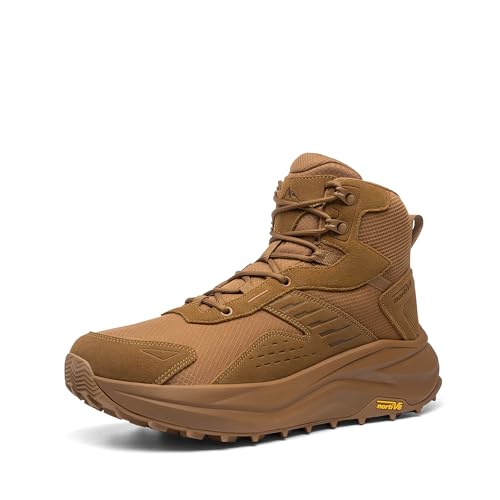
Footwear longevity varies drastically depending on whether a boot relies on lightweight technical fabrics or thick animal hides. Lightweight synthetic boots built from nylon mesh and supportive TPU overlays, like the XPETI TERRA Mid or lightweight NORTIV 8 hikers, prioritize immediate step-in agility and minimal weight. These agile models usually deliver between 350 and 500 miles of consistent trail service before their underfoot structure compresses noticeably. While synthetic fabrics require minimal break-in time compared to leather, their lightweight materials yield more rapidly to trail abrasions and repetitive ground impacts.
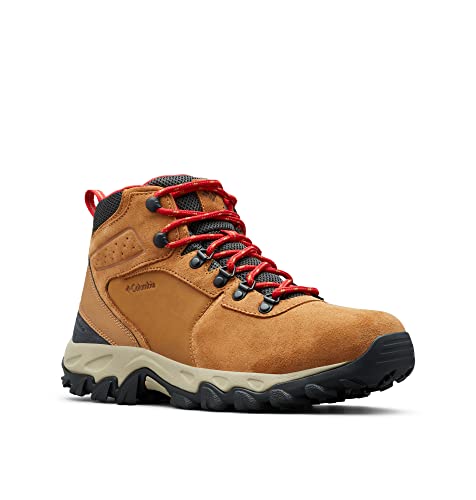
Midweight hybrid boots that combine split suede, leather overlays, and technical mesh represent a balanced middle ground for longevity. Options like the Columbia Newton Ridge Plus II Suede pair reinforced upper zones with lightweight foam midsoles to handle mixed terrain, offering roughly 500 to 750 miles of dependable service. Heavy-duty backpacking boots built with thick full-grain leather, such as the Vasque St. Elias, sit at the high end of trail durability and can exceed 800 to 1,000 miles. Although stiff leather requires a dedicated break-in period, its dense fiber structure provides unmatched resistance against jagged rocks and trail grit.
Midsole Breakdown: How EVA and Polyurethane Foam Compress
The visible exterior of a boot rarely tells the complete story of its internal health. The midsole, sandwiched between the footbed and the rubber outsole, provides critical shock absorption, joint protection, and rebound energy with every stride. Most contemporary hiking boots feature molded ethylene-vinyl acetate (EVA) foam because of its lightweight feel and immediate softness. Over hundreds of trail miles, however, the microscopic air cells within EVA foam collapse permanently, a degradation process known among footwear designers as pack-out.
When an EVA midsole packs out, it loses its ability to cushion foot impacts against hard granite and packed dirt. Hikers often begin feeling excessive soreness in the balls of their feet, aching heels, or unfamiliar lower-back discomfort. Proprietary compound blends, such as KEEN LuftCell cushioning, incorporate micro air pockets to prolong rebound life, but all EVA foam eventually succumbs to compaction. In contrast, poured polyurethane (PU) midsoles used in select traditional backpacking boots resist compression for much longer, though they remain heavier and stiffer underfoot.
Outsole Degradation: Lug Depth, Traction, and Rubber Compounds
Outsole rubber serves as your direct connection to wet boulders, mud, loose scree, and dusty trails. Factory hiking outsoles typically feature aggressive multi-directional lugs ranging from 4 to 7 millimeters in depth to bite securely into soft earth. The XPETI TERRA Mid, for example, utilizes deep 7-millimeter lugs, while Columbia relies on its proprietary Omni-Grip pattern for multi-surface stability. As you walk across abrasive granite and coarse sandstone, this raised rubber gradually grinds down, reducing your grip on steep ascents and slick descents.
Outsole longevity also depends heavily on the specific rubber compound used across the tread. Softer, stickier rubber compounds provide phenomenal adhesion on damp river rock, but they wear down rapidly on dry asphalt, hardpack gravel, and sharp scree. Firmer rubber compounds resist abrasion for hundreds of extra trail miles but can feel slick on polished wet stones. Once outsole lugs wear down to roughly half their original depth and tread edges become rounded, downhill braking traction declines dramatically.
Waterproof Membrane Longevity and Internal Lining Wear
A boot might look physically intact on the outside while its internal weather protection has failed completely. Integrated waterproof booties, such as KEEN.DRY membranes, XPETI X-Dry liners, or standard seam-sealed waterproof booties, sit sandwiched behind the outer upper fabrics. Every time your foot flexes at the metatarsal break, this delicate membrane bends, compresses, and rubs against neighboring material layers. Over 300 to 600 miles of active walking, repeated mechanical stress causes microscopic tears in the waterproof barrier.
Trail debris like fine mineral dust and grit also works its way past the collar and through sock fibers over time. Once trapped inside the footwear, sharp sand particles act like sandpaper against the interior lining fabric, gradually grinding through waterproof membranes. Heel counters frequently experience friction damage as well, leading to worn lining holes that expose hard plastic heel cups. When internal tears occur around the heel pocket or forefoot flex zone, puddle water easily floods into the interior.
The Impact of Pack Weight, Hiker Mechanics, and Terrain
Mileage ratings represent general baselines that shift dramatically based on how much weight you carry on trail. A hiker carrying a light day pack exerts far less downward compression force on EVA foam than a backpacker hauling heavy base gear. Carrying heavy loads using structured heavy load carrying backpacks accelerates midsole compaction and stresses glued upper seams. Every added pound in your pack multiplies the downward impact absorbed by your footwear across thousands of daily steps.
Terrain type plays an equally crucial role in determining how fast your hiking boots deteriorate. Walking exclusively on smooth, pine-needle-covered dirt tracks causes negligible abrasion to rubber outsoles and upper fabrics. In stark contrast, navigating jagged volcanic talus, granite boulder scrambles, and sharp limestone scree will chew through lug patterns and slice synthetic uppers within a single season. Muddy, swampy trails also introduce moisture that can degrade stitch threads and weaken cemented sole adhesives over time.
Physical Warning Signs That Signal Immediate Boot Replacement
Recognizing when footwear has passed its safe functional lifespan prevents avoidable trail injuries and chronic discomfort. One of the clearest early indicators is sudden, unexplained foot fatigue or arch tenderness after hikes that previously felt manageable. When a boot loses its torsional rigidity, the small stabilizing muscles throughout your feet and ankles must work substantially harder to maintain balance. If you twist a boot laterally and it wrings out easily, its internal shank and chassis have lost supportive stiffness.
Painful downhill toe collisions and newly developing hot spots serve as practical physical warnings from your body. As boots stretch and internal footbeds pack out, your foot slides forward inside the shoe on steep descents, jamming your toes against the front toe cap. This internal slippage leads to subungual hematomas, commonly known as blackened toenails, and severe blister friction. Wide toe box designs, such as specific NORTIV 8 models, provide natural toe splay, but even roomy boots fail when collapsed foams permit excessive foot translation.
Step-by-Step Field Inspection for Footwear Retirement
Conducting a methodical gear inspection at home takes only five minutes and reveals whether your boots remain trail-worthy. Begin by removing the factory insoles and holding them up to a bright light source. Check the insole thickness beneath the heel and the first metatarsal head; if the foam is crushed paper-thin, the primary footbed has completely lost its cushioning. Examine the underside of the insole for deep depressions, which indicate how much downward force has penetrated into the midsole below.
Next, place both boots side by side on a flat, level table and observe them from behind at eye level. If either boot tilts inward or outward because the outsole rubber or foam heel cup has compressed unevenly, structural stability is gone. A lopsided boot forces your ankles, knees, and hips into unnatural angles with every single step you take. Finally, press the toe upward while holding the heel; if the boot bends in the middle of the arch rather than at the ball of the foot, the internal shank has failed.
Maintenance and Care Habits That Maximize Trail Longevity
Practicing proactive cleaning and storage habits can add hundreds of functional miles to any pair of hiking boots. After returning from muddy trails, brush away caked dirt and mineral silt using a nylon brush and lukewarm tap water. When wet mud dries directly on leather and synthetic uppers, it leaches essential oils out of the material and accelerates surface cracking. Never store wet footwear in unventilated plastic tubs or dark, humid basements where mold and chemical breakdown can thrive.
Drying damp footwear properly protects vulnerable sole adhesives from premature thermal failure. Never place damp boots directly beside open campfires, on high-heat radiators, or under hot blow dryers to speed up drying times. Excessive radiant heat weakens the cement bonds holding the outsole to the upper and hardens leather until it cracks under tension. Instead, remove the insoles, loosen the laces completely, stuff the toe boxes with clean paper towels, and allow them to air-dry away from direct heat sources.
Resoling vs. Replacing: When Can a Boot Be Rebuilt?
Not every pair of worn hiking boots belongs in the municipal trash bin when its outsole lugs grind down. Traditional leather boots constructed with Goodyear welts or stitch-down designs can easily be resoled by a skilled cobbler multiple times. If your leather uppers have molded comfortably to your feet and remain completely supple, replacing the worn rubber outsole is both cost-effective and environmentally friendly. Resoling preserves your personalized fit while restoring fresh, sharp lugs for demanding mountain ascents.
Most modern lightweight hikers, however, utilize cemented direct-attach construction where the upper is chemically glued directly to the foam and rubber sole unit. Boots in this lightweight category, including popular models from NORTIV 8, XPETI, and Columbia, are rarely resolable due to manufacturing complexity and cost constraints. Attempting to glue new tread onto packed-out EVA midsoles fails to solve the underlying problem of collapsed shock absorption. When lightweight cemented boots wear out their tread or crush their midsoles, replacing the entire boot is the safest choice.
Sizing and Fitting Considerations for Your Replacement Pair
When the time comes to transition into a new pair of boots, reassessing your current foot size and volume is crucial. Feet naturally broaden and lengthen over years of regular trail walking due to ligament relaxation and arch adaptation. Never assume your boot size remains identical to what you wore five years ago when purchasing replacements. Always schedule fitting sessions for late afternoon when your feet have naturally swelled from daily activity, mimicking conditions on long trail days.
Evaluate the toe clearance carefully by pushing your toes forward until they touch the front of the unlaced boot. You should be able to slide a finger easily down behind your heel, confirming adequate space to prevent downhill toe impact. When fully laced, walk down a steep decline board or staircase to verify that your heel stays locked in place without lifting. Securing a stable heel pocket prevents blister-inducing friction, while generous toe boxes allow metatarsals to splay comfortably under heavy trail loads.
Final Trail Longevity Takeaways
Tracking your footwear mileage using a simple hiking journal or digital tracking app takes the guesswork out of gear maintenance. Treat the 350 to 500-mile mark as a key milestone to inspect lightweight synthetic hikers, while monitoring leather backpacking models closely around 800 miles. Paying attention to collapsed foam wrinkling, rounded outsole lugs, and subtle joint fatigue ensures you replace your boots at the ideal moment. Investing in timely footwear replacement protects your physical comfort, keeps your trail traction dependable, and ensures every wilderness journey remains safe.



Write Your Review
No reviews yet. Be the first to share your experience!