


Trail footwear directly influences foot comfort, ankle support, and overall endurance across rugged terrain. When preparing for rough trail outings or routine weekend walks, finding out %who sells hiking boots% allows outdoor enthusiasts to locate dependable options that match their biomechanical needs and budget. Major online retailers, dedicated mountain outfitters, and established footwear brands distribute models spanning agile synthetic boots to rigid leather backpacking platforms. Pairing protective footwear with reliable breathable trail pants establishes a resilient gear system capable of handling unexpected elevation changes and damp underbrush.
Modern retail platforms provide direct access to versatile designs, including affordable options engineered with cushioned midsoles and water-resistant barriers. Online storefronts make it easy to compare structural components like shock-absorbent EVA midsoles, lugged rubber outsoles, and ankle-height collars before committing to a purchase. Budget-friendly brands such as NORTIV 8 demonstrate that entry-level trail boots can supply decent arch support and trail stability without demanding the hefty investment of custom mountaineering gear. Understanding seller networks, return policies, and sizing standards ensures that you receive trail footwear equipped to tackle loose scree, mud, and everyday outdoor chores.

Pros
- Waterproof boot construction helps keep feet shielded from puddles, dew, and damp trail mud
- Flexible EVA midsole combined with cushioned insoles provides reliable shock attenuation underfoot
- Durable rubber outsole delivers slip-resistant grip on challenging slick or uneven surfaces
- Ankle-height profile adds trail stability and debris defense compared to low-cut hiking shoes
Cons
- Waterproof membrane construction naturally offers less breathability during hot summer hikes
- Listed sizing is specific to size 11, so hikers should verify personal foot dimensions and sock thickness
- Synthetic boot materials may benefit from a brief initial break-in period before extended backpacking trips
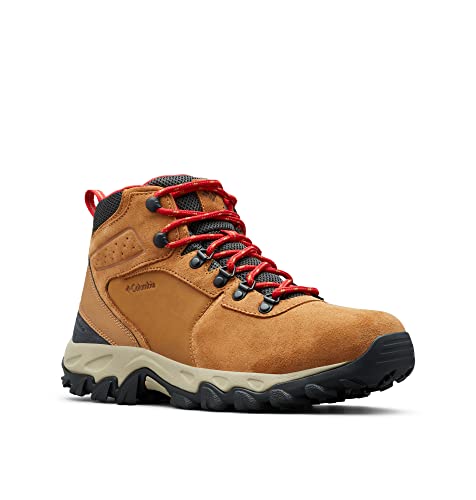
The NORTIV 8 Men's Ankle High Waterproof Hiking Boots in size 11 are practical trail boots built for day hikers, weekend backpackers, campers, and outdoor workers who require dependable ground traction and moisture defense. Featuring an all-black ankle-cut profile, these boots offer more coverage than low-top hiking shoes while avoiding the bulk of rigid mountaineering boots. They are well-matched for forest trails, muddy approach paths, and wet campsite conditions where traction and basic weather protection are essential.
Underfoot support centers around a lightweight, flexible EVA midsole designed to cushion foot strikes and reduce walking fatigue over varying grades. The ankle-high collar provides coverage against loose gravel, dirt, and damp brush while lending lateral stability when traversing roots and rocks. Paired with waterproof exterior construction, these boots help keep feet comfortable and dry during morning dew walks, light creek approaches, and damp woodland hikes.
Traction is handled by a high-grade rubber outsole equipped with deep, slip-resistant lugs that bite into wet dirt, gravel, and slick stones. Inside, removable shock-absorbent cushioned insoles deliver direct underfoot padding, distributing pressure away from the heel and forefoot. The synthetic upper and reinforced eyelet lacing system allow the wearer to pull the boot securely around the foot, minimizing interior slippage on descents.
Daily handling and maintenance are straightforward thanks to the standard lacing setup and removable insoles. After muddy treks, cleaning involves brushing away dried dirt from the rubber lugs and wiping down the outer surface with a damp cloth. Removing the insoles between trips speeds up interior air drying and prevents moisture buildup, helping maintain the integrity of the cushioning foam.
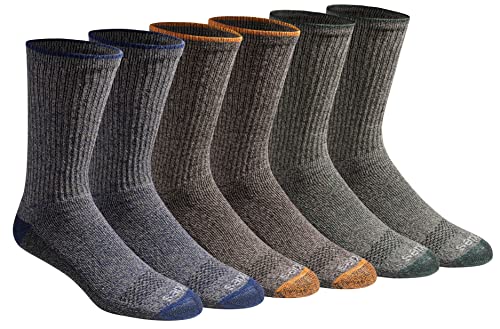
While the waterproof design shields feet from splash and surface mud, water will enter over the collar if submerged deeper than ankle level. Additionally, waterproof footwear inherently traps more internal heat than non-waterproof mesh shoes, which may lead to warmer feet during vigorous midsummer hikes. Hikers should pair the boots with quality moisture-wicking socks to manage foot comfort effectively.
For day hikers, campers, and outdoor enthusiasts seeking an affordable, ankle-height waterproof boot with solid traction and out-of-the-box comfort, the NORTIV 8 Men's Hiking Boots provide dependable functionality. They deliver the necessary grip and weather defense for typical weekend adventures and outdoor work without unnecessary complication.
The NORTIV 8 Men's Hiking Boots are built in size 11 with an ankle-high silhouette that stabilizes the ankle joint over rough, unpredictable trail beds. The flexible EVA midsole works alongside removable shock-absorbing insoles to provide responsive underfoot cushioning that helps cushion steps over hard-packed ground.
Lace adjustments across the instep and collar allow wearers to tailor tension to their foot shape and sock thickness. To ensure optimal trail comfort and prevent heel slippage on steeper descents, users should adjust lace tension evenly from the toe box through the upper eyelets.
These boots combine a waterproof upper shell with flexible EVA foam and a durable rubber outsole engineered for slip resistance. The outsole rubber formulation and multi-directional tread pattern help withstand abrasive contact with dirt, rock, and woodland debris.
Routine care will help extend the lifespan of the waterproof barrier and outsole tread. Rinsing off caked-on mud and allowing the boots to air dry naturally away from direct heaters ensures the foam and adhesives retain their cushioning and structural shape over time.
Navigating Retailers and Brand Channels for Outdoor Footwear
Retailers that distribute hiking footwear span global e-commerce platforms, dedicated mountain outfitting stores, and manufacturer-direct websites. Choosing where to purchase depends largely on whether a hiker requires specialized custom boot fittings, rapid doorstep delivery, or budget-friendly recreational options. Understanding the operational differences between these distribution channels ensures that buyers obtain dependable trail footwear with straightforward sizing exchange terms.
Primary Retail Channels for Trail Footwear
Global online marketplaces represent one of the most accessible sources for outdoor footwear, stocking thousands of models across every price tier. Platforms like Amazon connect consumers directly with both established international shoe manufacturers and rising value brands. These massive digital catalogs provide substantial inventory depth, making it straightforward to locate specific shoe sizes, wide widths, and distinct colorways. Shoppers benefit from centralized shipping logistics and consolidated user feedback that reveals real-world performance patterns before making an investment.
Specialty outdoor cooperatives and technical outfitting retailers focus on curated collections tailored to demanding backcountry pursuits. Retailers in this category often maintain physical brick-and-mortar locations staffed with trained boot fitters who evaluate arch profiles and instep volume. Their inventory leans heavily toward stiff leather mountaineering platforms, specialized alpine boots, and premium European trekking brands. While prices at specialty shops generally sit at the higher end of the spectrum, their return policies frequently accommodate extended trail testing periods.
Manufacturer-direct web portals offer another distinct path for securing dependable trail boots. Buying directly from brand websites guarantees product authenticity and gives access to the full manufacturer warranty from the date of purchase. These portals frequently feature proprietary sizing charts, replacement hardware, and model-specific care instructions that third-party resellers might omit. However, direct brand shopping limits your ability to evaluate competing designs side by side within a single checkout experience.
Direct-to-Consumer and Value Brands on Major Marketplaces
Accessible footwear manufacturers have flourished on major e-commerce platforms by delivering trail-ready designs without steep brand markups. Brands such as NORTIV 8 distribute versatile ankle-high boots tailored for weekend day hikes, camping trips, and active outdoor labor. These direct-to-consumer models prioritize immediate out-of-the-box comfort by incorporating flexible synthetic textiles and lightweight cushioning. For recreational hikers who do not require rigid crampon-compatible soles, these accessible options provide practical trail capability at a modest financial commitment.
Customer review ecosystems on large marketplaces provide valuable insights into fit consistency and long-term durability. Verified purchasers frequently describe whether a boot runs narrow through the forefoot or provides sufficient heel retention during incline walks. Scanning through diverse buyer accounts allows prospective hikers to gauge real-world water resistance and break-in speed across differing trail environments. This transparent collective feedback helps buyers select models that match their exact foot geometry without paying premium fitting fees.
Logistical convenience remains a primary motivator for buying value footwear through expansive online marketplaces. Fast fulfillment networks enable hikers to receive replacement footwear quickly before an upcoming weekend outing. Straightforward return systems also permit shoppers to order two adjacent shoe sizes simultaneously to test foot clearance at home. Returning the ill-fitting pair through convenient local drop-off centers minimizes the friction traditionally associated with mail-order shoe shopping.
Specialty Outdoor Outfitters Versus General Sporting Goods Stores
General sporting goods chains cater to a broad demographic, stocking multi-sport footwear alongside athletic apparel and team sports gear. Their outdoor footwear sections prioritize versatile, light-duty boots that transition smoothly between gentle gravel trails and daily suburban routines. These stores stock well-known recreational brands that emphasize plush underfoot cushioning and flexible sole units. Shoppers visiting these locations can physically inspect shoe flexibility and lace tension, though technical advice from sales staff may be relatively generalized.
Technical mountain outfitters take a much more rigorous approach to footwear curation and customer consultation. These specialty stores often construct indoor incline testing ramps where hikers can simulate steep descents to check for downhill toe collision. Fit specialists at technical shops often measure foot volume with Brannock devices, evaluate metatarsal splay, and suggest aftermarket footbeds to stabilize high arches. If you plan to carry heavy loads across off-trail scree fields, the specialized guidance provided by dedicated mountain retailers can be invaluable.
Inventory turnover also differs substantially between general sporting chains and high-altitude gear outfitters. Sporting chains routinely clear out seasonal styles to make shelf room for seasonal team gear, creating opportunities for steep promotional discounts. Technical outfitters maintain consistent stock of classic trekking staples that remain in production for years due to their proven field reliability. Evaluating your intended trail difficulty helps determine whether a general sporting store or a technical outfitter offers the appropriate product selection.
Key Construction Features to Check Before Buying Online
Examining listed footwear specifications carefully helps buyers avoid disappointing footwear choices when shopping through digital retailers. Midsoles constructed from compression-molded EVA foam deliver lightweight shock absorption that mitigates repetitive foot fatigue on hard-packed soil. Flexible EVA platforms cushion the heel during downward strikes while maintaining natural forefoot articulation over rolling topography. Pairing responsive underfoot cushioning with protective knee hiking pants further reduces joint strain on prolonged downhill descents.
Traction performance hinges on outsole composition and lug geometry, which shoppers should scrutinize in product imagery. High-quality rubber outsoles feature multi-directional tread lugs engineered to bite into loose dirt, damp grass, and slippery mud. Deep perimeter lugs facilitate mud shedding with every step, preventing thick soil from accumulating underfoot and turning soles slick. Boots with dedicated heel-braking lugs provide essential stability when descending steep dirt grades where traction failure could cause falls.
Upper construction and ankle collar height dictate both weather resistance and lateral joint support. Ankle-high boot profiles cover the vulnerable malleolus bones, shielding lower legs from brush abrasions and loose rock debris. Removable and shock-absorbent cushioned insoles allow hikers to adjust interior volume or swap in structured orthotics for specialized arch support. Integrated waterproof linings combined with gusseted tongue designs help keep socks dry when crossing shallow trail puddles or wet vegetation.
Sizing and Fit Verification When Ordering Boots Remotely
Securing the proper fit through an online retailer requires understanding how foot dimensions fluctuate throughout an active day. Feet naturally swell and expand after hours of walking, especially when carrying gear in warm weather conditions. Measuring your feet in the late afternoon or evening provides a realistic baseline that prevents purchasing boots that pinch on extended hikes. Always test footwear using the exact moisture-wicking wool or synthetic socks you intend to wear during outdoor adventures.
The finger-width clearance test serves as a reliable benchmark for evaluating toe room inside a freshly delivered boot. Slide your foot forward into the unlaced boot until your toes gently touch the front cap without curling. You should be able to slide one index finger comfortably between your heel and the boot’s rear counter. If that gap feels cramped or impossible to penetrate, the boot is likely too short and will generate agonizing toe collision on steep declines.
Lacing your boots completely and testing them on household stairs reveals how securely the heel pocket holds the calcaneus bone. Ascending stairs on your forefoot should produce minimal heel lift within the ankle collar, preventing friction blisters from forming over sustained climbs. Walking downward simulates downhill trail forces, confirming whether your midfoot lacing holds your instep firmly in place. If your toes slam against the front bumper during step-downs, you need either a half-size larger boot or an alternate lacing adjustment.
Matching Seller Selection to Trail Demands and Pack Weight
Trail difficulty and carried pack weight determine whether you need a budget day boot or a specialized heavy-duty trekking platform. Agile day hikers traveling light across groomed forest paths benefit immensely from lightweight synthetic boots sold through mainstream online merchants. These flexible boots require minimal break-in time, allowing outdoor enthusiasts to hit the trail immediately without enduring stiff leather friction. Their compliant outsoles flex naturally under minimal body weight, keeping leg fatigue low during short-distance excursions.
Multi-day wilderness expeditions demand substantially more rigid chassis construction and resilient upper materials. When carrying a heavy internal frame hiking backpack over uneven alpine routes, underfoot torsional stability becomes essential to prevent joint fatigue. Stiff composite or nylon shanks embedded in the midsole shield your foot arches from bruising over jagged talus and granite rocks. Specialized mountain outfitters remain the best destination for acquiring these supportive, load-bearing backpacking platforms built with thick nubuck or full-grain leather.
Balancing gear investment against your actual trail frequency prevents unnecessary expenditures on technical features you may never utilize. Occasional weekend walkers and seasonal campers rarely need heavy-duty mountaineering boots that cost hundreds of dollars and demand weeks of painful break-in. Value-focused boots available through major online outlets provide ample weather protection and traction for routine outdoor recreation. Aligning your footwear purchase with realistic trail objectives ensures that you receive optimal performance without overspending.
Return Policies, Warranties, and Post-Purchase Verification
Reviewing a retailer’s return conditions before finalizing an order protects you from being stuck with ill-fitting footwear. E-commerce platforms typically offer thirty-day return windows, provided the boots show zero signs of outdoor wear. Specialty outdoor co-ops often provide generous membership-based return periods that even permit light trail testing. Understanding these policies beforehand allows you to test internal volume and collar stiffness thoroughly in clean indoor conditions.
Testing newly purchased footwear indoors preserves the factory condition of the outsoles while assessing biomechanical compatibility. Wear the boots around your living room and across hard flooring for several hours over multiple days. Pay close attention to any hot spots forming along the Achilles tendon, dorsal instep pressure points, or metatarsal pinching. If noticeable friction emerges during basic indoor walking, return the boots immediately rather than hoping trail mileage will fix the mismatch.
Manufacturer warranty coverage protects buyers against unexpected manufacturing flaws, such as premature outsole delamination or failing seam stitches. Third-party marketplace sellers must be authorized distributors for the manufacturer to honor official warranty claims. Checking seller authorization details on the product listing confirms that your purchase carries legitimate consumer protection. Retain digital receipts and packaging until you have fully verified the structural integrity of your new hiking footwear.
Practical Maintenance and Long-Term Trail Value
Proper maintenance extends the functional lifespan of boots purchased through any retail channel. After completing muddy or dusty trail walks, remove dried debris using a soft nylon brush and lukewarm water. Allowing mud to dry permanently on synthetic fabrics degrades textile fibers and diminishes the breathability of internal waterproof membranes. Air-dry your boots at room temperature, keeping them away from direct campfires or heating vents that can weaken sole adhesives.
Monitoring underfoot wear patterns indicates when your trail footwear has reached the end of its useful lifespan. Compression-molded EVA midsoles gradually lose their rebound elasticity after hundreds of trail miles, resulting in noticeable compression wrinkles. Inspect the rubber outsole regularly to verify that perimeter traction lugs retain sharp braking edges for wet terrain stability. Replacing worn footwear before the cushioning completely packs out prevents chronic foot aches and preserves dependable trail safety.
Selecting where to buy hiking boots ultimately comes down to identifying retailers that offer the right balance of selection, convenience, and value. Whether ordering an agile synthetic pair from a prominent digital marketplace or visiting a technical mountain outfitter for high-altitude leather boots, informed buyers achieve superior comfort on every trek. Take the time to confirm your sizing, inspect structural components, and test foot security thoroughly before heading into the backcountry.



Write Your Review
No reviews yet. Be the first to share your experience!