


Trail conditions dictate footwear performance, especially when navigating loose dirt, rocky inclines, or rolling gravel pathways. Outdoor enthusiasts often ask are walking boots and hiking boots the same when preparing for weekend excursions across mixed terrain. While casual walkers might treat the two terms interchangeably, technical footwear designs separate standard walking shoes from rugged hiking boots based on torsional stability, collar height, and underfoot protection. Pairing dependable boots with breathable lightweight hiking pants keeps trail outings comfortable regardless of mileage.
Dedicated hiking boots feature stiffer soles, deeper traction lugs, and reinforced suede or leather uppers to stabilize the calcaneus on uneven ground. Softer walking boots prioritize immediate sole flexibility and lightweight comfort for well-maintained towpaths or paved community loops. Choosing the wrong footwear can lead to premature foot fatigue, painful downhill toe bang, or uncomfortable blister friction on steeper grades. Understanding these mechanical variations ensures your feet stay protected from rocky impacts and unexpected trail obstacles.

Pros
- Multi-Directional Traction (MDT) rubber outsole delivers solid grip on mud and rocky surfaces
- High-performance genuine suede leather upper provides reliable durability and flexibility
- Lightweight EVA midsole and removable arch-support insole offer responsive cushioning
- Top metal lace hooks allow quick adjustments and a secure ankle lockdown
Cons
- Lacks explicit waterproof membrane ratings for deep stream crossings or heavy downpours
- Suede leather upper requires regular brushing and maintenance to clean off dried mud
The NORTIV 8 Women's Lightweight Ankle Hiking Boots are trail-focused footwear designed for female day hikers, weekend backpackers, and campers seeking supportive ankle coverage without excess bulk. Built around a genuine suede leather upper and an athletic-inspired EVA platform, this specific pair in size 7.5 offers an approachable balance of flexibility and off-pavement utility. Hikers navigating local state park paths, packed dirt loops, or uneven campsite terrain will find the lightweight design well suited for active outdoor recreation.
Reliable grip on unpaved surfaces comes from the rugged rubber outsole equipped with Multi-Directional Traction (MDT) lugs. This tread profile is engineered to bite into slick mud, gravel paths, and exposed rock faces, helping maintain stable footing under a loaded daypack or lightweight backpacking kit. Beneath the foot, a lightweight EVA foam midsole works in tandem with a removable flexible insole to absorb repetitive trail shock. The integrated arch support in the footbed helps manage foot fatigue over rolling miles, providing consistent cushioning throughout a full day outdoors.
Upper construction pairs durable genuine suede leather with breathable mesh panels along the collar and interior lining. Suede leather delivers superior wear resistance and suppleness compared to basic polyurethane synthetics, resisting trail abrasion from trail-side brush and loose rocks. To ensure proper climate control during warm-weather ascents, the interior mesh lining encourages steady ventilation around the foot. Top speed hooks anchor the lacing system at the ankle, providing reliable tension distribution so the collar stays comfortably secured against the lower calf.
Dialing in the fit is straightforward thanks to the traditional lace-up closure and flexible tongue design. The upper lace hooks allow hikers to adjust tension independently between the instep and the ankle collar to minimize heel slippage. Because the flexible insole is fully removable, users can air it out between trail outings or swap it for specialized orthotic inserts if needed. Maintenance involves brushing away dried mud and wiping down the suede leather with a damp cloth, followed by air drying away from direct heat sources to preserve leather texture and longevity.
While these boots handle dirt trails and rocky paths effectively, the product specifications do not indicate a waterproof membrane or seam-sealed waterproofing. Hikers should anticipate moisture penetration during deep puddle crossings, prolonged downpours, or heavy wet grass. In addition, suede leather requires more proactive cleaning than slick synthetic textiles to prevent grit from settling into the nap. Backpackers carrying very heavy expedition packs may also prefer stiffer, full-shank mountaineering boots over this flexible EVA construction.
For budget-conscious hikers and weekend backpackers looking for comfortable, supportive trail footwear, the NORTIV 8 Women's Lightweight Ankle Hiking Boots deliver strong functional value. The combination of genuine suede, shock-absorbing EVA foam, and multi-directional rubber traction provides the necessary trail protection for light-to-moderate terrain. Ensuring this size 7.5 model matches your foot measurements and socks will yield a comfortable, capable trail companion for day hikes, campground approaches, and scenic backpacking trips.
Genuine suede leather provides the primary structural shell for these hiking boots, delivering superior resistance against abrasion compared to polyurethane alternatives. The suede material flexes naturally with your foot while withstanding scrapes from rocks, roots, and trail-side brush.
Complementing the leather upper, breathable interior mesh linings facilitate airflow around the foot to prevent excess heat buildup during strenuous climbs. Underfoot, the rugged rubber outsole utilizes Multi-Directional Traction lugs that resist premature tread wear on abrasive surfaces, while top metal lace hooks ensure secure tension retention across repeated trail outings.
Trail versatility is a key attribute of this lightweight footwear, making it suitable for moderate day hikes, weekend backpacking excursions, and casual campsite wear. The ankle-height profile provides coverage against trail debris and mild ankle roll without restricting natural walking motion.
The combination of a shock-absorbing EVA midsole and a flexible arch-support insole helps cushion the feet when carrying a daypack or moderate backpacking load. For rocky ascents, muddy paths, or uneven forest tracks, the multi-directional rubber lugs provide reliable stability across varied trail conditions.
Understanding the Structural Differences Between Walking Boots and Hiking Boots
Climbing over rocky granite scrambles requires vastly different mechanical support than strolling through an asphalt park path or hard-packed woodland trail. While shoppers frequently ask whether are walking boots and hiking boots the same, the physical architecture of the two styles targets completely different physical demands. Walking boots prioritize immediate flex and step-in comfort for low-impact strolls, whereas hiking boots emphasize underfoot stiffness, multi-surface traction, and defensive exterior materials. Recognizing how sole construction, ankle support, and tread geometry diverge helps you select the correct footwear for your intended outdoor terrain.
Regional Terminology and the Core Footwear Distinction
Regional language often blurs the line between these two footwear categories. In the United Kingdom, walkers commonly use the phrase “walking boots” as an umbrella term for light trail shoes up to mountain footwear. In North America, walking boots typically refer to flexible footwear crafted for paved loops, gentle bridleways, and manicured paths. Hiking boots specifically denote structured footwear built to handle unpredictable backcountry wilderness trails.
Terrain difficulty represents the primary dividing line between these footwear concepts. Paved surfaces generate uniform ground reaction forces that do not require aggressive torsional stability or deep mud-shedding lugs. Rocky mountain paths, exposed roots, and steep switchbacks require deliberate foot placement and structured arch support to prevent premature tendon fatigue. Choosing footwear based on actual trail conditions rather than regional product labels ensures your feet stay supported.
Sole Stiffness and Underfoot Torsional Rigidity
Underfoot rigidity serves as one of the clearest physical differences between walking shoes and trail boots. A standard walking boot allows the forefoot and midfoot to bend naturally with each stride, mimicking casual athletic shoes. True hiking boots incorporate stiffer internal platforms, often utilizing embedded thermoplastic polyurethane (TPU) or nylon shanks to limit excessive longitudinal twisting. This torsional resistance keeps your foot stable when balancing across sharp rocks or traversing steep slopes.
Flexible soles perform well on flat terrain where your feet benefit from natural ground contact and high flex angles. Problems arise when flexible footwear enters rocky environments where uneven stones push upward directly into your plantar fascia. A stiff sole acts as a protective shield that disperses concentrated rock impact across the entire footbed. This structural barrier reduces muscle fatigue during long days and shields the foot from painful stone bruises.
Outsole Traction Patterns and Lug Depth Geometry
Traction design separates casual path footwear from technical trail equipment. Walking boots generally sport shallow, closely spaced rubber treads designed to maximize surface contact on dry dirt, tarmac, and smooth gravel. These shallower treads provide a quiet, smooth ride on firm surfaces but tend to clog quickly in wet muck or loose scree. Once mud packs into shallow tread grooves, the flat surface loses friction and creates an immediate slip hazard.
Hiking footwear relies on specialized rubber outsoles engineered with aggressive, deep tread patterns. Outsoles featuring Multi-Directional Traction (MDT) incorporate perimeter lugs for edging, forward-angled toe lugs for propulsion, and reverse-angled heel braking lugs for descent control. The NORTIV 8 Women’s Lightweight Ankle Hiking Boots feature rugged rubber outsoles with MDT grip designed to bite into muddy paths and rocky surfaces. Deep, widely spaced lugs encourage wet debris to release naturally as the sole flexes.
Ankle Collar Height and Joint Stabilization
Shaft cut height plays a significant role in guarding against trail debris and uneven footing. Walking boots frequently feature low-cut designs or very soft, minimal ankle collars ending below the ankle bone. This low-profile cut maximizes joint mobility and keeps overall boot weight exceptionally low for casual everyday fitness. The open collar design feels unrestricted on smooth paths, but it provides limited physical shielding against gravel, loose pebbles, and intrusive brambles.
Dedicated hiking boots typically adopt a mid-cut or high-cut shaft that wraps securely around the lower leg. A padded ankle collar does not act like a rigid medical cast, but it provides vital proprioceptive feedback when the joint begins to roll outward on unstable rocks. Higher boot shafts also protect the delicate ankle joint from painful impacts against jagged trail stones. Secure padding at the ankle collar shields vulnerable soft tissue from repetitive chafing while stabilizing the foot.
Upper Durability and Protective Materials
Exterior materials must withstand harsh abrasive forces to keep the internal boot lining intact. Walking boots lean heavily toward lightweight textile meshes and soft knit fabrics to maximize airflow during warm-weather neighborhood walks. These lightweight fabrics breathe exceptionally well, but they offer little defense when dragged against abrasive granite boulders or sharp underbrush. Thin mesh materials also lack structural stiffness, allowing the upper to stretch outward when bearing sideways loads on hillside traverses.
Hiking boots incorporate resilient materials such as genuine suede leather, nubuck, or high-denier synthetic textiles. Suede leather delivers remarkable natural abrasion resistance while remaining softer and more pliable than stiff polyurethane alternatives. Reinforced synthetic toe bumpers and supportive heel counters are strategically stitched into high-wear zones to prevent scuffing and impact damage. Protective materials shield your toes from hidden trail obstacles like submerged rocks and half-buried roots.
Midsole Cushioning and Load-Bearing Support
Midsole construction dictates how footwear absorbs impact shock and supports sustained weight over long distances. Casual walking footwear relies on soft, plush foams designed to produce a cloud-like step on hard pavement. While this pillowy foam feels luxurious during short walks, light foam compresses rapidly under sustained weight, losing its supportive rebound over extended hours. Hikers carrying gear require denser cushioning formulations that resist premature mechanical packing.
Hiking boots strike a balance between shock absorption and stability by utilizing compression-molded ethylene-vinyl acetate (EVA) foam midsoles. Lightweight EVA foam absorbs jarring impact forces from rocky trails while providing a stable, level platform beneath the arch. When carrying loaded packs or using framed backpacking packs on weekend trips, a supportive midsole prevents the foot from collapsing inward under extra weight. Removable contoured insoles work in tandem with the midsole to cradle the heel and distribute downward pressure evenly.
Fit Dynamics: Sizing for Downhill Descents and Foot Expansion
Sizing requirements differ significantly between standard walking shoes and trail-ready boots. When walking on level paths, standard athletic shoe sizing with a thumb-width of space beyond your longest toe generally performs without issue. Wilderness hiking introduces steep, prolonged downhill descents that drive the foot forward inside the toe box with every step. If the toe box lacks sufficient internal volume, toes slam violently against the front rand, causing subungual hematomas and painful bruised toenails.
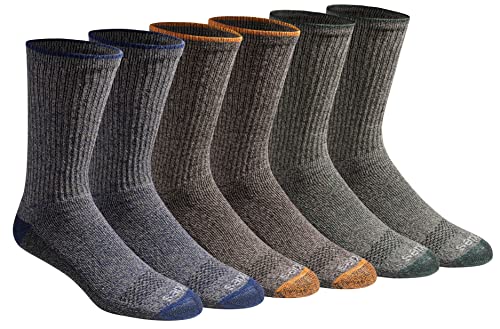
Proper hiking boot fitting requires verifying downstream toe clearance before heading outdoors. Pushing your toes completely forward while unlaced should leave approximately one finger-width of clearance behind your heel in the ankle cup. Hikers must also account for natural afternoon foot swelling caused by sustained aerobic exercise and heat buildup. Trying on boots late in the day with your intended wool hiking socks ensures the internal volume accommodates natural fluid expansion without pinching your forefoot.
Lacing Hardware and Pressure Management
Lacing systems on technical footwear provide customizable tension across independent anatomical zones. Basic walking shoes utilize standard fabric eyelets that distribute tension evenly along the tongue with little room for regional adjustment. Hiking boots feature rugged metal hardware, including secure webbing eyelets along the forefoot and open speed hooks positioned at the ankle collar. Metal speed hooks allow hikers to quickly loosen the collar during uphill climbs and secure it firmly before tackling steep descents.
Specialized lacing adjustments can resolve common trail fit complaints such as heel lift and dorsal instep pressure. Hikers struggling with instep numbness can skip specific eyelet crossings using window lacing to relieve pressure over high bone arches. If your heel slips upward inside the heel counter, tying a surgeon knot before the upper hooks creates friction that locks the heel firmly in place. Securing the rearfoot prevents friction shear between your sock and skin, eliminating the primary cause of painful calcaneus blisters.
Trail Compatibility: Matching Footwear to Terrain and Pack Load
Selecting between walking shoes and hiking boots ultimately comes down to terrain difficulty and carried pack weight. Short day walks across smooth towpaths, paved parkways, and packed gravel loops are suited to lightweight walking boots or walking shoes. These flexible options keep leg fatigue to a minimum because you do not have to lift extra boot weight with every stride. Pairing light footwear with flexible trail pants provides exceptional mobility on simple, low-risk routes.
Venturing onto technical backcountry trails, rocky mountain passes, or wet wilderness routes demands the stability of a dedicated hiking boot. The rugged rubber lug patterns and stiff chassis protect your joints when carrying overnight camping gear across uneven ground. Footwear featuring breathable mesh linings and genuine suede leather uppers keeps your feet comfortable across changing temperatures while guarding against trail debris. Investing in the right footwear construction ensures your outdoor adventures remain safe, comfortable, and blister-free.
Practical Care and Maintenance for Extended Footwear Life
Routine maintenance preserves the protective attributes and structural integrity of outdoor footwear over years of use. Leaving wet trail mud caked on suede leather or synthetic uppers draws out natural oils, causing the upper material to stiffen and crack prematurely. After returning from a dirty hike, brush off dried mud using a soft-bristled nylon brush and clean the fabric with cool water. Avoid harsh detergents that strip factory protective treatments or degrade flexible stitching threads.
Drying wet footwear requires patience and gentle airflow rather than intense heat. Never place your boots directly next to a roaring campfire, wood stove, or high-heat household radiator. Excessive radiant heat weakens the structural adhesives holding the rubber outsole to the EVA midsole, leading to premature sole delamination. Remove the flexible insoles, loosen the laces, and allow the boots to air-dry naturally in a well-ventilated room to preserve the shape of the internal chassis.
Understanding whether walking boots and hiking boots are the same comes down to recognizing the specific demands of your chosen route. Choosing a flexible walking boot provides effortless agility on flat, predictable community paths, while stepping into a structured hiking boot equips your feet for the unpredictable challenges of the wild backcountry. By matching sole stiffness, outsole tread depth, and collar support to your trail environment, you can step forward with confidence and enjoy every mile in comfort.



Write Your Review
No reviews yet. Be the first to share your experience!