


Early morning starts on frost-covered trails often force outdoor enthusiasts to confront bitter cold creeping upward through their footwear. When planning a trek across chilly ridges or damp autumn valleys, hikers frequently ask: are hiking boots warm enough to protect feet without specialized thermal gear? Standard hiking boots are engineered primarily for mechanical foot protection, structural ankle stability, and wet-weather defense rather than pure thermal retention. Pairing your footwear with breathable apparel like lightweight hiking pants helps balance your lower-body temperature while keeping you agile over varying terrain.
The degree of warmth you experience on the trail depends heavily on upper materials, internal moisture management, and external weather barriers. Boots constructed with waterproof leather uppers and dense rubber outsoles inherently trap body heat better than ventilated mesh trail runners, but they can also accumulate internal sweat if foot ventilation is restricted. Understanding how footwear construction impacts thermal balance ensures that your feet stay comfortable instead of damp and chilled during cold-weather excursions. Choosing the proper combination of boots, insoles, and specialized socks makes the critical difference between enduring freezing toes and enjoying a brisk outdoor trek.

Pros
- Waterproof exterior construction helps keep feet protected against damp grass, rain, and trail mud
- Lightweight EVA midsoles paired with removable cushioned insoles absorb trail shock and soften repetitive impact
- Rugged rubber outsoles deliver slip-resistant grip on challenging dirt, wet rocks, and loose paths
- Ankle-height cut provides supportive coverage and helps block loose trail debris
- Dedicated 10.5 Wide sizing offers comfortable room for wider forefeet or heavier wool hiking socks
Cons
- Listed in a specific size (10.5 Wide), requiring hikers needing standard widths or different sizes to find alternative options
- Waterproof ankle-height construction can retain heat in hot, arid summer conditions compared to non-waterproof mesh trail footwear
- Manufacturer specifications do not detail exact upper fabric deniers or proprietary waterproof membrane ratings
The NORTIV 8 Men's Ankle High Waterproof Hiking Boots are mid-height trail boots built for outdoor enthusiasts who need reliable traction, moisture protection, and underfoot cushioning on dirt trails, gravel paths, and rugged campsites. Sized in 10.5 Wide with a versatile Brown/Black/Tan color pattern, this footwear caters directly to hikers with wider feet or those who prefer wearing midweight to heavyweight wool hiking socks. Whether preparing for state park day hikes, weekend backpacking excursions, camping setups, or general outdoor utility work, these boots offer a balanced design focused on stability and practical comfort.
On active trail routes, underfoot shock absorption is critical when carrying personal daypacks or overnight gear. The NORTIV 8 boots integrate lightweight, flexible EVA midsoles that offer sustained cushioning and energy return across repetitive strides. Paired with removable, shock-absorbent insoles, the interior footbed cushions against firm rocks and hard-packed soil, helping minimize foot fatigue over long trekking hours. The ankle-high silhouette provides supportive coverage around the lower ankle joint, which helps hikers stay steady when navigating uneven surfaces, rocky inclines, or root-strewn forest floors.
Weather protection and surface stability are handled by the boot's waterproof upper construction and durable rubber tread. The waterproof design helps shield feet from wet trail conditions, splash from shallow puddles, and damp morning foliage. Underneath, high-quality rubber outsoles feature an aggressive, non-slip tread pattern engineered to bite into slick mud, damp surfaces, and loose dirt, reducing the risk of slipping on tricky inclines. The combination of flexible midsole components and structured rubber outsoles ensures reliable ground feel while maintaining enough stiffness to resist torsional twisting on varied backcountry trails.
Getting the right fit and maintaining outdoor footwear requires simple routine care. Because this pair features a 10.5 Wide designation, hikers can easily adjust lace tension through the eyelets to secure the heel while leaving ample room in the toe box for natural foot swelling during warm ascents. The removable insole design makes post-hike cleaning straightforward, allowing users to pull out the inserts for thorough airing out after sweaty or rainy hikes. To preserve the waterproof integrity and prolong outsole life, simply wipe away caked-on trail mud with a soft brush and lukewarm water, letting the boots air-dry away from direct heat sources before stowing them for the next trek.
While these boots offer substantial protection and traction, buyers should weigh several realistic considerations. Waterproof ankle-height boots naturally trade off maximum ventilation for moisture defense, meaning feet may run warmer during midsummer desert or high-humidity hikes compared to non-waterproof trail runners. Furthermore, this specific listing is fixed at size 10.5 Wide, so hikers requiring standard widths or different sizing increments must ensure they choose the correct variant. The manufacturer details also omit proprietary waterproof membrane ratings or specific upper material compositions, making them better suited for moderate three-season hiking rather than technical alpine mountaineering.
For budget-minded day hikers, weekend backpackers, and outdoor workers looking for dependable wet-weather performance, the NORTIV 8 Men's Ankle High Waterproof Hiking Boots present strong everyday value. The union of supportive ankle height, flexible EVA cushioning, removable footbeds, and slip-resistant rubber outsoles delivers practical trail capability for everyday adventures. Hikers seeking a roomy 10.5 Wide fit that transitions easily from state park loops to muddy campsite tasks will find these boots a solid, trail-ready companion.
The NORTIV 8 Men's Ankle High Waterproof Hiking Boots in this listing come in a designated 10.5 Wide (10.5W) sizing. A wide fit provides extra room across the forefoot and ball of the foot, which is especially beneficial for hikers with broader feet or those who prefer pairing their boots with thicker cushioned merino wool hiking socks.
During extended hikes, feet naturally expand under the weight of a backpack. The wide toe box helps prevent uncomfortable toe pinch on steep descents, while the adjustable lace closure lets hikers dial in heel lockdown and ankle collar snugness to prevent heel slippage and blisters.
Built for multi-terrain outdoor use, these boots feature a waterproof exterior shell paired with an ankle-high collar that resists moisture intrusion from trail puddles, wet brush, and light rain. The durable rubber outsole is formulated for high-traction grip, featuring deep lugs that resist slipping on wet, muddy, and loose trail surfaces.
Internally, the boot relies on a lightweight EVA midsole designed for flexibility, impact absorption, and long-lasting energy return. Accompanied by a removable shock-absorbing insole, this multi-layer sole construction cushions the foot against sharp rocks without adding excessive footwear weight.

Pros
- High 70% merino wool content delivers dependable thermal warmth for cold-weather trail outings
- Generous 5-pair multipack makes it easy to pack dedicated dry sleep socks and trail spares into a backpack
- Spandex blend provides sufficient elasticity to accommodate women's shoe sizes 6 through 10
- Crew length pairs comfortably with mid-cut and high-cut hiking boots
Cons
- Care instructions recommend hand washing and avoiding heat, requiring more maintenance than standard synthetic socks
- One-size design for women's sizes 6-10 does not accommodate very small or larger foot profiles
- Product specifications do not list targeted anatomical cushioning zones or graduated arch compression
The MQELONG Merino Wool Socks are thermal crew-length boot socks designed as essential cold-weather trail accessories for women. While primary pack hardware like suspension and frames handle carried loads, reliable foot insulation is an equally critical component of any backcountry packing list. These socks are aimed at day hikers, winter walkers, weekend backpackers, and campers who need dependable thermal foot protection without spending top-tier prices for individual pairs.
On the trail, foot comfort relies heavily on fabric composition, especially when temperatures drop. These socks feature a blend of 70% merino wool, 22% polyester, and 8% spandex. Merino wool is recognized for its natural ability to insulate and manage moisture, making this knit practical for chilly morning starts, damp trail conditions, and cold-weather camp setups. The listed size range fits US women's shoe sizes 6 through 10, utilizing the integrated spandex to grip the foot and stay upright inside mid-cut or high-cut hiking boots.
Construction quality centers around a thick, cozy knit structure that provides a soft barrier between the foot and the inner lining of hiking footwear. The 22% polyester content adds structural strength to the yarn, which helps the knit hold up against the repeated friction generated inside a boot. The crew-height design extends well above the ankle, preventing stiff boot collars from rubbing against bare skin and keeping trail duff, pine needles, and cold drafts off the lower leg.
For backpackers organizing gear in a multi-day pack, having clean, dry socks is a major safety and comfort consideration. Because this package includes five pairs, hikers can easily roll two or three sets into a dry bag or stuff sack to ensure they have dedicated sleeping socks and backup pairs for creek crossings. Maintenance requires conscious care: the manufacturer suggests hand washing and advises against ironing, which helps protect the natural elasticity of the wool fibers between weekend trips.
These socks carry clear practical limitations that trail users should weigh before heading into technical terrain. Sizing is restricted to a single range covering women's shoe sizes 6 to 10, meaning hikers with narrower, wider, or larger feet may experience loose bunching or tight toes. Furthermore, the product data does not indicate specific technical trail features such as targeted heel-strike padding, ventilated mesh insteps, or specialized arch bands found on dedicated endurance hiking socks.
Overall, the MQELONG Merino Wool Hiking Socks represent a solid, budget-conscious choice for casual hikers, winter campers, and travelers stocking their packs for cooler weather. The high merino wool ratio and multipack value make them a functional addition to any daypack or overnight gear list where warmth, soft comfort, and extra trail spares are needed.
The fabric blend consists of 70% merino wool, 22% polyester, and 8% spandex. This combination allows the natural thermal properties of wool to dominate, while synthetic fibers provide structural integrity and stretch retention across trail use.
To maintain the soft feel and elasticity of the knit, the manufacturer recommends hand washing and specifically advises against ironing. Backpackers should air-dry these socks completely before storing them in gear closets or compression dry sacks between outings.
These socks are built to fit standard US women's shoe sizes 6 through 10. The 8% spandex integration allows the fabric to stretch over the foot and contour along the lower calf.
Because this is a one-size offering, hikers with feet outside the 6-10 shoe size bracket should verify their fit before committing to long treks to avoid excess material bunching inside hiking footwear.

Pros
- Plush, fuzzy interior lining delivers reliable thermal comfort inside cold hiking boots
- Five-pair multi-pack offers great overall value for weekly trail outings and camping trips
- Wool and cotton fabric blend balances temperature retention with soft, all-day wearability
- Crew height pairs cleanly with standard hiking boots, winter pac boots, or work footwear
Cons
- Care instructions recommend hand washing and air drying rather than standard machine laundering
- Thick, heavy profile may feel restrictive inside snug or low-volume trail running shoes
- Single sizing bracket covers US women's 6 to 10, offering limited support for extended foot sizes
The MOGGEI Women's Wool Hiking Socks are a thermal, crew-height footwear accessory designed for day hikers, cold-weather campers, and outdoor enthusiasts who need dependable boot cushioning and warmth. Sold in a convenient five-pair bundle featuring neutral colorways, these socks serve hikers seeking affordable insulation for brisk autumn treks, winter trail outings, and everyday cold-weather boot wear.
On the trail, proper foot warmth and friction defense depend heavily on sock construction, and these crew socks are tailored specifically for US women's shoe sizes 6 through 10. The extended crew height rises comfortably above standard mid-cut hiking boots and work boots, preventing friction along the ankle collar. With their thick fabric profile, these socks help fill out roomier trail boots while keeping feet cozy during chilly morning trailhead starts or relaxed evenings around camp.
The knit construction combines natural wool and soft cotton, creating a dense, breathable barrier against frigid conditions. A distinctive feature is the fuzzy interior design, which provides plush underfoot softness and traps warm air next to the skin without feeling abrasive. The exterior knit remains resilient enough for general outdoor recreation, yard chores, and casual cabin lounging, offering balanced breathability to keep feet feeling comfortable during moderate physical activity.
Managing these socks between hikes requires mindful laundering, as the manufacturer specifically recommends hand washing and avoiding ironing to protect the soft knit fibers. In a backpack or duffle, the five-pair set rolls tightly into gear organizers or pack liners, making them convenient to carry as dry sleep socks or backup trail pairs. Allowing them to air dry preserves the fuzzy interior texture and helps prevent fiber degradation over repeated use.
While the thick thermal design offers great warmth, the heavy profile means these socks might create a tight fit inside snug hiking boots or low-volume trail runners. Hikers who prefer machine-wash-and-dry ease will need to account for the gentle hand-wash recommendation, and those whose shoe sizes fall outside the US women's 6 to 10 window may experience fit inconsistencies around the heel cup or toe box.
For hikers, campers, and winter travelers looking to stock up on cozy, insulated boot socks on a budget, the MOGGEI five-pack provides practical warmth and dependable comfort. Checking your boot volume beforehand and following the gentle wash guidance will ensure these socks perform comfortably across crisp day hikes, winter commutes, and relaxed cabin stays.
The MOGGEI wool socks are sized to fit US women's shoe sizes from 6 to 10. The medium crew cut offers elasticized stay-up support across the lower calf, helping keep the sock in place without sliding down into hiking boots.
Because the material is thick and cushioned, ensure your hiking boots or outdoor footwear have sufficient internal volume to accommodate heavy thermal socks comfortably without pinching the toes.
Crafted from a blend of natural wool and cotton, these socks feature a fuzzy inner lining designed for heat retention and all-day softness. The fabric balances insulation with breathable comfort across various cold-weather trail and cabin settings.
To maintain fabric integrity and avoid premature wear, the manufacturer recommends hand washing and air drying. Do not iron or apply direct high heat to these wool-blend socks.
Pros
- Seam-sealed waterproof leather and suede upper guards against moisture on wet trails
- TECHLITE midsole provides lightweight cushioning and energy return for long walking comfort
- Omni-GRIP non-marking rubber outsole offers multi-terrain grip across three seasons
- Reinforced toe and heel barriers with extended toe overwrap protect high-wear zones
Cons
- Mid-cut leather and suede build may feel warmer during peak high-temperature summer hikes than mesh trail runners
- Suede and leather materials require routine brushing and proper drying to maintain condition over time
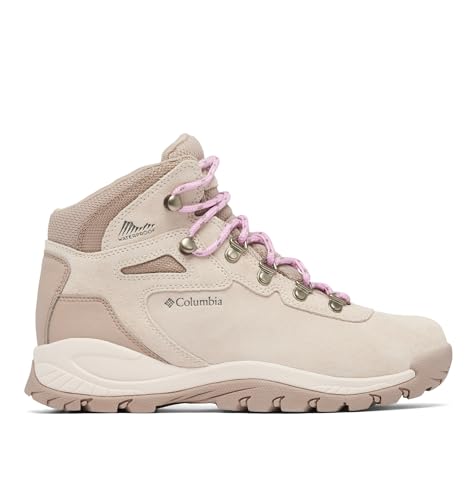
The Columbia Women's Newton Ridge Plus Waterproof Amped is a mid-cut hiking boot built for day hikers, outdoor travelers, and trail walkers seeking reliable weather protection and foot stability. Designed in a classic mountaineering style, this women's model in size 7.5 combines a seam-sealed waterproof barrier with a supportive leather and suede upper. It serves as a dependable footwear foundation for hikers navigating damp paths, dirt trails, and mixed terrain during three-season adventures.
Trail performance centers on the combination of Columbia's proprietary TECHLITE midsole and Omni-GRIP rubber outsole. The lightweight TECHLITE midsole delivers durable cushioning and responsive energy return, which helps buffer impacts when walking on firm or rocky ground. Beneath that, the non-marking Omni-GRIP rubber outsole provides multi-surface traction designed to handle changing conditions from spring mud to dry autumnal paths. The mid-cut height adds structural ankle coverage, making it practical for hikers carrying daypacks over uneven singletrack.
Construction quality is highlighted by purposeful reinforcements at high-stress areas. Columbia integrates reinforced toe and heel barriers, complemented by an extended outsole toe overwrap to protect against scuffs and impacts from trail debris. The upper blends durable suede and leather with sealed seams, forming an effective barrier against puddles and light rain while maintaining upper-foot structure. Metal hardware accents support secure lacing across the mid-cut collar to ensure steady foot placement.
Practical ownership involves straightforward care and trail preparation. Because the upper combines genuine leather and suede, clearing away dried mud with a soft brush and allowing the boots to air-dry at room temperature helps preserve material flexibility and finish. Users should adjust lace tension across the midfoot and ankle collar to achieve a secure fit before starting longer hikes, particularly when pairing the boots with cushioned hiking socks.
Buyers should consider a few practical boundaries inherent to waterproof leather footwear. While the seam-sealed construction keeps external moisture out, leather and suede mid-cut boots naturally offer less airflow than lightweight, open-mesh trail running shoes during hot midsummer hikes. Additionally, the manufacturer designates this model for versatile three-season use, meaning it is not insulated for severe winter conditions or alpine snow travel.
For hikers seeking a classic, durable mid-cut trail boot, the Columbia Women's Newton Ridge Plus Waterproof Amped offers solid practical value. Its balance of seam-sealed waterproofing, protective toe reinforcement, responsive midsole cushioning, and multi-terrain traction makes it a sensible choice for weekend day hikes, camping trips, and damp trail excursions.
The upper combines supportive leather and suede with a seam-sealed waterproof membrane designed to keep feet dry in damp outdoor settings. Heavy-wear areas benefit from reinforced toe and heel counters, along with an outsole toe wrap that resists trail scuffs.
Underneath, the non-marking Omni-GRIP rubber compound provides grip across dry soil, loose gravel, and damp rock surfaces. This makes the boot adaptable across three-season hiking environments without leaving marks on indoor surfaces.
This specific model is listed in women's U.S. size 7.5 in the Dark Stone and Cosmos color option. The mid-cut profile provides collar height around the ankle, which can be secured using the integrated lacing hardware for tailored stability.
Hikers planning on using medium to heavy cushioned hiking socks should verify their sizing preferences to ensure adequate toe room during descent on sloping trails.
Thermal Performance and Warmth in Hiking Footwear
Whether standard hiking boots provide sufficient warmth depends on trail temperatures, your physical activity level, and the specific materials forming the boot chassis. Most mainstream hiking boots are categorized as three-season footwear, designed to balance breathability, support, and water resistance across spring, summer, and fall. They do not typically contain dedicated synthetic insulation like Thinsulate or Primaloft, yet they insulate far better than low-profile running shoes. Examining the interplay between boot construction, environmental exposure, and moisture buildup reveals why warmth varies dramatically from one hike to another.
Three-Season Hiking Boots Versus Dedicated Winter Footwear
Standard hiking boots focus on shielding the foot against trail debris, stabilizing the ankle joint, and maintaining traction over rough ground. Because these boots must perform across broad temperature ranges, manufacturers intentionally avoid heavy synthetic insulation that would cause overheating during vigorous summer ascents. A traditional uninsulated boot relies primarily on the physical thickness of its leather or composite textile upper to slow down radiant heat loss. In moderate cool weather between forty and sixty degrees Fahrenheit, this structural barrier is usually sufficient to maintain a comfortable foot climate during active movement.
Dedicated winter boots differ fundamentally because they feature built-in thermal fills rated between two hundred and four hundred grams of synthetic insulation. These cold-weather specialists incorporate reflective thermal footbeds, specialized snow collars, and cold-resistant rubber outsoles to combat freezing conditions. While moving actively uphill in three-season boots generates substantial metabolic heat, standing still on frozen terrain allows ambient cold to penetrate uninsulated boot walls within minutes. If your itinerary involves continuous sub-freezing temperatures or deep snowpack, relying solely on uninsulated footwear creates an uncomfortable and potentially unsafe thermal deficit.
How Upper Materials Influence Thermal Heat Retention
The choice of material used across the upper plays a decisive role in how quickly heat escapes from the interior foot chamber. Boots constructed with full-grain leather, nubuck, or thick split-suede create a dense physical shield that blocks biting winds and insulates naturally against ambient chill. Leather possesses natural insulating properties due to its fibrous cellular structure, which retains warmth far better than porous mesh. A sturdy leather boot helps preserve foot warmth on brisk autumn trails simply by preventing cold air from penetrating the toe box.
Conversely, lightweight synthetic boots utilize open-weave nylon, polyester panels, and TPU reinforcements engineered primarily to maximize airflow and shed weight. While synthetic textiles allow internal vapor to vent quickly during high-output climbs, they offer minimal resistance against cold crosswinds. Hikers wearing thin synthetic boots in frosty environments often feel cold drafts cutting straight through the forefoot. If you frequently hike in temperatures below fifty degrees, opting for leather-reinforced uppers or dense synthetic weaves provides a noticeable thermal advantage over ultra-ventilated trail footwear.
The Thermal Impact of Waterproof Membranes and Seam Sealing
Waterproof linings, such as proprietary membranes or seam-sealed bootie constructions, dramatically alter the thermal behavior of a hiking boot. These microscopic barriers are engineered to prevent liquid water droplets from entering while theoretically allowing sweat vapor to pass outward. In practical trail use, any waterproof membrane introduces an additional layer of material that restricts passive airflow. This reduced breathability traps warm air close to the foot, making waterproof models feel noticeably warmer than non-waterproof boots under identical weather conditions.
In designs like the NORTIV 8 Men’s Ankle High Waterproof Hiking boot, the combination of an ankle-high collar and a waterproof barrier blocks chilly air from entering around the ankles. Seam-sealed construction further seals needle perforations along the upper, preventing icy winds from infiltrating structural flex zones. On damp mornings when dew-soaked grass or shallow puddles threaten to soak your footwear, a functioning membrane keeps external liquid from chilling your toes. Wet feet lose thermal energy up to twenty-five times faster than dry feet, making external waterproofing a critical component of warmth.
Outsole Thickness and Midsole Insulation Against Cold Ground
Many hikers overlook the ground beneath them when evaluating footwear warmth, focusing solely on the upper materials. In reality, a substantial amount of heat loss occurs via conductive transfer directly from the soles of your feet into frozen dirt, granite, or snow. A thick outsole and a dense midsole act as a thermal buffer, creating physical separation between your feet and the freezing trail bed. Footwear featuring low-profile, minimalist soles allows ground chill to conduct straight into the insole, leading to cold numbness within an hour of walking.
Midsoles made from compression-molded EVA or polyurethane contain micro-cellular air pockets that provide cushioning while serving as effective thermal barriers. EVA foam midsoles, such as those integrated into NORTIV 8 boots or Columbia TECHLITE platforms, attenuate repetitive impact while insulating the plantar surface of your foot. Polyurethane midsoles offer even greater density and long-term resistance to compression, maintaining their structural insulating thickness over hundreds of trail miles. When paired with multi-directional rubber outsoles featuring deep lugs, the boot physically elevates your foot several centimeters above cold, wet trail surfaces.
The Sweat Trap: Why Moisture Accumulation Leads to Freezing Toes
The most frequent cause of cold feet on brisk hikes is not external weather penetration, but internal moisture buildup caused by excessive perspiration. Human feet contain roughly two hundred and fifty thousand sweat glands, capable of releasing substantial moisture during sustained cardiovascular exertion. When hiking vigorously with a loaded backpack, your feet generate significant heat and sweat inside the sealed environment of a hiking boot. If that sweat cannot escape, it collects against your skin and soaks through the fibers of your socks.
The danger becomes apparent when you pause at a mountain pass, take a rest break, or transition to a breezy ridge. As soon as physical activity ceases, metabolic heat output drops dramatically, and the accumulated sweat inside the boot begins to evaporate. Evaporation is an active cooling process that rapidly strips latent heat from your toes and heel pads. Preventing this thermal crash requires wearing technical lower-body layers such as durable trail pants with adjustable ventilation, which helps regulate core body temperature and minimizes excessive perspiration cascading down to your footwear.
The Critical Role of Merino Wool Boot Socks in Regulating Temperature
Footwear provides the protective outer shell, but the sock system functions as the primary climate control engine for your feet. Cotton socks must never be worn on cold-weather hikes because cotton fibers absorb moisture, collapse flat, and lose all insulating properties when wet. In contrast, natural merino wool fibers possess a crimped structure that traps insulating air pockets even under significant compressive force. Merino wool can absorb up to thirty percent of its own weight in moisture without feeling wet or cold against the skin.
Products like MOGGEI Womens Merino Wool Socks for Hiking Winter utilize dense terry-loop cushioning on the sole and heel to amplify thermal retention. This cushioned pile creates dead-air space between the skin and the interior boot lining, buffering against external drafts and dampness. High-density designs such as MQELONG Merino Wool Socks for Women Hiking Thermal feature a seventy percent merino wool content, ensuring that moisture is actively wicked away from the skin toward the outer boot lining. Blends incorporating synthetic polyester and spandex maintain elastic shape retention, preventing sock slippage and bunching inside high-friction hiking boots.
Fit Volume and Circulatory Restrictions in Cold Weather
A boot that fits snugly in the summer showroom can become an agonizing source of cold feet when worn on winter trails. Many outdoor enthusiasts make the error of layering thick thermal socks inside boots that were sized specifically for lightweight summer footwear. Squeezing thick socks into a low-volume toe box compresses the wool fibers, flattening the tiny air pockets that create insulation. Without trapped air, the thermal efficiency of the sock drops precipitously, allowing conductive cooling to bypass the sock barrier.
Even more critically, a cramped fit constricts peripheral blood circulation across the metatarsals and toes. Warm blood pumped from your heart is the body’s natural heating element, and restricted blood flow guarantees that your extremities will turn cold regardless of how thick your boots are. When trying on hiking boots intended for cool-weather adventures, always test the fit while wearing the exact heavyweight socks you plan to use on the trail. Maintaining a finger-width gap behind your heel when your toes touch the front unlaced ensures adequate internal volume for both thick wool socks and healthy vascular circulation.
Lacing Adjustments to Preserve Microvascular Blood Flow
Lacing technique directly influences blood perfusion and internal warmth by dictating where pressure is distributed across the top of your foot. Over-tightening the lower eyelets across the dorsal instep compresses vital superficial blood vessels and nerves traveling toward your toes. When these blood pathways are constricted, your toes receive inadequate warm blood flow, resulting in rapid cooling and tingling sensations. Hikers frequently misinterpret cold toes as a sign that their boots are defective, when overtightened laces are the actual culprit.
Utilizing pressure-relief lacing methods, such as window lacing or surgeon’s knots, allows you to secure the heel without squeezing the instep. A surgeon’s knot involves twisting the laces twice before routing them through the ankle hooks, locking tension in the lower boot while allowing a looser tension across the forefoot. Window lacing skips cross-over points directly over sensitive bone spurs or high insteps, completely alleviating localized compression. By keeping the forefoot lacing relaxed, you ensure unhindered vascular circulation while retaining secure heel hold to prevent friction blisters.
Practical Trail Strategies and Post-Hike Footwear Care
Maintaining warm feet in cold conditions requires proactive habits that extend beyond simply choosing the right pair of boots. Before stepping onto the trail, avoid storing your boots in an unheated vehicle trunk or cold garage overnight. Putting your feet into frozen, stiff boots forces your body to expend valuable energy warming the cold chassis before your hike even begins. Storing footwear inside your home or near a gentle indoor heat source ensures you start your trek with warm, flexible materials.
On the trail, avoid extended stationary breaks directly on snow, ice, or frozen stone slabs. If you need to stop for food or route planning, stand on a dry log, a patch of fallen leaves, or a foam sit-pad to break conductive cooling from the frozen ground. After completing your hike, remove damp boots promptly and allow them to air-dry naturally at room temperature away from high heat. Placing wet boots directly next to roaring campfires or forced-air radiators can crack natural leather, delaminate outsole adhesives, and degrade waterproof membranes, destroying their long-term weather resistance.
Final Selection Principles for Cool-Weather Trail Comfort
Deciding whether standard hiking boots provide sufficient warmth comes down to assessing your environment, expected temperatures, and movement pace. For moderate cool-weather hikes above freezing, a supportive, waterproof leather boot paired with dense merino wool socks offers outstanding protection and comfort. Models like the Columbia Womens Newton Ridge Plus Waterproof, built with durable leather and seam-sealed waterproofing, successfully shield feet from wind, wet brush, and ground chill. When matched with proper volume allowances and intelligent lacing, three-season footwear handles crisp mountain days with ease.
However, when trails transition into deep winter conditions with sub-freezing temperatures and extended snowpack, dedicated insulated boots become necessary safety gear. Standard three-season boots cannot match the thick insulation and specialized cold-weather barriers designed for extreme alpine freezing. Evaluating trail difficulty, packing spare moisture-wicking socks, and listening to warning signs like numbness ensure your outdoor adventures remain safe and enjoyable. With mindful gear pairing and vigilant moisture management, you can keep your feet comfortably warm across crisp autumn trails and chilly mountain summits.



Write Your Review
No reviews yet. Be the first to share your experience!