


Struggling to find hiking boots that do not pinch your toes or compress your metatarsals is a common frustration on long-distance treks. Many female hikers find that standard women’s outdoor footwear runs too narrow across the ball of the foot, leading to painful numbness and friction hot spots. If you have spent miles battling restrictive footwear, you might wonder: can a woman wear mens hiking boots without compromising trail stability? The short answer is yes, but successfully making the switch requires understanding fundamental differences in last geometry, overall internal volume, and heel pocket dimensions.
Men’s hiking footwear is built on a broader platform that offers immediate relief for hikers with wide forefeet, persistent bunions, or high insteps. However, simply dropping down a size and a half does not automatically guarantee a secure fit on rugged backcountry trails. Pairing the right footwear with suitable gear, such as tendon knee hiking pants for joint stability on steep descents, helps protect your lower body during high-mileage outings. Evaluating your unique foot shape against manufacturer specifications will determine whether men’s trail boots will provide comfort or create unwanted heel slip.


Anatomical Differences and Practical Sizing for Women Wearing Men’s Hiking Boots
Switching between footwear gender categories is one of the most effective strategies for finding adequate toe room on the trail. While standard footwear marketing suggests rigid gender divisions, hiking boot lasts primarily reflect variations in volume, width, and heel-to-forefoot ratios. A woman can comfortably wear men’s hiking footwear provided the boot securely holds her heel and instep in place. Understanding the underlying mechanics of shoe construction allows you to identify whether a men’s model solves your fit challenges or introduces unwanted trail friction.
The Core Biomechanical Differences Between Men’s and Women’s Boots
Footwear manufacturers do not simply scale up a single mold to create boots for different genders. Women generally possess a higher Q-angle, which is the anatomical angle between the pelvis and the kneecap that influences how the foot strikes the ground. To accommodate typical female biomechanics, women’s boots usually feature a narrower heel cup relative to the forefoot, creating a distinct triangular footprint. In contrast, men’s boots are built on a straighter, broader last with a more rectangular heel-to-toe profile.
Midsole density and arch placement also differ across traditional manufacturing lines. Women’s models frequently incorporate softer polyurethane or compression-molded EVA foam to provide responsive cushioning under lighter average body weights. Men’s hiking boots often feature firmer midsoles and stiffer thermoplastic polyurethane shanks to support heavier loads across rocky terrain. If you choose a men’s model, you gain substantial torsional rigidity, but the underfoot platform may feel significantly stiffer during initial break-in periods.
The Standard Size Conversion Formula and Footbed Measurement
The standard rule of thumb for converting US women’s shoe sizes to US men’s sizes is to subtract 1.5 sizes. For instance, a woman who wears a standard US size 8.5 in trail runners will typically look for a US men’s size 7.0. However, this numerical guideline only addresses linear foot length and completely overlooks internal volume. Because men’s boots run wider throughout the entire chassis, a simple 1.5 size drop might still leave you with too much space above the midfoot.
A reliable method to verify sizing is to pull out the removable factory insole and stand directly on it with your hiking socks on. You should observe roughly a thumb’s width of space between your longest toe and the front edge of the footbed. Your heel should sit flush within the rear perimeter of the insole without spilling over the sides. If your foot slides laterally across the footbed during this check, the interior volume of the men’s boot is likely too generous for your arch and instep.
Width Classifications: Standard B-Width Versus D-Width Profiles
The most significant advantage of men’s trail footwear is the built-in increase in width. Standard women’s footwear is constructed on a B-width last, whereas standard men’s footwear is built on a D-width platform. Moving from a women’s B-width to a men’s D-width grants your metatarsal heads extra room to splay naturally during ascents. Hikers with wide feet, tailored orthotics, or painful bunions often find that a men’s regular width eliminates the side pinch common in women’s wide models.
This extra width extends through the waist of the boot, which encompasses the arch and the dorsal instep. For women with high arches or thick midfeet, this extra volume prevents the lacing eyelets from digging into delicate nerve clusters on top of the foot. Conversely, women with low-volume or flat feet might find that a D-width last puckers and creases excessively when the laces are pulled tight. Excess creasing across the vamp can create localized pressure points that cause painful friction over several trail miles.
Addressing the Calcaneus: Managing Heel Slippage in Wider Heel Cups
The primary fit issue a woman encounters when wearing men’s hiking boots is excess heel slippage. Female heel bones, or calcanei, are statistically narrower than male heels even when forefoot widths match. Because men’s boots feature broader heel counters, a female heel may lift several millimeters off the footbed with every forward stride. Repeated vertical movement creates intense friction against the rear lining, inevitably generating hot spots and deep heel blisters within a few miles.
Heel slippage also diminishes your stability on off-camber terrain and steep descents. When your rearfoot is not firmly locked into the heel cup, your ankle must work harder to stabilize each landing, leading to premature calf fatigue. Carrying heavy backpacking loads worsens this effect because added pack weight increases the shear forces acting on your heel tissue. If you carry heavy gear in an iron frame hiking backpack, a locked-in heel is critical for maintaining balance over rocky trails.
Trail Situations Where Men’s Boots Are Highly Beneficial for Women
There are several clear scenarios where choosing men’s footwear is the smartest decision for a female hiker. Women who regularly develop blisters along the lateral edges of their fifth metatarsal will appreciate the straighter cut of a men’s toe box. Hikers coping with bunions often discover that women’s wide boots are still shaped too aggressively inward, whereas men’s boots provide direct lateral relief. The broader platform allows natural toe splay, which improves overall balance and foot propulsion over long trail days.
Cold-weather hiking is another condition where men’s boots offer distinct practical advantages. Sub-freezing treks demand heavy thermal footwear, and cramming thick wool socks into narrow women’s boots can constrict capillary blood flow and cause cold toes. A men’s boot provides the generous internal volume required to accommodate heavy insulating socks without pinching the toes. Options like the Hanani winter barefoot boots feature wide toe boxes and faux plush linings that leverage roomy designs for enhanced warmth in snowy conditions.
When Women Should Avoid Wearing Men’s Trail Footwear
Despite the clear advantages for wide feet, men’s boots are not suitable for every female hiker. If you have narrow heels, low insteps, or slender ankles, a men’s boot will likely feel sloppy and unstable. Excess interior space allows your foot to slide forward on steep downward grades, causing your toes to repeatedly strike the front of the toe bumper. This downhill toe collision is the leading cause of subungual hematomas, commonly known as blackened toenails, on the trail.
Technical mountain trails with loose talus and scrambles also demand precise lateral containment. In loose scree, any lateral shifting inside the footwear reduces your control and increases the risk of rolling an ankle. Women who pair flexible trail footwear with lightweight hiking pants for agility may find that bulky men’s boots feel clunky and sap their natural stride cadence. If your foot swims inside the midfoot cradle, staying with a dedicated women’s model is much safer.
Lacing Adjustments to Secure Excess Interior Volume
If a men’s boot fits your forefoot well but leaves slight play in the rear, specialized lacing techniques can resolve the gap. The surgeon’s knot is an essential adjustment that locks your heel into the rear counter without over-tightening the rest of the boot. To tie it, cross your laces twice and pull them snug directly over the instep flex point before routing them through the upper speed hooks. This friction-based knot isolates tension, keeping your heel firmly seated while leaving the forefoot laces relaxed.
Another effective method is window lacing, which relieves downward pressure across the top of your foot. If a men’s boot exerts pressure on a sensitive arch, unlace the eyelets directly over the problem area and route the laces vertically up the sides. After bypassing the tender spot, cross the laces normally to resume standard tensioning around the ankle collar. Combining window lacing across the midfoot with a firm heel-lock loop at the collar optimizes volume distribution for a female foot inside a men’s chassis.
Insole and Sock Strategies to Customize Internal Volume
Stock insoles in most hiking boots are relatively flat foam inserts that offer limited volumetric support. Replacing the factory footbed with an aftermarket structured orthotic can dramatically improve the fit of a men’s boot for a female foot. A rigid or semi-rigid arch support fills dead space beneath the arch, preventing the foot from spreading flat and sliding forward. Deep heel cups on structured insoles also cradle a narrower female heel, effectively narrowing the wider men’s heel counter.
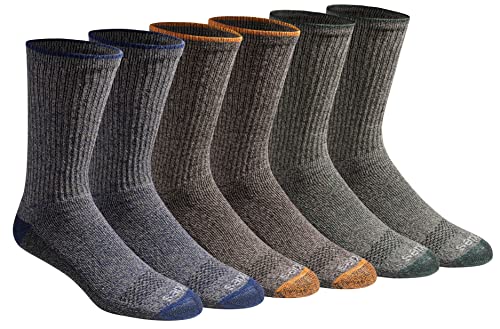
Selecting appropriate technical socks provides an additional layer of micro-adjustment. Premium merino wool socks, such as the Alvada Merino Wool Hiking Socks, feature dense footbed cushioning that takes up vertical volume inside roomier boots. The natural resilience of merino wool fibers absorbs friction and wicks away internal sweat, minimizing the heat build-up that leads to skin breakdown. Strategic sock layering, such as wearing a slick synthetic liner sock under a cushioned wool outer sock, shifts trail friction away from your skin.
Design Nuances Across Popular Trail Footwear Brands
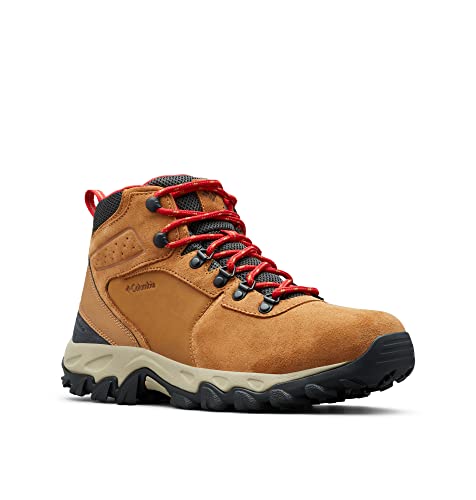
Comparing specific product designs reveals how brands approach gender differences in their boot architectures. The Columbia Womens Newton Ridge Plus Waterproof boot features a contoured mid-cut collar tailored to narrower ankles, combined with a lightweight Techlite midsole for energetic cushioning. In contrast, the Columbia Men’s Crestwood shoe provides a broader forefoot platform and a rugged Omni-Grip rubber outsole engineered for wider steps. Hikers who find the Newton Ridge pinching their outer toes often achieve greater comfort in the roomier Crestwood frame.
Similarly, brands like NORTIV 8 produce distinct configurations across their lineup. The NORTIV 8 Men’s Ankle High Waterproof Hiking boot incorporates shock-absorbent EVA midsoles with a generous toe perimeter suited for demanding work and backpacking. Meanwhile, the NORTIV 8 Women’s Lightweight Ankle Hiking boot utilizes softer genuine suede and a trimmer ankle wrap for lower-volume feet. Exploring unisex options like the Explorer Chukka boots or FULORIS casual outdoor boots offers another alternative, as unisex lasts typically bridge the gap between narrow women’s and wide men’s molds.
Pre-Trail Verification: Ramp and Incline Fit Testing
Before embarking on a multiday trail excursion in men’s boots, you must thoroughly evaluate their fit inside your home. Put on the boots with your preferred hiking socks and insoles during the late afternoon when your feet have naturally swollen from daily activity. Stand on a downward-sloping board or household staircase and tap the toes of the boots firmly against the ground. Your toes should never contact the rigid front bumper; if you feel toe collision, you need additional heel lockdown or a different size.
Next, walk up an incline to evaluate calcaneus retention and collar comfort. As you flex forward on the balls of your feet, pay close attention to whether your heels lift out of the footbeds. A slight shift of one or two millimeters is normal, but excessive lift indicates that the men’s heel cup is too broad for your anatomy. Taking the time to test your footwear on varied angles ensures that your gear provides reliable support across rocky mountain trails.
Practical Selection Guidelines for Female Hikers
Making a successful transition to men’s hiking footwear ultimately comes down to prioritizing your foot shape over footwear labeling. If your measurements point to a wider ball of the foot and a high instep, shopping the men’s aisle opens up durable, stable models that prevent painful metatarsal compression. Always take time to adjust lacing tension, experiment with supportive insoles, and match your footwear to the difficulty of your expected terrain. With the right sizing conversion and thoughtful volume management, men’s hiking boots can provide the dependable comfort and protection you need for miles of rugged trail exploration.



Write Your Review
No reviews yet. Be the first to share your experience!