


Tackling long neighborhood loops or gravel paths often leaves pedestrians wondering whether standard athletic sneakers provide enough support. Many people ask whether are hiking boots good for walking on everyday surfaces, or if heavy trail footwear simply causes unnecessary lower-leg fatigue. While traditional leather boots were engineered strictly for rugged mountain ascents, modern lightweight designs blend athletic flexibility with durable weather protection. Pairing reliable footwear with comfortable gear like supportive trail pants can transform an ordinary afternoon fitness trek into a stable, pain-free outdoor workout.
The answer depends heavily on the surface beneath your feet, your walking distance, and the specific architecture of the footwear. Pavement, concrete, and crushed gravel produce distinct impact forces compared to soft forest loam, which influences how cushioning foams and rubber lugs interact with your stride. Understanding how midsole cushioning, ankle collar height, and outsole lug patterns function will help you decide whether trail footwear makes sense for your daily walking routine.

Pros
- Sealed waterproof membrane delivers dependable moisture protection for damp and muddy trail conditions
- Deep-lug rubber outsole provides reliable traction on slippery dirt, gravel, and wet rocks
- Lightweight construction and cushioned EVA midsole help keep foot fatigue manageable over extended mileage
- Structured mid-cut ankle collar provides beneficial stability when carrying a loaded daypack or hiking pack
Cons
- Sealed waterproof liners naturally reduce airflow and breathability during strenuous hikes in hot weather
- Mid-cut collar offers moderate ankle support but lacks the rigid bracing required for technical, off-trail alpine terrain
- Sizing fit can vary depending on foot width and the thickness of hiking socks worn
The ANJOUFEMME Women's Waterproof Hiking Boots are designed as lightweight, mid-cut trail shoes tailored for day hikers, weekend backpackers, and outdoor enthusiasts navigating mixed terrain. Built specifically with a mid-cut collar and structured heel counter, this footwear focuses on delivering essential ankle support, which is especially useful when carrying a loaded pack across uneven forest paths, gravel tracks, or rocky sections.
Trail traction and foot protection depend heavily on the outsole and inner lining. The boots feature an advanced rubber outsole molded with deep, aggressive lugs designed to bite into slippery mud, loose scree, and wet river stones. Backing up the exterior grip is an integrated waterproof membrane engineered to seal out rain, slush, and morning dew, keeping feet dry and comfortable during wet-weather outings or damp camping trips.
Durability and underfoot support are bolstered by abrasion-resistant upper materials and reinforced stitching along high-wear seams. Inside, a cushioned EVA midsole absorbs impact from repetitive heel strikes, providing noticeable shock attenuation that helps keep foot and leg fatigue in check. The overall construction stays relatively lightweight, preventing the sluggish, heavy-footed sensation often associated with traditional leather backpacking footwear.
For trail preparation, the traditional lace-up system works alongside the padded collar and tongue to allow quick tension adjustments. Hikers can easily customize the fit around the instep and ankle depending on sock thickness and personal stability preferences. Maintenance is straightforward, requiring gentle brushing of dried mud from the tread and upper, followed by natural air drying away from direct heat sources to preserve the waterproof membrane.
Like most waterproof outdoor footwear, these boots present a few practical tradeoffs. The sealed waterproof lining that effectively locks out water also limits heat dissipation, which can cause feet to feel warm during midsummer treks in dry climates. Additionally, while the mid-cut height aids everyday trail balance, it does not provide the rigid, heavy-duty ankle bracing needed for extreme off-trail scrambling or heavily loaded multi-week expeditions.
Overall, the ANJOUFEMME Women's Hiking Boots offer dependable performance for hikers seeking an affordable, waterproof shoe ready for day hikes, campground approaches, and light backpacking trips. For anyone needing non-slip traction, lightweight cushioning, and reliable puddle protection on standard trails, this pair serves as a capable and practical trail companion.
Traction on varied ground is powered by an advanced rubber outsole featuring deep, multidirectional lugs. This tread profile is built to shed loose mud and grip firmly into gravel, damp soil, and wet rock surfaces, reducing the likelihood of slipping during descents or climbs.
Stability is enhanced by the structured heel counter and mid-cut ankle collar. When carrying a hiking daypack or backpacking load, this elevated support works to help stabilize the joint and guard against accidental twists on rocky or root-filled trails.
Moisture protection is achieved through an internal waterproof membrane that forms a barrier against external rain, slush, and puddles while keeping feet dry throughout wet trekking conditions.
The exterior features abrasion-resistant materials reinforced with heavy-duty stitching at key flex zones. Coupled with a shock-absorbing EVA midsole, the materials provide an effective balance of trail toughness and lightweight walking comfort.

Pros
- Lightweight design at 12.3 oz per shoe reduces leg strain during long walking days.
- Cushioned EVA insole and breathable mesh panels provide dependable out-of-the-box comfort.
- Rugged rubber outsole delivers slip-resistant traction across dirt, rocks, and packed paths.
- TPU reinforcement patches and Oxford fabric withstand abrasive brush and rough terrain.
Cons
- Water resistance is rated for four hours of static exposure rather than a fully submerged waterproof membrane.
- Flexible lightweight construction lacks the rigid shank support needed for heavy multi-day backpacking or alpine mountaineering.
- Fit depends on individual foot shape and hiking sock thickness.
The NORTIV 8 Women's Lightweight Ankle Hiking Boots in Khaki (Size 8) are designed for women seeking comfortable, agile footwear for day hikes, recreational trail walks, and outdoor travel. For hikers carrying lighter daypacks or managing active outdoor itineraries, heavy, rigid leather boots can quickly lead to foot fatigue. These boots address that need by offering ankle-height coverage paired with a low weight of just 12.3 oz per shoe, making them an approachable choice for beginners, weekend walkers, and budget-conscious day hikers.
On the trail, walking comfort relies heavily on the underfoot foundation and total carried weight. With each shoe weighing 12.3 oz, the NORTIV 8 boots minimize swing weight with every stride, which pairs well with fast-paced trail walking and light day hiking. The interior incorporates responsive EVA insoles that cushion repetitive steps against hard-packed dirt and uneven ground. Mesh paneling across the upper promotes steady air ventilation, helping manage interior heat buildup during warmer outings.
Durability and stability are addressed through a combination of rugged Oxford fabric and TPU reinforcements strategically placed across high-wear contact zones. These synthetic reinforcements resist abrasion and tearing from trailside brush, rocks, and trail debris. Underneath, a slip-resistant rubber outsole delivers dependable surface grip across loose gravel, damp soil, and mild inclines. Additionally, the integrated tongue construction is designed to block loose pebbles and dirt from sneaking inside the boot collar.
For outdoor moisture management, these boots provide up to four hours of static water resistance, helping shield your feet from dew-covered trail grass, light puddle splashes, and surface dampness. Cleaning and care are straightforward thanks to the synthetic Oxford exterior and rubber soles, which can be wiped down with a damp cloth and mild soap after muddy outings. Allowing them to air-dry naturally away from direct heat sources helps preserve the elasticity of the TPU patches and the cushioning of the EVA insoles.
While these boots offer solid trail value and agility, they have clear practical boundaries. The four-hour static water resistance is not equivalent to a fully sealed waterproof membrane, meaning prolonged exposure to heavy downpours or submerged creek crossings may result in moisture penetration. Furthermore, the lightweight, flexible construction does not offer the torsional rigidity or stiff shank required for carrying heavy multi-day expedition packs over rugged alpine terrain.
For hikers, travelers, and outdoor enthusiasts seeking an affordable, agile boot for well-maintained trails, local parks, and weekend adventures, the NORTIV 8 Women's Lightweight Ankle Hiking Boots offer an appealing combination of traction, cushioning, and reduced weight. They are best suited for day hikers who prioritize walking ease and breathability over rigid alpine mountaineering protection.
The upper of the NORTIV 8 hiking boot is constructed from durable Oxford fabric that provides substantial resistance to abrasion and tearing along unpaved paths. High-contact wear areas are shielded with thermoplastic polyurethane (TPU) patches, which help protect the fabric from scrapes caused by trailside rocks, branches, and rough terrain.
Underfoot, the boot utilizes an EVA insole paired with a sturdy rubber outsole. The rubber compound is molded to resist slipping and deliver lasting tread stability across everyday dirt, gravel, and packed trails, maintaining structural reliability without adding unnecessary bulk.
The boot features a static water-resistant capability rated for up to four hours, making it effective against damp ground, morning dew, and shallow trail puddles. A specialized tongue design prevents loose dirt, small stones, and splashing debris from slipping into the footwear during movement.
Traction is managed by an aggressive rubber outsole designed to grip varying surfaces securely. While capable in damp conditions and light trail moisture, this design is intended for surface-level splash resistance rather than complete submersion in stream crossings or deep mud.
The Mechanics of Using Hiking Boots for Everyday Walking and Fitness
Hiking boots can serve as dependable walking footwear, but their performance depends directly on whether you walk on natural dirt or unyielding pavement. Walkers who tackle mixed surfaces, muddy paths, or uneven gravel find that the structural support and weather resistance of boots offer clear advantages over soft gym sneakers. When you step onto hard asphalt, however, the stiff soles and aggressive lugs of traditional trail footwear can feel clunky and cause unexpected muscle fatigue. Understanding the biomechanical trade-offs between trail protection and road flexibility will help you choose the right footwear for your routine.
Outdoor footwear manufacturers build hiking boots to withstand abrasive rocks, wet scree, and off-camber hillside steps. These demanding trail conditions require durable uppers, reinforced rubber bumpers, and torsionally rigid chassis foundations. Applying those exact engineering features to flat neighborhood sidewalks alters how your body absorbs repetitive impact shocks. By examining how specific boot components interact with various walking surfaces, you can decide whether your daily walks benefit from trail boots or standard walking shoes.
The Direct Answer: Pavement Versus Natural Trail Surfaces
Natural ground surfaces like forest soil, pine needles, packed dirt, and crushed limestone compress beneath your feet during every stride. In these off-road environments, are hiking boots good for walking? They perform exceptionally well because their rigid platforms shield your feet from sharp stones, protruding tree roots, and hidden trail obstacles. The firm sole prevents underfoot bruising that frequently plagues walkers wearing flexible running shoes over rocky terrain.
Paved roads, concrete sidewalks, and asphalt paths do not compress under foot strike, creating an entirely different biomechanical environment. Concrete transfers ground reaction forces directly back into your heels, ankles, and knees without any natural cushioning deflection. When you walk on unyielding pavement in a stiff boot, your foot cannot roll smoothly from heel strike to toe-off. This rigid restriction places unnatural strain on the shin muscles and Achilles tendon, frequently leading to localized aches after long fitness walks.
Walkers who split their time between town sidewalks and nature preserves should carefully weigh the terrain balance of their typical route. If at least half of your walking journey takes place on dirt trails, gravel paths, or park turf, hiking boots offer valuable defense. If your daily walking loop is composed entirely of suburban concrete, the protective benefits of a rugged boot are outweighed by the loss of natural foot flexibility. Choosing footwear aligned with your dominant walking surface prevents unnecessary discomfort.
Underfoot Cushioning and Midsole Impact on Hard Ground
Cushioning materials positioned inside the midsole dictate how well footwear absorbs repetitive ground impacts. Modern lightweight trail designs frequently rely on compression-molded EVA midsoles to disperse ground contact shock. Footwear models such as the ANJOUFEMME Women’s Waterproof Hiking Boots utilize cushioned EVA midsoles to reduce walking fatigue across varied terrain. The NORTIV 8 Women’s Lightweight Ankle Hiking boots similarly incorporate responsive EVA insoles to deliver immediate step-in comfort on firm gravel paths.
Traditional heavy-duty backpacking boots rely on dense poured polyurethane rather than springy EVA foam. Polyurethane is engineered to resist compression over thousands of miles under heavy multi-day packs, making it exceptionally durable in alpine environments. On hard flat sidewalks, however, polyurethane feels remarkably stiff and lacks the initial dampening required for pleasant fitness walking. Unless you are carrying substantial pack weight during your strolls, flexible EVA cushioning provides a far more forgiving platform for your daily steps.
Replacing thin factory footbeds with supportive aftermarket orthotics can further improve underfoot comfort on hard walking surfaces. Factory insoles provide baseline cushioning, but they rarely offer the targeted longitudinal arch support needed to prevent plantar fascia strain. Walkers with flexible arches or recurring heel pain often experience dramatic relief by inserting structured insoles with deep heel cups. A well-contoured footbed evenly distributes your body weight across the entire plantar surface, reducing hot spots during extended road walks.
Outsole Traction and the Problem of Lug Wear on Asphalt
Outsole design represents one of the clearest functional differences between everyday walking sneakers and outdoor boots. Hiking boots utilize specialized rubber compounds sculpted into deep, aggressive lugs that bite into loose dirt, muddy banks, and slippery scree. The ANJOUFEMME boots feature an advanced rubber outsole with aggressive lugs engineered to provide dependable traction on wet rocks and muddy trails. When navigating wet grass, soggy park lawns, or loose gravel paths, these deep tread blocks deliver reliable stability.
Transitioning those aggressive lugs onto dry asphalt or smooth concrete introduces surprising traction drawbacks. Deep rubber lugs cannot penetrate flat pavement, meaning your entire body weight rests on the small tips of the rubber lugs rather than a broad, flat sole. This reduced surface contact patch can actually decrease slip resistance on smooth, wet pavement or painted crosswalks. Furthermore, coarse concrete acts as an aggressive grinding surface that rapidly wears down soft trail rubber, shortening the functional life of your boots.
Footwear Weight and the Biomechanics of Leg Fatigue
Footwear mass exerts an outsized effect on your energy expenditure and walking endurance over distance. Exercise physiologists and mountaineers frequently reference the biomechanical finding that one pound on your feet demands as much energy as five pounds carried in a backpack. Traditional full-grain leather hiking boots can easily weigh three pounds or more per pair, placing continuous mechanical strain on your hip flexors and calves. Over a brisk four-mile neighborhood walk, lifting that extra weight thousands of times produces noticeable leg heaviness.
Contemporary lightweight boot designs solve this endurance challenge by substituting heavy leather with advanced synthetic textiles. The NORTIV 8 ankle boots weigh only 12.3 ounces per shoe, making them nearly as light as standard athletic training shoes. This featherweight build enables walkers to maintain a brisk walking cadence without fighting the inertia of heavy materials. Pairing lightweight synthetic boots with lightweight trail pants keeps your stride agile, unrestricted, and comfortable during faster fitness sessions.
Ankle Collar Support: Myth Versus Biomechanical Reality
Many pedestrians choose hiking boots because they believe a higher ankle shaft physically prevents ankle sprains. While a structured mid-cut collar offers reassuring tactile support, collar fabric alone cannot mechanically halt an aggressive ankle inversion roll. True stability originates from a firm heel counter, a torsionally rigid sole chassis, and a wide outsole footprint that resists lateral rollover. A soft mid-cut boot with a flexible heel cup provides little more mechanical roll protection than a low-cut walking shoe.
Mid-cut ankle collars do provide distinct physical advantages when walking across irregular off-trail terrain. The padded collar on the ANJOUFEMME boots wraps the lower ankle, protecting sensitive bones from sharp trail debris, low branches, and flying gravel. This supportive collar design helps reduce stabilizing muscle fatigue when walking across tilted dirt embankments or uneven cobblestones. On flat sidewalks, however, an overly rigid collar can rub against your lower shins, making flexible low-cut shoes a more natural choice for paved routes.
Waterproof Membranes and Thermal Comfort During Daily Walks
Wet weather protection is a compelling reason many fitness walkers choose hiking boots over standard athletic sneakers. Walking through dewy morning fields or slushy winter sidewalks quickly leaves ordinary mesh shoes completely soaked through. Boots equipped with a sealed waterproof membrane, such as the ANJOUFEMME model, lock out rain, mud, and slush to keep your feet dry throughout wet outings. This reliable barrier lets you maintain an active outdoor walking schedule regardless of rainy weather or damp grass.
Waterproof barriers create an inevitable trade-off regarding internal thermal comfort and foot breathability. Even advanced microporous membranes restrict outward airflow compared to unlined synthetic mesh, trapping heat and natural foot sweat inside the boot lining. On warm summer walks, internal sweat condensation can soak your socks from the inside out, softening your skin and increasing blister risks. The NORTIV 8 boots address this balance by incorporating Oxford fabric and ventilated mesh panels that promote active airflow, keeping your feet cool during dry-weather strolls.
Fit Mechanics, Toe Clearance, and Preventing Blisters on Flat Ground
Proper sizing is essential when using hiking boots for walking because repetitive strides magnify minor fit discrepancies. Your feet naturally swell and expand in volume as blood flow increases during an extended fitness walk. When trying on walking footwear, always leave roughly a finger width of space between your longest toe and the front of the toe box. This forward clearance prevents your toes from colliding with the rigid front bumper during downhill road descents, protecting your toenails from bruising.
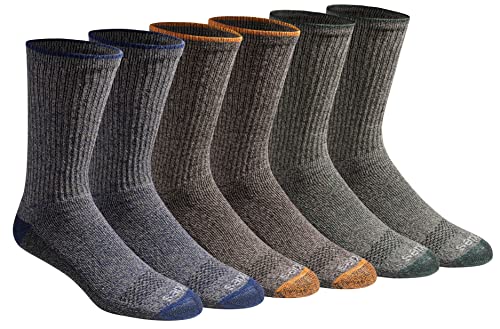
Moisture management and smart sock selection are equally crucial for preventing friction blisters on long walks. Never wear cotton socks for fitness walking, as cotton fibers trap sweat against the skin and drastically increase surface friction. Choose moisture-wicking merino wool or technical synthetic socks that transport sweat away from high-friction contact points. If you plan a longer weekend trek on mixed trails, packing spare socks in a daypack cooler for trail snacks ensures you can swap into fresh gear whenever needed.
Lacing Adjustments and Foot Lockdown for Walking Comfort
Fine-tuning your lacing technique can resolve common fit problems without requiring you to switch footwear. If you experience heel slippage during your walks, tying a surgeon’s knot over the instep locks the midfoot firmly in place. This knot involves adding an extra twist to the laces directly below the ankle hooks to create friction that prevents lace slippage. Locking this lower zone keeps your heel securely seated in the rear cup, eliminating the friction that causes heel blisters.
Walkers with high insteps or sensitive extensor tendons often experience uncomfortable pressure across the top of their feet on flat ground. You can relieve this localized irritation by utilizing window lacing, which routes the laces vertically past the tender spot instead of crossing over it. This open window relieves direct downward pressure while maintaining firm lacing tension through the ankle collar. Rechecking your lace tension ten minutes into your walk ensures consistent heel lockdown as your footwear warms up.
Comparing Footwear Alternatives and Lifespan Verification
Deciding between hiking boots, walking shoes, and trail runners depends on where your daily routes lead. Dedicated walking shoes provide flexible soles and beveled heels optimized for linear strides on pavement, but they fail quickly in wet mud or sharp gravel. Trail running shoes offer a lightweight compromise with grippy outsoles, yet their softer midsoles wear down rapidly on abrasive asphalt. Hiking boots remain the premier choice when you require water resistance, durable upper protection, and multi-surface stability.
Tracking midsole compression and outsole wear ensures your boots continue protecting your joints as mileage accumulates. Most EVA midsoles begin to lose their cushioning rebound after three hundred to five hundred miles of regular walking. Inspect the sidewalls for deep horizontal wrinkles, which signal that the foam has packed out and no longer absorbs ground shock effectively. Cleaning dried mud with lukewarm water and allowing your boots to air dry naturally away from heat sources preserves their materials for many comfortable miles.



Write Your Review
No reviews yet. Be the first to share your experience!