


Scrambling up technical granite pitches or wading across swift backcountry streams often forces hikers to stow their walking sticks quickly. Learning how to attach trekking pole to backpack hardware securely keeps your hands completely free while preventing expensive carbon fiber or 7075 aluminum shafts from clattering against rocks. Without a stable attachment method, loose poles sway with every step, throw off your natural center of gravity, and risk puncturing delicate tent fabrics. Securing them firmly against your pack body ensures balanced weight distribution so you can tackle challenging trail sections without distraction.
Modern trail packs offer multiple lash points, ranging from traditional base tool loops to side compression webbing and aftermarket bungee attachments. Hikers using structured internal frame backpacks often rely on side sleeves or dedicated gear loops to keep sharp tungsten carbide tips safely pointed away from trail companions. Choosing the right mounting configuration depends largely on whether you need immediate on-the-go access or long-term external storage for extended multi-day treks. Matching your specific pole architecture to your pack layout prevents accidental gear loss and protects fragile locking mechanisms from trail impacts.

Pros
- Ultralight listed package weight of roughly 0.022 pounds keeps pack weight down.
- Four-piece bundle provides versatile placement options across one or two backpacks.
- Sliding buckle mechanism adjusts quickly to secure poles of different diameters.
- Inexpensive upgrade for daypacks and hiking bags lacking factory pole attachment hardware.
Cons
- Requires existing webbing, daisy chains, or anchor points on your backpack to secure the cord.
- Elastic cord can lose tension over time if exposed to repeated heavy snagging or over-stretching.
- Not engineered or rated for technical climbing protection, heavy axes, or high-load carrying.
The Marsrut 4-Piece Trekking Pole Holder set is an aftermarket external attachment accessory designed for hikers, backpackers, and travelers who need a secure way to stow trekking poles or walking sticks on their packs. Many daypacks and minimalist backpacking bags omit dedicated pole attachment bungees to reduce production costs or maintain clean exterior profiles. This four-piece kit bridges that gap by providing standalone, adjustable elastic cord ties that attach to existing exterior anchor points.
On the trail, managing trekking poles during scrambles, stream crossings, or flat access walks requires a dependable hands-free storage method. These holders measure 20.3 cm (8 inches) in length and feature a slide-lock plastic buckle. When anchored through an exterior loop or compression strap on your pack, the elastic cord wraps around the pole shaft, allowing the buckle to slide forward and clamp the shaft tightly against the pack body. At an ultra-low total weight of approximately 0.022 pounds, this accessory adds no noticeable load to your setup.
The build centers around resilient elastic cord paired with molded plastic locking buckles. The cord provides enough elasticity to hold poles firmly without slippage, while the plastic friction hardware bites into the cord to prevent unwanted loosening during motion. While this hardware is engineered for light-duty tensioning rather than heavy load-bearing support, it offers dependable day-to-day security for standard aluminum or carbon fiber trekking poles, canes, and lightweight accessories like compact umbrellas.
Setup is straightforward and tool-free. To attach a pole, you thread the cord loop through a backpack daisy chain, shoulder harness loop, or side compression strap, insert the pole shaft into the open loop, and cinch the buckle down. Cleaning and maintaining these straps is simple: they can be rinsed with clear water to remove trail dust or grit from the buckle mechanism and air-dried before storage. Having four straps in the package means you can equip two attachment points on two separate packs or keep spares in a repair kit.
Prospective buyers should note realistic limitations regarding compatibility and load capacity. These holders do not create attachment loops out of thin air; your backpack must already feature some form of external webbing, loop, or strap to anchor the cord. Furthermore, these elastic cords are intended strictly for secondary retention of walking poles and umbrellas, not for technical mountaineering ice tools, heavy tools, or safety-critical climbing hardware.
For day hikers, section backpackers, and outdoor enthusiasts seeking an affordable, lightweight method to add pole-carrying functionality to an existing backpack, the Marsrut 4-Piece Trekking Pole Holder set offers practical value and effortless utility.
The Marsrut trekking pole straps are designed specifically to interface with backpacks that feature external attachment hardware such as daisy chains, ice-axe loops, trekking pole tip retainers, or side compression straps. At an 8-inch (20.3 cm) overall length, the cord provides ample reach to loop around common trekking pole diameters, walking stick shafts, and compact accessories.
Because these straps function as an upper or mid-shaft stabilizer, they work best when paired with a lower loop or side bottle pocket to cradle the pole tips. Confirming that your daypack or multi-day backpack has accessible webbing loops or strap anchor points will ensure smooth installation and optimal stability on the trail.
The holders combine resilient elastic shock cord with durable molded plastic slide buckles. The plastic components are designed to resist outdoor exposure and maintain friction against the cord during normal trail vibration, preventing poles from shifting while you walk.
To maintain peak function, keep the plastic sliding mechanisms clean of mud, sand, and fine trail dirt. Rinsing them periodically in lukewarm water and allowing the elastic to dry away from direct high heat or prolonged UV exposure will help maintain cord elasticity and long-term grip strength.

Pros
- Generous 8-pack bundle lets you outfit multiple hiking daypacks or keep spares in your gear bin
- Glove-friendly buckle mechanism allows quick one-handed securing and release of trekking poles
- Elastic bungee cord maintains steady tension around gear shafts to minimize annoying trail wobble
- Tool-free lashing setup mounts effortlessly to standard pack straps, daisy chains, or webbing loops
Cons
- Fixed 7.68-inch length limits use on larger tools or thick bundle diameters
- Requires existing webbing, loops, or daisy chains on your backpack to anchor properly
- Elastic cord and PP plastic buckles can show wear or lose elasticity after prolonged outdoor exposure
The Xinjoduz 8-Pack Hiking Stick Holders are external gear-attachment accessories designed for hikers, backpackers, and campers who need to lash poles or slender gear directly to their packs. Many daypacks and overnight packs lack dedicated pole loops or feature worn-out attachment points, making these elastic fasteners an accessible upgrade for managing loose trail gear.
When navigating rough scrambles or sections where hands need to be free, hiking poles can become cumbersome if not secured properly. These 7.68-inch bungee fasteners anchor poles against your pack body, shoulder straps, or hip belt webbing, helping to eliminate annoying swaying and snagging against branches. The design also works well for stabilizing compact camera tripods or walking canes, keeping your hands unburdened without having to dig inside your main backpack compartment.
Each strap combines a durable rubber elastic cord with a solid polypropylene (PP) buckle. The elastic core provides continuous clamping tension around gear shafts of varying diameters, preventing items from slipping down while hiking. Meanwhile, the lightweight PP buckle holds the loop firmly without adding noticeable weight to your overall gear setup, offering dependable retention across diverse trail environments.
Installing these fasteners requires no tools or sewing, making them easy to loop through daisy chains, compression strap webbing, or shoulder harness attachment points. The buckle and cord-lock system supports quick adjustment and one-handed operation, which is particularly helpful when wearing gloves in chilly morning conditions. Maintenance is minimal, requiring only a quick rinse with clean water to remove mud, trail grit, or sand.
While practical for standard trekking poles, these holders measure 7.68 inches in total length, meaning they cannot wrap around bulky gear like rolled sleeping pads, oversized tent poles, or wide camp axes. Furthermore, they depend on your backpack having suitable attachment points such as webbing straps, MOLLE loops, or lash tabs. Because plastic hardware and elastic rubber degrade over extended sun and moisture exposure, hikers should periodically check the cord tension before heading out on multi-day routes.
For day hikers, weekend backpackers, and outdoor photographers needing a simple gear-retention solution, the Xinjoduz 8-pack delivers strong utility. With four color options and eight separate fasteners, it is a smart addition to any gear closet for organizing external backpack gear.
Mounting Requirements: These fasteners require existing anchor points on your backpack, such as daisy chains, compression straps, shoulder-harness webbing, or side loops. They do not attach to flat, featureless fabric panels without an anchor loop.
Gear Sizing: At 7.68 inches in length, these bungee cords are optimized for standard trekking poles, walking sticks, collapsible canes, and slim camera tripods. They are not intended for large shelter bundles, bear canisters, or wide foam pads.
Cord Construction: Built with a rubber elastic core that stretches to accommodate varying shaft thicknesses while maintaining continuous clamping pressure.
Buckle Hardware: Features solid polypropylene (PP) plastic clips engineered for one-handed release and glove-friendly operation in cool outdoor weather.

Pros
- Generous 10-pack quantity allows multiple attachment points across several hiking packs or shared family gear
- Extends up to 15 inches to accommodate varied pole diameters, sun hats, and lightweight trail essentials
- Integrated reflective strip enhances visibility around the campsite or along roads in dim lighting
- Dual buckle mechanism holds tension securely without complex knot tying
Cons
- Elastic cord tension may degrade over time with heavy sun exposure and repeated full-stretch use
- Requires existing backpack webbing loops, daisy chains, or anchor points to function effectively
- Not suitable for heavy or load-bearing gear such as climbing hardware
The CHIVOLONA Backpack Hiking Stick Holders are dedicated external gear retainers designed for day hikers, section hikers, and backpackers who need a fast, reliable method to lash trekking poles and loose outdoor items to the outside of their packs. Arriving as a 10-pack, these elastic lanyards solve the common issue of trekking poles sliding loose or bouncing during steep scrambles when your hands need to be free. Their universal loop design also makes them practical for hanging sun hats, securing light water bottles, or keeping trail accessories anchored to exterior daisy chains.
In practical trail use, these retainers function through tension-based elastic rubber cordage that relaxes at 8.3 inches and extends to a maximum length of 15 inches. This stretch range offers enough clearance to wrap around standard aluminum or carbon-fiber trekking pole shafts, including folded Z-poles or telescoping sections. By threading the cord through existing backpack lash tabs, ice-axe loops, or side compression straps, hikers can quickly lock gear against the pack frame, stabilizing the load and preventing noisy, off-balance shifts while walking.
Build quality is centered on high-elasticity rubber bands wrapped with a protective sheath featuring embedded reflective striping. Each unit includes two plastic locking buckles that grip the cord, allowing users to slide and lock the fastener into place under tension. The reflective accents serve a dual safety role by making your backpack visible to headlamps in dark camps or near trailheads at dawn, while also making dropped or detached cords easier to spot on the forest floor.
Setting up the CHIVOLONA holders is straightforward and completely tool-free. Hikers can pass the bungee through any standard webbing loop or attachment point on their pack, insert the gear, and cinch the dual buckles down to eliminate slack. Maintenance is equally simple, requiring only an occasional rinse with clean water to clear trail dust or grit from the cord and buckle springs. Weighing just 0.01875 pounds, individual lanyards add negligible weight to your trail setup and store flat inside any hip-belt pocket or pack brain.
Realistic limitations should be kept in mind before relying on these retainers on technical terrain. These cords are non-load-bearing accessories designed strictly for lightweight gear retention, meaning they cannot support heavy tools or be used for safety-critical tasks. In addition, their effectiveness depends entirely on your backpack having suitable exterior anchor points, and like all elastic rubber components, prolonged exposure to severe ultraviolet rays can eventually cause the cord to lose its initial snap.
For hikers and backpackers seeking an affordable, customizable external lashing solution, the CHIVOLONA 10-Pack offers outstanding practical value. It provides enough spare retainers to outfit multiple packs or replace worn loops across several seasons, making it a handy organizational upgrade for keeping trekking poles and trail accessories right where you need them.
The CHIVOLONA Hiking Stick Holders serve as secondary external attachment points for packs that lack dedicated pole carry systems. By anchoring through existing loops, webbing, or lash tabs, they give hikers an easy way to lash trekking poles securely against the side or front panel of a daypack or backpacking pack.
Beyond hiking sticks, the stretch capacity from 8.3 inches up to 15 inches allows these cords to hold items like wide-brim sun hats, light rolled layers, or small gear items that hikers want to access quickly without unzipping main compartments.
Each holder features a resting length of 8.3 inches (with specified product dimensions listed at 0.4 by 0.4 by 7.5 inches) and an expanded stretch capacity up to 15 inches. This length accommodates single pole shafts, paired poles, and broad accessory brims.
The entire setup weighs approximately 0.01875 pounds and comes in a 10-piece package. The hardware includes two adjustable plastic locking buckles per lanyard combined with a black elastic rubber band and high-visibility reflective striping.
Essential Techniques for Securing Trekking Poles to Any Backpack
Securing hiking poles to a pack requires balancing rapid accessibility against structural security on unpredictable mountain terrain. Hikers frequently struggle with poles sliding loose, sharp tips snagging brush, or loose shafts shifting their pack weight during technical maneuvers. Understanding how your pack hardware interfaces with telescoping or folding shafts allows you to establish a rock-solid carry system in seconds. The following methods break down every standard pack configuration, accessory attachment, and safety consideration for dependable wilderness travel.
Preparing Trekking Poles for Pack Attachment
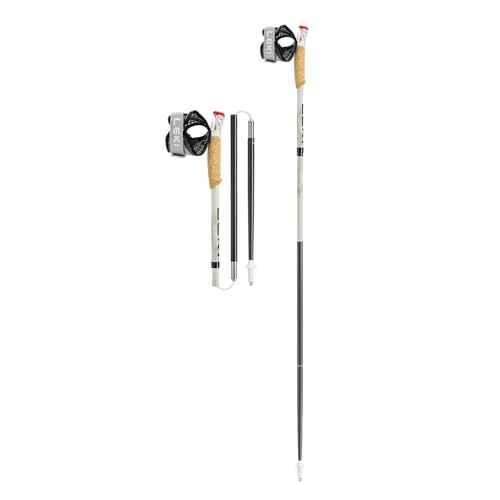
Trekking pole preparation begins with collapsing each section to its shortest possible transport length. Three-section telescoping poles require loosening the external cam lever locks or internal twist expanders, sliding all shafts together until they bottom out, and re-clamping the hardware firmly. Leaving cam locks loose during transport allows vibration to loosen the clamp assemblies or let shafts slide open unexpectedly. Folding Z-poles should have their tension pins released so the sections can fold neatly into a compact three-part bundle.
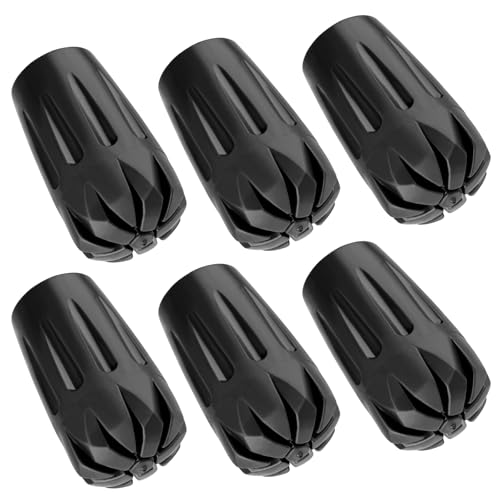
Carbide tips represent the most dangerous point of contact on any stowed pole system. These hardened metal spikes easily tear ripstop nylon pack panels, slash external stretch mesh pockets, or scratch fellow hikers on crowded switchbacks. Slip durable rubber road tips or manufacturer storage boots over the carbide points before mounting the poles to your pack. If your poles feature wide mud or powder snow baskets, position them so they nest together flat rather than pressing awkwardly against pack fabric.
The Classic Bottom Tool Loop and Bungee Fastener Method
Most traditional overnight backpacks come equipped with one or two webbing loops positioned at the bottom front panel. These reinforced loops, originally designed for mountaineering ice axes, provide the most secure foundation for long-term external pole carry. You begin by sliding the collapsed trekking pole tip downward through the bottom loop until the entire tip and basket pass through. Pulling the shaft through until the basket catches creates the mechanical anchor needed to support the pole’s vertical weight.
Once the basket clears the webbing, flip the entire pole upward 180 degrees so the handle points toward the top lid of the backpack. This twisting movement cinches the webbing loop tightly around the lower shaft collar, preventing the tip from dropping free while you hike. Align the shaft flat against the pack face and locate the elastic shock-cord retainer near the upper collar. Pull the elastic bungee loop around the pole shaft, slide the barrel toggle down tightly, and lock the cord firmly in place.
Nesting two poles together inside a single bottom loop requires placing their handles in opposite directions or binding the grips closely with the top shock cord. Storing poles flat against the front panel keeps their mass centered, which prevents awkward sideways torque on your shoulders. Checking that the tips remain pointed downward away from your legs eliminates puncture hazards during steep ascents.
Securing Shafts with Side Compression Straps and Pockets
Side compression straps offer a fast and dependable alternative when your pack lacks specialized front tool loops. Many lightweight and ultralight packs feature deep side water bottle pockets combined with two horizontal compression webbing straps. Placing the collapsed pole tips directly into the bottom of the side exterior pocket shields the carbide spikes completely inside tough fabric. The pocket supports the vertical weight of the poles while keeping dirt and mud away from your sleeping gear.
After seating the tips in the side pocket, loosen the upper and lower horizontal compression straps to create clearance for the shafts. Slide both pole shafts behind the straps, positioning the natural cork or EVA foam grips near the top opening of your pack. Cinch both side straps down firmly against the poles to compress them flush with the pack body. This compression eliminates lateral sway and prevents the shafts from rattling loudly as you jog or walk along rough terrain.
Sharing side pocket space with a water bottle requires a deliberate packing order to avoid crushed hydration gear. Always place the trekking poles against the interior back seam of the pocket before sliding in your water bottle on the outside. This orientation pins the poles securely against the rigid pack frame while leaving the bottle easily accessible for drinking. Hikers carrying budget-friendly hiking backpacks can easily adopt this side pocket method because almost all daypacks include standard lateral webbing straps.
Installing Dedicated Aftermarket Elastic Cord Fasteners
Many modern ultralight packs and frameless bags eliminate heavy hardware, leaving backpackers without factory-installed pole loops. Adding specialized aftermarket bungee straps solves this issue by creating custom tie-down anchors anywhere on your pack’s daisy chain or shoulder harness. The 4pcs Climbing Stick Holder provides an eight-inch elastic cord paired with a durable plastic buckle that quickly loops through external webbing loops. Sliding the pole into the cord and tensioning the buckle holds the shaft tight without requiring permanent pack modifications.
Versatility increases significantly when using multi-point fastener kits designed for modular placement across different gear bags. The CHIVOLONA Backpack Hiking Stick Holders,Elastic system features dual locking buckles and extends up to fifteen inches, making it suitable for thick multi-section poles or bundled accessories. Integrated reflective stripes on the cord also enhance your nighttime visibility, serving as an extra safety marker when hiking along roadway shoulders or dark approach trails. These adjustable cords fit around diverse shaft diameters, ensuring that both slim carbon composite rods and broader aluminum tubes remain immobilized.
Hikers operating in cold climates benefit from buckle hardware that functions smoothly when wearing thick mountaineering gloves. The 8 Pack Backpack Hiking Stick Holders utilize a solid snap mechanism and one-hand operable buckles constructed from resilient polypropylene. This set provides enough individual tie-downs to outfit multiple packs or establish dual-anchor stabilization on both sides of a single pack. Fastening one strap around the lower shaft and a second near the grip creates a balanced two-point hold that completely eliminates rotational play.
On-the-Go Shoulder Harness Stowage for Fast Transitions
Technical scrambling over loose talus often demands immediate hand clearance without the delay of dropping your backpack on the trail. Rapid on-the-go stow systems utilize elastic cord loops situated on the left shoulder strap and the lower side of the pack base. Hikers collapse their poles partially, tuck the handles forward through the chest loop, and pass the lower tips through the under-arm elastic tether. Cinching the cord locks holds both poles firmly beneath your left arm while keeping your hands entirely clear to grip rock holds.
Carrying poles under the arm requires careful attention to your natural arm swing and stride mechanics. Keep the tips pointed behind your torso to prevent them from catching on trailing roots, trailside brush, or boulders. The forward handles should sit comfortably below your chest level so they do not impede your field of view or chin movement. Once the technical rock ledge or river ford ends, releasing the chest cord lock lets you draw the poles back into action in seconds.
Packing Poles Internally for Travel and Dense Brush
External attachment is not always the best strategy when navigating thick off-trail bushwhacking or boarding commercial transit. External pole shafts catch aggressively on low branches, rhododendron thickets, and overhanging vines, which can bend aluminum tubes or snap carbon fiber. Stowing your poles inside the main pack bag eliminates exterior snag points completely and protects the locking collars from abrasive rock contact. This method requires placing the poles vertically along the pack’s internal frame sheet to maintain an upright, ergonomic pack structure.
Air travel regulations present another critical reason to pack hiking poles internally rather than lashing them to pack exteriors. Security screeners frequently confiscate poles with exposed metal tips from carry-on bags because sharp tungsten carbide flex tips fall under restricted sharp object guidelines. Disassembling telescoping poles into separate sections or collapsing folding Z-poles allows them to fit within standard carry-on luggage volume requirements when checking gear is not an option. Always cap the tips and wrap the shafts inside your rain jacket or camp towel to prevent metal hardware from abrading internal pack liners.
Common Rigging Mistakes and Trail Safety Hazards
The single most dangerous packing mistake is mounting trekking poles with the carbide tips pointing upward into the air. Storing spikes pointed upward creates a severe puncture hazard for hikers walking closely behind you, especially on steep switchbacks where trail spacing tightens. Upward-facing tips can also stab your own head, neck, or ears if you slip, fall backward, or scramble under low-hanging deadfall. Always orient the poles so the tips point directly toward the ground, safely shielded near the bottom corner of your pack.
Failing to achieve adequate tension on your tie-down straps creates annoying trail noise and unbalanced weight transfer. Loose poles wobble sideways with every footstep, rhythmically tapping against your pack frame and fatiguing your back muscles over high-mileage days. Furthermore, excessive movement increases friction wear between the pole shafts and the pack fabric, eventually grinding holes through lightweight ripstop nylon. Inspect your strap tension after the first fifteen minutes on the trail, as shifting pack contents often loosen initial webbing adjustments.
Overtightening bungee cords around thin carbon fiber shafts presents an opposite mechanical danger that hikers should avoid. Applying excessive localized clamping force against hollow carbon tubes can deform the resin weave, creating micro-cracks that compromise vertical load strength. Use elastic rubber straps that distribute tension broadly rather than rigid metal gear ties or narrow wire clamps. Balanced tension secures the poles firmly without crushing composite materials or warping aluminum locking sleeves.
Matching Fastener Systems to Pole Architectures
Different trekking pole constructions require slightly modified attachment strategies to ensure balanced transport. Three-section telescoping poles collapse into long, rigid batons that align naturally with vertical pack compression straps. Their extended collapsed length requires dual anchor points positioned at least twelve to fifteen inches apart to prevent the heavy top handles from swaying outwards. Ensuring that external cam lever handles lie flat against the shaft before cinching webbing prevents the levers from snagging branches and popping open.
Folding Z-poles present a much shorter but thicker bundle when separated into their three interlocking segments. Because folded Z-poles measure only fifteen to seventeen inches long, they often sit too low to reach upper pack compression straps. Bundling the folded segments together with a dedicated elastic wrap like the CHIVOLONA or Xinjoduz fasteners keeps the sections parallel and neat. You can then drop the compact package into a side water bottle pocket or slip it horizontally beneath bottom gear loops without protruding past the pack profile.
Ergonomic grips made from natural cork require extra care when exposed to prolonged rain or mud while strapped to pack exteriors. Wet cork can absorb moisture, collect trail dirt, and degrade if compressed aggressively against rough pack nylon for days. In wet weather, orient the grips upward under the protective flap of your backpack’s top lid whenever possible. Covering cork handles with a small ultralight dry bag keeps the porous grip surface clean and ready for immediate, blister-free handling when the trail steepens.
Mastering how to attach trekking pole to backpack hardware transforms how efficiently you move across varying wilderness gradients. By selecting the right combination of bottom tool loops, side compression straps, or modular elastic fasteners, you protect your gear investment while maintaining perfect balance. Taking a few moments to cap your sharp carbide tips and verify strap tension before stepping onto the trail ensures a quiet, snag-free journey. Keep your poles securely docked until steep ascents or technical descents demand their support, giving you total confidence across every backcountry mile.






Write Your Review
No reviews yet. Be the first to share your experience!