


Trail dirt, sweat salts, and skin oils inevitably penetrate natural pole grips during grueling backcountry treks. Over time, these residues degrade the soft natural texture, leading to slick surfaces, persistent odor, and friction hot spots that cause painful blisters. Knowing how to clean cork trekking pole handles allows backpackers to preserve their equipment, restore natural traction, and maintain comfortable hand support across long days on the trail. Pairing clean grips with proper lower body gear, such as supportive hiking apparel, keeps joint impact manageable on steep technical descents.
Natural cork remains a premier material for long-distance hikers because it molds to hand morphology and wicks palm moisture away from the skin. Failing to wash away dried perspiration and trail grime can harden the outer pores of the cork, causing premature crumbling and surface erosion. Routine maintenance requires minimal equipment and gentle techniques that protect the underlying adhesive and composite structure. Learning the proper restoration steps ensures your gear stays hygienic, functional, and ready for your next mountain trip.

Pros
- Folds down to 15 inches, making it significantly easier to pack inside travel luggage or strap to compact daypacks than standard telescoping poles
- Moisture-wicking natural cork handles keep palms dry and comfortable across humid hiking conditions
- Sturdy metal flip locks and reinforced joint caps provide solid structural support without slippage when properly tensioned
- Lower EVA foam grips allow instant trail adjustment for steep uphill climbing
Cons
- At 11.5 ounces per pole, they carry more weight than specialized ultralight carbon fiber poles
- The 110 cm minimum height setting may feel slightly too long for hikers under 5 feet 2 inches
- Per TSA regulations, trekking poles with metal tips must be packed in checked luggage rather than carried on flights
The Trekology Trek-Z Cork Grip Trekking Poles are folding, multi-section hiking sticks designed for hikers, backpackers, and travelers who require sturdy trail stability without the awkward bulk of traditional telescoping poles. Sold as a pair with an included carry bag, these poles suit day hikers tackling uneven paths, weekend backpackers managing load transfer on descents, and outdoor enthusiasts who need compact gear that fits inside travel luggage or standard daypack side sleeves.
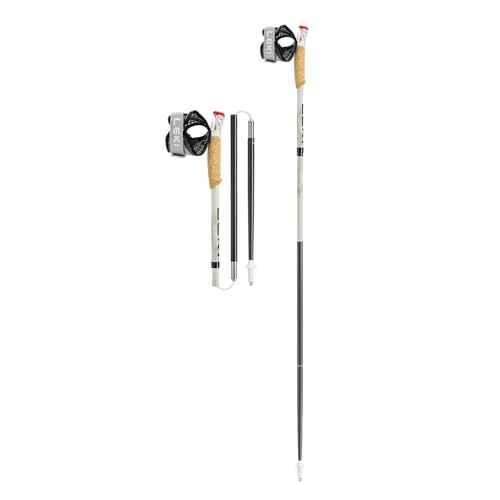
Trail packability is one of the standout characteristics of this design. Utilizing a retractable tri-fold cable system, each pole breaks down to just 15 inches (38 cm) in overall length. This short folded dimension lets you slip the pair directly into the main compartment of an overnight pack, tuck them into side stretch-mesh water bottle pockets, or strap them beneath external compression straps without snagging overhead brush. For length adjustment, an upper aluminum section provides a 20 cm sliding range from 110 cm to 130 cm, catering to user heights between 5 feet 2 inches and 6 feet 5 inches.
Component construction focuses on long-term trail durability. Trekology builds the Trek-Z poles from aircraft-grade aluminum alloy, which provides higher impact resistance and flex tolerance against rocky crevices compared to brittle carbon fiber. The folding shaft joints feature protective metal caps to resist wear at stress points during repeated assembly. Up top, the natural cork grip wicks moisture away from sweaty palms during steep ascents, while a secondary EVA foam grip sleeve allows you to lower your hand placement instantly on steep trail grades without adjusting the shaft length.
Deploying and adjusting the poles requires a straightforward two-step setup. After letting the lower segments drop into place, you pull the upper shaft section until an internal metal locking button pops outward with a firm click. A durable metal external flip lock then secures the upper telescoping section at your desired height marker. Proper setup is essential; if the lower shaft feels loose or disconnected, the metal lock button must be firmly pulled until fully seated in its designated catch hole. Maintenance is simple, requiring only an occasional wipe-down with a dry cloth after muddy hikes before packing into the included storage sleeve.
While practical and durable, the Trek-Z design carries a few realistic limitations. Each pole weighs 11.5 ounces (330 grams), resulting in a combined pair weight around 23 ounces, which may deter dedicated ultralight thru-hikers who prefer minimal swing weight. Additionally, the minimum length of 110 cm means youth hikers or adults under 5 feet 2 inches might find the grip positioning too elevated on flat terrain. Travelers should also remember that TSA guidelines require trekking poles with rigid tips to travel inside checked baggage rather than carry-on packs.
For hikers seeking an affordable, compact, and robust set of walking poles, the Trekology Trek-Z Cork Grip poles deliver excellent overall value. They provide dependable joint support, sweat-wicking cork comfort, and pack-friendly folding convenience that fits easily into standard hiking backpacks and travel duffels.
The Trekology Trek-Z poles feature an adjustable working range between 110 cm and 130 cm, making them compatible with users measuring between 5 feet 2 inches and 6 feet 5 inches in height. Sizing adjustments are controlled via a durable metal flip-lock clamp positioned on the upper shaft section, marked with clear centimeter increments for quick alignment.
Hikers can lengthen the poles slightly for steep downhill sections to maintain an upright posture, or shorten them for prolonged uphill climbs. For fast grade transitions where stopping to loosen the clamp is impractical, the extended EVA foam grip below the primary cork handle allows instant choke-down positioning.
Thanks to a three-section folding architecture linked by an internal tension cable, the Trek-Z poles collapse down to an ultra-compact 15 inches (38 cm). This compact footprint allows them to slide vertically inside most 20-liter to 65-liter hiking backpacks, eliminating the tip-heavy snagging hazards common with longer two-piece or three-piece telescoping poles.
A matching carry bag is included to keep trail mud and dust away from sleeping bags, pack liners, and clothing when stored internally. When flying to destination trailheads, note that airline security guidelines require trekking poles to be packed within checked baggage rather than carry-on luggage.
The shafts are manufactured from aircraft-grade aluminum alloy, delivering high tensile strength and resilience against bending forces when supporting heavy backpack loads on rocky trails. The connection joints between segments are reinforced with metal caps to resist cracking and wall deformation under load.
The upper handle utilizes natural cork material that absorbs hand moisture, resisting slick spots during warm summer outings. The handle is engineered with a slight rotational flex that acts as an anti-torque buffer, reducing jarring impacts transmitted through the hands and wrists across prolonged trail miles.
Step-by-Step Restoration and Maintenance for Cork Pole Grips
Cork trekking pole handles absorb hand perspiration, soften trail vibrations, and mold over time to your individual grip. Cleaning them correctly requires gentle techniques that lift grime without drying out the natural bark or dissolving factory adhesives. This comprehensive maintenance guide walks through safe washing methods, stain removal, and grip preservation for long-lasting trail comfort.
Why Natural Cork Handles Require Specialized Cleaning
Natural cork comes from the harvested outer bark of the cork oak tree, creating an impermeable yet breathable cellular matrix. Suberin, a natural waxy substance present in cork cells, provides inherent water resistance while allowing the surface to wick away sweat during strenuous mountain climbs. Unlike synthetic rubber, cork handles maintain a steady coefficient of friction even when hands become slick with perspiration. This natural elasticity also dampens minor trail vibrations before they reach your wrists and forearms.
Over extended backpacking trips, human sweat deposits sodium, skin oils, and dead skin cells directly into the outer surface pores. At the same time, trail dust, sunscreen lotions, and insect repellents bond with these oils, forming a dark, greasy film across the handle. Left uncleaned, this accumulated layer hardens the soft exterior, blocks the moisture-wicking properties, and promotes bacterial odors. The hardened outer layer also increases friction against bare skin, dramatically accelerating the formation of painful friction blisters.
Synthetic cleaners and harsh solvents can quickly compromise the structural integrity of natural cork. Aggressive chemicals strip away beneficial natural oils, causing the composite binders to degrade and resulting in brittle, crumbling handle edges. Regular, gentle washing keeps the material resilient, preserves hand traction, and prevents premature equipment breakdown. Taking proper care of your cork handles ensures they continue molding to your palms comfortably season after season.
Essential Cleaning Supplies and Products to Avoid
Gathering the right materials before beginning ensures you do not inadvertently damage the delicate cork structure. You only need a bowl of lukewarm water, a mild pH-neutral liquid soap such as castile soap or gentle baby shampoo, two clean microfiber cloths, and an extra-soft toothbrush. For handles with heavy ground-in dirt or localized discoloration, keep a sheet of fine 400-grit or 600-grit sandpaper on hand. Mild liquid soaps lift oils effectively without stripping the natural binders that hold composite cork particles together.
Certain household cleaning agents should never touch natural cork trekking pole grips. Avoid chlorine bleach, ammonia, citrus-based degreasers, acetone, and high-concentration rubbing alcohol, as these compounds dissolve the adhesives binding the cork particles. In addition, steer clear of abrasive scouring pads, stiff wire brushes, and steel wool, which tear gouges into the handle contour. Chemical cleaners can also leach into the cork and transfer irritants back onto your hands during subsequent warm-weather hikes.
Submerging the entire grip or pole assembly in a bucket or sink of standing water is another frequent mistake. Excess water can seep beneath the handle collar, weakening the epoxy bond between the grip core and the aluminum shaft. Controlled surface cleaning using a damp, wrung-out cloth provides all the moisture required without soaking internal components. Keeping moisture confined to the surface preserves the mechanical security of the entire upper pole section.
The Standard Wash: Step-by-Step Cleaning Process
Begin by preparing a mild cleaning solution by mixing a few drops of pH-neutral soap into a bowl of warm water. Dip your microfiber cloth into the suds and wring it out thoroughly until it remains damp rather than dripping wet. Gently wipe down the outer surface of the cork grip to remove loose surface dirt, dried salt rings, and trail dust. Starting with a gentle surface wipe prevents loose mineral grit from scratching the cork during subsequent cleaning passes.
Work the damp cloth across the handle in small, circular motions, focusing on areas with noticeable hand discoloration. For textured ridges, thumb rests, and recessed finger grooves, use the soft-bristle toothbrush dipped lightly in the soapy water. Apply minimal downward pressure, allowing the soft bristles to agitate the grime out of the pores without roughing up the cork. Brushing gently in circular strokes lifts deeply embedded grime without gouging the softened bark.
Take a second microfiber cloth, dampen it with clean, plain water, and wipe down the handle to lift away all soap residues. Trapped soap films can attract fresh dirt on future hikes and leave the grip feeling slick when wet. Inspect the surface carefully to ensure no soapy lather remains trapped along the strap housing or grip edges. A thorough rinse wipe restores the natural tactile grip that cork is renowned for providing.
Pat the handle dry using a clean, dry towel to absorb excess surface moisture immediately after rinsing. Do not wring or twist the handle during this process, especially on collapsible poles featuring built-in ergonomic flex. Leave the poles upright in a well-ventilated room to allow the ambient air to complete the drying process naturally. Keeping the poles upright ensures that any stray moisture drains away from the internal locking mechanisms.
Removing Deep Stains, Pitch, and Persistent Trail Grime
Pine pitch, spruce sap, and stubborn trail resins represent some of the most difficult residues to remove from cork grips. Attempting to scrape sticky resin with sharp tools or knives risks gouging the soft cork material permanently. Instead, apply a tiny drop of vegetable oil, olive oil, or mineral oil directly to the sticky residue using a cotton swab. The natural lipids in cooking oils break down sticky pine terpenes without attacking the underlying cork structure.
Allow the oil to sit on the pine pitch for several minutes to soften the hardened resin bonds naturally. Gently wipe the softened sap away using a dry paper towel, taking care not to spread the sticky residue across clean cork areas. Once the pitch lifts, immediately clean the treated spot with warm soapy water to remove any residual vegetable oil. Thoroughly degreasing the area ensures that dust and grit do not cling to leftover oil residues.
Hikers wearing breathable trail clothing often encounter fine mineral dust that binds with sweat salts in dry desert environments. If a standard soapy wash fails to lift these stubborn ground-in salt rings, a paste of baking soda and water can act as a gentle, non-chemical cleaner. Apply the paste lightly with your fingertips, buff gently for twenty seconds, and wipe clean with a damp cloth. Baking soda neutralizes acidic perspiration residues and lifts dark stains without abrading the cork surface.
Sanding and Resurfacing Weathered or Darkened Cork
Heavy mileage and sun exposure can eventually leave cork handles looking dark, glazed, or slightly pitted. When routine washing no longer restores the grip’s soft, velvety feel, light surface sanding offers an effective restoration technique. Sanding removes the microscopically oxidized outer layer, exposing fresh, clean cork underneath without damaging the structural core. This rejuvenation process also eliminates micro-cracks before they can expand into deeper structural fissures.
Select an ultra-fine abrasive paper, ideally between 400-grit and 600-grit, to avoid removing excessive material. Wrap the sandpaper around the contour of the handle and apply very light, even pressure in smooth, lengthwise strokes. Rotate the pole as you sand to maintain symmetrical contours and prevent creating flat spots along the ergonomic palm swell. Never use coarse grits like 120 or 220, which create deep furrows that permanently alter the grip shape.
Blow away the fine cork dust periodically and examine your progress under bright light. Stop sanding as soon as the fresh, light tan color reappears and the surface feels smooth and velvety to the touch. Finish by wiping the handle with a barely damp microfiber cloth to remove residual sanding dust before allowing it to air dry. Inspecting the grip with clean hands confirms that the natural matte texture has been fully restored.
Drying and Conditioning: Protecting Against Rot and Cracking
Drying cork properly is just as important as washing it, because trapped moisture can encourage mold growth and dry rot. Always allow freshly cleaned poles to dry at room temperature in an area with steady airflow. Never place wet cork handles on home heating radiators, near wood stoves, or under hot air blowers, as concentrated heat causes cork to shrink and crack. Controlled ambient evaporation keeps the cellular structure intact and prevents warping.
Direct sunlight should also be avoided during the drying phase, even though sunshine seems like a fast drying option. Ultraviolet radiation degrades natural plant fibers, accelerating the drying out of internal adhesives and fading the cork coloration. Keep the poles indoors in a moderate climate until the handles feel completely dry all the way through. Storing them in a shaded, ventilated room prevents uneven drying across the front and back of the handle.
Hikers frequently debate whether to apply commercial cork sealants or leave their trekking pole handles raw and untreated. While cork sealants protect against moisture penetration on fishing rod grips, they form a slick barrier that inhibits sweat absorption during demanding ascents. Leaving the natural cork unsealed preserves its innate wicking properties, keeping your hands dry and blister-free on long backcountry days. Raw cork continues breathing naturally and molds perfectly to your hand contours over time.
Handling Ergonomic Grip Flex and Lower EVA Foam Sleeves
Modern hiking poles often incorporate specialized grip architectures that require thoughtful care during the cleaning routine. For instance, the Trekology Trek-Z Cork Grip Collapsible Lightweight poles feature natural cork handles engineered with a slight rotational flex. This anti-torque ergonomic feature is designed to reduce wrist strain under rotational load, so you should never attempt to tighten or force the grip to stay rigid during cleaning. Understanding this intentional mechanical feature prevents accidental damage to the grip mounting mechanism.
Many advanced trekking poles pair their upper cork grip with an extended lower sleeve made from high-density EVA foam. These choke-up sleeves allow backpackers to lower their hand position when traversing steep sidehills without stopping to adjust pole length. Closed-cell EVA foam handles moisture differently than cork, resisting water absorption while collecting grease and trail dirt on its textured exterior. Because EVA foam is completely synthetic, it tolerates routine washing without the delicate moisture concerns of raw bark.
Clean the EVA foam lower section using the same warm soapy water solution and soft microfiber cloth used for the upper cork. Because EVA foam does not absorb water, you can gently scrub stubborn dirt from the ribbed texture using your soft toothbrush. Wipe both sections thoroughly with a clean damp cloth to ensure the entire grip assembly dries evenly. Rinsing thoroughly keeps the textured ribs clean and grippy for steep terrain traverses.
Shaft and Hardware Care During Grip Maintenance
While cleaning your grips, take time to inspect and clean the surrounding shaft sections and locking mechanisms. The Trekology Trek-Z poles utilize aircraft-grade aluminum shafts with metal flip locks and internal joint caps that connect the tri-fold collapsible sections. Wipe down the aluminum tubing with a dry microfiber cloth to remove dust and grit that could scratch the anodized finish. Keeping shafts free of trail grit prevents jamming when extending or folding the sections.
Silt and trail debris trapped inside telescoping or folding joints can prevent metal lock buttons from popping out securely or cause cam clamps to slip under vertical body weight. Inspect the metal lock button and flip lock tension screw to verify that the locking mechanism engages firmly when deployed. Never apply lubricants, oils, or silicone sprays to pole shafts or joints, as lubricants destroy the friction required for secure clamp locking. A clean, dry friction surface is essential to ensure locks never slip during steep descents.
If you travel to distant hiking destinations, remember that trekking poles with sharp carbide tips cannot ride in commercial aircraft passenger cabins. Checking your gear properly, as outlined in our carry-on backpack sizing guide, prevents airport security confiscations and protects your investment during transit. Storing your folded poles inside their included carry bag also protects clean cork handles from baggage compartment abrasions. Using dedicated travel sleeves keeps clean grips free of transit dirt and mechanical scuffs.
Preventative Trail Care and Long-Term Storage Habits
Establishing basic trail habits reduces the frequency with which you need to perform deep cleaning and sanding routines. After returning from a sweaty day hike or multi-day backpacking trek, wipe the handles down with a clean, dry cloth before packing them away. Removing fresh sweat salts before they dry into the cork pores prevents the formation of dark, hardened surface rings. A quick thirty-second wipe down extends the interval between deeper soapy washes significantly.
Loosen the adjustable wrist straps periodically and rinse the webbing in warm water if they become stiff with dried perspiration. Salty, rigid wrist straps act like sandpaper against skin, increasing friction and causing hot spots on your wrists during long trail days. Clean straps dry quickly and maintain their supple texture, working in harmony with well-maintained cork grips. Clean straps also adjust more smoothly through their locking wedges without binding.
Store your trekking poles in a dry, climate-controlled indoor space rather than in damp basements, hot attics, or vehicle trunks. High heat and extreme humidity fluctuations can weaken grip adhesives and cause cork particles to loosen over time. Storing poles completely dry with flip locks disengaged maintains mechanical tension and ensures your gear remains ready for seasons of demanding wilderness exploration. Thoughtful storage preserves your gear and ensures reliable joint offloading on every future trail.
Regular maintenance of natural cork grips preserves both the hygienic freshness and the ergonomic benefits of your trekking poles. By using mild soaps, gentle brushing, and occasional ultra-fine sanding, you can keep the cork soft, resilient, and responsive across hundreds of trail miles. Taking a few minutes to care for your grips after tough hikes protects your gear investment and ensures consistent hand comfort on every outdoor adventure.






Write Your Review
No reviews yet. Be the first to share your experience!