


Maintaining traction on technical trails requires reliable contact points, yet trekking pole tips absorb thousands of strikes against granite, gravel, and asphalt every single day. When carbide ends wear smooth or protective rubber caps wear through, stability drops and joint impact travels straight into your wrists and elbows. Learning how to replace trekking pole tips ensures your poles continue to provide steady braking power and reduce strain on your knees during steep descents. Hikers pairing their pole setups with hiking pants designed for joint comfort often find that proper gear maintenance keeps fatigue at bay across long backcountry miles.
Whether you need to slide on fresh rubber caps for road walks or replace an entire damaged lower flex tip assembly, the mechanical process is straightforward once you understand shaft tapers and friction fits. Different trail surfaces demand different hardware, from sharp tungsten carbide for slick mud and scree to durable rubber caps for paved surfaces and delicate bedrock. Swapping these parts before a long trip prevents sudden slipping hazards and extends the usable lifespan of your expensive pole shafts. With the right technique, you can restore full gripping power to your favorite hiking sticks in just a few minutes.
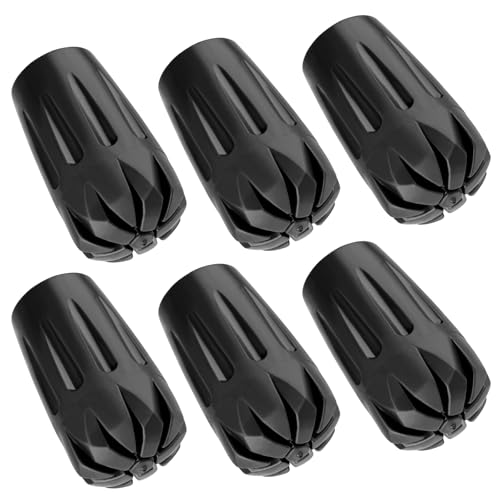
Pros
- Budget-friendly 6-piece bundle provides ample backup tips for long-distance hikes or multiple pairs of poles
- Universal 11mm inner diameter fits standard trekking poles and walking sticks
- Shock-absorbing rubber dampens impact and significantly reduces noise on paved or rocky terrain
- Simple push-on installation requires no tools or hardware
Cons
- Friction-fit rubber caps can be pulled off when wedged into thick mud, wet clay, or tight rock crevices
- The product specifications do not list an embedded metal washer, which may allow sharp metal pole tips to wear through over extended use
- Sized specifically for standard 11mm shafts and will not fit non-standard or oversized pole tips
The AISUNOUTDOOR Trekking Pole Rubber Tips are replacement traction caps designed to fit standard 11mm hiking sticks, trekking poles, and walking canes. Sold as a convenient 6-pack, this accessory caters to day hikers, backpackers, thru-hikers, and trail walkers who need to replace missing or worn-down pole feet. Rather than replacing entire trekking poles when factory tips degrade, these push-on rubber caps provide an affordable way to maintain traction and extend pole lifespan across paved walkways, rocky switchbacks, and hardpacked forest trails.
Trail performance with rubber tips centers on surface traction and impact dampening. The manufacturer highlights an anti-slip textured bottom designed to give stability on slick surfaces such as wet pavement, smooth granite, concrete paths, and wooden boardwalks. By substituting bare carbide or tungsten pole points with rubber, these tips also reduce the sharp, repetitive jarring transmitted to the user's wrists, elbows, and shoulders. Furthermore, using rubber caps on popular trails helps prevent the loud metallic clicking sound of hiking poles while reducing surface scarring on sensitive rocks in national parks.
The tips are molded from black rubber engineered to withstand everyday abrasion on mixed terrain. According to the product specifications, the entire set weighs approximately 0.032 pounds, making individual caps virtually unnoticeable when stashed inside a backpack hip-belt pocket, top lid, or first-aid kit. The interior sleeve is sized for standard 11mm pole tips, using a snug friction fit that slides securely over the bottom shaft. While the rubber body offers shock absorption and road grip, the product listing does not state whether these caps contain an embedded metal washer to prevent sharp metal tips from puncturing through over long distances.
Installing and carrying these replacement tips is straightforward for any outdoor activity. Hikers can simply press the rubber caps onto clean pole ends until fully seated, requiring no tools, adhesives, or mechanical fasteners. Because rubber tips can occasionally loosen or pull free when stuck in sticky mud, wet soil, or deep gravel, carrying multiple spares from this 6-pack ensures uninterrupted support during multi-day backpacking trips. For routine care, rinsing dirt and grit from inside the sleeve after muddy outings will help maintain a tight friction grip against the pole shaft.
Despite their practical utility, these replacement tips have clear limitations that buyers should understand before heading into the backcountry. The push-on friction fit is susceptible to pulling off if a pole tip gets wedged between boulders, caught in tree roots, or buried in heavy clay. Additionally, because rubber is inherently softer than tungsten carbide, regular use on coarse asphalt and abrasive rock will eventually wear down the tread. Hikers with specialized, ultra-slim, or oversized trekking poles should also verify tip diameter, as an 11mm opening will not fit non-standard pole designs.
The AISUNOUTDOOR 11mm Trekking Pole Rubber Tips offer solid practical value for hikers seeking an economical way to maintain grip, dampen vibration, and protect trails. While aggressive backpackers navigating deep mud or technical talus will want to monitor their pole tips closely, this 6-pack provides ample backup caps for routine trail walking, road walking, and day hiking. If your current trekking pole tips are worn down to the metal or you need dependable spares for your gear closet, this set is a practical and budget-friendly upgrade.
The AISUNOUTDOOR replacement tips feature an interior sleeve designed specifically for standard 11mm trekking pole and walking cane tips. This 11mm inner diameter matches the industry-standard sizing used on the majority of telescoping and folding hiking poles available in the outdoor market.
Before purchasing, hikers should verify the tip diameter of their current poles, as non-standard ultra-light shafts or heavy-duty walking sticks may require different dimensions. The push-on friction fit allows users to swap worn tips in seconds without needing extra tools, glue, or clamps.
Rubber pole tips excel on hard, solid surfaces where bare metal carbide spikes tend to slip, vibrate, or make excessive noise. These tips provide dependable friction on paved paths, concrete steps, exposed rock slabs, and bridge decking, making them ideal for road walking, urban trails, and maintained park switchbacks.
To maintain a tight friction fit, remove the tips periodically to clear out trapped moisture, fine sand, and mud from the interior socket. Storing the spare caps in a dry pocket of your daypack or gear bag ensures you are always prepared if a tip is pulled off in wet soil or deep gravel.
A Complete Guide to Trekking Pole Tip Replacement and Trail Maintenance
Trekking pole tips serve as your primary interface with the trail, absorbing continuous downward strikes and preventing sudden slips across varied terrain. Over extended mileage, both removable rubber protective caps and press-fit carbide flex tips experience heavy mechanical wear that compromises stability. Understanding how to inspect, remove, and install replacement hardware restores original grip and protects your lower pole shafts from irreversible impact damage. This practical guide walks through the exact mechanics of tip replacement, surface selection, and backcountry maintenance.
Differentiating Removable Rubber Caps from Press-Fit Flex Tips
Every hiker should distinguish between the two primary tip components found on modern hiking poles. The base component is the press-fit flex tip, which consists of a durable plastic sleeve housing a hard tungsten carbide point directly over the bottom shaft. In contrast, removable rubber caps are slip-on accessories designed to slide directly over that carbide point or lower taper. Knowing which component has worn out dictates whether you need a quick friction swap or a workshop thermal removal process.
Removable rubber tips protect the underlying carbide point, absorb trail vibration on paved roads, and prevent scraping marks on delicate bedrock. Meanwhile, the hardened carbide flex tip provides aggressive penetration into packed soil, loose scree, and icy surfaces where rubber cannot bite. If your rubber cap has split or worn thin, you only need to replace the cap itself. However, if the carbide point has shattered or the plastic flex housing has snapped, replacing the entire flex tip assembly becomes necessary.
Step-by-Step Replacement for Universal Slip-On Rubber Tips
Replacing universal rubber tips is a straightforward trail maintenance task for recreational walkers and thru-hikers alike. Start by twisting and pulling the worn rubber cap off the bottom of the pole to expose the bare carbide tip. If the old tip is jammed from dried mud or silt, wiggle it firmly back and forth while pulling downward rather than yanking in a single direction. Inspect the exposed lower shaft to ensure no dirt or grit remains caked on the seating surface.
Wipe down the plastic taper and carbide insert with a damp cloth to clear away dust and moisture before mounting fresh hardware. Clean mating surfaces create the necessary friction bond that prevents new rubber caps from slipping off in soft ground. Inspect the interior cavity of your new tip to verify that a reinforced steel washer sits securely at the base. This internal metal disc prevents the sharp carbide point from punching straight through the rubber body during heavy downhill loading.
Align the replacement rubber accessory, such as the Durable Replacement Rubber Tips for Trekking Poles, directly with the pole end. Push the cap straight onto the lower taper until it seats fully against the base of the plastic housing. Give the tip a firm downward push against a hard floor or solid rock to seat the internal taper completely. Never apply oil, soap, or silicone spray to ease installation, as lubricants will destroy friction retention and cause the tip to pull off in muddy terrain.
Removing and Installing Press-Fit Carbide Flex Tip Assemblies
Replacing an entire press-fit carbide flex tip assembly requires more mechanical care because manufacturers secure these sleeves to shafts with tight tolerances and heat-activated glue. Begin by thoroughly washing away dried trail muck from the joint where the plastic sleeve meets the lower shaft section. Disassemble the lower shaft from your pole by releasing the lower external cam lock or pulling the lower section free. Isolating the lower shaft prevents moisture or heat from damaging upper locking mechanisms, internal cords, or cork handles.
Submerge the lower three inches of the plastic flex tip into a pot of freshly boiled water for three to five minutes. The boiling water softens the thermoplastic sleeve and loosens the factory adhesive without generating temperatures high enough to damage 7075 aluminum or melt carbon fiber bonding resin. Never use an open flame or high-output blowtorch on your hiking poles, because excessive heat will instantly ruin carbon fiber structural integrity and anneal aluminum alloys.
Grasp the lower shaft firmly with a gloved hand and grip the softened plastic flex tip with an adjustable wrench or sturdy pliers. Twist the plastic sleeve firmly while pulling outward along the axis of the shaft until the tip slides off the stub. If the sleeve refuses to budge, return it to the hot water bath for another two minutes to reheat the adhesive bond. Once removed, scrape away any remaining glue residue from the shaft stub using a plastic scraper or coarse cloth.
Clean the bare shaft stub with isopropyl alcohol and let it dry completely before preparing the replacement flex tip. Apply a small ring of outdoor-rated epoxy or hot-melt adhesive around the shaft stub according to manufacturer specifications. Slide the new flex tip assembly onto the shaft, ensuring it seats firmly and square against the shoulder stop. Allow the adhesive to cure completely at room temperature before testing the bond or taking the pole out on rocky trails.
Critical Wear Indicators and Replacement Timing
Catching hardware wear before catastrophic failure protects both your gear and your physical safety on the trail. Rubber caps exhibit obvious signs of wear, including smoothed-out bottom tread patterns, cracking along the side walls, and thinning base rubber. The most critical indicator occurs when the sharp carbide point punches through the bottom of the rubber cap, creating an immediate slipping hazard on wet rock and asphalt. When you notice the metal tip peeking through the rubber base, immediate replacement is required.
Carbide flex tips degrade differently than rubber accessories over cumulative backcountry mileage. A fresh tungsten carbide tip features sharp, defined concave edges that bite aggressively into hard granite and packed mud. Over hundreds of trail miles, that sharp edge rounds off into a dull, polished dome that can slip unexpectedly under downward body weight. Additionally, wedging tips between granite boulders in talus fields can crack the brittle tungsten insert or split the outer plastic housing.
Operating with worn tips places unnecessary physical strain on your upper body and increases falling risks. Dull points fail to brake effectively on steep descents, forcing your legs, knees, and back to absorb extra deceleration forces. Hikers carrying heavy loads in framed hiking backpacks rely heavily on pole bite to balance torso momentum over shifting scree. Replacing tips as soon as the grip degrades preserves joint comfort and maintains essential stability across technical terrain.
Matching Tip Styles to Trail Terrains and Leave No Trace Ethics
Selecting the right tip style for specific terrain enhances traction and extends the lifespan of your pole components. Bare carbide tips are engineered specifically for natural, unpaved surfaces like dirt singletrack, loose gravel, mud, and frozen snowpack. The hardened tungsten points dig beneath loose topsoil to anchor each stride, providing reliable purchase when ascending steep switchbacks. However, using bare carbide on paved greenways or asphalt roads generates loud clattering noise and causes rapid, unnecessary tip wear.
Rubber road tips provide superior friction on hard, non-yielding surfaces where metal points skitter and slide. Asphalt walkways, concrete paths, and smooth granite slabs offer optimal traction when paired with vulcanized rubber caps that conform slightly to the ground texture. In addition to traction benefits, rubber caps dampen harsh vibration feedback that travels up the shaft into your wrists. This shock-absorbing quality reduces joint fatigue during lengthy road walks or long traverses over flat rock shelves.
Environmental ethics also play an important role in your choice of trekking pole tips. Bare metal points leave visible white scratch marks on soft sandstone, polished granite, and delicate alpine rock formations. In heavily trafficked national parks and sensitive archaeological zones, these scratches cause permanent aesthetic scarring on natural resources. Slipping rubber caps over your carbide points on sensitive bedrock preserves trail surfaces and aligns with responsible outdoor stewardship.
Avoiding Frequent Installation and Maintenance Errors
Hikers frequently make simple mistakes that result in lost rubber tips or damaged pole shafts during routine maintenance. One of the most prevalent errors is applying liquid lubricants, dish soap, or grease inside rubber caps to make sliding them on easier. While lubricant simplifies installation, it destroys the necessary friction bond between the rubber interior and the shaft taper. The first time you plant the pole in deep mud or boggy soil, suction pulls the lubricated cap straight off the pole.
Another frequent oversight involves purchasing unverified replacement caps that lack internal metal reinforcing washers. Without a steel disc inside the cap cavity, downward force drives the pointed carbide tip straight through the soft rubber within a few miles of hiking. Always inspect replacement packs to confirm that each rubber accessory features a built-in metal washer. Checking this small detail prevents premature tip puncture and saves you from carrying useless, ruined rubber sleeves in your pack.
When replacing press-fit flex tips, using open flames or aggressive heat guns is an avoidable mistake that ruins expensive shafts. Carbon fiber composites rely on cured epoxy resins that break down rapidly when exposed to direct flames, resulting in splintered or weakened shafts. Aluminum shafts can lose structural temper under uncontrolled heat, leading to sudden bending failures under vertical loads. Boiling water provides a safe, self-limiting thermal threshold that protects shaft metallurgy while softening adhesive bonds effectively.
Pack Storage, Luggage Transit, and Carry-On Considerations
Proper tip management extends beyond active hiking and plays a critical role in gear storage and transit. Sharp carbide points easily abrade and puncture fragile ultralight gear when poles are lashed to the outside of a pack or stowed internally. A stray metal point can tear silnylon tent flys, shred mesh water bottle pockets, or puncture sleeping pads during transit. Installing rubber storage caps before packing your gear protects valuable equipment from accidental tears and abrasions.
Air travel introduces additional complications because aviation security agencies enforce strict regulations regarding pointed metal hiking equipment. Transportation Security Administration guidelines generally restrict trekking poles with exposed metal points from commercial airplane cabins. Backpackers reviewing a carry on backpack size guide must plan whether their poles will require checked luggage or if rubber caps suffice for local transport rules. Keeping durable rubber caps installed over carbide tips reduces security concerns and protects luggage linings from sharp metal edges.
When storing your poles at home between seasonal adventures, remove dirt and moisture from both the tips and shaft joints. Trapped moisture inside rubber caps can foster minor corrosion or oxidation on lower metal shaft tapers over extended storage periods. Pulling the rubber caps off, washing the lower shafts with clean water, and allowing all components to air dry prevents unwanted oxidation. Storing components dry and clean ensures your hiking poles remain ready for quick deployment on your next backcountry outing.
Pre-Trail Verification and Backcountry Maintenance Habits
Before heading into the backcountry, perform a quick mechanical check on your newly installed tips to ensure field reliability. Stand on a solid surface and plant the poles vertically, applying substantial downward upper-body weight onto the grips. This test confirms that replacement rubber caps are fully seated and that press-fit flex tip adhesive bonds will hold under real trail pressure. If a tip shifts, rotates freely, or slips loose under test weight, resolve the seating issue before stepping onto the trailhead.
Carrying a couple of spare rubber caps in your backpack hip belt pocket or repair kit is an excellent habit for multi-day treks. Soft mud bogs and narrow rock gaps frequently snatch friction-fit rubber tips off poles without hikers noticing until miles down the trail. Because replacement caps weigh only a few grams, carrying spares ensures you never get stuck road-walking on bare metal points. A small strip of cloth or alcohol wipe in your repair kit also makes field cleaning effortless before installing a spare.
Regular inspection of your lower trail hardware keeps your poles operating smoothly for thousands of trail miles. Check the carbide points after rocky descents, monitor the tread depth on rubber accessories, and keep shaft tapers free of hardened grit. Investing a few minutes into maintaining your tips preserves the integrity of your pole shafts and ensures dependable footing on every adventure. Reliable traction starts at the ground, making proper tip maintenance an essential skill for every dedicated hiker.






Write Your Review
No reviews yet. Be the first to share your experience!