


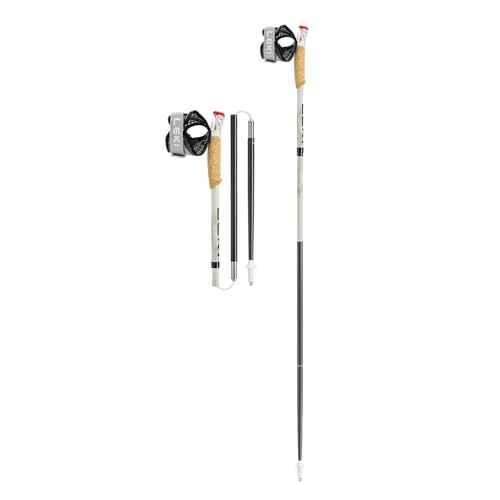
Steep descents and rocky switchbacks place tremendous shear stress across knee joints, especially when carrying heavy loads over uneven terrain. Hikers often grip their handles with excessive force, causing forearm cramping and hot spots before reaching camp. Understanding how to use trekking pole straps correctly transforms walking poles from clumsy sticks into active biomechanical levers that offload body weight directly through the skeletal frame. When adjusted properly, the strap cradles your wrist and transfers downward pressure without demanding a white-knuckle grip on natural cork or EVA foam handles.
The term also applies to the external bungees and lanyards used to lash collapsed poles securely against your pack webbing when scrambling across rocky talus. Securing gear properly to a budget trail pack prevents loose shafts from snagging brush or throwing off balance during technical stream crossings. Whether calibrating wrist loops for efficient trail propulsion or tightening pack bungee buckles, mastering these strap systems ensures consistent stability, saves upper-body energy, and keeps expensive carbon fiber or 7075 aluminum gear protected throughout long wilderness days.

Pros
- Clips easily onto standard 1-inch webbing on shoulder harnesses, daisy chains, and pack fronts
- Shock cord construction dampens motion and avoids noisy plastic rattle on the trail
- Adjustable cord toggle accommodates varying diameters from ultralight shafts to bulky handles
- Four-piece bundle allows multiple tie-down configurations or outfitting multiple packs
- Weighs only about 0.11 pounds for the complete pack, keeping pack weight minimal
Cons
- Base clip requires standard 1-inch (25mm) webbing and will not fit ultra-wide straps or packs without external loops
- Elastic shock cord can stretch out over long-term environmental exposure compared to rigid mechanical clamps
- Not rated as load-bearing hardware for climbing safety or securing excessively heavy equipment
The TREKOLOGY Walking Stick Holder 4-Pack is an external gear-attachment accessory engineered to mount trekking poles, camera tripods, ice axes, or compact trail tools directly onto a backpack. Designed for day hikers, backpackers, section hikers, and outdoor photographers, this setup replaces makeshift cord ties or rigid plastic clips with an adjustable bungee and toggle system. It is particularly useful for hikers who frequently transition between using poles and needing free hands for scrambles, stream crossings, or camera handling.
On the trail, the primary advantage of this bungee system is rapid, hands-free gear management. Instead of stopping to remove a backpack or unpack gear compartments, hikers can slip poles or tools into the bungee loops and secure them in seconds. The elastic shock cord naturally absorbs kinetic movement and walking vibrations, preventing the distinct clicking and rattling sounds that often occur with hard plastic attachment hardware. With an overall listed weight of approximately 0.11 pounds for the four-pack, it introduces minimal weight to a base pack setup while providing reliable gear stability.
The build centers around an all-weather, high-tension elastic shock cord paired with a rugged cord-lock toggle and a dedicated base clip. According to product specifications, the cord and toggle maintain tension even when wet or exposed to freezing temperatures, reducing the risk of gear slipping out during foul-weather travel. The base clip is molded to anchor onto standard 1-inch (25mm) webbing, allowing it to integrate with shoulder straps, front daisy chains, side compression straps, or external MOLLE ladders.
Installation and daily adjustment are straightforward. The base clip snaps securely over 1-inch webbing without requiring sewing or pack modification. Once the clip is positioned, the bungee cord loops around the gear shaft or handle, and the spring toggle cinches tight. Because the tension is fully adjustable, the holder conforms equally well to narrow carbon-fiber lower sections, mid-shaft adjustment collars, or thicker EVA foam grips. Releasing the gear requires only a quick squeeze of the toggle to loosen the loop.
There are practical limitations to keep in mind before purchase. The base clip is specifically engineered for standard 1-inch (25mm) webbing and will not seat properly on wide, non-standard shoulder straps, thick padded hip belts, or minimalist frameless packs devoid of external loops. Furthermore, while the elastic cord handles trekking poles, tripods, and light tools effectively, it is not load-bearing hardware and should never be used for climbing safety, fall protection, or anchoring heavy, unstable trail loads.
For hikers, backpackers, and trail photographers who already own packs equipped with external webbing and want an organized, rattle-free way to carry poles hands-free, the TREKOLOGY Walking Stick Holder provides exceptional practical utility. Its lightweight footprint, simple toggle adjustment, and four-pack versatility make it a smart, functional accessory for streamlining trail transitions.
The TREKOLOGY Walking Stick Holder utilizes a specialized base clip designed to attach to standard 1-inch (25mm) webbing. This standardized sizing makes it compatible with horizontal or vertical strap systems, such as shoulder harness adjustment bands, front panel daisy chains, side compression webbing, and tactical MOLLE platforms found on many hiking packs.
Because the attachment loop relies on an expandable shock cord and mechanical cord lock, it provides variable diameter clamping. It securely holds equipment ranging from slim aluminum and carbon trekking pole shafts to bulkier items such as camera tripod legs, ice axe handles, compact fishing rods, or travel umbrellas.
Constructed with high-tension elastic shock cord and heavy-duty composite hardware, this attachment set is built to endure varying backcountry conditions. The cord retains elasticity and tension in both wet and freezing environments, ensuring that wet trekking poles remain firmly strapped against the pack body.
The flexible shock cord design also prevents trail wear by dampening vibrations that can cause gear friction. By holding gear snugly against the pack rather than loosely swinging, the holder minimizes abrasion on both the backpack fabric and the attached gear shafts.

Pros
- Ultralight listed package weight of roughly 0.022 pounds keeps pack weight down.
- Four-piece bundle provides versatile placement options across one or two backpacks.
- Sliding buckle mechanism adjusts quickly to secure poles of different diameters.
- Inexpensive upgrade for daypacks and hiking bags lacking factory pole attachment hardware.
Cons
- Requires existing webbing, daisy chains, or anchor points on your backpack to secure the cord.
- Elastic cord can lose tension over time if exposed to repeated heavy snagging or over-stretching.
- Not engineered or rated for technical climbing protection, heavy axes, or high-load carrying.
The Marsrut 4-Piece Trekking Pole Holder set is an aftermarket external attachment accessory designed for hikers, backpackers, and travelers who need a secure way to stow trekking poles or walking sticks on their packs. Many daypacks and minimalist backpacking bags omit dedicated pole attachment bungees to reduce production costs or maintain clean exterior profiles. This four-piece kit bridges that gap by providing standalone, adjustable elastic cord ties that attach to existing exterior anchor points.
On the trail, managing trekking poles during scrambles, stream crossings, or flat access walks requires a dependable hands-free storage method. These holders measure 20.3 cm (8 inches) in length and feature a slide-lock plastic buckle. When anchored through an exterior loop or compression strap on your pack, the elastic cord wraps around the pole shaft, allowing the buckle to slide forward and clamp the shaft tightly against the pack body. At an ultra-low total weight of approximately 0.022 pounds, this accessory adds no noticeable load to your setup.
The build centers around resilient elastic cord paired with molded plastic locking buckles. The cord provides enough elasticity to hold poles firmly without slippage, while the plastic friction hardware bites into the cord to prevent unwanted loosening during motion. While this hardware is engineered for light-duty tensioning rather than heavy load-bearing support, it offers dependable day-to-day security for standard aluminum or carbon fiber trekking poles, canes, and lightweight accessories like compact umbrellas.
Setup is straightforward and tool-free. To attach a pole, you thread the cord loop through a backpack daisy chain, shoulder harness loop, or side compression strap, insert the pole shaft into the open loop, and cinch the buckle down. Cleaning and maintaining these straps is simple: they can be rinsed with clear water to remove trail dust or grit from the buckle mechanism and air-dried before storage. Having four straps in the package means you can equip two attachment points on two separate packs or keep spares in a repair kit.
Prospective buyers should note realistic limitations regarding compatibility and load capacity. These holders do not create attachment loops out of thin air; your backpack must already feature some form of external webbing, loop, or strap to anchor the cord. Furthermore, these elastic cords are intended strictly for secondary retention of walking poles and umbrellas, not for technical mountaineering ice tools, heavy tools, or safety-critical climbing hardware.
For day hikers, section backpackers, and outdoor enthusiasts seeking an affordable, lightweight method to add pole-carrying functionality to an existing backpack, the Marsrut 4-Piece Trekking Pole Holder set offers practical value and effortless utility.
The Marsrut trekking pole straps are designed specifically to interface with backpacks that feature external attachment hardware such as daisy chains, ice-axe loops, trekking pole tip retainers, or side compression straps. At an 8-inch (20.3 cm) overall length, the cord provides ample reach to loop around common trekking pole diameters, walking stick shafts, and compact accessories.
Because these straps function as an upper or mid-shaft stabilizer, they work best when paired with a lower loop or side bottle pocket to cradle the pole tips. Confirming that your daypack or multi-day backpack has accessible webbing loops or strap anchor points will ensure smooth installation and optimal stability on the trail.
The holders combine resilient elastic shock cord with durable molded plastic slide buckles. The plastic components are designed to resist outdoor exposure and maintain friction against the cord during normal trail vibration, preventing poles from shifting while you walk.
To maintain peak function, keep the plastic sliding mechanisms clean of mud, sand, and fine trail dirt. Rinsing them periodically in lukewarm water and allowing the elastic to dry away from direct high heat or prolonged UV exposure will help maintain cord elasticity and long-term grip strength.

Pros
- Fast, tool-free installation onto existing backpack webbing loops or shoulder straps.
- One-handed tension adjustment works smoothly even while wearing gloves.
- Six-piece set provides ample fasteners for multiple packs or securing multi-point gear like trekking poles.
- High-visibility orange and low-profile earth tones offer versatile color choices for trail gear.
Cons
- The 20cm cord length limits carry capacity to narrow gear like trekking poles or compact tent poles.
- Plastic tension buckles and elastic cords are not designed for heavy or load-bearing applications.
- Elastic material may lose elasticity over prolonged exposure to harsh UV sunlight and heavy tension.
The 6-pack of elastic rope fasteners from Generic is a practical external backpack accessory engineered for day hikers, backpackers, and campers who need a reliable way to lash external gear. Measuring 20cm in length, these cord holders fit around standard backpack webbing, daisy chains, or shoulder straps to tame loose accessories. They are especially useful for trail users who regularly carry collapsible trekking poles and want quick stowage without stopping to open their pack.
On the trail, gear swinging against an exterior pack frame or sliding out of side pockets creates unnecessary distractions. These fasteners act as external attachment anchors, holding poles, rolled garments, or small camp essentials firmly in place. Because they rely on elastic tension rather than rigid clips, they absorb minor trail movement and adapt to different gear profiles. The pack includes six individual units in Army Green, Khaki, and safety-orange, allowing hikers to either match their pack aesthetics or add high-visibility markers to external pull loops.
Each fastener is constructed with durable elastic cord and a rugged plastic tension buckle. The cord delivers sufficient stretch to wrap around gear shafts while maintaining tension against the pack strap. The plastic hardware is molded for outdoor handling, featuring a simple release and cinch mechanism. While these are lightweight trail accessories rather than heavy-duty climbing components, the materials provide dependable holding power for lightweight hiking items during typical outdoor weather conditions.
Installing these fasteners requires no tools, sewing, or modification to your backpack. You simply feed the elastic loop through a strap or attachment loop, route the cord through the buckle, and secure your equipment. The tensioning mechanism is engineered for one-handed operation, which is particularly beneficial during colder mountain treks when wearing gloves. Releasing the gear is equally fast, letting you deploy trekking poles quickly as terrain steepness changes.
While versatile, these fasteners have defined boundaries based on their physical dimensions. With a cord length of 20cm, they cannot secure bulkier equipment such as thick sleeping pads or heavy camp chairs. They are strictly non-load-bearing organizers and should never be used for safety-critical gear attachment or heavy structural suspension. Over extended use, elastic cords can degrade under intense UV exposure, meaning periodic inspection of cord elasticity is recommended before long journeys.
For hikers and backpackers seeking an affordable, modular method to manage trekking poles and streamline pack storage, this 6-pack provides solid functional value. The combination of easy adjustment, lightweight construction, and multiple color options makes it a smart addition to any daypack or backpacking pack.
These fasteners feature a 20cm cord length designed to wrap around standard trekking pole shafts, tent poles, or rolled rain gear. They loop directly through external webbing straps, MOLLE loops, or shoulder-strap accessory points on most hiking daypacks and multi-day packs.
Because installation requires no clips or hardware sewing, compatibility is determined by having an open strap or loop on your backpack that accommodates the cord pass-through. They are not intended for large-diameter gear bundles or heavy load-bearing attachment.
To maintain elastic longevity, store these fasteners out of direct sunlight and extreme heat when not in use. Prolonged UV exposure can dry out elastic shock cord over time.
If the cords accumulate dirt, sand, or trail grime, rinse them in clean, lukewarm water and air dry thoroughly before storage. Periodically check the plastic tension buckles for debris to ensure smooth one-handed operation on the trail.

Pros
- Generous 8-pack bundle lets you outfit multiple hiking daypacks or keep spares in your gear bin
- Glove-friendly buckle mechanism allows quick one-handed securing and release of trekking poles
- Elastic bungee cord maintains steady tension around gear shafts to minimize annoying trail wobble
- Tool-free lashing setup mounts effortlessly to standard pack straps, daisy chains, or webbing loops
Cons
- Fixed 7.68-inch length limits use on larger tools or thick bundle diameters
- Requires existing webbing, loops, or daisy chains on your backpack to anchor properly
- Elastic cord and PP plastic buckles can show wear or lose elasticity after prolonged outdoor exposure
The Xinjoduz 8-Pack Hiking Stick Holders are external gear-attachment accessories designed for hikers, backpackers, and campers who need to lash poles or slender gear directly to their packs. Many daypacks and overnight packs lack dedicated pole loops or feature worn-out attachment points, making these elastic fasteners an accessible upgrade for managing loose trail gear.
When navigating rough scrambles or sections where hands need to be free, hiking poles can become cumbersome if not secured properly. These 7.68-inch bungee fasteners anchor poles against your pack body, shoulder straps, or hip belt webbing, helping to eliminate annoying swaying and snagging against branches. The design also works well for stabilizing compact camera tripods or walking canes, keeping your hands unburdened without having to dig inside your main backpack compartment.
Each strap combines a durable rubber elastic cord with a solid polypropylene (PP) buckle. The elastic core provides continuous clamping tension around gear shafts of varying diameters, preventing items from slipping down while hiking. Meanwhile, the lightweight PP buckle holds the loop firmly without adding noticeable weight to your overall gear setup, offering dependable retention across diverse trail environments.
Installing these fasteners requires no tools or sewing, making them easy to loop through daisy chains, compression strap webbing, or shoulder harness attachment points. The buckle and cord-lock system supports quick adjustment and one-handed operation, which is particularly helpful when wearing gloves in chilly morning conditions. Maintenance is minimal, requiring only a quick rinse with clean water to remove mud, trail grit, or sand.
While practical for standard trekking poles, these holders measure 7.68 inches in total length, meaning they cannot wrap around bulky gear like rolled sleeping pads, oversized tent poles, or wide camp axes. Furthermore, they depend on your backpack having suitable attachment points such as webbing straps, MOLLE loops, or lash tabs. Because plastic hardware and elastic rubber degrade over extended sun and moisture exposure, hikers should periodically check the cord tension before heading out on multi-day routes.
For day hikers, weekend backpackers, and outdoor photographers needing a simple gear-retention solution, the Xinjoduz 8-pack delivers strong utility. With four color options and eight separate fasteners, it is a smart addition to any gear closet for organizing external backpack gear.
Mounting Requirements: These fasteners require existing anchor points on your backpack, such as daisy chains, compression straps, shoulder-harness webbing, or side loops. They do not attach to flat, featureless fabric panels without an anchor loop.
Gear Sizing: At 7.68 inches in length, these bungee cords are optimized for standard trekking poles, walking sticks, collapsible canes, and slim camera tripods. They are not intended for large shelter bundles, bear canisters, or wide foam pads.
Cord Construction: Built with a rubber elastic core that stretches to accommodate varying shaft thicknesses while maintaining continuous clamping pressure.
Buckle Hardware: Features solid polypropylene (PP) plastic clips engineered for one-handed release and glove-friendly operation in cool outdoor weather.
Mastering Trekking Pole Straps for Wrist Support and Pack Stowage
Properly utilizing trekking pole straps involves two distinct trail skills that every hiker should master. The first is threading your wrist correctly through the pole loop to maximize propulsion and offload pressure from your joints. The second is using aftermarket bungee straps and cord locks to anchor collapsed poles directly to your pack frame when your hands must remain free. Combining efficient wrist mechanics with dependable pack-carry hardware ensures a seamless experience across changing mountain terrain.
Many hikers mistakenly assume that straps exist merely to prevent dropped equipment on steep ledges. While preventing drops is helpful, their primary mechanical function is transferring vertical load into your forearm and skeletal structure without requiring continuous hand grip pressure. At the same time, knowing how to strap collapsed poles securely onto your shoulder harness or pack loops keeps you agile during technical rock scrambles. Understanding both systems saves valuable energy and protects your joints over high-mileage backcountry days.
Biomechanics of the Bottom-Up Wrist Strap Technique
The most common error hikers make is sliding their hands straight down into the wrist strap from above. Inserting your hand from the top forces the nylon webbing against the web of your thumb, bunching the fabric and pinching sensitive nerve pathways. This incorrect orientation forces your fingers to squeeze the handle constantly to maintain control of the shaft. Over several hours of hiking, that constant muscle contraction triggers forearm fatigue, carpal strain, and painful palm friction.
To execute the proper bottom-up method, slide your hand upward through the bottom opening of the strap loop. Once your wrist passes through the loop, open your palm and grasp the handle so the strap lays flat across the heel of your hand. In this position, the lower band of webbing wraps securely beneath the base of your palm, directly against the pad of your thumb. The strap now acts as a supportive cradle that catches downward force each time the pole plants on trail.
When you plant the pole forward, you can open your fingers slightly and allow your body weight to press directly against the webbing. The tension in the strap drives downward propulsion through your wrist and forearm bones rather than relying on grip strength. This relaxed open-palm technique dramatically reduces hand strain while maintaining complete directional stability across varied trail surfaces. Your fingers remain relaxed around the handle, ready to guide the pole without exhausting your forearm muscles.
Calibrating Strap Tension for Optimal Grip and Blister Prevention
Achieving the correct strap circumference requires fine-tuning the internal wedge or buckle mechanism nestled inside the grip head. Most modern trekking poles feature an internal cam or locking wedge that loosens when pulled upward, allowing you to lengthen or shorten the webbing loop. To test the tension, insert your hand from below and let your wrist settle comfortably into the cradle while holding the grip. The strap should feel snug enough to support your wrist without restricting blood circulation or cutting into the skin.
If the strap is adjusted too loosely, your hand will slide downward away from the contoured palm rest, negating any biomechanical leverage. You will find yourself subconsciously squeezing the handle tightly to keep the pole positioned, which quickly leads to painful friction blisters. Conversely, an overly tight strap restricts wrist articulation, pinches the ulnar nerve, and creates uncomfortable pressure marks around the wrist joint. Aim for a balanced tension where your palm naturally rests against the grip flare with minimal slack in the webbing.
Material construction also plays a significant role in overall wrist comfort during hot, humid summer hikes. Premium poles typically incorporate soft, moisture-wicking mesh linings along the inside of the strap to reduce chafing against sweaty skin. If your poles utilize unlined nylon webbing, check that the edges remain smooth and free of stiff trail grit before starting your trek. Pairing a properly tensioned strap with an ergonomic natural cork or closed-cell EVA foam grip provides the ultimate combination of moisture management and pressure distribution.
Terrain Adjustments and Critical Strap Safety Protocols
Trail gradient dictates how your wrists interact with the strap system throughout a challenging mountain journey. When climbing steep ascents, shortening your pole shafts or utilizing extended choke-up foam sleeves allows you to maintain an efficient 90-degree elbow bend. However, if your poles lack extended lower grips, you can tighten the wrist straps slightly to provide extra upward leverage during powerful uphill pushes. This adjustment helps your shoulders and core muscles assist your legs as you power through steep switchbacks.
On technical descents, lengthen your pole shafts by 5 to 10 centimeters so your torso remains upright rather than leaning forward over drops. Let the broad heel of your palm settle into the strap cradle while your hand rests atop the rounded grip pommel. As you step downward off rock ledges, press firmly into the strap to absorb kinetic impact and offload strain from your patellofemoral knee joints. This controlled load transfer significantly lessens the cumulative pounding experienced by ankles, knees, and lower back muscles.
Despite the biomechanical benefits of wrist straps, certain hazardous trail environments demand that you slip your hands out of the loops entirely. When crossing fast-moving mountain rivers, wading through slick boulder fields, or traversing exposed alpine scrambles, never use wrist straps. If you slip or fall in these technical zones, a pole tip wedged between submerged rocks can trap your thumb or fracture your wrist. Releasing your hands ensures you can drop the poles instantly and use your palms to break a sudden fall without risking severe joint injury.
Hands-Free Transport: How to Attach Poles with Backpack Bungee Straps
Hikers frequently encounter trail sections where poles become a hindrance rather than a help, such as class-three scrambles or dense bushwhacking. In these scenarios, knowing how to strap collapsed poles securely to your backpack allows you to climb safely with both hands free. Aftermarket climbing stick holders and universal bungee straps, such as those made by TREKOLOGY and Marsrut, provide an adaptable hands-free solution. These modular attachments clip directly to standard one-inch vertical shoulder webbing, lateral compression straps, or external daisy chain loops.
Installing these bungee fasteners is completely tool-free and takes only seconds on any pack equipped with exterior webbing. Simply thread the base clip or elastic loop around the webbing on your shoulder strap or pack side panel and cinch the anchor buckle firmly. Most setups use a pair of straps: one positioned high near the shoulder or pack collar, and a second placed lower near the hip belt or base pocket. This two-point anchoring system prevents the pole sections from swinging, bouncing, or sliding loose as you hike.
When stowing your poles, collapse the telescoping shafts completely and close all external lever locks tightly to keep the segments compact. Slide the collapsed poles through the elastic loops, making sure the pointed carbide tips face downward toward the ground to prevent accidental punctures. Pull the cord lock toggle to cinch the heavy-duty elastic cord tightly around the shafts, locking them flush against the backpack. With the bungee tension engaged, you can navigate steep rock scrambles confidently knowing your gear will remain firmly in place.
Securing Equipment Against Trail Bounce and Shaft Vibration
Traditional rigid plastic pack clips often struggle to grip poles of varying diameters and tend to rattle loudly against hollow shafts. Elastic cord fasteners solve this frustrating problem by conforming dynamically to any gear profile, whether gripping ultralight carbon fiber tubes or thick EVA foam grips. The natural tension of the rubber shock cord dampens mechanical vibration, completely eliminating the annoying metallic clicking sounds that ruin a peaceful wilderness hike. This silent, bounce-free hold keeps your collapsed poles pinned securely against the pack body.
Tension adjustability is critical because gear diameters vary widely between minimalist trail running poles and four-season telescoping mountain staffs. Quality fasteners like Generic elastic rope fasteners and Xinjoduz hiking stick holders utilize one-hand operable spring buckles that adjust quickly even while wearing thick cold-weather gloves. Simply slide the barrel cord lock along the elastic lanyard to increase clamping pressure around the shafts until zero lateral wiggle room remains. The elasticity maintains steady compression even as you leap across streams or jog down rocky descents.
Distributing the weight of your stowed poles correctly also protects your spinal alignment and prevents awkward pack sway during strenuous treks. Securing a pair of trekking poles to the side daisy chains of a heavy internal frame hiking backpack keeps the center of gravity close to your back. If your pack features external trekking pole loops on the front shoulder harness, mounting them vertically across your chest allows for rapid deployment without taking off your pack. Balanced weight distribution minimizes shoulder fatigue and keeps your stride stable across technical terrain.
Backcountry Durability, Travel Logistics, and Multi-Gear Utility
Backcountry gear must perform reliably through unpredictable weather shifts, from scorching desert heat to freezing sleet and snow. High-tension elastic bungee cords crafted with solid polypropylene buckles resist permanent stretching and retain their grip strength in sub-zero conditions. Unlike stiff plastic hardware that turns brittle and snaps in freezing temperatures, weather-resistant shock cords stay pliable and dependable throughout four-season winter mountaineering trips. Inspecting the cords periodically for outer sheath fraying ensures long-lasting security on remote multi-week wilderness routes.
Pack bungee straps also solve significant logistical challenges when traveling to distant trailheads via commercial airlines. Because airport security guidelines strictly prohibit pointed carbide tips in carry-on luggage, poles must be stowed securely inside checked baggage or attached within compliant duffels. If you are evaluating an airline carry on backpack capacity for wilderness trips, knowing how to lash collapsed poles compactly during ground transit keeps your travel system organized. Securing the shafts tightly against your pack prevents loose hardware from catching on airport baggage conveyors or bus storage racks.
Beyond holding trekking poles, these expandable elastic lanyards deliver outstanding versatility for organizing diverse outdoor equipment. The flexible loops expand easily to secure photography tripods, rolled camp pads, fishing rod tubes, or compact rain umbrellas against your pack exterior. During winter alpine ascents, you can use the rugged cord locks to fasten an emergency ice axe or snow shovel handle to your pack daisy chains. This multi-purpose adaptability makes a pack of lightweight bungee fasteners an indispensable addition to any organized hiker’s trail kit.
Pre-Trail Checklist for Strap Reliability and Safe Operation
Before stepping onto the trailhead, performing a quick system inspection prevents equipment failures and joint injuries far from civilization. Examine your trekking pole wrist straps for signs of edge fraying, loose stitching, or compromised wedge tension locks inside the handle. Pull firmly downward on each wrist loop with your full upper-body weight to confirm the adjustment wedge does not slip under sudden vertical force. Testing the tension before you reach steep descents guarantees that the straps will reliably support your body weight when you need them most.
Similarly, check your backpack bungee straps to ensure the elastic cords maintain firm tension and the plastic buckles slide smoothly. Confirm that your collapsed poles are fastened securely with the carbide tips shielded or pointing downward to avoid catching trail foliage or puncturing your pack fabric. Mastering both wrist strap mechanics and pack bungee storage turns your trekking poles into an efficient, seamless extension of your hiking kit. With your gear properly calibrated, you can tackle challenging ascents, save energy, and protect your knees mile after mile.





Write Your Review
No reviews yet. Be the first to share your experience!