


Navigating uneven backcountry terrain demands careful preparation long before you take your first stride on the trail. Rapidly shifting weather patterns, steep elevation gains, and loose gravel can quickly turn an enjoyable afternoon into a grueling endurance test. Deciding what to wear when trekking requires balancing reliable temperature regulation, blister defense, and physical joint support. Preparing your body with dependable technical apparel and supportive footwear keeps you nimble across rugged switchbacks.
Every garment you select acts as a dynamic barrier against trail debris, wind chill, and unrelenting sun exposure. Pairing breathable layers with lightweight hiking pants allows your legs to move freely while shedding excess heat during strenuous climbs. Integrating stable footwear and balanced trail hardware further minimizes joint fatigue over high mileage routes. A thoughtful clothing system works in harmony to keep your stride efficient and your pack weight manageable from trailhead to summit.

Pros
- Advanced traction rubber outsole provides reliable grip on wet or uneven terrain
- Manageable 14.98 oz single shoe weight minimizes leg fatigue on long day hikes
- Waterproof suede leather build keeps feet protected in damp outdoor environments
- Cushioned EVA insole and supportive midsole soften impact on rocky trails
- Integrated mesh tongue assists with airflow during strenuous hiking
Cons
- Slightly firm sole feel may be stiffer than expected for hikers preferring plush trail-runner cushioning
- Hikers wanting a roomy toe splay may need to choose the wide toe box variant over this standard profile
- Specific waterproof membrane specifications and prolonged submersion limits are not provided
The NORTIV 8 Women's Waterproof Hiking Boots are designed for day hikers, weekend backpackers, and outdoor enthusiasts seeking protective, budget-friendly footwear for trail use. Listed in women's size 8.5 with an eye-catching black and pink colorway, these mid-cut trekking boots combine waterproof suede leather uppers with an ankle-height structure to balance weather resistance and trail stability.
For trail performance on varied ground, the boot relies on an advanced traction rubber outsole built for slip resistance on uneven, muddy, or rocky terrain. Weighing 14.98 ounces for a single shoe, the design keeps foot weight relatively low compared to traditional heavy backpacking boots, which helps reduce overall fatigue during high-mileage day hikes. The slightly firm sole profile delivers essential underfoot protection against sharp stones and roots without unnecessary bulk.
Construction features include a durable suede leather exterior that shields feet against trail debris, complemented by a breathable mesh tongue that facilitates ventilation during warm hikes. Underfoot, a lightweight midsole works alongside an EVA insole to provide all-day cushioning and shock absorption. The boot blends functional durability with a feminine outdoor style through soft suede textures and contrasting color panels.
In terms of fit and adjustment, this standard size 8.5 model features traditional lace-up hardware to secure the ankle and midfoot. For hikers who prefer extra forefoot volume or plan to wear thicker wool socks on backpacking trips, the manufacturer suggests considering the wide toe box version. Routine trail care involves brushing dried dirt from the suede surface and letting damp boots air dry away from direct heat sources.
Realistic limitations should be kept in mind before purchase. The slightly firm sole is designed primarily for stability and rock protection, which may feel rigid to hikers who prefer the flexible, plush cushioning of trail-running shoes. Furthermore, while the boots feature waterproof construction, deep water crossings or continuous heavy downpours can still test exterior materials over time.
For women seeking a dependable, cost-effective boot for state park day hikes, rugged weekend backpacking, or general camping, the NORTIV 8 Waterproof Hiking Boots offer practical performance. With reliable rubber traction, supportive EVA cushioning, and weather-resistant suede, they represent a solid entry-level choice for hitting the trail with confidence.
Finding the right fit in hiking footwear is essential for avoiding trail discomfort. This NORTIV 8 model comes in women's size 8.5 with a standard profile designed to secure the heel and midfoot. For hikers who prefer additional room for toe splay or thicker wool backpacking socks, the manufacturer recommends opting for the wide toe box version.
Standard lacing across the midfoot and ankle shaft allows users to customize tension depending on whether they are climbing uphill or descending steep terrain. Trying boots on with your preferred trail socks helps confirm adequate room in the front without heel slippage.
Underfoot stability on rugged trails depends heavily on outsole compound and tread design. NORTIV 8 equips this boot with an advanced traction rubber outsole engineered to resist slipping on loose dirt, gravel, and wet rock surfaces during backcountry trekking.
The slightly firm sole profile acts as a protective barrier against sharp stones and trail roots, preventing foot bruising under a loaded pack. Inside, an EVA insole paired with a lightweight midsole adds essential shock absorption to cushion recurring trail impact.
The upper is built from waterproof suede leather paired with an ankle boot structure to provide ankle support and barrier protection against wet brush and damp trail conditions. Suede offers natural abrasion resistance against light scrapes from rocks and trailside branches.
To maintain internal airflow, a durable mesh tongue is integrated into the lacing area to vent heat and moisture vapor during exertion. Proper maintenance includes brushing off dried mud and applying suede-safe waterproofing treatments periodically to preserve leather quality over multiple hiking seasons.
Essential Trail Outfitting and Layering Principles
Planning your wardrobe for backcountry expeditions involves understanding how each piece of fabric interacts with your body heat, sweat output, and local weather shifts. Dressing appropriately protects vulnerable joints, prevents chafing, and keeps your internal thermostat stable during high-exertion climbs. A cohesive trail ensemble functions as an adaptable system rather than a random collection of individual garments.
The Fundamental Three-Layer Moisture Management System
Base layers sit directly against your skin to pull sweat away from your body before evaporative cooling causes dangerous chills. Synthetic fabrics like polyester or natural merino wool fibers move perspiration toward outer garments where it can safely evaporate. Cotton garments trap moisture against the skin, which accelerates heat loss during rest breaks and creates severe blister hazards. A snug synthetic or wool crew shirt serves as the frontline defense for day hikes and multiday treks alike.
Mid-layers provide critical thermal insulation by trapping warm air within their lofted fabric structures without restricting arm mobility. Fleece pullovers and lightweight grid fleece jackets offer excellent breathability while venting excess vapor during steep uphill pushes. When temperatures plummet or summit winds howl, lightweight synthetic insulated jackets retain warmth even in damp conditions. Hikers can easily pack these garments into top pockets for rapid deployment whenever activity levels drop.
Outer shells form the final weather shield by blocking biting wind and shedding relentless precipitation. High-quality rain jackets feature waterproof membranes with microscopic pores that let interior vapor escape while preventing raindrops from soaking underlying fleece. Underarm pit zippers provide manual ventilation when hiking up steep grades in warm rain. Carrying a packable windbreaker or technical hardshell ensures unpredictable mountain storms will not compromise your safety.
Technical Lower Body Protection and Articulation
Trekking trousers must withstand direct friction from brush, sharp rock faces, and frequent knee bends across rough switchbacks. Durable ripstop nylon blended with elastane provides the abrasion resistance needed for off-trail scrambling alongside unhindered flexibility. Gusseted crotches and articulated knees eliminate restrictive binding when stepping over fallen trees or ascending high granite boulders. Breathable weaves ensure that your legs do not overheat during sunny valley crossings.
Hikers navigating variable elevation gradients often benefit from specialized bottoms that support repetitive motion and joint stability. Wearing supportive hiking pants helps stabilize surrounding leg muscles during grueling descents where patellofemoral impact peaks. Convertible designs featuring low-profile leg zippers give hikers the option to transition quickly into shorts during humid midday stretches. Reinforced kick patches around the lower cuffs prevent sharp boot hardware from shredding delicate fabric hems.
Lower leg closures and drawstrings allow outdoor travelers to seal off their cuffs against trail dust, scree, and crawling insects. Elastic cinch cords keep pants tucked neatly over boot collars when trekking through overgrown brush or muddy singletrack. Some hikers prefer pairing lightweight gaiters with their trousers to prevent small pebbles from dropping into their footwear. Proper lower body outfitting shields vulnerable skin while preserving free mobility.
Trail Footwear Construction and Ankle Support Mechanics
Choosing appropriate footwear serves as the single most critical decision for maintaining stability across variable backcountry terrain. Ankle-height boots provide lateral torsional resistance that prevents painful rolls when stepping across off-camber roots and loose talus. Supportive midsoles absorb repetitive ground shock, sparing knees and lower back vertebrae from premature fatigue. Stiff shank designs distribute your body weight evenly across rocky points rather than concentrating pressure on the plantar fascia.
Options like the NORTIV 8 Women’s Waterproof Hiking Boots illustrate how modern materials balance structural durability with day-long trail comfort. This footwear pairs a supportive suede leather upper with a breathable mesh tongue to manage internal humidity without sacrificing exterior toughness. Weighing around 15 ounces per boot, the lightweight build minimizes foot lift fatigue over high mileage journeys. The inclusion of an EVA insole provides supple cushioning, while wide toe box sizing options prevent painful toe pinch on sustained descents.
Advanced traction rubber outsoles feature multi-directional lugs that bite deep into soft mud and slick alpine granite. Slightly firm sole compounds deliver dependable underfoot protection against jagged stone edges without feeling overly rigid during flat walking segments. Deep perimeter braking lugs help you control descent speeds on loose gravel slopes. Reliable tread patterns give hikers the confidence to maintain an upright posture across treacherous creek banks.
Technical Socks and Blister Mitigation Strategies
Quality trekking socks serve as a critical buffer that absorbs friction between moving foot anatomy and rigid boot interiors. Merino wool blends excel at temperature regulation and naturally resist odor-causing bacteria across multi-day wilderness outings. Seamless toe closures prevent the irritating ridge lines that frequently trigger painful pressure sores across small toes. Dense looped cushioning under the heel and metatarsal pads softens continuous trail impacts.
Targeted elastic arch bands keep the sock firmly anchored around your midfoot to prevent annoying bunching inside your boots. Excessive fabric slack inside the toe box creates friction hot spots that quickly develop into debilitating blisters. Hikers should match sock thickness to their boot volume, avoiding overly thick weaves that restrict blood circulation in cold weather. Snug, form-fitting socks ensure that moisture moves efficiently toward the breathable upper panels of your footwear.
Carrying two pairs of trail socks allows you to swap into clean, dry fabric during midday rest stops. Hanging damp socks from your pack exterior lets mountain breezes evaporate sweat while you continue covering trail miles. Ultra-thin synthetic liner socks can also be worn beneath heavier wool outer socks to shift friction away from fragile skin surfaces. Keeping your feet dry and clean remains the most dependable method for avoiding trail-ending blisters.
Integrating Trekking Poles into Your Trail System
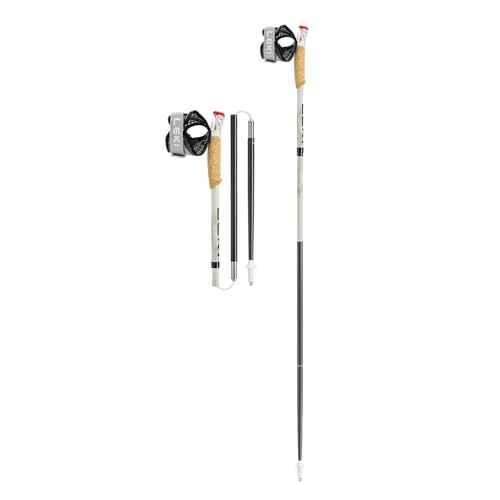
Trekking poles function as vital extensions of your body wear system by transforming two points of contact into a balanced four-point platform. Transferring a portion of downward kinetic energy to your upper body reduces cumulative impact on vulnerable knee joints during steep mountain descents. Extra contact points provide rapid stability corrections when crossing slippery log bridges, swift rivers, or shifting shale fields. Distributing work across the shoulders and chest also preserves leg stamina on long uphill pushes.
Grip ergonomics play a substantial role in preventing hand cramps and blistering hot spots over full days on the trail. Natural cork handles gradually mold to the unique contours of your palms while wicking away sweat during hot summer ascents. Dual-density EVA foam grips offer soft shock attenuation and remain comfortable during damp shoulder-season adventures. Padded wrist straps must be adjusted upward through the bottom opening to transfer body weight directly through the strap rather than requiring a tight death grip.
Shaft materials balance overall swing weight against structural resilience when wedged between unforgiving granite boulders. Durable 7075 aluminum shafts flex and bend under extreme loads rather than snapping abruptly, allowing hikers to bend them back into service. Featherweight carbon fiber models minimize rotational inertia at the wrist, which reduces forearm fatigue across twenty-mile backpacking itineraries. External cam lever locks deliver dependable clamping power that holds fast against downward force, provided tension screws are properly calibrated before departures.
Weather-Specific Wardrobe Adjustments for Variable Terrain
Sun-drenched alpine ridges demand dedicated ultraviolet protection to prevent severe skin burns and energy-sapping heat exhaustion. Lightweight sun hoodies treated with UPF 50 ratings shield your neck and forearms while offering airy ventilation on exposed switchbacks. Broad-brim sun hats or technical ball caps keep glare out of your eyes and shade sensitive facial tissue. Polarized sunglasses protect retinas from intense ultraviolet reflections off granite slabs and late-season snow patches.
High-altitude journeys frequently bring biting winds, sudden drops in mercury, and localized snow squalls even during summer months. Packing a low-profile fleece beanie and lightweight wind-resistant gloves preserves warmth in delicate extremities when summit winds pick up. Insulated packable vests provide core heat retention without adding cumbersome sleeve volume under technical waterproof shells. Hikers should keep these emergency warmth accessories near the very top of their packs for rapid access.
Shedding layers before you start sweating excessively keeps interior garments dry and thermally efficient during strenuous vertical climbs. Adding a windproof shell during short rest breaks prevents rapid evaporative chilling from cooling your core temperature. Listening to subtle thermal signals from your body ensures you maintain peak energy efficiency throughout changing weather fronts. Smart wardrobe pacing prevents the dangerous moisture buildup that precedes hypothermia.
Pack Capacity and Gear Transport Considerations
Determining how to carry spare garments requires matching your clothing bulk to an appropriately sized trail pack. Backpackers balancing airline travel with backcountry access often consult guides on carry on backpack sizing to keep transit gear streamlined. Stowing thermal layers inside lightweight silicone compression sacks protects delicate down feathers from sudden exterior rain squalls. Compact packing habits leave ample internal room for hydration bladders, trail rations, and hardware tools.
Exterior stretch mesh pockets offer the perfect staging area for wet rain jackets, muddy gaiters, or collapsible trekking umbrellas. Keeping foul-weather layers outside the main dry compartment prevents moisture from soaking spare thermal base layers. Hip belt pockets provide convenient storage for lip balm, sunblock sticks, and compact trail snacks that you need on the move. Fast access to protective garments eliminates the need to unpack your entire rucksack whenever cloud cover shifts.
Positioning heavy gear items close to your spine stabilizes your center of gravity across uneven footpaths. Securing loose trekking pole sections to exterior side lash points prevents snagging when traversing thick brush or scrambling rocky ledges. Proper weight distribution prevents shoulder strain and keeps your torso upright for efficient breathing on steep ascents. A balanced pack complements your clothing layers to keep your body agile across diverse trail challenges.
Trailside Care, Fit Verification, and Field Adjustments
Breaking in boots and testing apparel on short neighborhood walks ensures that tension hot spots are discovered before wilderness trips. Re-lacing footwear halfway through your hike compensates for natural sock compression and foot swelling during long mileage days. Utilizing heel-lock lacing patterns secures your heel into the rear cup, eliminating the slippage that generates friction blisters. Loosening midfoot eyelets slightly relieves downward pressure across sensitive upper instep tendons.
Conducting brief hardware checks before steep descents ensures your trekking pole cam levers retain adequate holding tension. Wiping trail dust and moisture off telescoping shaft sections prevents internal slippage when you plant poles on steep downhill drops. Inspecting boot tread lugs for wedged gravel pebbles restores full rubber grip before crossing slippery creek boulders. Consistent micro-adjustments keep your entire gear system operating at peak performance throughout the trek.
Building a complete trail outfit centered on moisture-wicking layers, supportive footwear, and balance hardware prepares you for diverse backcountry environments. Prioritizing breathable synthetics over absorbent cotton preserves core warmth and prevents uncomfortable chafing on demanding ascents. Durable boots with reliable rubber traction give you the physical footing necessary to navigate unpredictable wilderness paths safely. Thoughtful clothing choices ensure that you stay comfortable, confident, and prepared for every mile of your journey.






Write Your Review
No reviews yet. Be the first to share your experience!