


Mountain terrain demands a careful balance between moving fast and carrying enough emergency supplies to handle unexpected trail shifts. Variable elevations expose runners to sudden drops in temperature, rocky ridgelines, and punishing climbs that deplete hydration reservoirs much faster than flat road routes. Understanding what to pack for trail running ensures you stay self-sufficient without burdening your shoulders under excessive pack weight. Choosing dependable technical clothing like breathable layers and lightweight hiking pants for colder conditions helps maintain body temperature while navigating brush or rocky scree.
Every mile out on remote singletrack tests your preparation, from fluid intake and quick caloric replenishment to handling uneven footing on steep descents. Runners frequently struggle with awkward gear bouncing, inadequate fluid capacity, or chafing straps that make long mountain outings miserable. Selecting an ergonomic running pack with balanced front flask pockets and rear compartments allows you to secure essential wind shells, trail hardware, and nutrition securely against your torso. Organizing your gear with streamlined storage solutions keeps every critical item accessible so you can focus entirely on your cadence and foot placement.
Pros
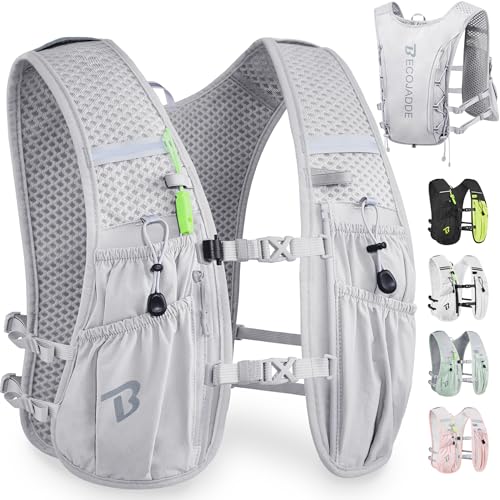
- Exceptionally lightweight at 0.48 pounds, keeping base weight negligible on fast-and-light trail days
- Dual sternum and waist strap configuration minimizes pack bounce across varied running and hiking cadences
- Multi-pocket layout includes a protected waterproof phone pocket and dual rear compartments for separated packing
- Breathable nylon and stretch-mesh construction dries quickly and allows continuous airflow
Cons
- This specific configuration includes only the 5L vest; hydration reservoirs or soft flasks must be purchased separately
- Compact 5-liter capacity restricts gear storage to minimal trail essentials, excluding bulky winter gear
- Frameless vest construction is engineered solely for light loads and will not support heavy trail gear
The BECOJADDE 5L Running Vest is an ultralight, vest-style daypack tailored for trail runners, road joggers, fast hikers, and gravel cyclists who prioritize bounce-free movement. Unlike bulkier traditional daypacks, this vest hugs the upper torso, keeping trail hydration and small personal essentials close to the center of gravity. For fast-paced day hikers tackling short loops or endurance athletes logging trail miles, this pack provides a practical way to carry nutrition and electronics without excess bulk.
Trail usability centers around its compact 5-liter capacity, measured at 14 by 11 inches, combined with a featherweight 0.48-pound chassis. The storage scheme features dual rear zippered compartments that hold a spare windbreaker or compact trail layer, while front pockets organize fuel, keys, and other small essentials. A designated waterproof phone pocket provides dedicated moisture resistance against perspiration and light trail mist, ensuring quick access to navigation without needing to take off the pack.
Material construction relies on premium nylon blended with breathable stretch fabric. The back panel features an open, ventilated mesh design engineered to let air circulate freely during high-exertion workouts. Soft perimeter edging along the armholes and neckline helps guard against chafing during repetitive upper-body motion, making the vest comfortable whether worn over a thin technical tee or directly against a lightweight singlet.
Adjusting the pack for trail stability is handled by sliding chest straps and dual adjustable waist straps. These adjustment points allow hikers and runners to fine-tune harness tension to match their torso shape and layering. The shoulder harness includes integrated securing loops and a dedicated hydration hose clip, keeping water bladder tubes anchored rather than flapping loosely during rapid descents. To clean the pack after sweaty trail efforts, hand washing in cool water and line drying maintains the stretch fabric and webbing integrity.
Prospective buyers should note realistic limitations regarding capacity and configuration. This specific product listing supplies only the standalone 5-liter vest without an included hydration bladder or soft flasks, meaning users must supply their own compatible reservoir. Furthermore, the frameless 5-liter design is purpose-built for light, low-bulk loads; carrying heavy, dense items beyond standard hydration, trail snacks, and lightweight shells will strain the harness and degrade running stability.
Overall, the BECOJADDE 5L Running Vest represents an economical, dependable option for outdoor enthusiasts wanting a dedicated hydration vest for speed-focused day hikes, morning jogging, and endurance training. If you need a minimalist pack that stabilizes essentials, resists chafing, and keeps your gear bounce-free without spending a fortune, this lightweight vest is well worth adding to your trail setup.
The harness system of the BECOJADDE 5L Running Vest uses an ergonomic, wrap-around design intended for both men and women. Fit customization relies on vertical sliding chest straps paired with dual lower waist adjustment straps, giving users the ability to balance tension between the upper chest and midsection.
This dual-strap stabilization system helps distribute the load across the ribcage, substantially reducing the vertical bounce that often occurs with standard daypacks during running or power hiking. Soft perimeter edging along the shoulder harness prevents sharp seam contact against the collarbones and neck during extended movement.
With 5 liters of internal volume, this running vest accommodates the essential gear needed for short-to-medium trail outings. Storage is divided between dual rear zippered compartments for stowing compact outer layers and accessible front pockets for trail gels, bars, and car keys.
A dedicated waterproof phone pocket helps shield delicate electronics from body perspiration and sudden trail showers. While this standalone SKU includes the pack only, it features integrated hydration hose routing loops and a bite-valve tube clip compatible with aftermarket hydration bladders.
Pros
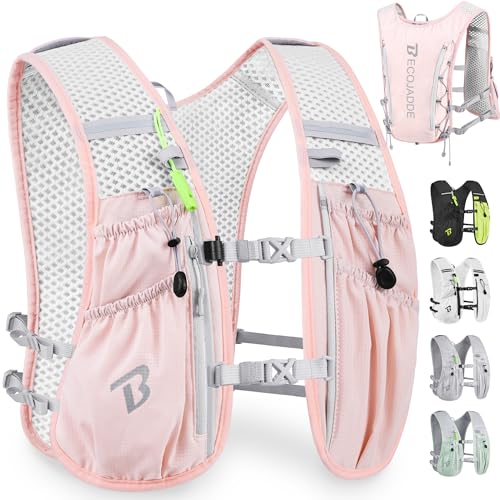
- Ultralight build under half a pound keeps base weight exceptionally low on fast trail outings
- Sliding sternum adjusters and dual waist straps allow quick fit tensioning across varied layers
- Front pocket layout keeps phones, keys, and nutrition accessible without removing the vest
- Ventilated back panel and soft trim help limit heat buildup and rubbing during warm-weather hikes
Cons
- This specific vest configuration does not include a hydration reservoir or soft flasks, which must be purchased separately
- A 5L capacity restricts carrying volume to lightweight essentials, excluding bulky extra layers or technical gear
- Lacks structural frame support, making it unsuitable for heavier loads beyond light trail nutrition and water
The BECOJADDE 5L Hydration Running Vest is a minimalist, body-hugging carry system designed for outdoor enthusiasts who prioritize speed, light weight, and fluid movement. Sized at 5 liters of total capacity, it bridges the gap between a running harness and a compact daypack. It suits fast-moving day hikers, trail runners, mountain bikers, and fitness walkers who only need to carry fluids, a smartphone, trail snacks, and a lightweight shell layer.
On the trail, load stability is handled through an ergonomic harness setup rather than a traditional rigid backpack frame. Dual sliding sternum straps allow vertical positioning across the chest, while lower dual waist straps let you dial in torso tension to prevent vertical and lateral bounce. Because the vest weighs roughly 0.44 to 0.48 pounds and measures 14 by 11 inches, it sits high and flat against the upper back, keeping carried weight centralized and close to your natural center of gravity.
Construction relies on a combination of lightweight nylon and breathable stretch fabric. The back contact area features ventilated open mesh to encourage airflow across your shirt during high-exertion climbs, while soft fabric edging trims the arm openings and collar to prevent abrasive chafing against skin or technical shirts. The rear storage is split into dual zippered compartments suitable for packing a windbreaker or packable rain jacket alongside small trail tools.
Hydration management and pocket accessibility are straightforward. While this specific model variant is sold as the vest alone without a reservoir or soft flasks, the pack is equipped with routing loops and a dedicated hose clip to anchor your drinking tube. Up front, the harness features multiple storage slots, including a dedicated waterproof phone pocket to shield electronics from sweat or light mist, alongside stretch pouches for electrolyte chews and car keys.
Hikers should keep in mind the clear physical limitations of this style of pack. With only 5 liters of volume and an entirely frameless stretch-mesh design, this vest cannot support heavier trail loads, bulky winter layers, or multi-day backpacking gear. Additionally, while the phone compartment is designated as waterproof, the remainder of the pack fabric is breathable and water-resistant rather than fully submersible, meaning sensitive items will require dry bags in sustained downpours.
For day hikers, trail joggers, and warm-weather recreationists looking to stay hydrated without the heft of a traditional daypack, the BECOJADDE 5L Running Vest delivers functional trail organization at an accessible price point. As long as you pair it with your own compatible water bladder or soft flasks, it serves as a lightweight and stable platform for short to mid-distance trail excursions.
The BECOJADDE 5L Running Vest utilizes a multisize-friendly strap system designed to accommodate both men and women during active outdoor use. Rather than relying on fixed-position chest buckles, the front harness features sliding vertical sternum adjusters that slide smoothly up and down the harness piping, allowing users to reposition the tension points away from sensitive chest areas.
Dual lower waist straps allow independent tightening of the bottom portion of the vest, anchoring the pack against the lower ribs to eliminate swaying during rapid descents or jogging strides. The soft fabric edging around the neck and underarms minimizes pressure points and prevents rough edges from digging into shoulders when moving through varied terrain.
This specific product selection includes the 5L vest only and does not come supplied with a water bladder or soft flask bottles. The rear storage compartment is designed to house compatible hydration bladders (such as standard 1.5-liter reservoirs), while the front harness pockets can accommodate standard soft water flasks depending on your preferred fluid distribution.
To support hands-free drinking on the move, the shoulder straps incorporate securing loops and an integrated hose clip. This setup prevents drinking tubes from flapping across your chest or dangling during vigorous movement, ensuring your bite valve remains within easy reach throughout your hike.

Pros
- Exceptional ultralight build at just 0.48 pounds prevents unnecessary pack fatigue
- Dedicated waterproof phone pocket protects delicate electronics from trail spray and sweat
- Dual rear zippered compartments keep extra apparel and snacks secure while moving quickly
- Sliding chest straps and dual waist adjustments provide dependable bounce control
Cons
- This specific vest configuration does not include a hydration bladder or soft flasks
- Tight 5-liter capacity restricts gear storage to minimal layers and essentials
- Snug running-vest harness profile is not designed to fit over bulky winter parkas
The BECOJADDE 5L Hydration Pack is an ultralight running vest and fast-hiking daypack built for endurance athletes, day hikers, and trail runners. Designed to offer streamlined cargo capacity without the bulk of a traditional hiking backpack, this pack suits users who prioritize rapid movement, core hydration access, and lightweight trail essentials. Whether tackling a warm morning run, a mountain trail loop, or a brisk fitness hike, this vest delivers structured carrying capacity in a compact harness format.
Trail usability centers around the pack's minimal 0.48-pound listed weight and 14 by 11-inch footprint. With five liters of internal gear volume, the pack provides enough space for lightweight windshells, nutrition bars, keys, and an aftermarket hydration bladder. To keep loads stable over uneven terrain, the vest utilizes dual sliding sternum straps combined with dual adjustable waist straps. This harness configuration anchors the cargo close to the upper back, which helps eliminate bouncing and shifting during quick ascents or technical trail descents.
Construction features a combination of premium nylon and breathable stretch fabric. The contact surface against the back and shoulders uses a ventilated mesh design aimed at promoting airflow and speeding up drying times during sweaty ascents. Soft fabric edging trims the perimeter of the harness, helping reduce friction and prevent chafing against the neck and underarms. For weather and moisture resistance, the front features a dedicated waterproof phone pocket, keeping sensitive electronics isolated from sweat and sudden trail drizzle, while dual rear zippered compartments hold extra gear securely.
Setting up the pack is straightforward. Hikers can thread their own hydration reservoir hose through the built-in securing loops and secure the bite valve using the integrated shoulder tube clip. Adjusting the fit involves sliding the sternum straps vertically along their guide tracks to align with your chest profile, followed by tensioning the dual side straps. Post-outing maintenance is simple, as the lightweight synthetic fabrics can be hand-rinsed in cool water and hung to dry quickly before the next outing.
While practical for high-output trail activities, this vest has defined limitations. This specific package is the vest-only model, meaning a hydration reservoir or front soft flasks must be purchased separately. Furthermore, the 5-liter volume strictly accommodates minimalist gear, leaving no room for bulky insulated jackets, camp cooksets, or multi-day hiking equipment. The streamlined vest cut also means fit is optimized for athletic apparel rather than thick cold-weather layering.
For hikers, runners, and outdoor athletes looking for an affordable, bounce-resistant vest that carries just the essentials, the BECOJADDE 5L Running Pack represents a dependable value. It delivers excellent ventilation, an ultralight trail feel, and practical pocket isolation for fast-and-light adventures.
The BECOJADDE 5L running vest utilizes a multi-pocket design structured to keep personal items accessible and organized while in motion. The front of the harness features a dedicated waterproof phone pocket that protects touchscreens and electronic devices from body sweat and rain spray during intense trail efforts.
On the back of the vest, dual rear zippered compartments provide separate storage spaces for packable layers, energy bars, lightweight gloves, or trail maps. This partitioned arrangement prevents stored clothing from getting tangled with snacks or keys, ensuring you can access your mid-layer without unpacking your entire kit.
Active load stabilization on the BECOJADDE 5L vest relies on an ergonomic harness equipped with vertically sliding chest straps and dual adjustable waist straps. This multi-point adjustment system lets hikers and runners customize both sternum tension and torso compression to match their body profile.
By securing the lower perimeter and upper chest independently, the vest minimizes vertical bounce and side-to-side sway on aggressive trails. Soft perimeter binding along the armholes and neckline helps guard against chafing, even when the harness is tightened firmly against technical running shirts.
Essential Gear and Packing Strategies for Trail Running
Packing for off-road running requires a systematic strategy tailored to trail distance, elevation gain, and changing weather patterns. Urban runs allow easy bailouts, but remote mountain routes demand total self-reliance across hours of variable terrain. A successful run depends on balancing low carried weight with non-negotiable safety tools, hydration gear, and nutrition. Establishing a structured packing list prevents costly trail oversights while keeping your overall load light and agile.
The Core Trail Running Packing Architecture
Trail safety guidelines divide running gear into three functional tiers: essential survival items, active trail nutrition and hydration, and seasonal weather layers. Essential equipment includes a basic emergency kit, charged navigation tools, an emergency foil blanket, and a small whistle. Active items encompass immediate hydration reservoirs, electrolyte sources, and easily digested calories stored in reachable front pouches. Seasonal items include packable windproof outer shells, thermal gloves, and headlamps for runs extending into low light.
Short recreational trail outings under five miles might only require handheld water bottles and a house key tucked into a waistband. Once outings exceed ninety minutes or climb into remote mountain territory, carrying a dedicated running vest becomes indispensable. Remote wilderness runs introduce steep topography, slower paces, and prolonged gaps between potential rescue points. Designing your packing list around environmental remoteness ensures you carry the exact resources required for changing trail conditions.
Hydration Planning and Fluid Capacity
Water requirements on technical terrain depend heavily on ambient heat, sun exposure, exertion levels, and the distance between natural refill stations. Experienced trail athletes generally target consuming between sixteen and twenty-eight ounces of fluid per hour of continuous movement. Relying on inadequate hydration rapidly degrades aerobic endurance, impairs muscle coordination, and increases the likelihood of stumbling on roots or loose rocks. Planning adequate capacity before you depart eliminates the dangerous gamble of running dry between trailheads.
Runners generally choose between chest-mounted soft flasks and rear hydration bladders based on trip duration and refilling convenience. Front-mounted soft flasks allow quick refilling at mountain streams and offer easy monitoring of remaining fluid levels throughout your workout. Hydration bladders housed in the rear compartment carry higher volumes for arid backcountry loops where water sources are nonexistent. Combining both methods provides a versatile dual-reservoir configuration, letting you dedicate front bottles to electrolyte drinks while reserving rear water for plain hydration.
Pack options such as the BECOJADDE Running Vest for Women Men provide multiple configurations to match these distinct fluid strategies. The five-liter pack platform accommodates either two 500-milliliter soft water bottles weighing approximately 0.12 pounds or a dedicated 1.5-liter hydration bladder weighing 0.27 pounds. For extended wilderness outings demanding higher fluid reserves, the six-liter vest version supports a two-liter hydration bladder weighing 0.32 pounds. Having targeted bladder and flask compatibility ensures you carry appropriate hydration volume without wasting space on empty reservoir bulk.
Running Vest Ergonomics and Bounce Elimination
Pack stability represents one of the most critical factors influencing comfort and running economy over uneven trail surfaces. A poorly fitting vest shifts rhythmically with every stride, creating severe chafing along the collarbones, ribs, and lower back. Modern running packs utilize anatomic vest cuts that distribute equipment weight evenly across the torso rather than dangling load from traditional shoulder straps. Keeping dense gear centered closely against the body prevents energy leakage and maintains natural biomechanical running form.
Adjustable strap assemblies play an essential role in customizing fit across different body shapes and fluctuating pack weights. The BECOJADDE Running Vest for Women Men incorporates sliding chest straps alongside dual adjustable waist straps to lock the load securely in place. An integrated tube clip and securing loops keep hydration hoses firmly pinned against the chest harness to stop distracting movement. As hydration bladders empty throughout a run, tightening these sliding chest straps maintains firm tension and eliminates excess internal volume.
Material construction determines how well a running pack manages heat dissipation and moisture buildup during demanding ascents. Packs crafted from premium nylon and breathable stretch fabrics conform to thoracic expansion while venting perspiration rapidly. Soft perimeter edging along the armholes and neck opening prevents friction hot spots when running in thin sleeveless jerseys. Quick-drying ventilated mesh back panels facilitate continuous airflow, cooling core body temperature during intense mountain workouts.
Caloric Fueling and Smart Pocket Organization
Maintaining glycogen reserves requires consuming between two hundred and three hundred calories per hour during extended trail efforts. Technical singletrack makes chewing solid foods challenging, leading most runners to prioritize energy gels, chew blocks, and liquid carbohydrates. Salty snacks such as pretzels, candied ginger, or nut butter pouches help offset sensory palate fatigue on outings stretching beyond three hours. Carrying a diverse assortment of carbohydrate sources ensures reliable digestion when high-intensity climbing suppresses appetite.
Strategic pocket layout dictates how efficiently you can access nutrition without breaking stride on technical trail segments. Quick-access front elastic pockets on shoulder harnesses provide optimal storage for wrappers, energy chews, and electrolyte salt capsules. Separating trash from unopened nutrition into dedicated stash pockets keeps your gear organized and prevents accidental littering in pristine wilderness areas. Placing heavy food items low and close to the chest center stabilizes pack equilibrium over rocks and switchbacks.
Weather Layering and Protective Apparel
High-altitude trail environments frequently present abrupt temperature drops, driving rains, and intense ridge winds that threaten runner safety. Carrying an ultralight windbreaker or waterproof breathable jacket protects your core from dangerous wind chill during exposed mountain traverses. Compact shells made from high-tenacity ripstop nylon pack down to the size of an apple, sliding effortlessly into small compartments. Adding lightweight thermal gloves and a breathable buff provides critical warmth when summit winds drop air temperatures unexpectedly.
Dividing wet gear from dry electronics requires specialized compartment management inside your running vest. The BECOJADDE Running Vest for Women Men features dual rear zippered compartments specifically sized to store spare apparel, wind jackets, and headwear securely. A dedicated waterproof phone pocket isolates delicate navigation devices and electronics from driving rain and heavy body perspiration. Packing your layers cleanly in zippered compartments keeps protective outerwear dry until foul weather rolls over the ridgeline.
Evaluating your clothing volume helps you decide whether a compact running vest or a larger daypack best suits the objective. While five-liter vests handle lightweight rain shells, bulkier cold-weather gear might prompt runners to review a carry-on backpack volume guide to understand how different liter capacities translate to trail packing. Choosing pack volume based on necessary thermal bulk prevents runners from overstuffing compact vests past their zipper seams. Compact efficiency remains paramount, ensuring that every piece of packed clothing serves a defined survival or comfort purpose.
Integrating Trail Running Poles and Hardware
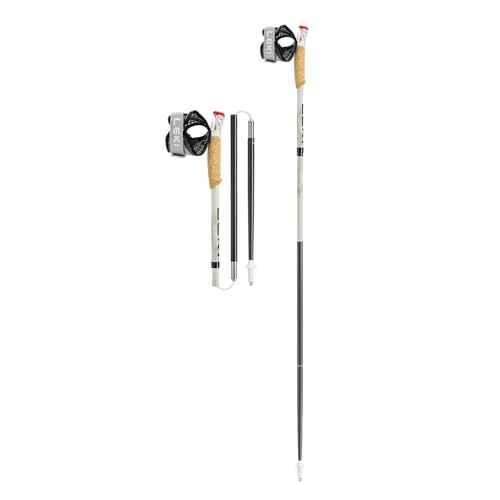
Trekking poles provide immense biomechanical advantages when navigating steep alpine gradients, loose scree, and technical mountain passes. Using poles redistributes significant workload from the quadriceps and calves into the upper torso and shoulders during grueling sustained ascents. On technical downhill sections, poles establish dependable third and fourth points of ground contact, stabilizing balance and mitigating knee joint stress. Trail runners frequently rely on folding Z-pole designs that collapse down into three compact sections for rapid stowing.
Shaft material selection heavily influences swing weight dynamics and long-term durability when moving fast over rocky terrain. Ultralight carbon fiber shafts dampen trail vibrations and deliver the lowest swing weight, reducing arm fatigue over high-mileage mountain days. High-grade 7075 aluminum shafts provide superior shear resistance against bending or snapping if a pole tip wedges between jagged boulders. Ergonomic grips crafted from closed-cell EVA foam or natural cork manage palm sweat effectively, minimizing hot spots and friction blisters during hours of continuous pole planting.
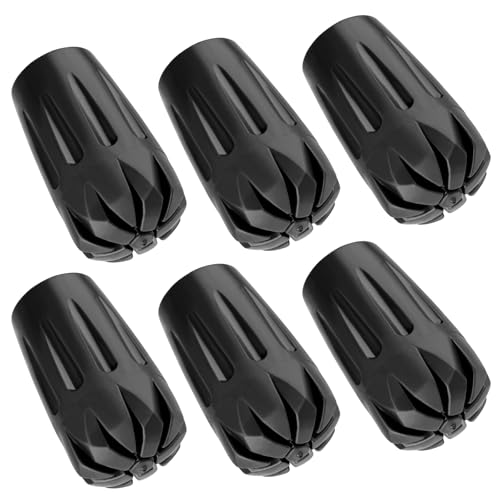
Stowing poles efficiently when transitioning from steep climbs to flat, runnable singletrack prevents cumbersome hand fatigue. Many running vests feature external bungee attachment loops or quiver sleeves that secure collapsed poles across the lower back or chest harness. Carbide flex tips grip tenaciously into slick mud, granite slabs, and packed dirt, while removable rubber tips provide traction on road approaches. Verifying that your pole sections collapse smoothly and secure firmly against your pack prevents distracting shaft rattle while sprinting down hills.
Emergency Essentials and Wilderness Navigation
Venturing past maintained park perimeters necessitates packing emergency tools capable of handling sudden twists, sprains, or route finding errors. A minimalist trail first aid kit should include elastic cohesive bandages, antiseptic wipes, blister prevention tape, and essential electrolyte tablets. An ultralight mylar emergency space blanket takes up minimal space while offering life-saving heat retention if an injury halts forward movement. Carrying an integrated rescue whistle on your chest strap allows you to signal audibly across canyons in dense fog.
Reliable navigation requires redundancy, especially in wilderness zones with sparse trail markers and absent cellular coverage. GPS running watches offer convenient turn-by-turn tracking, but cold weather and extended hours can drain rechargeable battery cells rapidly. Carrying a smartphone loaded with downloaded offline topographic maps in a protective waterproof pocket provides an essential secondary navigation backup. A compact backup battery and charging cable ensure continuous power on remote mountain loops where a missed junction can lead miles off course.
Footwear, Traction, and Blister Prevention
Foot care directly determines whether an ambitious backcountry run succeeds or ends in debilitating pain. Trail running socks constructed from synthetic merino wool blends transport sweat away from the skin while cushioning vulnerable heel and forefoot zones. Applying anti-chafing balm or pre-taping known friction spots before putting on shoes prevents debilitating shear blisters on rocky descents. Packing a small strip of cohesive tape in your pack pocket allows quick field interventions the moment a hot spot emerges.
Traction requirements shift dramatically when running across muddy switchbacks, loose talus, or early-season alpine snowfields. Trail running shoes featuring deep multidirectional lugs bite securely into wet soil, preventing dangerous slips on exposed contours. When tackling lingering snowpack or icy ridgelines, packing compact slip-on traction cleats ensures stable footing across frozen trail corridors. Keeping small gaiters fastened over shoe collars seals out irritating trail grit, pine needles, and sharp pebbles that cause sudden abrasive hot spots.
Optimizing Pack Volume and Gear Distribution
Selecting appropriate vest capacity hinges on matching storage volume to specific trail duration and gear requirements. Running vests in the five-liter to six-liter range provide the ideal sweet spot for outings lasting between two and six hours. For runners comparing lightweight daypack options for extended wilderness hiking, exploring budget trail backpacks highlights the distinction between high-volume hiking packs and form-fitting running vests. A form-fitting running pack hugs the ribs tightly, prioritizing bounce reduction over high cargo capacity.
The 5L version of the BECOJADDE running pack measures 14 by 11 inches and weighs only 0.48 pounds, creating a minimalist silhouette for fast pacing. The expanded 6L model measures 16.5 by 11.4 inches and weighs 0.54 pounds, yielding supplementary rear volume for extra warm layers. Distributing heavy fluid bladders and hard gear close to your spine keeps your center of gravity aligned with natural running mechanics. Organizing loose items into rear zippered compartments prevents bouncing and preserves effortless balance through sharp turns and steep drop-offs.
Pre-Run Verification and Trail Readiness
Conducting a thorough gear check before heading away from the trailhead prevents avoidable mechanical issues and frustrating trail stops. Fill your hydration reservoirs completely, bleed trapped air from bladders to eliminate sloshing noises, and inspect hose bite valves for secure seals. Jump lightly in place next to your vehicle to identify any loose gear rattling, loose straps, or bouncing items requiring tension adjustments. Taking five minutes to verify your packing configuration ensures a safe, confident, and uninterrupted adventure across every mountain mile.






Write Your Review
No reviews yet. Be the first to share your experience!