


Technical mountain trails often transition quickly between gentle inclines and steep boulder fields that demand completely free hands. Scrambling up exposed granite or grabbing hold of steel cables becomes risky when you are awkwardly clutching two poles in one fist. Learning how to secure trekking poles to backpack setups prevents sudden shaft snagging against low tree branches while keeping your center of balance stable. Proper external mounting also protects the shafts from severe lateral shear stress if you slip on talus.
Many modern packs feature integrated lower tool loops, but minimalist bags or rugged internal frame hiking backpacks often lack dedicated pole retention cords. Utilizing universal bungee cord ties and locking buckles allows hikers to mount folding Z-poles or telescoping aluminum sticks securely without awkward gear rattling. By fastening both the upper grip and the lower basket section, you distribute equipment weight evenly across your pack body. This approach keeps sharp carbide tips safely stowed away from exposed legs and nearby hiking companions.

Pros
- Ultralight listed package weight of roughly 0.022 pounds keeps pack weight down.
- Four-piece bundle provides versatile placement options across one or two backpacks.
- Sliding buckle mechanism adjusts quickly to secure poles of different diameters.
- Inexpensive upgrade for daypacks and hiking bags lacking factory pole attachment hardware.
Cons
- Requires existing webbing, daisy chains, or anchor points on your backpack to secure the cord.
- Elastic cord can lose tension over time if exposed to repeated heavy snagging or over-stretching.
- Not engineered or rated for technical climbing protection, heavy axes, or high-load carrying.
The Marsrut 4-Piece Trekking Pole Holder set is an aftermarket external attachment accessory designed for hikers, backpackers, and travelers who need a secure way to stow trekking poles or walking sticks on their packs. Many daypacks and minimalist backpacking bags omit dedicated pole attachment bungees to reduce production costs or maintain clean exterior profiles. This four-piece kit bridges that gap by providing standalone, adjustable elastic cord ties that attach to existing exterior anchor points.
On the trail, managing trekking poles during scrambles, stream crossings, or flat access walks requires a dependable hands-free storage method. These holders measure 20.3 cm (8 inches) in length and feature a slide-lock plastic buckle. When anchored through an exterior loop or compression strap on your pack, the elastic cord wraps around the pole shaft, allowing the buckle to slide forward and clamp the shaft tightly against the pack body. At an ultra-low total weight of approximately 0.022 pounds, this accessory adds no noticeable load to your setup.
The build centers around resilient elastic cord paired with molded plastic locking buckles. The cord provides enough elasticity to hold poles firmly without slippage, while the plastic friction hardware bites into the cord to prevent unwanted loosening during motion. While this hardware is engineered for light-duty tensioning rather than heavy load-bearing support, it offers dependable day-to-day security for standard aluminum or carbon fiber trekking poles, canes, and lightweight accessories like compact umbrellas.
Setup is straightforward and tool-free. To attach a pole, you thread the cord loop through a backpack daisy chain, shoulder harness loop, or side compression strap, insert the pole shaft into the open loop, and cinch the buckle down. Cleaning and maintaining these straps is simple: they can be rinsed with clear water to remove trail dust or grit from the buckle mechanism and air-dried before storage. Having four straps in the package means you can equip two attachment points on two separate packs or keep spares in a repair kit.
Prospective buyers should note realistic limitations regarding compatibility and load capacity. These holders do not create attachment loops out of thin air; your backpack must already feature some form of external webbing, loop, or strap to anchor the cord. Furthermore, these elastic cords are intended strictly for secondary retention of walking poles and umbrellas, not for technical mountaineering ice tools, heavy tools, or safety-critical climbing hardware.
For day hikers, section backpackers, and outdoor enthusiasts seeking an affordable, lightweight method to add pole-carrying functionality to an existing backpack, the Marsrut 4-Piece Trekking Pole Holder set offers practical value and effortless utility.
The Marsrut trekking pole straps are designed specifically to interface with backpacks that feature external attachment hardware such as daisy chains, ice-axe loops, trekking pole tip retainers, or side compression straps. At an 8-inch (20.3 cm) overall length, the cord provides ample reach to loop around common trekking pole diameters, walking stick shafts, and compact accessories.
Because these straps function as an upper or mid-shaft stabilizer, they work best when paired with a lower loop or side bottle pocket to cradle the pole tips. Confirming that your daypack or multi-day backpack has accessible webbing loops or strap anchor points will ensure smooth installation and optimal stability on the trail.
The holders combine resilient elastic shock cord with durable molded plastic slide buckles. The plastic components are designed to resist outdoor exposure and maintain friction against the cord during normal trail vibration, preventing poles from shifting while you walk.
To maintain peak function, keep the plastic sliding mechanisms clean of mud, sand, and fine trail dirt. Rinsing them periodically in lukewarm water and allowing the elastic to dry away from direct high heat or prolonged UV exposure will help maintain cord elasticity and long-term grip strength.

Pros
- Generous 8-pack bundle lets you outfit multiple hiking daypacks or keep spares in your gear bin
- Glove-friendly buckle mechanism allows quick one-handed securing and release of trekking poles
- Elastic bungee cord maintains steady tension around gear shafts to minimize annoying trail wobble
- Tool-free lashing setup mounts effortlessly to standard pack straps, daisy chains, or webbing loops
Cons
- Fixed 7.68-inch length limits use on larger tools or thick bundle diameters
- Requires existing webbing, loops, or daisy chains on your backpack to anchor properly
- Elastic cord and PP plastic buckles can show wear or lose elasticity after prolonged outdoor exposure
The Xinjoduz 8-Pack Hiking Stick Holders are external gear-attachment accessories designed for hikers, backpackers, and campers who need to lash poles or slender gear directly to their packs. Many daypacks and overnight packs lack dedicated pole loops or feature worn-out attachment points, making these elastic fasteners an accessible upgrade for managing loose trail gear.
When navigating rough scrambles or sections where hands need to be free, hiking poles can become cumbersome if not secured properly. These 7.68-inch bungee fasteners anchor poles against your pack body, shoulder straps, or hip belt webbing, helping to eliminate annoying swaying and snagging against branches. The design also works well for stabilizing compact camera tripods or walking canes, keeping your hands unburdened without having to dig inside your main backpack compartment.
Each strap combines a durable rubber elastic cord with a solid polypropylene (PP) buckle. The elastic core provides continuous clamping tension around gear shafts of varying diameters, preventing items from slipping down while hiking. Meanwhile, the lightweight PP buckle holds the loop firmly without adding noticeable weight to your overall gear setup, offering dependable retention across diverse trail environments.
Installing these fasteners requires no tools or sewing, making them easy to loop through daisy chains, compression strap webbing, or shoulder harness attachment points. The buckle and cord-lock system supports quick adjustment and one-handed operation, which is particularly helpful when wearing gloves in chilly morning conditions. Maintenance is minimal, requiring only a quick rinse with clean water to remove mud, trail grit, or sand.
While practical for standard trekking poles, these holders measure 7.68 inches in total length, meaning they cannot wrap around bulky gear like rolled sleeping pads, oversized tent poles, or wide camp axes. Furthermore, they depend on your backpack having suitable attachment points such as webbing straps, MOLLE loops, or lash tabs. Because plastic hardware and elastic rubber degrade over extended sun and moisture exposure, hikers should periodically check the cord tension before heading out on multi-day routes.
For day hikers, weekend backpackers, and outdoor photographers needing a simple gear-retention solution, the Xinjoduz 8-pack delivers strong utility. With four color options and eight separate fasteners, it is a smart addition to any gear closet for organizing external backpack gear.
Mounting Requirements: These fasteners require existing anchor points on your backpack, such as daisy chains, compression straps, shoulder-harness webbing, or side loops. They do not attach to flat, featureless fabric panels without an anchor loop.
Gear Sizing: At 7.68 inches in length, these bungee cords are optimized for standard trekking poles, walking sticks, collapsible canes, and slim camera tripods. They are not intended for large shelter bundles, bear canisters, or wide foam pads.
Cord Construction: Built with a rubber elastic core that stretches to accommodate varying shaft thicknesses while maintaining continuous clamping pressure.
Buckle Hardware: Features solid polypropylene (PP) plastic clips engineered for one-handed release and glove-friendly operation in cool outdoor weather.
Methods for Securing Trekking Poles to Any Backpack
Fastening hiking sticks firmly to your rucksack requires a balanced attachment system that prevents wobbling while protecting delicate gear components. When navigating rocky ridgelines or overgrown bushwhacks, loose gear protruding from your pack presents a constant snagging hazard. Understanding how to secure trekking poles to backpack frames or external daisy chains ensures your hands stay free without sacrificing trail mobility. A dependable mounting setup maintains two distinct points of contact, keeping the shafts snug against the pack body.
The Mechanics of Stable Pole Retention
Securing external equipment requires managing rotational momentum and dynamic movement as you walk. A single attachment strap allows long shafts to swing like pendulums, repeatedly striking your legs or shifting your pack center of gravity. Dual-point stabilization anchors the lower section near the base of the bag and captures the upper section near the top lid. This dual anchoring prevents pole shafts from levering away from the pack fabric when you take large uphill strides or duck beneath fallen timber.
Weight balance plays a substantial role in maintaining hiking comfort over high-mileage days. Stowing poles on one side of a rucksack without offsetting the load can cause uneven shoulder strap tension and premature back fatigue. When carrying poles externally, aligning them vertically along the pack spine or distributing one pole on each side preserves neutral balance. Balanced rigging also minimizes unnecessary torque on pack seams and external daisy chain stitching over rough mountain terrain.
Shaft protection is equally vital when mounting poles to the exterior of your pack. Ultralight carbon fiber composite shafts resist downward vertical compression exceptionally well, but they remain vulnerable to sharp lateral impacts. Aluminum shafts constructed from 7075 or 6061 alloys tolerate surface scraping better than carbon fiber, yet they can still bend if wedged against granite slabs. Securing shafts flush against your pack padding cushions them against accidental drops when resting your rucksack on rocky terrain.
Step-by-Step Attachment Using Built-In Tool Loops
Standard mountain backpacks frequently feature woven webbing loops positioned at the bottom corners of the main body. Before initiating the mounting process, collapse your telescoping shafts completely by releasing the external cam lever locks and sliding each segment together. Tighten the lever lock tension dials slightly so the sections do not slide open under trail vibration. For folding Z-poles, break down the segmented sections and fold them into their compact three-part configuration.
Slide the collapsed pole tips downward through the bottom webbing loop until the mud or snow baskets pass completely through the opening. Once the basket clears the loop, rotate the pole shaft upward by 180 degrees so the handle faces toward the pack lid. This half-turn twists the bottom webbing loop around the shaft, creating a secure cradle that prevents the carbide tip from sliding backward out of the loop. The mud basket acts as an integrated mechanical stop that holds the base firmly in place.
After locking the lower tips into place, secure the upper shaft sections against the upper pack body. Locate the upper elastic bungee cord or side compression strap and route it around both pole shafts just beneath the handle grips. Cinch the strap buckle down firmly until there is zero side-to-side play in the poles. Always give the poles a gentle tug before setting off down the trail to ensure the tension holds under motion.
Installing Universal Elastic Cord Lanyards and Buckles
Many modern minimalist daypacks do not come equipped with dedicated ice axe or pole loops. Aftermarket mounting accessories solve this problem by providing modular shock cord fasteners that install directly onto existing pack webbing. Hardware like the 4pcs Climbing Stick Holder utilizes tough elastic ropes paired with solid plastic buckles designed to loop through pack daisy chains without tools. These compact bungee lanyards stretch around variable shaft diameters, holding equipment tightly during dynamic movement.
To install modular elastic cord fasteners, thread the cord loop through any accessible pack attachment point, such as side webbing or front accessory loops. Pull the plastic fixing buckle through the cord loop to create a girth hitch around the backpack anchor point. This knot forms a secure foundation that will not slide down the webbing strap when subjected to repeated footsteps. Repeat this installation process for a second loop positioned approximately eight to twelve inches higher on the pack body.
Multi-piece hardware kits offer broad versatility across diverse outdoor carry systems. The 8 Pack Backpack Hiking Stick Holders provides eight individual cord fasteners crafted from durable rubber elastic ropes and polypropylene buckles. Having multiple lanyards permits mounting poles simultaneously across main bags, side pouches, or waist belt loops without shifting hardware between different packs. The one-hand operable slide buckles allow rapid cord tightening, making adjustments straightforward even while wearing cold-weather hiking gloves.
Fine-tuning the cord tension ensures your poles stay planted without overstressing the elastic core. Slide the spring-loaded or cam-style buckle down along the dual cord strands until the rubberized cord firmly pinches the shafts. Avoid over-stretching the bungee past its functional limit, as excessive stretching can degrade internal elastic strands over time. A snug, resilient hold provides sufficient shock dampening to absorb trail footsteps while keeping your trekking hardware silent.
Tip Orientation and Trail Safety Considerations
The orientation of your trekking pole tips carries serious safety implications for both you and your hiking group. Positioning sharp carbide flex tips pointing upward toward the sky creates an immediate puncture hazard for anyone walking closely behind you on steep switchbacks. Pointing tips downward keeps the sharp metal hardware positioned safely near the pack base, well below head and chest level. This downward orientation also keeps wet mud and trail debris away from your pack lid and shoulder harness.
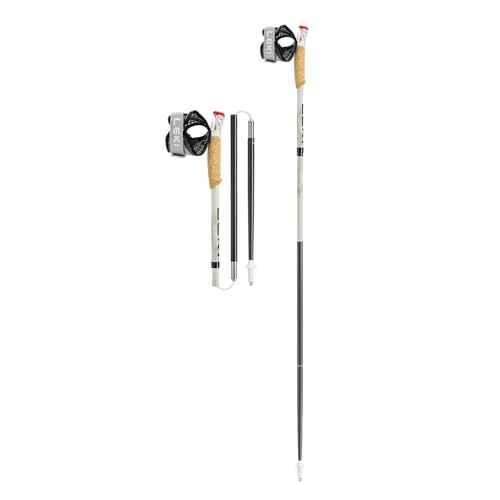
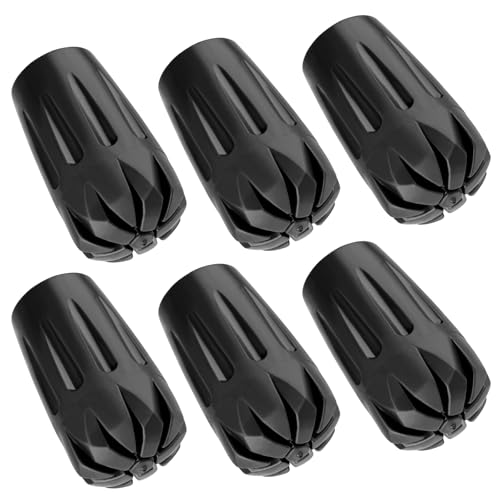
Exposed tungsten carbide tips can easily puncture lightweight ripstop nylon or tear delicate stretch mesh pockets. Installing removable rubber road tips or protective storage caps over the carbide points before stowing them on your pack neutralizes this abrasive hazard. Rubber boots also deaden metallic clicking noises if the pole tips make contact with other external gear, like water bottles or tent poles. If you frequently traverse rocky riverbeds or paved road walks, keeping rubber boots mounted during stowed transport saves pack fabrics from unnecessary abrasion.
Trekking pole baskets serve an essential secondary role during external pack mounting. Threaded mud baskets or wide powder snow discs prevent the pole shafts from slipping through webbing loops or bungee lanyards. Check that your baskets are screwed on tightly before mounting the poles to prevent them from loosening and falling off along the trail. If your poles use friction-fit baskets, verify that they are pressed past the retention ridges so they stay seated against the lower shaft sleeve.
Side Pocket Compression vs Rear Panel Mounting
Side pocket stowing remains one of the most reliable external carry techniques for recreational day hikers and long-distance backpackers alike. Sliding the lower pole ends into a reinforced side bottle sleeve encapsulates the carbide tips, eliminating the chance of accidental snagging on low branches. Many hikers using budget hiking backpacks take advantage of deep side water bottle pockets to anchor the lower half of their pole shafts. You can then wrap the upper side compression strap around the grips to lock the poles vertically against the pack side panel.
Rear panel mounting provides an excellent alternative when side water bottle pockets are already occupied by hydration flasks or tent poles. Fastening poles across the front or back face of your rucksack utilizes central daisy chains, shock cord cross-lacing, or ice axe loops. Mounting poles flat against the pack body keeps the lateral width of your pack slim, which helps considerably when squeezing through dense thickets or narrow canyon slots. Keep the poles centered along the pack spine to avoid pulling your center of mass backward.
On-the-go retention loops offer rapid pole storage without requiring you to unbuckle and remove your backpack. Some modern packs feature an elastic underarm loop paired with a shoulder strap bungee hook. You simply pass the collapsed poles beneath your arm, hook the lower baskets into the hip loop, and cinch the handle cords to the chest harness. While convenient for brief flat trail stretches, this quick-stow method offers less stability on technical scrambles than standard rear or side compression rigging.
Securing Folding Z-Poles Versus Telescoping Shafts
Telescoping poles and folding Z-poles feature different folded architectures that affect how they seat against pack frames. Telescoping models collapse into three nesting concentric tubes, resulting in a single rigid cylinder measuring between twenty-four and twenty-seven inches. Because telescoping shafts remain completely rigid when collapsed, they align neatly against vertical pack side compression webbing. Make sure external cam locks are fully closed after collapsing the poles so the lever clamps do not catch on low branches or rock faces.
Folding Z-poles disconnect into three distinct sections linked by an internal Kevlar or steel tension cord, collapsing down to fifteen to eighteen inches. Because folded Z-poles form a bundle of three parallel shafts, they require broader strap cradles or wide bungee loops to secure properly. Wrapping an integrated velcro cinch strap around the folded segments keeps the tubes from clattering against each other while walking. Their compact length also makes it possible to stash them horizontally across the bottom pack loops or inside front stretch shove-it pockets.
Packed dimensions also influence your gear strategy when traveling to distant trailheads by air or public transit. Familiarizing yourself with carry on backpack volume guidelines ensures your pack and stowed hiking hardware match transport restrictions before you arrive at the airport terminal. Because airline security rules generally prohibit sharp carbide trekking pole tips in passenger cabins, understanding how to lash collapsed poles tightly inside or outside checked duffels prevents transit damage.
Troubleshooting Loose Straps and Pole Bounce on Rough Terrain
Audible shaft rattling or excessive equipment bounce indicates that your retention system lacks sufficient tension or proper anchor spacing. When pole shafts shift noticeably during downhill steps, check whether the upper strap is positioned too low along the shaft. Moving the upper bungee cord closer to the grip maximizes leverage, preventing the top-heavy handle from swinging outward. If the lower shaft slips sideways, consider adding an extra half-twist through the bottom attachment loop to tighten the cradle.
Shock cords can experience gradual elastic fatigue over extended seasons of exposure to sun, rain, and repeated stretching. If your bungee ties begin slipping through buckle teeth or fail to rebound fully, inspecting the internal rubber strands is essential. Tying a simple overhand stopper knot behind the sliding buckle provides temporary mechanical slip resistance if the buckle clamp loosens on rough terrain. Replacing tired shock cords with fresh modular bungee fasteners restores reliable holding power for demanding backcountry journeys.
Sub-freezing temperatures introduce unique challenges for external gear retention systems. Elastic shock cord stiffens in severe cold, and plastic buckles can become brittle if struck forcefully against granite boulders. Operating fasteners while wearing thick insulated gloves requires wide buckle tabs and smooth cord locks that release without delicate finger manipulation. Always clear accumulated snow and ice from buckle tracks before clamping them down to prevent unexpected releases on winter mountain trails.
Routine Inspection and Practical Trail Care
Maintaining your pack attachment hardware takes only a few minutes but prevents costly gear loss in the backcountry. Periodically inspect the stitching where daisy chains and bottom tool loops attach to your pack seams. Loose threads or fabric fraying should be addressed promptly before mounting heavy four-season poles. Check that plastic cord buckles, snap hooks, and bungee cords show no visible hairline fractures or sun degradation before setting off on remote wilderness itineraries.
After completing wet hikes or crossing deep streams, remove your trekking poles from the backpack exterior before storing your gear at home. Moisture trapped between collapsed aluminum shaft sections can lead to oxidation and stuck lock collars, while damp bungee cords can harbor mildew against pack fabrics. Wipe down the bare pole shafts, allow the pack straps to air dry completely, and inspect the carbide tips for rock wear. Proper stowing habits protect your equipment, ensuring your hiking poles remain dependable partners on every trail adventure.






Write Your Review
No reviews yet. Be the first to share your experience!