


Starting along a steep mountain trail requires more than just comfortable sneakers and enthusiasm. Understanding what do people wear for hiking makes the difference between an invigorating day in nature and an uncomfortable, sweat-soaked ordeal. Trail veterans rely on a deliberate system of technical garments designed to regulate core body temperature, manage perspiration, and protect against sudden weather shifts. Pairing moisture-wicking shirts with durable trail-ready hiking pants ensures you stay mobile and shielded from rough brush. When you dress correctly for changing elevations, your clothes work quietly in the background so you can focus on the scenery.
Many new adventurers assume standard cotton gym clothes are fine for a day hike, but everyday cotton absorbs sweat and holds it against your skin. Technical trail apparel utilizes moisture-wicking synthetics and lightweight merino wool that pull sweat outward so it can evaporate quickly. Outer layers like windbreakers and packable rain shells provide dependable protection against cutting ridge winds and sudden alpine squalls. Equipping yourself with ergonomic footwear, blister-resistant socks, and protective sun accessories keeps friction points minimal and energy levels high. By learning the fundamental principles of trail layering, you can build an adaptable wardrobe that keeps you safe and comfortable across every season.

Pros
- Spacious wide toe box allows toes to spread naturally without pinching
- Textured rubber outsole delivers dependable grip across wet surfaces and hard terrain
- Lightweight, flexible build is simple to slip on, adjust, and pack for camping trips
- Breathable knitted upper and removable honeycomb insole help keep feet ventilated
Cons
- Zero-drop minimalist sole provides minimal cushioning and rock protection on technical, jagged mountain trails
- Flexible knit upper does not provide rigid ankle support or defense against thick brush
- Water-shoe construction is designed for warm-weather and wet use rather than cold or freezing alpine environments
The Scurtain Wide Width Barefoot Water Hiking Shoes serve as hybrid barefoot footwear engineered for water hiking, casual day walking, and campsite comfort. Designed with an extra-wide toe box, a zero-drop profile, and a soft knitted upper, this unisex model is aimed at outdoor enthusiasts, travelers, and walkers who require pressure relief across the forefoot. Backpackers and campers frequently seek out flexible, low-profile shoes like these to serve as packable camp shoes or dedicated stream-crossing footwear, while day hikers can use them for warm-weather beach and river trails.
On the trail, the barefoot feel and zero-drop design emphasize ground feedback and natural foot biomechanics by keeping the heel and forefoot level. For light hiking, shoreline trekking, and creek crossings, the non-slip rubber outsole is built to offer dependable friction on slick rocks, wet riverbanks, and hard-packed paths. The wide toe box provides ample room for natural toe splay, which helps prevent side chafing during repetitive walking strides. Because the knit upper is flexible and soft, it accommodates natural foot movement without pressing against bunions or sensitive nerve areas.
Construction centers on a lightweight rubber outsole paired with a flexible textile knit upper. To help maintain foot comfort during extended wear, the shoe features a removable honeycomb insole structured to encourage airflow and reduce internal moisture buildup and odors. The closure mechanism utilizes a low-profile slip-on collar coupled with an adjustable strap, allowing wearers to snug down the midfoot securely without fussing with traditional laces that might come undone in water.
For hikers managing gear organization, the flexible materials compress down easily, making the pair convenient to slide into external backpack pockets or clip onto gear loops when heading to camp. Getting in and out of the shoes is straightforward thanks to the slip-on design and top strap adjustment. Maintenance is similarly simple: the removable honeycomb insole can be pulled out between uses, allowing both the insole and the quick-drying knit upper to air out thoroughly after exposure to river water or ocean spray.
Despite their traction and wide-fit comfort, these minimalist shoes have clear operational limits. The ultra-thin, zero-drop sole lacks the thick rock plates, stiff shanks, and dense midsole foam required for rugged mountain trails with sharp scree or heavy multi-day loads. Furthermore, the knit upper offers no rigid ankle structure or abrasion-resistant armor against thorny trail undergrowth, and the permeable build is strictly suitable for warm-weather conditions rather than cold mountain streams.
Hikers looking for a lightweight, packable camp shoe, an easy water-crossing shoe, or a comfortable wide-toe-box walking sneaker will find solid value in the Scurtain barefoot design. They are particularly well suited for individuals managing bunions, neuropathy, or wider foot shapes who want a flexible slip-on shoe for light trails, beach walks, and post-hike relaxation. Those tackling technical alpine passes or carrying heavy packs, however, should keep these reserved for campsite recovery and water crossings alongside their dedicated hiking boots.
The Scurtain water hiking shoes feature an extra-wide toe box paired with a unisex sizing profile, listed as 10 Wide Women and 8.5 Wide Men in Black. The design intentionally eliminates tight lateral pinch points to accommodate foot conditions such as bunions, diabetic swelling, and neuropathy.
An integrated adjustable strap over the instep allows wearers to fine-tune the midfoot hold, while the slip-on collar accommodates different foot shapes without requiring traditional lacing adjustments.
Backpackers often look for secondary footwear that can handle creek crossings during the day and provide foot relief around the campsite at night. The lightweight and flexible profile of these shoes makes them easy to lash to the outside of a backpack or pack into a side sleeve without adding excessive bulk.
The non-slip rubber tread gives hikers reliable footing on slick river rocks, wet boat ramps, and muddy lakeshores, while the zero-drop platform allows tired feet to relax in a natural posture after hours spent inside stiff hiking boots.
The Complete Trail Layering and Apparel System Explained
Knowing what do people wear for hiking starts with recognizing that outdoor apparel functions as a unified protective system rather than separate casual garments. Hikers wear specialized clothing to handle external weather conditions like wind and rain while regulating internal body heat. Every garment in your kit must balance moisture transport, thermal insulation, and physical abrasion resistance. Dressing properly prevents rapid chilling during summit pauses and eliminates painful friction across long trail miles.
The Three-Layer Architecture: Managing Sweat and Mountain Weather
The foundation of outdoor dressing is the classic three-part layering system. This modular strategy uses three distinct garment tiers that work together to maintain a stable microclimate next to your skin. The base layer manages sweat, the mid-layer traps warmth, and the outer shell seals out wind and precipitation. Separating these tasks allows you to adapt quickly to changing physical exertion and sudden weather transitions.
Hikers generate significant metabolic heat and moisture while climbing steep trails. If that perspiration remains trapped against your torso, it rapidly conducts body heat away once you stop moving, leading to severe post-ascent shivering. Adding or shedding individual pieces throughout the day prevents overheating on climbs and avoids chilling during ridge breaks. A modular system ensures you never carry excess bulk while remaining prepared for unpredictable mountain forecasts.
Relying on a single heavy jacket is one of the most frequent beginner mistakes on the trail. Heavy winter coats often cause hikers to sweat excessively during physical exertion, which dampens inner garments and destroys their insulating value. Once wet, an all-in-one coat cannot be adjusted without exposing you completely to freezing gusts. Dividing your thermal needs into independent, packable layers provides precise climate control across every mile.
Next-to-Skin Base Layers: Synthetic Fabrics Versus Natural Merino Wool
Your base layer sits directly against your skin, making moisture transfer its primary operational goal. These garments rely on capillary action to pull sweat away from your pores and push it toward the fabric surface where it evaporates. A high-performance base layer should feel soft, fit close to your torso without constricting movement, and dry rapidly. Selecting the right textile composition for this first layer determines the overall comfort of your entire outfit.
Synthetic base layers made from polyester and nylon blends offer exceptional durability and rapid drying times. Hydrophobic synthetic fibers do not absorb moisture directly into their core, allowing them to wick perspiration away quickly during high-output scrambles. These garments are lightweight, highly resistant to tearing, and generally accessible for casual trail users. However, synthetic yarns can harbor body odors over multi-day backpacking trips unless treated with specialized antimicrobial finishes.
Merino wool represents the premier natural alternative for next-to-skin trail performance. The ultra-fine fibers buffer moisture vapor before it turns into liquid sweat, maintaining comfortable thermal regulation across hot afternoons and chilly mornings. Merino wool also possesses inherent antimicrobial properties that naturally resist odor buildup over consecutive days of trekking. While it dries slightly slower than pure polyester, its comfortable feel and temperature versatility make it a reliable hiker favorite.
Hikers avoid cotton because standard cotton fibers hold up to twenty-seven times their dry weight in water. When you wear a standard cotton t-shirt or denim jeans, sweat soaks into the cellulose fibers and stays there. Saturated cotton loses all insulating properties and conducts heat away from your core roughly twenty-five times faster than air. In cool winds or sudden rain squalls, damp cotton creates a serious hypothermia risk even in moderate temperatures.
Mid-Layers and Active Insulation: Trapping Heat Without Trapping Moisture
The secondary tier of your trail wardrobe focuses on trapping the warm air generated by your working muscles. An effective mid-layer creates dead air space around your torso while allowing moisture vapor from your base layer to pass freely outward. Hikers select different mid-layer weights depending on ambient temperature, wind exposure, and metabolic output. Finding the balance between thermal efficiency and continuous airflow keeps you moving without clamminess.
Fleece jackets and technical grid fleece pullovers serve as dependable active mid-layers. Knitted polyester fleece continues to insulate effectively even if damp, and its porous construction breathes exceptionally well during strenuous uphill pushes. Grid fleece designs use alternating channels of raised loft and recessed woven fabric to dump excess body heat during movement while trapping warmth beneath a shell. Fleece garments are rugged, easy to wash, and highly resilient against friction from heavy pack straps.
For colder conditions or rest periods at wind-scoured summits, lightweight packable puffy jackets provide unmatched warmth-to-weight performance. High-loft natural down compresses into minimal pack volume, delivering superior insulation in dry, cold environments. Synthetic insulated jackets mimic down cluster architecture using continuous-filament polyester that maintains loft and heat retention in damp air. Hikers typically pack their puffy jackets away during active climbs and pull them on immediately upon pausing to preserve body heat.
Outer Weather Shells: Balancing Waterproof Protection and Breathability
Your outer shell acts as the frontline defensive barrier against biting mountain gusts, sustained rainfall, and abrasive trail debris. Even the warmest mid-layer loses its insulating value instantly if powerful ridge winds penetrate the knit and sweep warm air away. A durable wind shell or waterproof rain jacket seals your microclimate, preventing convective heat loss and shielding you from precipitation. Choosing the appropriate shell depends heavily on expected weather severity and trail duration.
Modern technical rain jackets feature microporous membranes laminated beneath a protective face fabric treated with a durable water repellent coating. This construction prevents liquid water droplets from penetrating inward while permitting microscopic sweat vapor molecules to escape. If dirt, body oils, or prolonged downpours overwhelm the surface coating, the face fabric wets out, trapping perspiration inside and creating a cold, clammy feeling. Regular laundering and gentle heat reactivation keep the membrane breathing effectively.
Mechanical ventilation features provide critical airflow control when steep elevation gains outpace fabric breathability. Underarm pit zips, two-way front zippers, and mesh-backed torso pockets allow hikers to dump massive amounts of heat without removing their protective shell. Opening mechanical vents prevents excessive internal condensation that can drench your inner garments from the inside. Savvy backpackers utilize these venting options proactively as soon as their exertion levels rise.
Trail Bottoms: Choosing Between Technical Pants, Leggings, and Shorts
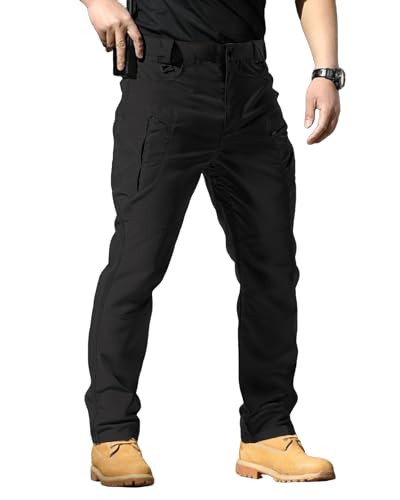
Selecting the right bottoms requires balancing free leg mobility, temperature control, and physical protection from rough terrain. Many day hikers venture out in standard gym shorts, which offer excellent breathability on hot, groomed trails but leave bare legs vulnerable to stinging nettles, ticks, and thorns. Dedicated lightweight hiking pants made from stretch-woven nylon provide full leg coverage while maintaining breathable comfort under direct sunlight. These purpose-built trousers guard your skin against abrasive rock scrambles without weighing down your stride.
Quality hiking pants incorporate ergonomic design features specifically engineered for steep ascents and natural movement. Articulated knee patterning and gusseted crotches eliminate restrictive fabric tension when taking tall steps up boulder fields. Flat, low-profile waistbands ensure that heavy backpack hip belts do not press painful hardware into your hips over long miles. Reinforced seat and knee panels add crucial longevity against friction when taking trailside breaks on rough granite.
Hiking leggings and convertible zip-off pants present versatile alternatives for variable backcountry days. Technical trail tights crafted from dense synthetic weaves offer compressive support, zero flapping fabric in windy corridors, and deep thigh pockets for quick trail navigation. Convertible pants allow you to transition from protective full-length trousers to breezy shorts in seconds as afternoon temperatures climb. Hikers should ensure their chosen bottoms feature flatlock stitching across high-friction areas to prevent painful inner-thigh chafing.
Footwear and Sock Mechanics: Preventing Blisters and Protecting Foot Health
Foot comfort dictates trail endurance more than almost any other clothing choice in your kit. Technical hiking socks crafted from merino wool and synthetic elastane blends provide targeted cushioning beneath your heel and metatarsal bones. Dense wool loops cushion repeated ground impacts while pulling sweat away from your skin to prevent friction hotspots. Hikers should avoid plain cotton athletic socks, as moisture-saturated cotton bunching inside shoes quickly leads to painful blister formation.
Trail footwear continues to evolve from rigid, heavy leather hiking boots toward flexible, lightweight walking shoes. While rugged mountaineering boots remain essential for technical off-trail expeditions and heavy load hauling, many modern hikers favor natural foot movement and agile traction on established paths. Minimalist footwear designs allow natural toe splay, helping your foot muscles engage dynamically with varied outdoor terrain. Selecting footwear with reliable rubber grip and flexible construction helps maintain stable balance across wet rocks and gravel paths.
Options like the Wide Width Shoes for Women Summer Spring Beach from Scurtain highlight how barefoot-inspired footwear principles can benefit casual light hiking and warm-weather trail walking. The manufacturer designs these shoes with an extra wide toe box and flexible knitted upper, allowing natural toe splay and eliminating pressure points. Their lightweight zero drop sole promotes a natural ground connection, while the nonslip rubber outsole delivers dependable grip across outdoor paths and camp environments. A removable honeycomb insole enhances airflow to reduce sweating and odor during extended walking sessions.
Managing internal foot moisture is critical to preventing blisters and long-term joint fatigue. Scurtain integrates a breathable knitted upper and odor-reducing insole architecture in their walking shoes, which can help your feet stay dry during summer outings and light trail walks. Adjustable strap closures allow you to dial in a secure fit that prevents your foot from sliding forward on moderate descents. Pairing breathable, anatomical footwear with moisture-wicking wool trail socks creates an ideal defense against hot spots.
Essential Trail Accessories: Sun Defense, Extremity Warmth, and Bug Coverage
Technical accessories round out your trail wardrobe by protecting sensitive extremities from relentless environmental exposure. Lightweight sun hoodies with certified ultraviolet protection ratings and crossover hoods shield your neck and ears without frequent sunscreen reapplication. Wide-brimmed hats and lightweight trail caps keep blinding glare out of your eyes and shield your scalp from burning midday rays. A versatile tubular neck gaiter functions as a dust mask on dry fire roads, an ear warmer in cold breezes, or a cooling towel when dipped in cold mountain streams.
Carrying compact extremity insulation in your pack provides an indispensable safety margin when evening temperatures plummet unexpectedly. A lightweight merino wool or fleece beanie weighs only a couple of ounces but prevents substantial heat loss from your head during summit breaks. Breathable liner gloves protect your fingers from biting ridge winds and shield your palms from rough abrasive rock scrambles. These low-bulk accessories transform a chilly, uncomfortable descent into a safe and manageable hike.
Common Dressing Mistakes That Lead to Chafing, Dampness, and Trail Fatigue
One of the most widespread errors among beginner hikers is overdressing at the trailhead on cool mornings. Walking vigorously uphill generates significant metabolic heat within the first ten minutes, quickly drenching heavy starting layers in sweat. Experienced hikers practice being comfortably cool at the vehicle, knowing their working muscles will warm their core rapidly once they start climbing. Shedding an outer mid-layer before you begin actively perspiring keeps your base garments dry and functional for the entire day.
Undergarment selection causes immense discomfort if overlooked during trail preparation. Wearing conventional cotton briefs or underwear with thick, raised seams produces intense skin chafing across the groin and inner thighs over repeated hiking strides. Hikers should choose seamless synthetic or merino wool boxer briefs and athletic sports bras with flatlock stitching that lies completely flat against the skin. Ensuring that waistbands and strap placements do not overlap directly beneath loaded backpack straps prevents painful raw spots.
Failing to pack emergency weather protection based on sunny morning trailhead conditions leaves hikers dangerously vulnerable to mountain squalls. Alpine and backcountry environments generate abrupt localized storms that can drop temperatures by twenty degrees within minutes. Leaving your waterproof shell or warm mid-layer behind to save minimal pack weight invites rapid hypothermia if rain strikes miles from the trailhead. Carrying compact weather insurance in your pack ensures that shifting mountain forecasts never catch you unprepared.
Adapting Your Clothing Kit for Changing Elevations and Temperatures
Mastering outdoor clothing requires active, continuous management of your layers as trail elevations and exertion levels fluctuate. As you climb higher into exposed terrain, ambient temperatures drop roughly three to five degrees for every thousand feet of vertical gain. Pausing momentarily to adjust zippers, push up sleeves, or pull on a wind shell keeps your core temperature balanced within a narrow comfort zone. Managing your layers proactively saves physical energy over a long mountain itinerary.
Before stepping onto the trail, always verify your layering components against the local weather forecast and specific trail terrain. Ensure your garments offer full range of motion, seamless skin contact, and appropriate protection from wetness, wind, and sun. Choosing moisture-wicking technical fabrics, comfortable anatomical footwear, and modular insulating shells gives you the confidence to explore any trail safely. With an adaptable clothing system in place, you can comfortably enjoy the wilderness in any season.


Write Your Review
No reviews yet. Be the first to share your experience!