


Regulating core body temperature while moving uphill is one of the most critical challenges on any outdoor excursion. Hikers frequently battle fluctuating trail conditions where steep climbs generate heavy perspiration, followed quickly by biting summit winds that cause sudden chills. Knowing what clothes to wear for hiking makes the difference between staying energized and suffering from rapid convective cooling or painful skin chafing. Selecting garments engineered with moisture-wicking synthetics or resilient natural fibers ensures your apparel works with your body instead of fighting against it.
Many trail beginners struggle with common pitfalls like wearing moisture-trapping cotton or layering heavy casual outerwear that traps clammy condensation. Pairing breathable tops with functional bottoms like lightweight hiking pants allows your skin to breathe while shielding your legs from trail debris and abrasive brush. Modern technical fabrics rely on hydrophobic yarns and strategic stretch blends to provide freedom of movement across changing elevations. Understanding how each layer interacts helps you stay comfortable, dry, and protected across unpredictable backcountry terrain.

Pros
- Soft brushed fleece interior provides immediate thermal warmth on frosty morning trails
- Wide 5.3-inch waistband stays securely anchored without sliding down beneath a pack's hip belt
- Flexible 4-way stretch knit allows full range of motion for hiking, biking, and trail walking
- Opaque fabric blend maintains dependable coverage without turning sheer during active movement
Cons
- Generous stretch means hikers wanting a snug, compressive fit must size down from their standard size
- Dense fleece lining can quickly become uncomfortably warm during high-intensity climbs in mild temperatures
- Features no external drop-in pockets or zippered compartments for storing trail essentials
The CAMPSNAIL Fleece Lined Thermal Leggings serve as an insulated activewear option designed for women tackling chilly day hikes, winter trail walks, outdoor workouts, or cold-weather travel. Built with a thick brushed fleece interior in classic black and sized in Medium, these leggings function effectively as either standalone trail tights in crisp temperatures or as an insulating base layer beneath shell pants in harsh winter environments.
Constructed from a dense blend of 92% polyester and 8% spandex, the fabric delivers responsive four-way stretch to support natural stepping, stepping over trail obstacles, and continuous movement. The fleece interior traps body heat close to the skin, helping shield legs against cold winds and brisk air. Because the textile is woven to remain completely non-see-through, hikers can move confidently during deep knee bends or steep uphill strides without concerns about fabric transparency.
Keeping bottoms from sliding down during a hike is essential, especially when wearing a pack, and CAMPSNAIL addresses this with a broad 5.3-inch high-rise waistband. The flat waistband helps keep the core covered and prevents the fabric from rolling down, slipping, or bunching up as you walk. This smooth, high profile also rests flat across the lower back and hips, reducing potential pressure points under casual daypack straps or hip-belt webbing.
Dialing in the correct fit requires attention to the fabric's high degree of elasticity. The manufacturer notes that the material runs very stretchy across its Small through plus XX-Large sizing, advising anyone who prefers a firm, body-hugging fit to choose one size smaller than usual. For ongoing trail maintenance between weekend adventures, the synthetic knit is designed to retain its original shape and resist pilling through regular machine washing.
While these leggings excel at thermal insulation for cold outings, they have distinct functional boundaries for technical trail use. The thick fleece interior makes them too warm for moderate temperatures or fast-paced ascents where excessive sweat buildup could occur. Additionally, the clean athleisure layout includes no side drop-in or zippered pockets, meaning items like a phone, compass, or energy bar must be carried in a backpack or jacket.
For winter day hikers, trail walkers, and outdoor enthusiasts looking for an accessible, warm bottom layer, the CAMPSNAIL Fleece Lined Leggings offer solid thermal comfort and flexible movement. As long as users account for the stretchy fit profile and plan their gear storage around a pack rather than built-in pockets, these leggings serve as a dependable, budget-friendly foundation for cold-weather adventures.
CAMPSNAIL thermal leggings incorporate substantial 4-way stretch across their available size range of Small to XX-Large. The manufacturer explicitly advises that hikers desiring a firm, supportive fit against the body should select one size smaller than their usual size due to the generous elasticity of the polyester-spandex fabric. The 5.3-inch high waistband provides broad coverage over the abdomen and hips, anchoring the leggings securely in place to minimize fabric shifting during active outdoor strides.
The leggings feature a 92% polyester and 8% spandex outer shell backed by a thick, brushed fleece interior. This synthetic knit traps warm air against the skin to help maintain comfort in chilly and freezing conditions while allowing adequate breathability for moderate trail exertion. The resilient fabric construction is engineered to resist pilling, deformation, and losing elasticity after regular laundry cycles, ensuring steady thermal performance throughout the winter months.
Building an Effective Layering System for Trail Performance
Selecting appropriate outdoor clothing requires understanding how separate garments function together as an integrated microclimate around your body. Instead of relying on a single bulky jacket or casual everyday clothes, experienced wilderness travelers use a modular three-part layering system. This approach divides your clothing into next-to-skin moisture managers, insulating mid layers, and weather-defending outer shells. Mastering this setup ensures you can quickly adapt to steep physical ascents, sudden temperature plunges, and unpredictable precipitation without breaking stride.
Next-to-Skin Base Layers and Moisture Management
A technical base layer serves as the foundation of your trail clothing system by managing sweat before it accumulates on the surface of your skin. When hiking uphill, your body produces liquid perspiration that rapidly cools your skin through evaporation once you stop moving. High-performance base layers rely on capillary action to transport perspiration away from your pores toward the outer surface of the fabric, where it evaporates efficiently. Keeping this moisture away from your body prevents the dangerous rapid cooling known as the post-ascent chill.
Synthetic fabrics like polyester and nylon dominate the technical base layer category because of their hydrophobic nature and exceptional dry times. These synthetic fibers do not absorb water into their internal cell structures; instead, moisture clings to the yarn exterior and spreads over a wide surface area for rapid evaporation. In cooler shoulder seasons or multi-day backpacking trips, merino wool offers a natural alternative that buffers moisture while retaining insulating capacity even when damp. Merino fibers also feature natural antimicrobial properties that resist persistent odor over consecutive days of backcountry travel.
Every hiker should strictly avoid wearing traditional cotton garments on the trail. Cotton fibers are hydrophilic, absorbing up to twenty-seven times their weight in water and holding moisture directly against your warm skin. Once cotton saturates, its thermal conductivity increases exponentially, pulling vital core heat away from your body at a rapid rate. In cold or windy weather, damp cotton clothing creates severe hypothermia hazards that can turn a simple day trek into a medical emergency.
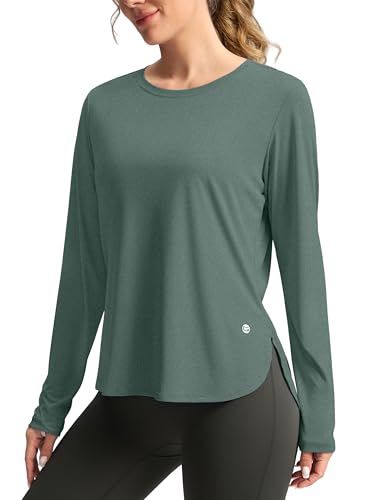
Seam architecture also plays a significant role in base layer comfort, particularly across high-friction zones like the shoulders, chest, and hips. Quality trail tops feature flatlock seams that sit flush against your skin rather than raised overlock stitches that dig into tissue under loaded backpack straps. Offset shoulder seams further prevent pressure points by shifting stitching away from the direct contact line of your pack harness. Choosing tops with ergonomic athletic cuts minimizes excess fabric bunching, ensuring continuous skin contact for seamless sweat transfer.
Active and Static Mid Layers for Thermal Regulation
The primary function of a mid layer is trapping warm air generated by your body while remaining breathable enough to release excess heat and vapor during exertion. Hikers generally divide mid layers into active insulation pieces designed for movement and static insulation pieces intended for stationary rest stops. Active mid layers, such as lightweight fleece jackets or air-permeable synthetic tops, feature open-knit constructions that permit steady airflow while taking the edge off cool morning breezes. This balance allows you to climb ridgelines without overheating or soaking your base layer from the inside.
Classic grid fleece jackets remain a trail favorite because their alternating channels of high-loft fleece and thin mesh facilitate optimal moisture venting. When you hike at a brisk pace, ambient air moves through the thin grid channels to flush out humid air before it condenses. At the same time, the raised fleece grids trap dead air within their brushed fibers to maintain core warmth. This dual-action design provides an impressive warmth-to-weight ratio that compresses easily into your daypack when temperatures rise.
Static insulation garments, including packable down jackets and high-loft synthetic puffy coats, provide vital warmth when you halt your trek at exposed summits or campsites. Down insulation offers unmatched compressibility and warmth-to-weight efficiency, making it the premier choice for dry alpine environments. Synthetic insulation, composed of polyester filaments designed to mimic down clusters, excels in damp environments because its fibers resist moisture collapse and continue trapping heat even in humid air. Packing a reliable puffy coat in your backpack ensures you have an immediate thermal buffer as soon as your physical exertion stops.
Outer Shells and Weather Protection
Outer shells provide the critical barrier between your insulating layers and harsh environmental elements like driving rain, sleet, and gale-force winds. A high-quality rain jacket relies on a specialized waterproof-breathable membrane that blocks external liquid precipitation while allowing internal moisture vapor molecules to escape. Modern technical shells feature either 2.5-layer or 3-layer constructions, where the membrane is bonded to a protective face fabric and an interior backer. Without a dependable shell in your pack, high winds can strip away the warm microclimate created by your mid layers, accelerating hypothermia.
The durable water repellent (DWR) coating applied to the outer face fabric is vital for maintaining a shell’s breathable performance. When DWR functions properly, precipitation beads up and rolls off the garment surface without soaking into the weave. If the DWR finish wears away from abrasion or dirt buildup, the outer fabric saturates in a process known as wetting out. Wetting out does not mean the waterproof membrane is leaking, but the saturated face fabric blocks water vapor from escaping, causing sweat to condense inside the jacket until you feel damp and clammy.
Mechanical ventilation features are essential for dumping heat during strenuous climbs when ambient humidity or heavy rain overwhelms the membrane’s vapor transmission rate. Deep underarm zippers, commonly known as pit zips, allow hikers to create direct airflow through the jacket without exposing their core to falling rain. Mesh-lined hand pockets and two-way front zippers offer additional ventilation pathways that can be deployed quickly on steep ascents. Relying solely on fabric breathability during hard uphill pushes often leads to internal saturation, making mechanical venting your best defense against sweating out your shell.
Lower Body Apparel: Technical Hiking Pants Versus Trail Leggings
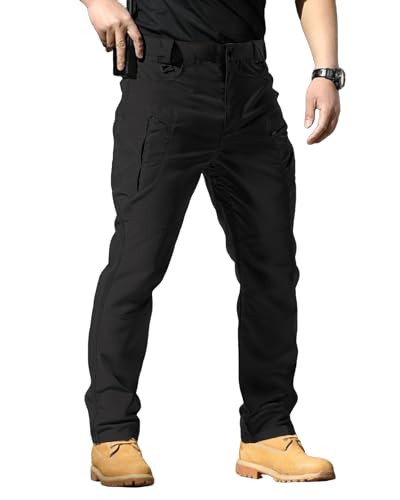
Lower body trail garments face rigorous demands, including friction from scrambling over rocks, brush snags, and continuous leg articulation over thousands of vertical feet. Many hikers debate whether to choose traditional woven hiking pants or flexible athletic leggings for their trail outings. Standard trail trousers constructed from ripstop nylon offer superior abrasion resistance and protection against thorny vegetation, making them ideal for rugged terrain. Pairing durable tops with specialized trail-ready hiking pants ensures your lower body remains shielded against trail scrapes while offering practical cargo pocket storage.
For cooler weather and groomed trail conditions, thermal leggings have become an increasingly popular option due to their unrestricted range of motion and comfort. Options such as Fleece Lined Leggings Women highlight how stretch-engineered thermal bottoms perform on cold-weather hikes. Featuring a thick fleece interior designed to trap body heat, these leggings offer a blend of 92% polyester and 8% spandex that moves smoothly with your stride. The polyester content ensures rapid moisture wicking away from working leg muscles, while the spandex provides responsive four-way stretch across steep trail steps.
Waistband design is a critical detail when selecting trail leggings, as poorly designed bands tend to roll down or create uncomfortable pressure under loaded backpack hip belts. The Fleece Lined Leggings Women address this issue with a wide 5.3-inch high-rise waistband engineered to sit smoothly against the torso without slipping during continuous movement. When wearing leggings under a backpack, flat seams and non-slip waistbands prevent friction blisters and chafing across your pelvic crest. Hikers looking for a snug, supportive fit often choose a smaller size than usual to account for the generous four-way stretch of the synthetic fabric.
While thermal leggings excel in cold temperatures, high-output running, and casual trail walking, hikers venturing into overgrown backcountry areas often benefit from protective hiking pants made from woven nylon. Thermal knit leggings lack the puncture resistance of tightly woven pants, making them more vulnerable to snagging on sharp briars or abrasive granite slabs. Layering waterproof rain pants over thermal leggings during sudden storms provides an effective modular solution that delivers both flexible warmth and complete rain defense. Evaluating your specific terrain and trail conditions helps you decide whether flexible fleece tights or rugged trail trousers are the right choice for the day.
Trail Socks and Blister Mitigation Dynamics
Footwear comfort on the trail depends heavily on the socks you choose, as socks represent the direct interface between your skin and your hiking boots or trail runners. Saturated skin softens through a process known as maceration, dramatically increasing its vulnerability to friction blisters, hot spots, and painful skin tears. Technical hiking socks engineered with high-density merino wool or specialized polyester knits pull perspiration away from your soles and disperse it upward toward the sock cuff. This moisture transfer keeps your feet dry and preserves skin integrity across long, demanding mileage.
Merino wool remains the benchmark material for hiking socks because its resilient crimped fibers retain cushioning elasticity under continuous pack weight. Unlike synthetic yarns that can flatten out after hours of trail pounding, merino wool maintains its structural springiness to absorb ground impact. In addition, wool fibers naturally resist odor-causing bacteria, which is invaluable on multi-day backpacking trips where laundering gear in camp is impractical. Many premium trail socks blend merino wool with nylon and elastane to reinforce high-wear areas like the heel and toe box while maintaining a secure, non-slip fit.
Never wear cheap cotton athletic socks on a hike. Cotton absorbs sweat like a sponge, quickly creating a damp, abrasive environment inside your footwear that promotes rapid blister formation. Once soaked, cotton fibers lose all cushioning loft and turn into coarse, abrasive fabric that rubs against your heels and toes with every step. Investing in dedicated moisture-wicking trail socks is one of the most cost-effective ways to ensure a comfortable and pain-free outdoor experience.
Sun Hoodies and Technical Trail Accessories
Protecting your skin from solar radiation is just as critical as shielding it from cold and rain, especially when trekking along exposed ridges, high-altitude passes, or desert washes. Long-sleeve technical sun hoodies have quickly become a staple for warm-weather hikers seeking full-coverage ultraviolet protection without the sticky mess of repeatedly applying sunscreen. These garments are constructed from lightweight synthetic knits featuring certified UPF sun protection ratings that physically block both UVA and UVB rays. The integrated crossover hood shields your neck, ears, and temples from intense solar radiation while fitting comfortably beneath a trail cap.
In addition to tops and bottoms, specialized trail accessories provide versatile micro-adjustments for shifting ambient conditions. Wide-brim hats and lightweight runner caps protect your eyes and facial skin from glare, reducing eye strain and heat fatigue during long sun-exposed treks. Seamless microfiber neck gaiters can be worn around the throat for sun coverage, dipped in cold alpine streams for rapid evaporative cooling, or pulled over the face to filter dust and wind. Packing these compact accessories in an accessible pocket gives you immediate protection against changing trail exposures.
Field Layering Strategies for Changing Elevations
Putting your clothing system into practice requires active management rather than passively waiting until you feel drenched in sweat or shivering from cold. One of the most effective trail rules is to start your hike feeling boldly cool, meaning you begin your trek wearing only a base layer even if the trailhead air feels brisk. Within ten minutes of continuous uphill walking, your leg and core muscles will generate substantial heat, bringing you to an ideal thermal balance without triggering heavy perspiration. Hikers who start out bundled in heavy jackets invariably overheat early, drenching their base layers in sweat.
Proactively managing your layers before entering different trail environments prevents severe discomfort and unnecessary gear adjustments. As you approach an exposed, windy ridge or prepare to take a summit rest break, pause momentarily to pull on your wind shell or static puffy jacket before your body cools down. Adding an insulating layer while your core is still warm traps your residual body heat, preventing sudden convective chilling from brisk alpine gusts. Once you prepare to resume hiking, pack the insulation away before your muscles generate fresh heat.
Adjusting mechanical venting features on the fly allows you to fine-tune your body temperature without stopping to remove garments. Unzipping your collar, rolling up your sleeves, loosening cuff closures, and opening underarm pit zips creates immediate airflow that vents excess heat during steep trail sections. Conversely, sealing your cuffs, cinching your hem drawcord, and pulling up your hood instantly traps warm air when descending into shady ravines or facing sudden temperature drops. Developing the habit of making small venting adjustments keeps your core temperature stable throughout the day.
Technical Garment Maintenance and Fabric Longevity
Proper maintenance is essential for preserving the technical performance, stretch recovery, and weather resistance of your hiking garments over years of trail use. Synthetic trail fabrics and thermal garments like fleece-lined leggings require gentle laundering to prevent heat damage to delicate elastane fibers. Washing your apparel in cold water on a gentle cycle using mild liquid detergents removes accumulated sweat salts, skin oils, and trail grime without leaving residue. You should always avoid using standard fabric softeners, as they deposit a waxy silicone coating onto fibers that clogs fabric pores and permanently ruins moisture-wicking capillary action.
Drying technical clothing requires careful attention to temperature settings, as excessive heat can melt fine synthetic yarns or destroy the elasticity of spandex blends. Whenever possible, air dry your hiking apparel on a flat rack or clothesline away from direct radiant heat sources. If using a clothes dryer, select a low-heat or delicate cycle to protect the structural integrity of your garments. For fleece-lined pieces, gentle drying prevents the brushed thermal interior from clumping or pilling, ensuring it continues to trap insulating air pockets effectively.
Restoring water-repellent finishes on technical rain shells involves periodic washing followed by controlled heat reactivation. Over time, trail dirt, campfire smoke, and skin oils mask the DWR coating on your jacket, causing the face fabric to wet out in the rain. Washing your shell with a specialized technical wash detergent cleans the porous membrane without stripping protective coatings. Placing the clean, dry jacket into a warm tumble dryer for twenty minutes reactivates the hydrophobic fluoropolymer chains, restoring surface water beading so precipitation rolls off effortlessly on your next rainy hike.
Assembling the right trail clothing system is ultimately about combining versatile, moisture-managing fabrics that adapt seamlessly to your specific trail conditions and hiking pace. By investing in reliable synthetic or merino wool base layers, packing adaptable mid-layer insulation, and carrying a dependable weather shell, you can step onto any trail with complete confidence in your personal comfort and safety. Take time to evaluate your local weather forecast, terrain difficulty, and personal exertion levels before each trip, and adjust your layering choices to ensure a dry, rewarding backcountry adventure.


Write Your Review
No reviews yet. Be the first to share your experience!