


Regulating core body temperature during steep elevation gains requires apparel that adapts to shifting output levels and unpredictable weather. Hikers frequently struggle with moisture buildup under heavy backpacks, where sweat-soaked fabric leads to painful chafing and sudden shivering once trail breezes hit exposed ridges. Knowing what clothes are good for hiking transforms backcountry safety and all-day comfort by prioritizing functional synthetic textiles and breathable natural fibers over moisture-trapping casual wear. A dependable layering framework prevents dangerous heat loss while maintaining freedom of movement across rocky switchbacks.
Standard everyday garments often fail on rugged paths because casual cotton fibers absorb perspiration, collapse when damp, and drastically slow down evaporative drying. Pairing a moisture-wicking sun shirt with trail mobility hiking pants creates a protective baseline against harsh solar exposure, stinging brush, and sudden wind chills. Technical garments incorporate specialized features such as flatlock seams, UPF sun ratings, and mechanical ventilation that support active exertion without adding unnecessary pack weight. Building an adaptable kit ensures you stay dry, agile, and prepared across diverse mountain terrains.
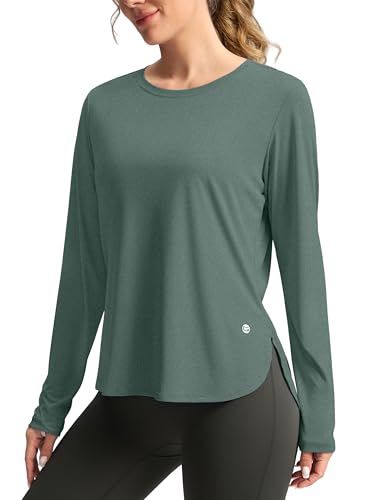
Pros
- UPF 50+ fabric provides continuous physical sun defense for open-terrain hiking.
- Elastic thumbholes secure sleeves in place and extend coverage over the wrists and hands.
- High-low hem with side slits delivers extra rear coverage and unrestricted hip mobility.
- Lightweight, breathable construction dries quickly during active trail days.
Cons
- The product listing does not state the exact fabric composition percentages or material weight.
- Contains no zippered pockets or storage compartments for small trail gear.
- Lacks windproof or water-resistant properties, requiring outer layers in changing weather.
The G Gradual Women's UPF 50+ Long Sleeve Sun Shirt is a lightweight active trail top designed for hikers, backpackers, and outdoor walkers who require full-coverage sun protection in exposed environments. Featuring a manufacturer-listed UPF 50+ rating, this shirt serves as an everyday shield against ultraviolet rays during open ridge traverses, desert hikes, and long days under direct sunlight. It best suits day hikers and outdoor enthusiasts who prefer physical fabric coverage over the hassle of constantly reapplying sunscreen on hot trail days.
Trail mobility and cooling performance remain central to how this top functions during active outdoor movement. The shirt features a relaxed fit combined with integrated side slits, which together provide unrestricted hip room when ascending steep switchbacks or climbing over trail obstacles. To prevent sleeves from riding up while using trekking poles or reaching upward, the cuffs incorporate elastic thumbholes that anchor the sleeves securely across the wrists and the backs of the hands. The lightweight fabric promotes consistent airflow, helping moisture evaporate rather than trapping heat against the body.
Garment construction centers on quick-drying, breathable synthetic fabric engineered for high-output recreation. While the product data highlights quick-wicking properties and a featherweight feel, the manufacturer does not specify the exact fiber breakdown or stretch percentages. Structural details include a high-low hemline that provides slightly extended coverage in the rear, which helps prevent the shirt from riding up underneath a daypack or full-sized backpack hip belt. The crew neckline and clean seam profile reduce potential friction points when carrying shoulder straps on sustained hikes.
Daily handling and layering versatility make this shirt straightforward to integrate into a standard hiking kit. In size Large, the relaxed cut allows the shirt to function either as a standalone base layer in warm weather or layered over a tank top or athletic bra when temperatures fluctuate. Its low-bulk profile packs down small inside a hydration pack or weekend travel duffel, making it an easy emergency sun layer for open trails. The smooth exterior allows outer jackets or rain shells to slide over the sleeves without excessive binding, although thumbhole cuffs may occasionally require adjustment inside snug wrist closures.
Several functional limitations should be considered before relying on this shirt in varied outdoor conditions. Because the top contains no pockets or zippered compartments, trail essentials like lip balm, trail maps, or a phone must be stowed in a pack or hiking pants. Additionally, the fabric offers no water resistance or wind-blocking protection, meaning hikers must carry dedicated rain or insulating layers for wet or windy mountain weather. Long-term abrasion resistance against coarse pack straps or rough granite also remains unstated in the manufacturer specifications, requiring careful handling around abrasive rock surfaces.
For day hikers, trail walkers, and outdoor travelers prioritizing lightweight sun protection, the G Gradual UPF 50+ Long Sleeve Shirt represents a practical and functional choice. It delivers key protective features including UPF 50+ coverage, anchored thumbhole sleeves, and an extended drop-tail hem that stays put beneath a backpack. While it lacks specialized storage pockets and detailed technical fabric metrics, its comfortable cut and quick-drying design make it a solid everyday top for sunny trails and warm-weather adventures.
The G Gradual Women's Long Sleeve Sun Shirt provides a manufacturer-listed UPF 50+ rating, blocking a significant portion of harmful UVA and UVB radiation during open-trail exposure. Built-in physical sun defense is particularly beneficial for high-elevation hiking, alpine meadows, and exposed desert trails where solar radiation is most intense.
To enhance sun coverage beyond the torso, the sleeves include integrated elastic thumbholes that keep fabric extended over the wrists and the tops of the hands. This setup helps minimize skin exposure between the cuff and trail gloves, reducing the need for continuous sunscreen reapplication during long trekking sessions.
A relaxed cut paired with lateral side slits allows this shirt to drape comfortably without restricting torso movement during steep climbs or dynamic scrambling. The side slits prevent the fabric from bunching or tightening around the hips when taking high steps over logs or boulders.
The high-low hem provides functional rear coverage that keeps the lower back shielded even when bending forward or leaning into an ascent. This extended tail design also sits smoothly beneath a backpack hip belt, reducing the likelihood of the shirt pulling up out of place during continuous walking.
Understanding What Clothes Are Good for Hiking Across Variable Trails
Trail environments subject hikers to dramatic temperature swings, intense sunlight, and brisk winds across brief distances. Choosing practical apparel requires focusing on functional textile physics, rapid moisture evaporation, and adaptable layering rather than casual style. A versatile clothing setup stabilizes body temperature whether you are ascending steep switchbacks or resting on a breezy summit ridge.
The Three-Tier Layering Framework for Backcountry Safety
Dynamic mountain environments require a modular clothing system designed to adapt to shifting exertion levels and erratic weather events. This strategy divides your outfit into a moisture-managing base layer, an insulating mid-layer, and a protective outer shell. Hikers add or remove individual garments as metabolic heat surges on climbs or drops during rest breaks. This modularity prevents excessive sweating, which helps keep damp fabric from chilling your skin when movement stops.
Wearing a single bulky jacket often causes rapid overheating followed by heavy perspiration buildup. When hot vapor cannot escape, damp fabric traps moisture directly against your body. That moisture destroys clothing insulation and causes rapid shivering once cold wind cuts through. Managing temperature with compact, dedicated layers keeps your core comfortable while keeping backpack volume manageable.
Moisture Management and Next-to-Skin Base Layer Fabrics
Next-to-skin base layers handle the critical task of pulling perspiration away from your body. Technical base layers rely on synthetic polymers like polyester and nylon or natural fibers like fine merino wool. Synthetic fibers are hydrophobic, meaning they absorb minimal moisture and push sweat outward through capillary action to dry rapidly. Fine merino wool buffers moisture vapor inside its core while maintaining warmth even when moderately damp.
Choosing between synthetics and merino wool depends on trail intensity, trip duration, and personal sweat rate. Synthetic shirts offer exceptional tensile durability, resist abrasive pack straps, and dry faster than natural fibers. Merino wool garments resist trail odors naturally, making them well suited for multi-day wilderness backpacking trips. Many experienced hikers choose lightweight synthetics for hot day hikes and save merino wool for cool shoulder-season outings.
The Hazards of Moisture-Trapping Cotton on the Trail
Casual everyday garments made of cotton, denim, or rayon create severe safety risks in backcountry settings. Cotton fibers are hydrophilic, absorbing up to twenty-seven times their dry weight in water and drying very slowly. When you hike in cotton tops or denim jeans, perspiration stays trapped against your skin. As outdoor temperatures fall, wet cotton conducts heat away from your body up to twenty-five times faster than dry air.
Rapid conductive cooling accelerates the danger of hypothermia, which can strike even in mild fifty-degree rain. Saturated cotton also loses its structural softness, causing severe friction chafing across inner thighs and underarms. Wet denim trousers become heavy dead weight that restricts your stride on steep terrain. Replacing casual cotton with technical synthetic or wool fabrics protects both your comfort and trail safety.
Ultraviolet Protection and Breathable Trail Tops
High-elevation trails expose hikers to intense ultraviolet radiation that readily penetrates loose-weave casual fabrics. Technical sun shirts provide certified ultraviolet protection factor ratings that shield your skin without constant sunscreen reapplication. Garments like the Women’s Sun Shirts UPF 50+ Long Sleeve UV deliver UPF 50+ fabric performance designed to block harsh solar rays. Lightweight, quick-drying fibers wick active perspiration continuously to keep you cool under hot sun.
Subtle ergonomic construction details on technical tops improve trail comfort over long miles. Integrated elastic thumbholes anchor your sleeves securely, preventing sun exposure on the backs of your hands while gripping trekking poles. A high-low hem paired with side slits provides extra rear coverage while allowing unrestricted hip movement during steep climbs. A relaxed athletic cut encourages natural airflow around your torso, helping perspiration evaporate swiftly.
Long-sleeve technical shirts also act as a physical shield against biting insects, trail brush, and windburn. A loose weave promotes mechanical venting while preventing mosquitoes from reaching skin easily. Hikers spending extended hours above treeline often favor lightweight designs that protect vulnerable neck and arm areas. Packing a dedicated sun shirt simplifies summer travel while safeguarding skin against environmental elements.
Trail Bottoms: Balancing Abrasion Resistance and Mobility
Choosing hiking pants requires balancing unrestricted leg mobility with dependable protection against abrasive rocks, mud, and thorny brush. Purpose-built trail pants made from woven nylon or tough polyester blends resist snags and tears effectively. Adding a small amount of elastane provides comfortable stretch, allowing hikers to step over high obstacles without seam strain. Wearing lightweight hiking pants shields your legs from ticks and rough vegetation without causing uncomfortable heat buildup.
Everyday gym tights often lack the tight weave needed to resist trail abrasion and sharp rock surfaces. Casual leggings can pill, snag, or tear quickly when brushing against rough granite or overgrown shrubs. Technical trail tights solve this issue by incorporating reinforced nylon panels across the knees and seat. Standard workout leggings work fine for smooth gravel paths, but rocky trails call for dense woven fabrics.
Convertible trail pants provide exceptional versatility by featuring zip-off lower legs that turn pants into shorts. This modular feature allows hikers to manage cool mornings and sweltering afternoons without packing extra clothes. Zippered thigh pockets keep trail maps, lip balm, and small pocket knives accessible without interfering with pack hip belts. Ankle cinches also seal out small trail pebbles and crawling insects effectively.
Ergonomic Seams, Articulation, and Pack Harness Interaction
Backpack contact zones require specialized seam placement to avoid painful friction hotspots over long trail days. Raised seams resting beneath heavy shoulder straps or padded hip belts can create painful pressure points within miles. High-quality hiking clothes feature flatlock seams or offset shoulder seams designed to lie flat under heavy packs. Smooth waistbands prevent pinching and skin irritation when clamped beneath a loaded hip belt.
Articulated knees and gusseted crotches give hikers full freedom of movement during steep mountain scrambles. A diamond-shaped crotch gusset redistributes stress away from central seams, preventing fabric blowout during wide lunges. Wearing supportive trail pants ensures smooth leg mobility over rocky ascents without uncomfortable bunching. Verifying these ergonomic tailoring elements prior to hiking prevents chafing and preserves garment life.
Mid-Layers and Active Insulation for Mountain Elevation Shifts
Mid-layers act as thermal insulators by trapping warm air generated by your body in cooler environments. Fleece pullovers and grid-knit jackets offer outstanding breathability, letting sweat vapor vent freely during uphill hiking. Unlike heavy casual sweatshirts, technical fleece dries rapidly and retains loft even when damp from exertion. Its compact construction stows easily in a daypack once afternoon temperatures rise.
Low ambient temperatures or extended summit stops call for static insulating pieces like lightweight down or synthetic puffy jackets. High-loft down provides an exceptional warmth-to-weight ratio and compresses tightly into pack corners. Synthetic fill mimics down clusters while maintaining loft and heat retention if exposed to damp fog or sleet. Keeping an insulating puffy jacket at the top of your pack ensures rapid warmth whenever you stop walking.
Weatherproof Shells and Active Condensation Control
Outer shells protect hikers from biting wind, cold rain, and sudden mountain sleet storms. Waterproof-breathable jackets utilize specialized microporous membranes that keep rain out while allowing interior perspiration vapor to escape. High-output uphill hiking can still overwhelm membrane breathability, creating internal condensation known as sweating out. Deploying underarm pit zips or two-way front zippers releases excess body heat before sweat saturates base layers.
Wind shirts provide an ultralight alternative when heavy precipitation is unlikely but gusty summit winds threaten body heat. These tightly woven nylon layers weigh mere ounces, block wind chill, and breathe far better than waterproof shells. Durable water repellent finishes on the face fabric cause light moisture and mist to bead up effortlessly. Selecting the right shell for expected conditions prevents carrying excess weight while keeping you comfortable.
Merino Wool Socks and High-Density Trail Cushioning
Sock selection directly impacts foot comfort and blister prevention on rough trail surfaces. Casual cotton socks trap foot sweat against skin, creating friction points that rapidly develop into painful blisters. High-density merino wool socks cushion heels and balls of the feet while actively pulling moisture away. Natural wool fibers retain springy cushioning over long hiking miles without flattening out completely.
Synthetic reinforcements like nylon and elastane give trail socks structural durability and snug arch support. A contoured fit prevents socks from sliding or bunching inside footwear during steep downhill descents. Multi-day backpackers frequently carry two pairs of wool socks, alternating them daily to ensure a clean, dry pair is always available. Quality trail socks protect foot integrity and keep your stride comfortable all day.
Technical Accessories for Trail Solar and Wind Defense
Compact trail accessories provide simple temperature regulation and solar defense without taking up noticeable pack space. A wide-brimmed sun hat or breathable trail cap shades your face and shields sensitive scalp areas from sunburn. Breathable neck gaiters protect against blowing sand, cool ridge breezes, and intense high-altitude solar rays. In hot desert conditions, wetting a neck gaiter in stream water provides immediate cooling relief.
Lightweight sun gloves shield the backs of your hands, which face continuous solar exposure when holding trekking poles. Thin fleece gloves and a lightweight beanie prevent rapid heat loss from extremities during chilly mountain mornings. These compact accessories fit easily into exterior backpack pockets for quick access as weather patterns change. Adjusting accessories lets hikers regulate body warmth without stopping to change primary layers.
Technical Fabric Care and Restoring Wicking Performance
Caring for hiking apparel requires following specific laundering steps to protect delicate technical fibers and waterproof coatings. Standard household detergents leave behind chemical residues that clog synthetic wicking channels and damage water-repellent treatments. Fabric softeners should never be applied to outdoor apparel because they coat fibers with waxy films that destroy breathability. Washing your gear with specialized tech washes or gentle liquid soaps maintains fabric performance over time.
Waterproof jackets require regular cleaning to remove dirt, perspiration salts, and body oils that clog microporous pores. When rain begins saturating the outer face fabric instead of beading up, the durable water repellent finish needs restoration. Tumble-drying cleaned jackets on low heat according to garment tags often reactivates the protective polymer finish. For older shells, applying a wash-in or spray-on reproofer restores full water-shedding performance for future hikes.
Practical Guidance for Assembling Your Hiking Wardrobe
Building a functional trail wardrobe does not require purchasing a complete technical apparel lineup at once. Begin by swapping out cotton t-shirts for quick-drying synthetic or merino tops, paired with durable stretch-woven pants. Add adaptable mid-layers and protective rain shells as your hiking plans expand into higher elevations and shifting seasons. Focusing on moisture management, ergonomic movement, and reliable weather defense ensures every backcountry journey remains safe and enjoyable.


Write Your Review
No reviews yet. Be the first to share your experience!