


Regulating core body temperature during steep mountain ascents requires garments that adapt to rapid shifts in exertion and weather. Many beginners hit the trail in everyday gym wear or standard cotton denim, only to end up drenched in perspiration and shivering as soon as a cold wind kicks up across an exposed ridge. Understanding %what are hiking clothes% begins with recognizing that outdoor apparel is engineered specifically for active moisture management, wind resistance, and abrasion defense. Choosing technical items like durable trail bottoms and breathable synthetics helps eliminate common issues like severe chafing and prolonged post-climb chilling.
Unlike casual streetwear, outdoor clothing functions as an adaptable microclimate system that balances breathability with environmental protection. Technical pieces leverage specialized materials like polyester, nylon, and merino wool to pull moisture off the skin, speeding up evaporation before sweat causes hypothermia risks. Garments with integrated ultraviolet defense, such as the Women’s Sun Shirts UPF 50+ Long Sleeve UV from G Gradual, block harmful solar radiation while maintaining active ventilation. When you pair appropriate tops with wind-resistant bottoms like the COPYLEAF Cargo Pants Women Low Waisted Parachute and backcountry essentials such as the Rquite 2-Pack Pee Cloth for Women Hiking, your trail experience becomes safer, cleaner, and far more comfortable.

Pros
- Quick-drying, windproof material provides practical protection against chilly gusts and light moisture
- Four dedicated pockets provide accessible storage for everyday essentials and trail snacks
- Dual elastic drawstrings at the waist and ankles allow easy fit and taper adjustments
- Lightweight, skin-friendly fabric delivers relaxed mobility without feeling restrictive
Cons
- Low-waisted fit may sit lower than preferred under a padded backpacking hip belt
- Pockets lack zipper closures for locking down small valuables on steep or rocky terrain
- Oversized wide-leg profile can catch more easily on dense trail brush compared to slim-fitting pants
The COPYLEAF Cargo Pants are lightweight, low-waisted parachute pants designed for day hikers, campers, and casual outdoor enthusiasts who want functional trail performance alongside relaxed street style. Featuring an oversized wide-leg cut, this pair suits hikers who prefer airy, unrestricted leg movement over traditional tight trail leggings or stiff workwear trousers.
On the trail, the windproof and quick-drying qualities help manage fluctuating outdoor conditions. The fabric acts as a barrier against brisk mountain gusts while allowing perspiration and light trail moisture to evaporate rapidly. This loose, breathable cut promotes consistent airflow, making it comfortable during warm-weather outings, campsite lounging, and travel days.
The pants are constructed from a lightweight, abrasion-resistant washable fabric that remains soft against the skin throughout extended wear. Organization is built around four dedicated pockets, offering convenient staging spots for essentials such as a phone, energy chews, or a park pass. Elastic drawstrings at the waist and leg hems provide functional adjustability without the need for a separate webbing belt.
Adjusting the fit on the go is straightforward thanks to the dual-drawstring setup. Tightening the ankle cords transforms the wide silhouette into a tapered cuff, preventing hems from dragging across muddy dirt paths or collecting loose trail debris. When packing for a weekend trip, the lightweight material compresses down flat, taking up minimal volume inside a daypack or luggage.
Hikers should keep a few practical design limitations in mind before heading out on rugged routes. The low-waisted rise may shift or require readjustment when worn directly beneath a heavily loaded backpack hip belt. Furthermore, the absence of zippered pocket closures means loose small items must be packed carefully during steep scrambles, and the wide leg openings are best suited for cleared paths rather than overgrown bushwhacks.
For casual day hikes, trailhead travel, and everyday outdoor wear, the COPYLEAF Cargo Pants deliver an appealing combination of ventilation, quick-drying comfort, and adjustable fit. Hikers seeking a relaxed, easy-care lower layer that transitions smoothly from dirt paths to town will find dependable value in this design.
The low-waisted cut and oversized wide-leg profile provide a loose, relaxed fit that emphasizes freedom of movement and ventilation. An integrated elastic drawstring at the waist lets you tighten or loosen the waistband quickly to match your base layers.
At the bottom of each leg, adjustable hem cords allow you to switch between a flowy, wide-leg drape and a secure gathered cuff. Cinched hems help keep loose gravel, pine needles, and dust away from your socks and footwear during dry trail walks.
Four exterior cargo pockets provide practical utility for carrying lightweight gear without adding excessive bulk. The lightweight, abrasion-resistant fabric holds up well to routine outdoor movement while remaining packable and simple to machine wash after dusty excursions.
Pros
- Waterproof outer layer prevents moisture transfer to hands during use and protects adjacent pack gear when snapped shut
- Simple snap attachment clips easily onto backpack daisy chains, gear loops, or compression straps without extra carabiners
- Two-pack design allows one cloth to dry on your pack while the spare remains clean and packed
- Reflective accent helps you quickly locate the cloth with a headlamp during nighttime camp breaks
Cons
- Requires regular trail rinsing and proper exterior pack airflow to dry effectively between uses
- Intended exclusively for wiping urine and cannot serve as a substitute for solid waste sanitation
- External pack hanging may expose the cloth to trail dust or rain unless stowed in an outer pocket during foul weather
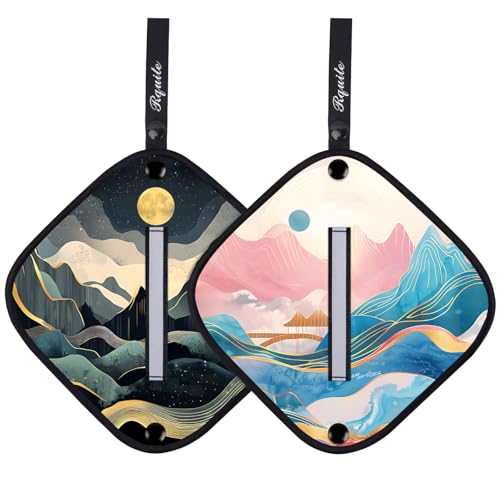
The Rquite 2-Pack Pee Cloth is a dedicated outdoor hygiene accessory built specifically for women hikers, backpackers, and campers seeking a dependable Leave No Trace alternative to carrying disposable wipes or toilet paper. Rather than packing rolls of paper into delicate backcountry environments or managing wet waste in plastic bags, this reusable cloth offers a tidy, lightweight solution that integrates smoothly with your existing hiking pack.
Designed for straightforward trail handling, each cloth features an oversized rounded diamond shape measuring 7.9 x 5.9 inches with a total set weight of approximately 0.11 pounds. The generous surface area provides broad hand coverage during trailside bathroom breaks while keeping your pack base weight virtually unaffected. Its integrated snap closure allows you to fasten the cloth directly to your backpack shoulder straps, daisy chains, or side compression webbing, keeping it readily accessible without needing to unbuckle your hip belt or search inside deep pack pockets.
Material construction centers on functional dual-layer performance. The interior fabric is soft and absorbent to gently pull moisture away, while the exterior waterproof barrier stops wetness from transferring to your fingers or clothing during use. The outside also features a decorative Mountains print alongside an integrated reflective detail, which makes spotting the cloth simple when illuminating your pack with a headlamp during pre-dawn starts or late-night camp adjustments.
Trail-side maintenance and pack management are simple. After use, the snap closure lets you fold the cloth in half to keep the damp absorbent side contained, or hang it open from an external pack loop so sunlight and ambient airflow can dry the material between trail stops. Having two cloths in the pack allows you to cycle gear on multi-day itineraries, using one while the other is rinsed and drying in camp.
Like any reusable backcountry sanitation gear, this cloth comes with practical handling limitations. It is designed solely for urine management and cannot replace trowels, wipes, or sanitation kits meant for solid human waste. Additionally, while exterior pack drying works well in fair weather, prolonged rain or dusty trail conditions may require storing the folded cloth inside a water-resistant hip-belt pocket or pack liner to keep the wiping surface clean.
For day hikers, weekend backpackers, and section hikers looking to streamline personal trail hygiene and reduce pack trash, the Rquite 2-Pack delivers straightforward value. Its compact dimensions, waterproof backing, and easy pack-attachment snap make it a smart, functional accessory for any hiking gear list.
The Rquite Pee Cloth attaches easily to virtually any hiking daypack, multi-day backpack, or hydration vest using its integrated snap-button closure. Hikers can loop the strap around shoulder-strap webbing, sternum-strap anchors, trekking-pole loops, or exterior daisy chains without requiring additional carabiners or clips.
When snapped shut around a pack loop, the cloth folds inward to help keep the absorbent side protected against trail debris while still allowing adequate airflow for air drying during movement. Its lightweight profile ensures it will not sway excessively or unbalance your pack load while you walk.
Maintaining proper trail hygiene with the Rquite Pee Cloth relies on regular rinsing and proper airflow. On day hikes, the cloth can be used throughout the outing, snapped to the outside of your pack, and thoroughly machine washed or hand washed with mild soap once you return home.
For multi-day backpacking trips, backcountry users should rinse the cloth away from natural water sources according to Leave No Trace principles, then hang it on the pack exterior in direct sunlight to dry. The included two-pack ensures you always have a clean, dry backup ready in your pack while the first cloth airs out.

Pros
- UPF 50+ protection provides a physical sun barrier without the need for constant sunscreen reapplication.
- Lightweight, moisture-wicking fabric dries rapidly during active trail workouts.
- Elastic thumbholes keep sleeves securely positioned when using trekking poles.
- High-low hem and side slits allow free range of motion and practical rear coverage.
Cons
- Solid black colorway naturally absorbs more ambient solar heat than lighter-colored sun shirts on exposed routes.
- Relaxed cut may feel too loose for hikers who prefer a snug, athletic compression fit.
- Exact fabric blend percentages and specific textile denier are not listed by the manufacturer.
The G Gradual Women's UPF 50+ Long Sleeve Sun Shirt in size Large (Black) is a functional outdoor top engineered for trail users who require dependable sun defense in a lightweight package. It is well-suited for day hikers navigating exposed alpine or desert terrain, weekend backpackers looking for quick-drying trail apparel, and travelers who need versatile sun coverage that packs down small.
Sun protection is the primary feature of this hiking top. Built with UPF 50+ rated fabric, the shirt shields covered skin from intense ultraviolet exposure, helping reduce the risk of sunburn during long hours outside. The lightweight material is engineered to pull moisture away from your skin, promoting evaporative cooling and rapid drying when exerting effort on steep ascents or moving through humid environments.
Trail-ready mobility is built into the garment through thoughtful tailoring. The shirt features an elongated high-low hem that offers extra coverage in the back, helping keep the top tucked or comfortably placed beneath the lower lumbar pad of a daypack or backpacking pack. Deep side slits prevent the hem from catching or binding across the hips when taking high steps over trail obstacles, while the relaxed cut ensures full freedom of movement across the shoulders and chest.
Sleeve security is enhanced by integrated elastic thumbholes. These keep the cuffs anchored over the wrists and tops of the hands, preventing the sleeves from riding up your arms when reaching for water bottles, checking maps, or swinging trekking poles. When thumb coverage is not needed, the elastic cuffs push up the forearms easily for added ventilation.
While this top excels in breathability and UV defense, prospective buyers should consider color and fit preferences. The black fabric absorbs more radiant heat than lighter alternatives, which may make it feel warmer on shadeless midday treks. Additionally, hikers seeking a tight, form-fitting base layer may find the relaxed silhouette looser than expected, and the listing does not specify exact fabric fiber ratios.
For outdoor enthusiasts looking for a capable, reasonably priced sun hoodie alternative without an attached hood, the G Gradual Women's UPF 50+ Long Sleeve Shirt delivers solid value. Its lightweight wicking fabric, thumbholes, and mobility-enhancing hem make it a practical wardrobe addition for day hikes, active workouts, and warm-weather backpacking.
This hiking shirt features UPF 50+ fabric designed to block harmful UV radiation, helping protect your arms, shoulders, and torso during long days on exposed trails.
The lightweight, quick-drying construction actively wicks sweat away from the body, helping hikers stay cooler and more comfortable in warm weather.
Designed with a relaxed cut in women's size Large, the top allows unrestricted upper-body movement and uninhibited airflow across warm hikes.
The combination of a high-low hem and side slits delivers practical rear coverage while preventing fabric bunching around the hips during active trail steps.
Integrated elastic thumbholes keep the long sleeves positioned securely over the wrists, preventing ride-up during trekking pole use or pack adjustment.
Technical Trail Apparel and Modern Layering Systems
At their fundamental level, %what are hiking clothes% comes down to functional garments designed to protect the human body from unpredictable wilderness environments. Standard casual apparel focuses on urban appearance and passive lounging, whereas technical trail wear prioritizes active moisture regulation, thermal control, and physical durability. When hiking up steep switchbacks under harsh sunlight or traversing exposed ridgelines in chilly winds, everyday garments often soak through with sweat and restrict leg movement. Technical trail apparel acts as an adaptable barrier that keeps skin dry, stabilizes body heat, and prevents friction injuries during long treks.
Outdoor clothing designers engineer these garments by utilizing specialized synthetic weaves, high-grade natural animal fibers, and protective surface treatments. Each garment serves a specific role within a complete outfit, from baselayers drawing perspiration off the skin to rugged outer garments blocking wind and precipitation. Understanding how each piece interacts with your exertion level enables you to hike comfortably without thermal distraction. Dressing for the backcountry is less about packing bulky coats and more about assembling a modular system of lightweight, quick-drying layers.
Core Mechanics of Moisture Management and Breathability
Physical exertion on mountain ascents elevates your metabolic rate, prompting your body to produce sweat to cool down. When moisture gets trapped against skin by non-breathable fabrics, it creates internal clamminess and accelerates chafing along friction points. Technical trail fabrics resolve this issue through capillary action, pulling liquid sweat along microscopic yarn filaments to the outer surface of the garment. Once dispersed across the exterior face, the moisture evaporates rapidly into open air. This efficient drying process keeps base layers comfortable and prevents sudden post-climb shivering when resting at windy trail peaks.
Breathability measures how effectively water vapor escapes through a textile before condensing into liquid sweat against your body. Without adequate air permeability, perspiration pools inside your clothing, leaving you damp regardless of weather conditions. Modern hiking shirts frequently incorporate open-knit mesh panels under the arms and across the upper back to maximize venting. This construction dumps excess heat during strenuous uphill sections while retaining sufficient fabric density to buffer cool breezes.
The Cotton Problem and Backcountry Hypothermia Risks
The outdoor community often warns that “cotton kills” because standard cellulose fibers create genuine hypothermia hazards on the trail. Cotton is naturally hydrophilic, soaking up water and holding it inside the yarn rather than transferring it away. When a cotton shirt or pair of denim jeans becomes drenched with sweat or rain, it collapses and loses its ability to insulate. As ambient breezes blow across wet cotton resting on bare skin, the fabric conducts body heat away rapidly. Under cool or windy mountain conditions, this evaporative heat loss can drop core body temperature swiftly.
In addition to thermal risks, moisture-laden cotton becomes heavy, clings awkwardly to working muscles, and generates painful skin chafing. Saturated cotton dries exceptionally slowly because it lacks the water-repelling molecular properties found in synthetic fibers. Backcountry hiking requires materials that shed moisture quickly to maintain comfort and safety across changing elevations. Leaving cotton sweatshirts and casual jeans out of your hiking pack is a critical fundamental step toward safe trail travel.
Essential Fabric Types: Polyester, Nylon, and Merino Wool
Choosing appropriate technical materials depends on planned mileage, weather forecasts, and personal perspiration rates. Polyester serves as the standard performance fiber for hiking garments because it absorbs minimal water and dries rapidly. Lightweight polyester trail shirts perform exceptionally well during high-output summer day hikes where fast sweat evaporation is mandatory. Nylon provides superior tensile strength and abrasion resistance, making it the premier choice for trail pants that brush against sharp rocks, trail dirt, and thorny branches.
Merino wool offers distinct advantages for extended backpacking trips where frequent laundering is impossible. The microscopic structure of wool fibers naturally traps odor-causing bacteria, providing reliable odor control across several consecutive days of wear. Natural crimp within merino fibers also retains tiny insulating pockets of warm air, even if the fabric becomes damp. Many technical garments now combine merino wool with nylon cores to enhance tear strength while preserving wool’s natural thermal regulation and softness.
The Three-Part Layering Architecture
A successful trail apparel setup relies on a coordinated three-part layering system that manages sweat, retains warmth, and deflects stormy conditions. The next-to-skin base layer consists of technical underwear, lightweight tops, and trail leggings designed to pull sweat away from skin instantly. Base layers should fit trimly against the body without restricting movement, ensuring consistent contact with perspiration. Maintaining continuous skin contact allows the fabric’s wicking properties to operate at peak efficiency.
The second tier is the insulating mid-layer, which functions to trap warm air generated by your body, preventing excessive heat loss in cool weather. Active mid-layers typically feature breathable fleece or lightweight synthetic fill that vents excess moisture vapor while you stay moving. Compressible down jackets provide outstanding static warmth during lunch breaks, summit rests, or cold evenings around camp. Hikers should remove mid-layers before tackling steep climbs to prevent sweating out their base layers, putting them back on immediately upon stopping.
The protective outer shell serves as the final barrier against harsh mountain winds, heavy rainfall, and snowfall. Waterproof-breathable jackets and ultralight wind shells block external drafts that would otherwise strip away the warm air trapped by mid-layers. Combining an adaptable shell with breathable lightweight hiking pants creates a modular setup that shields against weather shifts without adding excess bulk. This modular approach allows hikers to adjust layers individually as trail steepness and outdoor temperatures fluctuate.
Trail Bottoms, Ergonomic Articulation, and Abrasion Resistance
Hiking pants require significantly more durability and specialized patterning than casual gym joggers or everyday fashion leggings. Trail trousers encounter regular abrasive friction from rough granite boulders, trailside brush, and dirt paths that would tear delicate knit fabrics. Quality hiking bottoms incorporate tough synthetic weaves alongside mechanical stretch or elastane blends to ensure durability and flexibility. Features such as articulated knees and gusseted crotches allow hikers to take high steps over fallen logs without fabric binding.
For warm day hikes and moderate paths, apparel such as the COPYLEAF Cargo Pants Women Low Waisted Parachute illustrates how modern street styling can incorporate practical trail utility. These lightweight bottoms offer windproof and quick-drying qualities that block sudden gusts while ensuring moisture evaporates rapidly during active movement. Four dedicated utility pockets supply convenient storage for small trail items like lip balm or navigation compasses, while adjustable elastic drawstrings at the waist and ankles let you cinch the cuffs securely. Choosing dedicated trail pants with adjustable hems helps keep trail dust, loose pebbles, and ticks from entering your hiking footwear.
Sun Protection and Technical Trail Tops
Solar exposure represents a serious danger across open ridgelines, alpine environments, and arid desert canyons. Higher elevations expose hikers to increased levels of ultraviolet radiation because the thinner atmosphere filters fewer rays. While lotion-based sunscreen gradually rubs away with sweat, technical UPF clothing provides constant physical shielding against UVA and UVB rays. Technical sun shirts achieve high Ultraviolet Protection Factor ratings through dense microfiber knits that block harmful light from contacting skin.
A practical option for trail sun protection is the Women’s Sun Shirts UPF 50+ Long Sleeve UV from G Gradual, which features UPF 50+ rated fabric to block over ninety-eight percent of UV rays. Its lightweight, quick-dry material wicks moisture away rapidly, keeping hikers cool and comfortable throughout exposed climbs. Elastic thumbholes hold the sleeves firmly over the backs of the hands, protecting delicate skin that is constantly exposed while holding trekking poles. A high-low hem with side slits provides generous coverage and unhindered hip mobility on steep switchbacks.
Selecting between a hooded sun shirt and a traditional collared hiking top depends on your preference for neck coverage and mechanical venting. Sun hoodies offer integrated neck and ear defense without requiring separate bandanas or gaiters, fitting neatly under wide sun hats. Button-down hiking shirts allow hikers to open front buttons for instant airflow during strenuous uphill ascents. Choosing light fabric colors and relaxed silhouettes further enhances airflow, helping reflect solar heat and reduce heat exhaustion risks on sun-drenched trails.
Trail Hygiene and Technical Outdoor Accessories
A complete hiking clothing outfit includes functional accessories that support backcountry sanitation and overall trail wellness. Maintaining personal hygiene requires thoughtful gear choices, particularly on remote routes lacking established bathroom facilities. Leaving disposable wipes or toilet paper behind damages natural environments and violates Leave No Trace wilderness ethics. Reusable personal hygiene gear offers a sanitary, sustainable alternative designed specifically for active outdoor use.
Gear such as the Rquite 2-Pack Pee Cloth for Women Hiking demonstrates how specialized outdoor accessories improve backcountry sanitation and reduce disposable pack waste. This accessory combines an absorbent inner fabric for post-urination drying with a waterproof exterior layer that keeps hands dry during use. A convenient snap closure allows you to fasten the cloth to the exterior of your backpack for rapid air drying in sunlight between trail breaks. Subtle reflective details also assist with locating the cloth under headlamp beams during nighttime camp routines.
Technical trail accessories like merino wool socks, sun gloves, and brimmed hats complete your personal gear kit. Wool-blend hiking socks provide dense cushioning underfoot, reducing friction hot spots that could develop into painful blisters inside stiff trail boots. Broad-brimmed hats protect facial skin and the back of the neck from reflective glare off water and light-colored trail rock. Adding these protective accessories shields high-friction and sun-sensitive areas, ensuring small comfort issues do not compromise your hike.
Washing Protocols and Technical Garment Maintenance
Caring for technical outdoor garments properly preserves their wicking channels and weather-resistant surface coatings over multiple seasons. Regular household laundry detergents frequently contain optical brighteners, scents, and fabric softeners that leave waxy films on synthetic yarns. These chemical residues clog the tiny gaps between wicking fibers, severely decreasing breathability and trapping persistent body odors. Fabric softeners are especially harmful because they permanently coat hydrophobic fibers, neutralizing their ability to pull perspiration away from skin.
To protect your investment in technical apparel, wash hiking garments using specialty technical washes designed for performance outerwear. Secure all pocket zippers, drawstrings, and hook-and-loop tabs before laundering to avoid snagging delicate mesh liners or knit fabrics. For weather shells with Durable Water Repellent finishes, a brief cycle in a low-heat dryer helps reactivate protective surface polymers. Following appropriate care instructions ensures that technical garments retain their breathability, durability, and protective performance across years of backcountry exploration.
Practical Steps for Assembling Your Trail Wardrobe
Assembling an effective hiking wardrobe does not require purchasing an entire mountaineering closet all at once. Beginners can start by checking existing workout clothes for synthetic polyester tops and nylon shorts, leaving all cotton items behind. Next, invest in dedicated hiking pants that offer reinforced seams and a protective long-sleeve sun shirt for exposed mountain routes. Pairing these basic pieces with an active fleece jacket and a packable rain shell creates a modular system prepared for variable trail conditions.
Before heading out into the backcountry, check local weather forecasts, account for sudden mountain temperature drops, and verify that your layering system fits comfortably. Ensure your backpack hip belt rests cleanly over your waistband without bunching seams, and confirm that your sun hoodie moves freely with your pack straps. Choosing purposeful technical clothing tailored to your environment allows you to stay safe, dry, and fully immersed in the wilderness experience.


Write Your Review
No reviews yet. Be the first to share your experience!