


Proper pole length depends on your height and the specific gait mechanic you are using, but for standard walking canes, the handle should align with your wrist crease while standing in your walking shoes. This what length walking pole do i need question is critical because an incorrect height can lead to shoulder strain, poor posture, or reduced effectiveness in offloading weight from painful joints.
Many users find that the ideal measurement falls between the greater trochanter (hip bone) and the wrist, ensuring a natural elbow bend of 15 to 20 degrees when holding the handle. Getting this right helps maintain a steady rhythm and reduces the risk of tripping or slipping on uneven surfaces.
The difference between a walking cane and a Nordic walking pole also affects sizing, as poles often utilize a different arm swing technique. For cane users, the goal is stability and balance, whereas Nordic poles are designed for full-body engagement. If you are recovering from surgery or managing chronic joint issues, the precise fit of the handle is just as important as the base stability.
A poorly sized aid can cause wrist pain or force you to hike your shoulder, which defeats the purpose of using the device for relief. Understanding these nuances helps you select a tool that supports your daily mobility needs without introducing new physical stresses.



If this topic is part of a bigger decision, what length cane do i need is a useful related read.
Determining the Correct Pole Length for Your Body
The primary method for sizing a walking cane involves standing upright in the shoes you typically wear for walking. Place the cane next to your body with the rubber tip on the floor. The top of the handle should align with the crease of your wrist on the side you are holding the cane in.
This alignment ensures that your arm remains in a natural position, allowing for a slight bend in the elbow. If the cane is too short, you will likely raise your shoulder to reach the handle, leading to upper back and neck tension. Conversely, if the cane is too long, your elbow will remain straight, reducing the leverage you have for balance and making it harder to maneuver the device.
| Measurement Point | Approximate Range | Key Benefit |
|---|---|---|
| Wrist Crease to Floor | Standard Cane Height | Natural elbow bend (15-20 degrees) |
| Greater Trochanter to Floor | Alternative Reference | Ensures proper hip alignment |
| Elbow Flexion | 15 to 20 Degrees | Optimal leverage and comfort |
Before finalizing your measurement, consider your specific physical limitations. If you have significant balance issues or are using the cane for partial weight-bearing after surgery, a slightly shorter cane may provide more stability by lowering your center of gravity. However, this should only be done under the guidance of a physical therapist.
For general use, the wrist crease method is the standard recommendation for most adults. It is also important to account for any foot orthotics or insoles that might change your effective height by a fraction of an inch. A small difference in height can accumulate over a long walk, causing fatigue in the hand and arm.
- Stand in your everyday walking shoes, not barefoot or in slippers.
- Measure from the floor to the crease of your wrist, not the base of your palm.
- Keep your elbow slightly bent, aiming for a 15 to 20-degree angle.
- Ensure the cane is on the opposite side of your weaker or injured leg.
- Check that you can hold the handle without hiking your shoulder.
Adjustable vs. Fixed-Height Poles
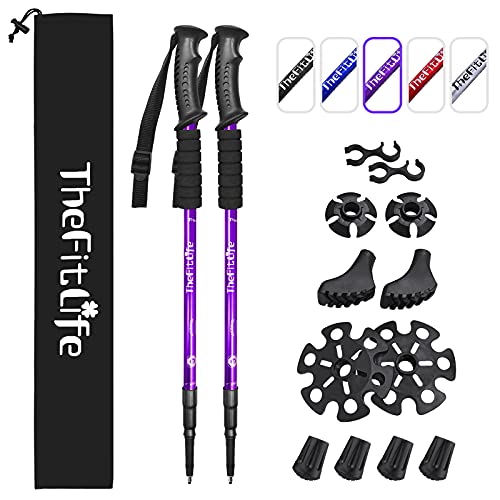
Many modern walking aids feature adjustable height mechanisms, such as telescoping shafts with push-button pins or brass detents. These are convenient for users who share the cane or for those who experience swelling in their hands or feet throughout the day. However, adjustable poles must be checked regularly to ensure the locking mechanism is secure.
A loose pin can cause the pole to collapse or shorten unexpectedly, which is a significant safety hazard. Fixed-height poles, often made from solid aluminum or carbon fiber, offer a more rigid structure and eliminate the risk of mechanical failure. They are typically cut to a specific length during manufacturing, ensuring a consistent fit for the intended user.
When choosing between adjustable and fixed options, consider your mobility needs and maintenance preferences. Adjustable canes are often preferred for their versatility, especially if you are still determining your exact ideal height. They allow for fine-tuning as you adapt to the new gait pattern. Fixed-length poles are often lighter and stronger, which is beneficial for users who need to carry the aid for extended periods.
The choice also depends on the material; aluminum adjustable canes are common and durable, while carbon fiber fixed poles offer superior weight savings. For users with arthritis or hand fatigue, a fixed pole may be preferable because it requires less grip strength to hold, as there is no need to worry about the mechanism slipping.
Nordic Walking Poles vs. Standard Canes
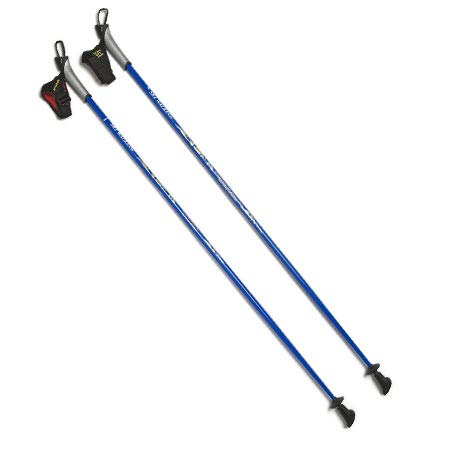
Nordic walking poles are designed for a different purpose than standard walking canes. They are used in pairs and involve a full-body arm swing that engages the upper body muscles. The sizing for Nordic poles is distinct from cane sizing. Typically, you measure from the floor to your armpit or elbow, depending on the intensity of the activity. For casual fitness walking, the pole length should allow your elbow to bend at approximately 90 degrees when you plant the pole. This is much longer than a standard cane, which only requires a 15 to 20-degree bend. Using a standard cane length for Nordic walking will restrict your arm swing and reduce the cardiovascular benefits of the exercise.
It is crucial not to confuse these two types of aids. A walking cane is a mobility aid intended to provide support and balance for individuals with physical limitations. Nordic walking poles are fitness equipment designed to enhance exercise performance. While both can improve balance, their sizing rules are not interchangeable.
If you are using the pole for medical reasons, such as post-surgical recovery or chronic pain management, you should follow cane sizing guidelines. If you are using it for fitness, follow Nordic pole sizing. Mixing these up can lead to improper posture and increased strain on the joints. Always clarify the primary purpose of your pole purchase to ensure you select the correct length and type.
The Impact of Handle Height on Posture
The height of the handle directly influences your spinal alignment while walking. If the cane is too short, you will naturally hunch your shoulders forward to reach the handle. This forward head posture can lead to chronic neck pain and reduced lung capacity. If the cane is too long, you may arch your back excessively to maintain a straight posture, which can strain the lower back. The correct height allows you to stand tall with a neutral spine, promoting efficient breathing and reduced muscle fatigue. This is particularly important for seniors who may already have existing postural issues or degenerative disc conditions.
Proper posture also affects your gait rhythm. A correctly sized cane helps you maintain a steady, rhythmic step, which is essential for balance and confidence. When the height is wrong, you may start to favor one side or take shorter steps, disrupting your natural cadence. This can lead to a cycle of instability and fear of falling.
By ensuring the handle is at the right height, you support a more natural movement pattern. This not only improves your immediate comfort but also contributes to long-term musculoskeletal health. Regularly recheck your cane height if you change your footwear or if your physical condition changes significantly.
If this topic is part of a bigger decision, what size nordic walking pole do i need is a useful related read.
Side Placement and Gait Mechanics
The side on which you hold the cane is as important as the length. Standard medical guidance recommends holding the cane in the hand opposite your weaker, injured, or affected leg. This placement allows you to offload weight from the affected side and maintain a natural gait cycle. When you take a step with your weaker leg, the cane provides support on the opposite side, stabilizing your center of gravity. Holding the cane on the same side as the injury can disrupt your balance and increase stress on the affected joint. This is a common mistake that can undermine the benefits of using a cane.
For users with bilateral issues or general balance concerns, the side may be less critical, but consistency is key. You should always use the same side to build muscle memory and a stable rhythm. If you are unsure which side to use, consult with a physical therapist who can observe your gait and provide personalized advice.
They can also help you determine if a cane is the right aid for your specific condition or if a walker or other device might be more appropriate. Proper side placement, combined with correct height, ensures that the cane functions as an effective extension of your body rather than a hindrance to your movement.
Special Considerations for Bariatric Users
For individuals with higher body weight, the structural integrity of the cane is just as important as the height. Standard canes are typically rated for 250 to 300 pounds, while bariatric canes are designed to support 400 to 500 pounds or more. The height measurement process remains the same, but the choice of material and base stability becomes critical. Bariatric canes often feature reinforced shafts and wider bases to distribute weight more effectively. When sizing a bariatric cane, ensure that the locking mechanisms are robust enough to handle the increased load. A standard adjustable pin may not be sufficient for heavier users, so look for models with enhanced locking systems or fixed-height reinforced shafts.
Weight capacity ratings are often static, meaning they refer to the maximum weight the cane can support without breaking. However, dynamic stability is also a factor, especially on uneven terrain. A cane that supports your weight on flat ground may still feel unstable if the base is too narrow or the tip is worn down.
For bariatric users, a wider base or a quad tip can provide additional stability. Always check the manufacturer’s weight rating and ensure it exceeds your current weight with a safety margin. If you are near the upper limit of a standard cane’s capacity, it is wise to upgrade to a bariatric model for peace of mind and safety.
Troubleshooting Fit Issues
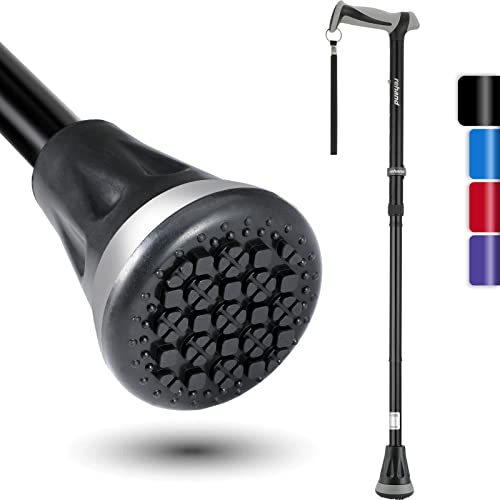
If you experience hand or wrist pain while using your cane, the height or grip may be the culprit. A handle that is too high can cause excessive pressure on the palm, while a handle that is too low can strain the wrist joint. Ergonomic grips, such as offset or anatomical palm designs, can help alleviate this pressure by distributing force more evenly.
If pain persists, consider adjusting the height slightly or trying a different grip style. It is also possible that you are gripping the handle too tightly, which can lead to muscle fatigue and nerve compression. Relax your grip and focus on a steady, rhythmic movement.
Another common issue is shoulder hiking, where you raise your shoulder to hold the cane. This is a clear sign that the cane is too short. Lowering the handle by an inch or two can resolve this issue and reduce upper body tension. If the cane is too long, you may find yourself leaning forward or arching your back to maintain balance.
Adjusting the height to the wrist crease method usually resolves these posture issues. If you continue to experience discomfort, consult with a healthcare provider to rule out other underlying conditions. Proper fit is a dynamic process, and it may take some time to find the perfect balance for your body.
- Check for shoulder hiking, which indicates the cane is too short.
- Look for wrist pain, which may suggest an incorrect grip or height.
- Ensure the locking pins are fully engaged to prevent sudden height changes.
- Inspect the rubber tip for wear, as a worn tip can affect stability and height.
- Reassess your fit if you change your footwear or experience significant swelling.
Selecting the right pole length is a personal process that requires attention to detail and awareness of your body’s responses. By following the wrist crease method and considering your specific needs, you can find a cane that supports your mobility and comfort.
Remember that the goal is to enhance your independence and confidence, not to introduce new physical stresses. If you have any doubts about your fit or usage, a consultation with a physical therapist can provide valuable insights and ensure that you are getting the most out of your mobility aid.
A closely related question is covered in what length walking cane do i need, which may help alongside this section.





Write Your Review
No reviews yet. Be the first to share your experience!