


Walking routines often plateau when standard steps fail to engage the upper body or relieve lower limb joint tension. Learning how to start nordic walking transforms a simple neighborhood stroll into a full-body workout that cushions knee and hip impact. By using specially engineered poles with angled tips and ergonomic wrist straps, walkers propel themselves forward with active arm drive while offloading strain from the lower joints. Pairing your initial walking sessions with supportive gear such as tendon support knee hiking pants can further stabilize lower joints while building endurance.
Getting started requires understanding the core rhythm of alternating pole plants alongside your natural walking stride. Beginners often assume any standard trekking pole or medical cane works, but genuine Nordic walking equipment utilizes specialized glove-style straps and backward-angled asphalt paws. This distinct setup allows you to push through the strap, open your hand on the backswing, and engage the core, chest, and shoulder muscles. With a modest initial investment in proper technique and adjustable or custom-fit shafts, you can build cardiovascular fitness and improve daily mobility without jarring your joints.




Essential Principles and Setup for Nordic Walking Beginners
Starting Nordic walking introduces a dynamic method of exercise that combines standard cardiovascular walking with upper-body muscular propulsion. Unlike regular walking, this discipline originated as off-season dryland training for Scandinavian cross-country skiers who needed to maintain endurance without snow. Modern walkers use specialized poles to push against the ground behind them, which redistributes physical exertion across the arms, chest, shoulders, and core. Learning the foundational steps correctly ensures you gain aerobic endurance and joint protection without developing inefficient movement habits.
Understanding the Mechanics of Nordic Walking
The core movement of Nordic walking relies on an extended stride paired with continuous, deliberate backward pole pushes. When your foot steps forward, the opposite arm swings ahead naturally from the shoulder socket while maintaining a soft, relaxed elbow. Rather than planting the pole vertically in front of your body like a braking cane, you angle the shaft backward at approximately forty-five degrees. This acute angle ensures that each push propels your body forward, turning ordinary walking into an active, low-impact full-body workout.
Pushing backward through the poles shifts a noticeable percentage of body weight away from the lower spine, hips, knees, and ankles. By actively recruiting the latissimus dorsi, triceps, and abdominal stabilizers, your upper torso bears work that normally falls exclusively on the legs. This biomechanical shift increases your total energy expenditure while actually reducing peak impact forces on vulnerable lower joints. Walkers who practice this rhythm experience a brisk, smooth pace that feels surprisingly fluid once the basic coordination clicks.
Nordic Walking Poles Versus Trekking Poles and Mobility Canes
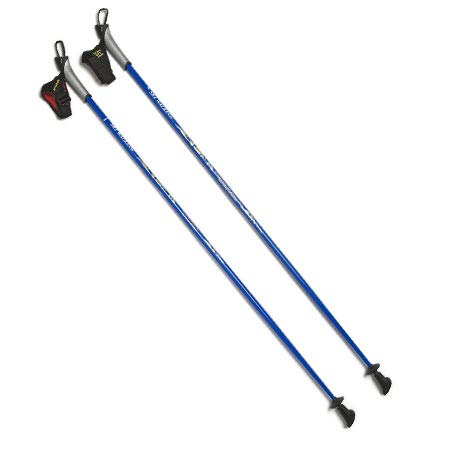
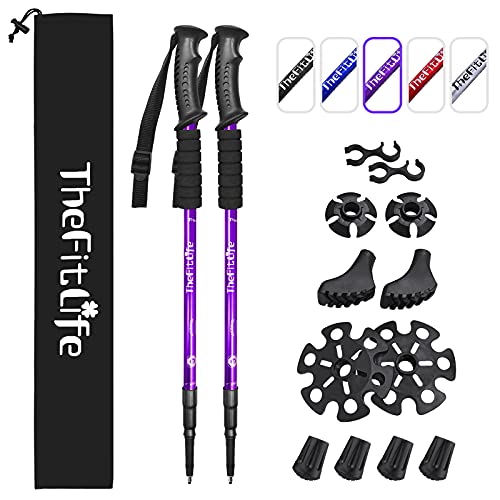
Equipment design separates authentic Nordic walking gear from standard backcountry trekking poles and medical walking canes. Standard hiking sticks typically feature simple loose wrist loops and wide, round baskets designed for vertical balance and downhill braking on steep mountain switchbacks. Conversely, Nordic walking models utilize specialized glove-style harnesses that wrap snugly around the palm and wrist with hook-and-loop closures. This secure glove strap allows you to push against the pole even when your hand opens completely at the end of each backward stroke.
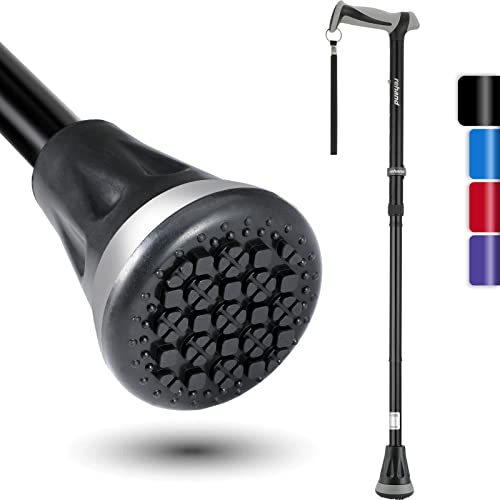
Medical canes also serve an entirely different purpose than fitness poles and should never be interchanged casually. A single-point cane or quad cane is engineered specifically to offload vertical weight and provide static balance support for individuals with acute injuries or neurological instability. Nordic poles, such as one-piece SWIX models or adjustable telescoping options from York Nordic, prioritize forward kinetic drive rather than unilateral weight bearing. Choosing the right tool ensures you train the proper muscle groups without relying on fitness gear for medical stability deficits that require certified mobility aids.
Determining Proper Pole Length and Fit
Selecting the correct pole height forms the bedrock of proper technique and shoulder safety. When standing tall in your normal walking shoes with your shoulders relaxed, your forearm should rest parallel to the ground to create a clean ninety-degree angle at the elbow. A standard sizing formula involves multiplying your standing height in centimeters by zero point six eight to pinpoint the ideal pole length. If your poles are too tall, you will continually hike your shoulders toward your ears and trigger cervical muscle tightness.
Shaft design introduces an important choice between fixed one-piece models and telescoping adjustable poles. Solid one-piece poles offer exceptional stiffness, zero joint vibration, and dependable strength for fitness enthusiasts who walk consistently on uniform terrain. Telescoping poles equipped with aluminum flip locks provide convenient portability for travelers and allow slight height fine-tuning for varying surface grades. Regardless of which build you choose, verify that the locking clamps hold firm under deliberate downward force before you begin your session.
Step-by-Step Technique: From Pole Dragging to Full Propulsion
Mastering Nordic walking begins with stripping away initial complexity through a fundamental drill known as the pole drag. Fasten your glove straps securely around both hands, leave the pole grips untouched, and simply begin walking forward at a natural cadence with your arms swinging freely at your sides. Allow the poles to drag loosely behind you along the pavement so your body settles into its organic, reciprocal arm-and-leg swing. This exercise eliminates the common beginner urge to lift the poles awkwardly or force robotic timing.
Once your natural rhythm feels relaxed, lightly close your fingers around the grips as your hands swing forward past your hips. Plant the rubber tip into the ground roughly level with your trailing heel, maintaining that critical forty-five-degree rearward angle. Press firmly backward through the glove harness, pushing your torso past the pole shaft as you step forward. As your hand passes behind your hip at the finish of the stroke, open your fingers and let the strap absorb the driving force before swinging the arm forward again.
Footwear, Apparel, and Surface Traction Setup
Selecting suitable attire and adaptable tips ensures your training remains smooth and joint-friendly across varied outdoor surfaces. Nordic walking poles arrive with detachable angled rubber paws, often called asphalt pads, designed specifically to grip hard pavement and asphalt streets. When transitions take you onto gravel paths, damp grass, or woodland trails, pop off the rubber paws to expose the sharp carbide steel tips underneath. These durable metal tips bite securely into soft earth, sand, and firm packed trails without slipping under heavy propulsion.
Proper clothing choices enhance your range of motion as your stride naturally lengthens during propulsion. Dressing in flexible, moisture-wicking layers like lightweight hiking pants allows your legs to extend fully without binding at the knees or waistband. Pair your apparel with flexible walking shoes that feature a beveled heel to support smooth rolling from heel strike to toe push-off. Avoid stiff, heavy mountaineering boots that restrict ankle articulation, because active ankle movement remains central to maintaining an energetic Nordic stride.
Posture Alignment and Upper-Body Engagement
Maintaining proper spinal posture transforms simple pole pushing into a powerful core conditioning routine. Keep your chest elevated, your shoulders dropped back and away from your ears, and your chin parallel to the walking path. Lean your entire body forward very slightly from the ankles rather than bending from the waist or hunching your upper back. This subtle forward tilt aligns your center of mass with the backward vector of the poles, facilitating continuous forward momentum.
Your upper torso should exhibit a gentle, natural counter-rotation with every progressive stride. As your left arm swings forward to initiate a pole plant, your right shoulder rotates slightly back while your hips remain tracking straight ahead. This dynamic rotational movement activates the deep obliques and transverse abdominal muscles while gently mobilizing the thoracic spine. Walkers who maintain this tall, relaxed posture avoid lower back strain and finish their outings feeling open, upright, and energized.
Common Beginner Errors and Biomechanical Corrections
New walkers frequently commit the mistake of planting their poles too far in front of their lead foot. Planting ahead of your body acts as a mechanical brake, absorbing your forward momentum and sending jarring shock waves up through your wrists and shoulders. Always remember to plant the pole tip behind or level with your center of gravity so the shaft directs energy rearward. Keeping the tip angled backward ensures that every ounce of upper-body effort pushes you ahead rather than stopping your stride.
Another frequent error is maintaining a white-knuckle death grip on the pole handle throughout the entire arm swing. Squeezing the handle continuously fatigues the forearm flexors and prevents the hand from opening naturally on the backstroke. Trust the glove harness to secure the pole, relaxing your grip completely as your hand travels behind your pelvis. Releasing and re-gripping rhythmically promotes healthy peripheral blood circulation, prevents wrist stiffness, and keeps your upper extremities loose over long distances.
Rehabilitation and Balance Support: Knowing When Poles Fit Your Needs
Physical therapy programs frequently integrate Nordic poles to assist recovering joint patients and active seniors seeking improved stability. The bilateral ground contact provided by two synchronized poles widens your base of support and enhances lateral confidence on uneven sidewalks. For individuals managing mild osteoarthritis or recovering from hip and knee arthroplasty, the upper-body weight offloading helps preserve gentle joint mechanics while rebuilding walking stamina. The upright posture required by the sport also helps counteract the rounded, forward-leaning gait common in aging adults.
It remains vital, however, to distinguish fitness walking assistance from certified clinical mobility support. If an individual experiences severe vestibular dizziness, foot drop, or significant neurological weakness, Nordic poles cannot replace a prescribed quad cane, hemi walker, or rolling walker. Fitness poles are designed for continuous forward momentum and lack the wide, stable, non-tipping base necessary for true weight-bearing arrest during a fall. Always consult a licensed physical therapist or orthopedic physician to verify that fitness poles match your specific balance capabilities before starting a new regimen.
Instructional Resources and Tracking Your Progress
Developing dependable technique often benefits from structured instructional literature alongside regular physical practice. In-depth reference books published by reputable fitness presses such as Bloomsbury and Human Kinetics provide illustrated drills, pacing schedules, and anatomical explanations that clarify complex movement patterns. Studying written guides allows beginners to troubleshoot subtle arm angles and cadence issues between their practical walking sessions. Having a clear conceptual framework helps you understand why specific hand releases and torso rotations produce superior aerobic efficiency.
Logging your walking outings in a dedicated training journal reinforces consistent habits and highlights progressive endurance gains over time. Recording session duration, approximate distance, terrain types, and perceived joint comfort lets you monitor how your body adapts to upper-body load transfer. A journal also serves as a practical place to note equipment adjustments, such as testing different pole lengths or swapping rubber paws for trail spikes. Tracking gradual milestones keeps motivation high as your walking transitions from conscious technical drills into an effortless, fluid lifestyle habit.
Routine Gear Inspection and Maintenance for Safe Walking
Consistent equipment maintenance protects your safety and extends the lifespan of your walking poles across seasons. Inspect the hook-and-loop closures and nylon webbing on your glove straps weekly to verify there is no fraying or seam tearing. Loose or worn straps compromise your ability to push backward safely and may slip during an energetic propulsion phase. Replace worn glove harnesses promptly through manufacturer accessories to maintain a secure, comfortable interface between your palm and the pole grip.
Examine the bottom rubber paws regularly for uneven tread wear or thinning rubber walls. Pavement abrasion gradually erodes the angled siping on the rubber pads, which reduces traction on slick sidewalks and allows the inner carbide spike to puncture through. For telescoping shafts, clean road grit from the locking collars and tighten external flip-lock screws if the segments begin slipping under downward pressure. Taking five minutes for routine hardware checks ensures every walk remains secure, stable, and completely enjoyable from start to finish.
Taking up Nordic walking offers an accessible path toward total-body conditioning, enhanced walking posture, and reduced lower-extremity joint stress. By dialing in your pole height, mastering the natural pole drag rhythm, and maintaining active glove propulsion, you can confidently turn daily steps into an invigorating aerobic routine. Remember to honor your individual physical baseline, choose appropriate terrain for your fitness level, and seek clinical guidance if you require medical balance aids. With reliable gear and consistent practice, you will enjoy a revitalized stride that supports your mobility for years to come.





Write Your Review
No reviews yet. Be the first to share your experience!