


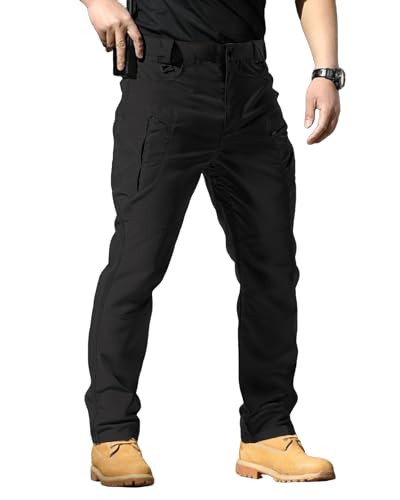
Sudden temperature drops on an exposed mountain ridge can turn a comfortable trek into a shivering ordeal within minutes. Hikers often grapple with cold drafts during trail rests after working up a sweat on steep ascents, making quick-deploying warmth an essential piece of pack inventory. Deciding what is the best packable down jacket requires balancing compact pack volume, reliable thermal retention, and outer fabric durability. Packing an insulated layer alongside dependable lightweight hiking pants ensures your body maintains core warmth without overloading your pack frame.
Ultralight insulated jackets must compress down small enough to fit inside a daypack while lofting rapidly when alpine gusts pick up. While traditional goose or duck down provides high loft, modern down alternative fills and water-resistant synthetic puffers offer compelling resilience when humidity rises or misty rain rolls across the tree line. Understanding shell fabrics, baffle design, and stowable carrying pouches helps outdoor enthusiasts select a reliable outer layer for shoulder-season outings. This guide examines how packable insulated coats function across variable trail conditions to help you make an informed layering choice.


Navigating Insulation and Packability: What Defines the Best Packable Jacket
Answering what is the best packable down jacket requires examining how weight, compressed size, thermal efficiency, and weather protection interact in real trail scenarios. A truly dependable packable jacket provides immediate warmth when you pause during a strenuous ascent, yet compresses into a tight parcel that takes up minimal volume inside your pack. While traditional backcountry purists often point toward high-loft natural down for maximum thermal efficiency, modern outdoor apparel also utilizes resilient down alternative fills that excel when damp conditions threaten garment performance. The right choice ultimately hinges on whether your priority is absolute compressibility, moisture resilience in damp shoulder seasons, or versatile layering under a weatherproof shell.
Down Fill Versus Synthetic Down Alternative Insulation
Thermal efficiency in lightweight outerwear begins with understanding the core insulating medium trapped between quilted baffles. Natural down clusters expand to trap pockets of warm air generated by your body, offering an exceptional warmth-to-weight ratio that compresses down to remarkable volumes. However, natural plumage suffers a severe drawback when exposed to moisture: saturated plumes collapse, losing their loft and forfeiting almost all insulating capability until completely dry. This vulnerability makes unsealed natural down challenging during sustained drizzle, high humidity, or sweat-inducing uphill slogs.
Synthetic down alternatives and polyester thermal fills counter this wet-weather limitation by utilizing spun fibers that resist moisture absorption. Garments such as the CANADA WEATHER GEAR Womens Puffer Jacket utilize specialized Glacier Shield thermal fill, engineered to trap radiant body heat efficiently while maintaining structural loft through repeated packing cycles. Down alternative jackets, such as the Polu Mens Lightweight Puffer Jacket with Hood, continue to trap warmth even when exposed to damp mountain air or unexpected river mist. While synthetic fills can be slightly bulkier than premium natural down of equivalent warmth, their ability to maintain loft in damp conditions provides critical peace of mind for variable trail climates.
Choosing between natural down and down alternative fills often comes down to trail humidity and expected weather stability. Hikers heading into arid alpine regions or sub-freezing winter wonderlands may appreciate the pure featherweight compressibility of natural down plumage. In contrast, backpackers facing unpredictable shoulder-season squalls, wet snowfall, or muddy spring trails often lean toward synthetic insulation because it dries significantly faster and resists clumping. Modern thermal fills bridge the gap, delivering dependable cold-weather protection without the delicate handling requirements associated with fragile natural feathers.
Compressibility, Pack Volume, and Stow Mechanisms
Packability is the defining hallmark of an emergency trail layer, dictating how easily a jacket integrates into your daily pack setup. If an insulated coat is bulky or cumbersome to pack, hikers are far more likely to leave it behind, inviting hypothermia risks when mountain weather shifts abruptly. Manufacturers achieve compact storage through two primary methods: dedicated external stuff sacks or integrated pocket-stow designs. Both approaches aim to condense fluffy insulation into a compact bundle resembling a small water bottle or pouch.
Garments like the Amazon Essentials Women’s Lightweight and the CANADA WEATHER GEAR Mens Puffer Jacket – Packable include standalone drawstring travel pouches tailored to their specific volume. These matching bags allow hikers to roll the jacket tightly, cinch the drawstring, and slide the package into tight spaces within their gear bags. The primary advantage of a separate pouch is ease of compression, as the wider opening makes stuffing the quilted nylon fabric straightforward even with chilled fingers. The main drawback is the risk of misplacing the pouch on a windy summit or leaving it behind at a trail shelter.
Self-stowing designs offer an ingenious alternative by turning an existing pocket into a built-in stuff sack. The Outdoor Ventures Women’s Packable Lightweight jacket features a reversible zipper system that allows the entire coat to fold into its own left side pocket, while also supplying an optional drawstring pouch for flexibility. Stashing a compressed jacket takes up minimal room when packing budget hiking daypacks for full-day wilderness excursions. Regardless of which stow method your jacket utilizes, avoiding prolonged compression during long-term home storage is vital to preserve the resilience of internal insulation fibers over multiple seasons.
Shell Fabrics, Water Resistance, and Wind Protection
The exterior shell of a packable puffer functions as the first line of defense against chilling winds and trail friction. Most lightweight packable jackets utilize tightly woven nylon taffeta or plain-weave polyester shells to block biting gusts from stripping trapped body heat away. Nylon remains a preferred shell material across models like the Amazon Essentials Men’s Lightweight jacket due to its superior tensile strength and abrasion resistance compared to standard polyester. Tightly woven fabrics act as a barrier against brisk mountain breezes, significantly reducing convective heat loss during summit breaks.
Water resistance is another critical specification hikers must evaluate carefully before heading into rainy forecasts. Most packable puffers feature a water-resistant face fabric that causes light raindrops to bead up and roll off the quilted exterior. However, water resistance is distinctly different from a fully waterproof garment with sealed seams and an impermeable membrane. Models like the Polu Mens Lightweight Puffer Jacket with Hood explicitly note water-resistant capabilities, which shield wearers from light mist or brief showers but cannot withstand sustained downpours without wetting out.
Quilted baffle stitching introduces another vulnerability to external precipitation, as every needle puncture represents a potential pathway for moisture to seep into internal insulation. Structured baffles serve the essential mechanical purpose of holding insulation evenly across the chest, shoulders, and back, preventing fill from shifting and creating cold spots. In heavy rain, water will eventually penetrate the baffle seams if the jacket is worn as an outermost layer. For this reason, experienced trail enthusiasts view packable puffers as insulating mid-layers or dry-weather outer shells rather than replacements for dedicated seam-taped rain jackets.
Layering System Synergy and Trail Mobility
An effective outdoor clothing strategy relies on modular layering rather than depending on a single heavy winter coat. Packable insulated jackets are engineered to function seamlessly within a three-part system: worn over a moisture-wicking base layer and underneath a protective waterproof shell. When hiking uphill, high metabolic output generates excess heat and moisture, requiring you to pack the insulated layer away to avoid sweating out your clothing. Once you reach an exposed saddle or stop for lunch, slipping on a packable puffer immediately traps core heat before sweat cools and causes rapid shivering.
Garment sizing and cut directly dictate how well an insulated coat performs across varied layering scenarios. A regular fit that provides comfortable clearance through the chest, waist, and hips, such as that found on the Amazon Essentials Women’s Lightweight Long-Sleeve jacket, accommodates mid-weight fleece pullovers without feeling restrictive. If a jacket is cut too tightly, compressed insulation cannot loft properly, which reduces thermal efficiency and restricts arm mobility during steep trail scrambles. Pairing an adaptable upper layering system with flexible trail-ready hiking pants allows hikers to navigate variable terrain without binding or chafing.
Mobility becomes especially critical when traversing technical terrain, stepping over fallen logs, or reaching for handholds on rocky switchbacks. Insulated jackets must incorporate ergonomic shoulder seams and flexible armholes that prevent the hem from riding up above your pack hip belt during movement. Elasticized cuffs help hold sleeves securely in place around your wrists, preventing cold air from rushing up your arms while keeping your hands free to manipulate trekking poles. Evaluating the fit of a packable jacket over your typical trail base layers ensures unrestricted comfort throughout long days on the trail.
Functional Trail Features: Zippers, Hoods, and Pocket Ergonomics
Hardware and functional detailing can dramatically impact the daily usability of a packable puffer in rough outdoor environments. Front zippers represent a primary mechanical component that hikers interact with constantly to regulate internal temperatures. Models like the Amazon Essentials Women’s Lightweight coat include a two-way front zipper, allowing the jacket to open from either the top or bottom slider. A two-way zipper proves remarkably practical on the trail, enabling you to vent excess body heat from your lower torso without exposing your neck and chest to icy drafts, while also facilitating easy access to harness gear or pant pockets.
Hood construction is another defining feature that separates general lifestyle jackets from trail-ready cold-weather insulators. An attached, insulated hood seals out biting winds around the neck, ears, and cranium, where significant body heat can escape in cold weather. Jackets such as the CANADA WEATHER GEAR Mens Puffer Jacket – Packable incorporate elasticized hood openings designed to fit snugly around the head, preventing gusts from blowing the hood backward during exposed ridge walks. Furthermore, center-front zippers equipped with a soft chin garage, such as the Outdoor Ventures Women’s Packable Lightweight design, prevent cold metal pulls from irritating sensitive skin around the jawline.
Pocket layout and storage versatility provide essential utility for keeping trail gear organized and close at hand. Standard hand pockets with secure zipper closures keep your fingers warm during early morning starts while securing smartphones, trail maps, and energy bars from slipping out. Some models expand storage significantly; for example, the Polu Mens Lightweight Puffer Jacket with Hood incorporates two exterior zippered hand pockets alongside three interior utility pockets. These spacious interior pockets offer secure storage for gloves, compact water bottles, or electronics that require warmth from your core to preserve battery longevity in sub-freezing temperatures.
Garment Longevity, Cleaning, and Loft Restoration
Maintaining technical outerwear requires thoughtful laundering habits to protect delicate nylon face fabrics and preserve insulation loft. Over extended hiking trips, perspiration, body oils, and trail dust penetrate the quilted shell, causing synthetic fibers or natural down clusters to clump together. When insulation clumps, the air pockets that trap body heat collapse, noticeably degrading the overall warmth of your coat. Washing your packable jacket at the end of each season or after particularly sweaty excursions restores loft and refreshes water-resistant performance.
Always consult manufacturer care tags before washing, and avoid using conventional household detergents containing optical brighteners, bleach, or fabric softeners. Fabric softeners leave a waxy chemical residue on nylon fabrics that destroys water-repellent surface tension and clogs breathable fibers. Instead, utilize specialized technical outerwear washes and run your washing machine on a gentle cycle with cold or lukewarm water. Ensure that all pocket zippers and front closures are fully fastened before laundering to prevent teeth from snagging and tearing delicate shell fabrics during agitation.
Drying technical puffers requires patience and controlled low heat to fluff the insulation without scorching synthetic materials. Placing clean tennis balls or wool dryer balls inside the dryer drum helps physically break up clumped insulation clusters as the garment tumbles. Low heat settings prevent synthetic nylon taffeta from warping or melting while gently activating water-resistant treatments on the face fabric. Between adventures, store your packable jacket loosely hung on a wide hanger in a dry closet rather than leaving it compressed inside its travel pouch, ensuring the insulation retains its springy loft for years of dependable use.
Selecting the Right Packable Puffer for Your Trail Needs
Determining what is the best packable down jacket ultimately depends on matching specific jacket features to your typical trail environment and physical output. Day hikers who venture out in cool autumn mornings and clear spring afternoons will appreciate the straightforward convenience and low bulk of classic quilted puffers like the Amazon Essentials Women’s Lightweight Long-Sleeve jacket. For hikers tackling exposed mountain terrain where biting winds are common, an insulated hood, snug elastic cuffs, and Glacier Shield thermal fill provide critical defense against wind chill.
Backpackers prioritizing pack organization will benefit from garments with multi-pocket storage and versatile stow options, such as the Outdoor Ventures Women’s Packable Lightweight jacket with its dual storage solutions. Balancing fabric durability against total packed volume ensures that your selected layer fits comfortably inside your daypack without forcing you to sacrifice food, water, or safety essentials. Evaluating your local climate, seasonal temperatures, and layering preferences allows you to pick an insulated companion that delivers reliable warmth whenever the backcountry turns cold.
Choosing the ideal packable jacket means finding the sweet spot between thermal insulation, pack volume, weather resistance, and unrestricted movement. By understanding the mechanical differences between natural down and resilient down alternative fills, paying attention to shell fabrics, and utilizing proper layering strategies, you can stay warm and dry across variable terrain. Keep your jacket properly maintained, store it uncompressed when off the trail, and carry it faithfully in your pack as a dependable safeguard against shifting mountain conditions.


Write Your Review
No reviews yet. Be the first to share your experience!