


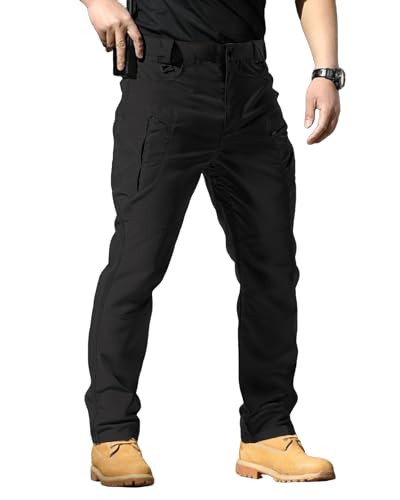
Traversing rugged trails requires equipment that balances carrying capacity with all-day ergonomic support. Understanding how to choose a hiking pack ensures your trail essentials, extra clothing layers, and hydration remain secure without causing painful shoulder strain or lower-back fatigue. When evaluating different models, pairing a supportive suspension with proper apparel, such as flexible lightweight hiking pants, prevents painful friction points along the waistline and hips during steep ascents. A well-fitted pack distributes weight directly onto your hips rather than overloading your shoulders and spine.
Finding the right design involves matching pack volume to your typical trip length, terrain, and weather demands. Many hikers begin their search by reviewing capable affordable hiking backpacks before deciding whether an internal frame or an ultralight frameless chassis suits their preferred trail style. Considering your torso length, harness adjustability, and pocket layout will keep you comfortable across changing mountain conditions. Taking time to dial in your pack fit guarantees seamless trail days from trailhead to summit.

Pros
- Extremely light at 0.17 pounds, adding virtually no base weight when carried to a campsite or cabin
- Compact 8 x 6.5 x 0.78-inch dimensions pack easily into daypack front pockets or organizer sleeves
- Comes with three 50 cm paracord strands so users can start practicing immediately without sourcing cordage
- Durable birch plywood construction provides a flat, stable platform for tabletop or lap practice
Cons
- The included 50 cm cords are tailored strictly for practice and are too short for actual field rigging
- Birch plywood board is an instructional aid and is not water-sealed for prolonged exposure to wet weather
- Visual guide board focuses on fundamental knots, so advanced mountaineering or climbing knots require additional reference material
The Generic Knot Training Board is a dedicated camp-craft instructional accessory tailored for hikers, backpackers, campers, and anglers who want to build dependable cordage skills. Securing a tarp shelter, tying down a tent guyline against gusty winds, or lashing loose equipment to external backpack attachment loops all require reliable knot work. This board acts as a portable practice station, giving outdoor enthusiasts a tactile way to master essential hitches and bends before dealing with cold fingers or failing daylight on trail.
In terms of packability, the kit measures 8 x 6.5 x 0.78 inches and weighs 0.17 pounds. Those dimensions make it easy to slide into a backpack lid compartment, a side pocket, or a front stash pocket without dominating valuable pack volume. While many users will keep this training tool on a home workbench or desk, its minimal weight allows scout leaders, outdoor educators, or family campers to bring it directly along on weekend trips for evening camp practice around the picnic table.
The build quality centers around a birch plywood base that provides a smooth, rigid platform with guide markings and routing cutouts. The board comes supplied with three 50-centimeter lengths of paracord in assorted colors. The smooth surface of the wood allows the paracord to slide freely without catching, which helps beginners clearly observe how turns, loops, and working ends interact as a knot cinches down.
Using the kit is completely straightforward with no initial assembly required. You can immediately pick up one of the multi-colored 50 cm paracord strands and follow the printed prompts to practice fundamental knots for freshwater angling, general camping, or gear attachment. Caring for the board is just as simple: keep it clean with a quick wipe using a dry cloth, and store it flat in a dry gear tote or pack pocket when not in use.
Buyers should keep practical limitations in mind before purchasing. This board is strictly an educational tool and does not function as load-bearing hardware or a field-ready guyline tensioner. The included 50 cm cord pieces are sized for stationary practice rather than pitching full-sized tarps or hanging bear bags. Additionally, because the board is made of unfinished birch plywood, it should be protected from rain and trail moisture inside a pack liner or dry bag if transported outdoors.
Overall, this knot training board offers a practical and budget-friendly way for novice backpackers, day hikers, and casual campers to develop outdoor confidence. If you want to refine your shelter-rigging and gear-lashing skills without relying on mobile service or paper manuals at the campsite, this compact kit serves as a handy preparation accessory.
The core of this knot practice tool is constructed from birch plywood, selected for its clean surface finish and structural rigidity during hands-on practice. The smooth face helps synthetic cords move across the board without excessive friction or snagging during repetitive tying and untying drills.
The kit includes three strands of paracord, each measuring 50 centimeters in length. Paracord is widely recognized in backpacking and camping for its flexibility and handling, making it a suitable practice material to replicate real-world cordage handling on the trail.
Because the training board is made of wood, it is best kept away from standing water and damp environments. Storing it inside a dry gear pocket or keeping it in a home storage bin ensures the wood maintains its shape and legibility over time.
Understanding essential knots directly impacts trail safety and efficiency, especially when securing rainfly tie-outs, repairing broken pack straps, or hanging gear away from damp ground. Practicing these skills at home removes the stress of learning while setting up camp in poor weather.
The color-coded cords included with the board allow users to distinguish between the standing line and the working end, which accelerates muscle memory for hitches, loops, and bends. This structured practice helps ensure you can reliably pitch a shelter or lash equipment to your pack frame when conditions demand quick action.

Pros
- Durable rust-proof aluminum construction built to withstand damp or outdoor conditions without corroding
- Pre-drilled corner holes make hanging quick on walls, pegboards, fences, or gear staging areas
- Compact 12 x 8 inch size fits neatly into home gear closets, cabins, or garage workstations
- Lightweight 0.22-pound profile hangs easily without heavy anchors or specialty mounting hardware
Cons
- Decorative wall sign only; does not provide wearable pack functionality or physical gear storage
- Thin 0.1-inch aluminum profile can bend if subjected to heavy impact or rough handling during installation
- Mounting hardware such as screws, nails, or zip ties is not included in the package
The FMXHLP Vintage Hiking Guide Metal Sign is a decorative wall plaque tailored for hikers, backpackers, and outdoor enthusiasts looking to personalize their gear staging area, cabin, garage, or home office. Measuring 12 by 8 inches, this retro-inspired sign features classic graphics and practical notes on how to choose hiking footwear, offering an attractive conversation piece for anyone passionate about trail adventures.
Built from solid aluminum rather than standard tin or iron, the sign weighs just over 0.21 pounds and has a slim 0.1-inch profile. The manufacturer highlights that the aluminum sheet is rust-proof, waterproof, and weather-resistant, which allows it to hold up well in unconditioned spaces like outdoor mudrooms, screened porches, rustic cabins, or damp basements where moisture might otherwise degrade traditional paper prints or cheap steel plates.
Installation is straightforward thanks to four pre-drilled holes situated precisely in each corner. Hikers can mount the sign directly onto drywall, plywood backing boards, wooden cabin beams, or metal workshop pegboards using common screws, small finishing nails, or zip ties. Because of its light weight, users can also secure it to flat surfaces using heavy-duty double-sided mounting tape or magnetic hooks without worrying about pulling down wall anchors.
The smooth, scratch-resistant finish is easy to maintain, requiring nothing more than a quick wipe with a damp microfiber cloth to remove dust or garage grime. With its vintage typography and outdoor theme, the sign complements both rustic lodge decor and modern gear organization spaces, making it a functional visual touch alongside trekking poles, backpacks, and hiking boots.
Prospective buyers should recognize that this product is strictly decorative wall art and contains no active storage, shelving, or pack-attachment features. Additionally, the thin 0.1-inch aluminum plate can warp or bend under excessive force, so careful handling is recommended when fastening it tightly against uneven surfaces. Mounting hardware is also not included, meaning buyers must supply their own fasteners.
For hikers, campers, or outdoor gift-shoppers seeking an affordable, durable decorative accent for a gear room, workshop, or cabin wall, the FMXHLP Vintage Hiking Guide Metal Sign offers solid weather resistance and timeless outdoor appeal.
The sign is constructed from solid aluminum sheet metal engineered to prevent rust and oxidation over time. Unlike untreated tin or iron plates that corrode when exposed to humidity, this aluminum base provides natural moisture resistance suitable for outdoor or damp gear-storage environments.
High-definition printing with fade-resistant and scratch-resistant coatings helps preserve the vintage graphics against direct sunlight and general surface abrasion. The 0.1-inch profile provides rigidity for standard wall mounting while maintaining a low weight of approximately 0.22 pounds.
Four pre-drilled holes placed in each corner eliminate the need for secondary drilling or specialized tools during setup. The sign can be mounted using small drywall screws, finishing nails, wire, or zip ties depending on the chosen display surface.
With standard dimensions of 12 inches high by 8 inches wide, the plaque easily integrates into existing pegboard tool layouts, entryway coat racks, garage gear walls, or cabin porch posts without occupying excessive space.

Pros
- Solid, rust-proof aluminum sheet holds up well in covered outdoor spaces, garages, and mudrooms
- Four pre-drilled corner holes allow for effortless hanging without measuring or drilling the metal
- Compact 12 x 8 inch profile fits easily above gear racks, boot shelves, or workbench areas
- Appealing distressed vintage graphics add outdoor personality to home offices, dens, and gear rooms
Cons
- Slim 0.1-inch aluminum profile can flex or bend if subjected to rough handling during setup
- Mounting hardware such as screws, nails, or adhesive strips is not included in the package
- Decorative wall display piece only; provides no active trail-carry or on-pack utility
The KERUNSM Retro Vintage Metal Sign is a decorative 12 x 8 inch aluminum wall plaque designed for day hikers, backpackers, campers, and outdoor enthusiasts who want to bring trail character into their home. Centered on a nostalgic, informative graphic outlining how to choose hiking footwear, this retro sign makes a fitting accent for gear staging areas, mudrooms, garages, cabins, or home offices. It serves as both an eye-catching design piece and an homage to outdoor preparation for hikers of all experience levels.
Measuring 12 inches high by 8 inches wide with a 0.1-inch thickness, the sign fits conveniently into compact wall areas alongside backpack storage pegs, trekking pole clips, and shoe racks. The manufacturer specifies thick aluminum construction with rust-proof characteristics, allowing the sign to withstand humid or unconditioned environments like basements, gear closets, workshops, and covered porches without premature deterioration. Four pre-drilled holes in the corners make mounting simple on wood, drywall, or workshop pegboards using common household hardware.
The distressed vintage finish gives the plaque a weathered, timeless appearance without sacrificing material integrity. Unlike paper posters or cardboard prints that warp with moisture, the rigid aluminum build holds its flat shape and resists edge fraying in spaces where wet hiking gear and muddy boots dry out after a weekend trek. The artwork blends naturally with rustic, den, and farmhouse-style decor, providing an outdoor-inspired focal point above your gear bins and pack shelves.
Mounting and maintaining this metal sign is very straightforward due to its lightweight construction and pre-punched corner holes. You can secure it using small nails, wood screws, double-sided foam tape, or wire ties depending on the wall material. Routine maintenance requires only an occasional wipe-down with a dry or lightly dampened cloth to remove settling dust, making ownership completely hassle-free.
A few practical limitations should be noted before purchasing. This product is strictly a decorative wall sign and does not provide functional on-trail utility or pack-attachment features. Additionally, mounting fasteners are not provided in the box, so you must supply your own screws or nails. While the aluminum material resists rust, its thin 0.1-inch profile means it can bend if dropped, bent forcefully, or packed beneath heavy equipment during a move.
For hikers and backpackers seeking an affordable, rustic accent to complete their outdoor gear room, mudroom, or cabin, the KERUNSM Vintage Metal Sign delivers solid aesthetic value. Its rust-proof aluminum base, classic artwork, and pre-drilled mounting holes make it a durable and easy-to-install addition to any hiker's personal space.
This decorative sign is constructed from solid aluminum engineered with rust-proof properties. The metal composition allows it to hold up well in spaces prone to humidity and temperature shifts, including gear garages, entryways, mudrooms, and covered outdoor porches.
The distressed vintage surface finish adds rustic trail character while maintaining the structural integrity of the metal panel. Cleaning requires only a gentle wipe with a dry cloth or damp sponge, keeping the artwork visible and dust-free without damaging the surface.
Displaying the 12 x 8 inch sign is quick and simple thanks to pre-drilled holes in all four corners. These openings accommodate small finish nails, drywall screws, wire hangers, or zip ties for installation on drywall, wood beams, shop pegboards, or wire shelving.
Because the sign is lightweight and slim at 0.1 inches thick, heavy wall anchors are not required. Hikers often mount this plaque directly above boot storage trays, pack-hanging pegs, or outdoor gear bins to personalize their trail preparation space.

Pros
- Solid aluminum construction offers long-lasting rust and moisture resistance
- Lightweight 0.22-pound build hangs easily using standard hooks or small nails
- HD UV printing keeps graphics and guide text clear and vibrant over time
- Fits gear rooms, cabins, trail shops, and home entryways with classic outdoor style
Cons
- Designed purely for decorative and informational wall display rather than on-trail pack carry
- Mounting hardware like nails or hooks is not listed as included
- Intended for indoor or sheltered outdoor spots rather than direct, unsheltered weather exposure
The YMSBNV 8 x 12 Inch Vintage Metal Sign is an informative wall decor plaque tailored for hikers, backpackers, and outdoor enthusiasts looking to personalize their gear staging areas, cabins, or homes. Featuring a classic vintage aesthetic with an instructional guide on how to choose hiking footwear, this compact metal sign bridges trail culture and home decoration. It suits anyone organizing a dedicated gear closet, cabin wall, workshop, entryway, or trail shop who appreciates outdoor-themed art.
Designed with practical proportions of 12 x 8 x 0.1 inches and weighing approximately 0.22 pounds, this plaque fits seamlessly into smaller spaces where larger wall hangings feel overwhelming. The compact footprint allows outdoor enthusiasts to mount it alongside pack hanging hooks, footwear racks, or gear storage shelving. Because it weighs well under a quarter-pound, mounting requires minimal hardware, making it simple to position in home entryways, trail shops, camp cabins, man caves, or sheltered outdoor spots.
Construction centers on a solid aluminum sheet finished with high-definition UV printing. The aluminum base metal provides inherent rust and moisture resistance, which helps protect the sign in high-humidity areas like mudrooms, gear drying areas, or covered porches. In addition, the UV-cured ink helps preserve the crispness and rich color of the vintage graphics over time, resisting the premature fading that often affects standard paper posters.
Mounting this lightweight plaque is straightforward, as its light 0.22-pound weight allows it to hang securely on small nails, adhesive hooks, or standard picture hangers. Setting it up near your trail footwear collection or hiking backpack staging corner creates an engaging reference point while preparing for weekend trips. Cleaning requires little effort, as the smooth aluminum surface can be wiped down with a soft damp cloth to clear away dust or entryway dirt without damaging the printed graphics.
Buyers should recognize that this sign is strictly a decorative and informational wall plaque, not functional trail equipment or a pack-mountable accessory. While the aluminum material resists rust and moisture, the manufacturer notes it is best suited for indoor locations or sheltered outdoor spots rather than direct exposure to torrential rains and harsh elements. In addition, dedicated mounting hardware like nails or screws is not listed as included in the package, so you will need basic household fasteners on hand.
For hikers, backpackers, and cabin owners seeking affordable trail-themed decor, this metal guide plaque offers genuine charm and durability. The combination of rust-resistant aluminum, clear UV printing, and classic outdoor styling delivers dependable decorative value. If you need a gift for an outdoor lover or want to add character to your pack room and gear setup, this vintage sign is a worthwhile accent piece.
The YMSBNV decorative sign is manufactured from solid sheet aluminum measuring 0.1 inches in thickness. This aluminum foundation naturally guards against rust and moisture, making the plaque significantly more resilient than traditional cardboard prints or tin signs prone to oxidation.
Graphic presentation relies on high-definition UV printing technology. UV-cured printing bonds the ink to the metal substrate, delivering crisp typography and vivid vintage tones while providing enhanced resistance against moisture and color degradation in sheltered indoor and outdoor settings.
Maintaining the aluminum metal plaque requires minimal attention compared to framed paper artwork. Dust or light surface grime can be wiped away using a dry microfiber cloth or a lightly dampened sponge without harsh chemical cleansers.
For optimal preservation, install the sign in an interior room or a sheltered outdoor location shielded from continuous sun beating and driving rain. Keeping the surface clean ensures the instructional footwear guide remains legible and vibrant over years of display.
Comprehensive Guide to Selecting the Right Hiking Pack
Determining how to choose a hiking pack begins with understanding how your equipment, physical proportions, and trail objectives align into a single balanced system. A properly selected backpack does not simply carry gear; it stabilizes weight across your skeletal structure, minimizes physical fatigue, and protects your clothing layers from abrasive wear. Whether preparing for brief morning ridge walks or extended backcountry journeys, matching the pack to your specific itinerary ensures you remain agile and protected on the trail.
Selecting an improper chassis often leads to concentrated pressure points, sore shoulders, and compromised balance over uneven terrain. Hikers often purchase a pack based purely on aesthetic design or generic volume numbers without considering how the suspension interfaces with their clothing layers or how weight settles against their lumbar spine. By examining capacity, torso geometry, frame architecture, and load distribution mechanics, you can confidently identify a pack that delivers dependable trail comfort.
Determining Pack Capacity by Hike Duration and Gear Volume
Pack volume is measured in liters and represents the interior storage space available for your gear, food, water, and clothing. Choosing the proper capacity depends on the length of your trips, the climate you encounter, and the bulk of your personal gear kit. A pack that is too small forces you to strap bulky items to the exterior, while an excessively large pack adds unnecessary base weight and encourages overpacking.
For standard day trips in mild conditions, packs ranging from fifteen to thirty liters typically provide ample space for the Ten Essentials, lunch, hydration reservoirs, and a lightweight weather shell. When venturing out during shoulder seasons or into alpine environments, packing extra thermal mid-layers and waterproof rain pants often necessitates stepping up toward thirty-five liters. For a deeper breakdown of dimensional packing and volume measurements, reviewing a comprehensive backpack capacity guide can help clarify how interior liters translate to physical gear storage.
Weekend outings spanning one to three nights generally require packs between forty and fifty-five liters to accommodate compact sleep systems, a tent, cooking supplies, and dehydrated meals. Extended wilderness excursions lasting four days or more usually demand sixty to seventy-five liters, particularly when carrying bear canisters, extra fuel, and modular cold-weather insulation. As your backcountry kit becomes lighter and more compressible, your required internal volume naturally decreases.
Measuring Torso Length and Sizing the Harness Accurately
Torso length is the single most critical measurement for establishing proper pack fit, yet many hikers mistake overall body height for pack size. A tall individual can possess a relatively short torso, while a shorter hiker may have an elongated spine requiring a medium or large harness. Selecting a pack that corresponds to your specific spinal measurement ensures that the load-bearing components sit precisely where they can transfer weight efficiently.
To measure your torso length accurately, tilt your head forward to locate the prominent bony bump at the base of your neck, known as the C7 vertebra. Next, place your hands on your hips with your thumbs pointing backward across your lower back to identify your iliac crest line. Using a flexible tape measure, follow the contours of your spine from the C7 vertebra down to the horizontal line connecting your thumbs. This measurement in inches or centimeters determines your correct backpack harness size.
Many modern hiking packs feature adjustable harness backpanels that utilize hook-and-loop ladders or sliding micro-adjustment tracks to fine-tune torso fit. If a pack is sized too long, the shoulder straps will pull away from your collarbones, creating an unstable gap and destabilizing the load. Conversely, a pack that is sized too short will cause the shoulder straps to pull backward, dragging excessive weight directly onto your trapezius muscles and neck.
Evaluating Suspension Types and Frame Architecture
Backpack frames serve as the structural backbone that transfers gravitational weight from your shoulders directly down to your pelvic girdle. Understanding the difference between internal frames, external frames, and frameless chassis allows you to select the appropriate support level for your typical payload. Most contemporary hiking packs utilize internal structures consisting of aluminum stays, perimeter wire loops, or rigid composite framesheets.
Modern internal frame hiking backpacks excel at keeping the pack load closely contoured to your center of gravity during technical scrambles and steep ascents. These integrated internal stays prevent the pack body from barreling or sagging when fully packed, maintaining structural integrity across miles of uneven terrain. For payloads exceeding twenty-five pounds, a rigid internal frame provides essential support that prevents muscular strain throughout the lumbar spine.
Frameless packs are designed primarily for ultralight backpackers whose total trail weight rarely exceeds twenty pounds. These minimalist packs rely on careful packing, often using a folded closed-cell foam sleeping pad against the backpanel to provide artificial rigidity. While frameless packs offer significant weight savings, carrying heavier loads without structural support can cause the shoulder straps to dig uncomfortably into your collarbones.
Backpanel ventilation is another key architectural feature to consider when selecting an internal frame pack. Suspended trampoline-style mesh panels create a tensioned air gap between the pack body and your back, promoting active convective cooling and reducing sweat accumulation. Traditional foam backpanels with molded chimney channels position the load closer to your spine for superior balance, making them preferable for technical scrambling despite slightly warmer back contact.
Optimizing Hip Belt Structure and Load Transfer
The hip belt is responsible for carrying roughly seventy to eighty percent of the total pack weight, making its design paramount for long-distance comfort. A supportive hip belt rests snugly over the tops of your iliac crests, anchoring the load onto the dense, strong bones of your pelvis. If a hip belt is too narrow, poorly padded, or incorrectly positioned, the pack will inevitably slide down and force your shoulders to support the weight.
High-performance hip belts feature contoured dual-density foam that wraps around the hips without pinching or creasing. Many designs incorporate dual-pull forward-cinch webbing straps, allowing you to tighten the upper and lower edges of the belt independently for a customized anatomical wrap. Pivoting or articulated hip belt connections enable the pack to sway naturally with your pelvic motion, preventing the frame from throwing you off balance during high-stepping ascents.
Hip belt placement directly impacts your hiking clothing layering system, particularly where the padded wings cross over your waistband. Pairing a stiff hip belt with bulky, buttoned waistbands or rigid belt buckles can cause severe skin chafing and painful pressure sores. Choosing technical hiking bottoms with flat, low-profile waistbands and offset flatlock seams ensures a smooth interface that prevents friction under heavy loads.
Assessing Fabric Durability and Weather Resistance
The textile construction of a hiking pack determines its resistance to abrasion, puncture hazards, and unpredictable mountain weather. Pack manufacturers utilize high-tenacity nylon and polyester fabrics measured in denier, which indicates yarn weight and fiber thickness. Heavy-duty expedition packs frequently employ two-hundred-and-ten to four-hundred-and-twenty denier ripstop nylon along the main body, with six-hundred denier reinforcements covering high-wear bottom panels.
Ultralight packs often utilize specialized composite fabrics such as ultra-high-molecular-weight polyethylene blends or ripstop weaves with grid reinforcement. While these technical fabrics significantly reduce pack base weight, they can be more vulnerable to puncture damage from sharp granite edges or dense trail brush. Evaluating the balance between overall fabric longevity and pack weight ensures you choose a pack suited to your typical trail environment.
Weather protection is another essential consideration when examining pack textiles. Most standard hiking packs feature polyurethane interior coatings and exterior durable water repellent finishes that shed light drizzle but are not fully submersible or impervious to sustained downpours. Carrying an integrated, lightweight pack rain cover or lining the interior with a silicone-coated dry bag protects sensitive down sleeping bags and spare clothing from saturating during prolonged storms.
Essential Storage Architecture and Accessibility Features
How a pack organizes and secures your trail items directly influences your efficiency and convenience throughout a long day of hiking. Top-loading packs equipped with classic drawstring collars and floating top lids offer expandable volume and exceptional weather resistance. Panel-loading packs feature full-length zippers that provide immediate clamshell access to the entire main compartment, making gear retrieval quick and effortless at rest stops.
Exterior storage elements provide vital accessibility without requiring you to open the primary compartment. Deep, elasticized side pockets crafted from durable stretch woven mesh hold water bottles securely while allowing easy one-handed access on the move. A large front stretch pocket, often called a kangaroo pocket, serves as the ideal location for stashing damp rain jackets, muddy ground tarps, or sun hoodies during rapid elevation changes.
Integrated zippered pockets on the hip belt provide secure storage for high-frequency items such as trail snacks, lip balm, navigation tools, and compact multi-tools. Dedicated hydration sleeves positioned against the backpanel accommodate water bladders with reinforced ports for routing hoses over either shoulder strap. Additional exterior attachments, including trekking pole bungees and ice axe loops, keep specialized tools securely fastened when crossing varied terrain.
Fitting, Dialing Adjustments, and Preventing Trail Friction
Properly fitting a hiking pack requires following a systematic adjustment sequence with representative weight loaded into the main compartment. Begin by loosening all harness straps, including the shoulder straps, hip belt, load lifters, and sternum strap. Hoist the weighted pack onto your back and fasten the hip belt directly over your iliac crests, tightening the buckle until the padded wings comfortably support the bulk of the load.
Next, pull downward and backward on the shoulder strap adjustment webbing until the straps gently hug the contours of your shoulders without bearing significant downward weight. Adjust the load lifter straps, which connect the upper shoulder harness to the frame, until they form an approximate forty-five-degree angle. Tensioning the load lifters brings the top of the pack closer to your spine, preventing backward leverage and stabilizing the center of gravity.
Finally, connect the sternum strap across your chest, adjusting its vertical position so it rests roughly one inch below your collarbones. Tighten the strap just enough to pull the shoulder straps inward slightly, freeing your arms for a natural walking swing without constricting your breathing. Proper tensioning prevents the harness from sliding outward and rubbing against your armpits, protecting delicate synthetic and merino base layers from abrasive fabric pilling.
Auxiliary Trail Reference Tools and Packing Field Skills
Developing comprehensive trail preparation habits extends beyond selecting the pack hardware itself to mastering gear organization and field maintenance. Hands-on learning kits, such as knot training boards with practice cordage, allow hikers to refine essential camp rigging, tarp pitching, and emergency lashing skills before venturing into backcountry zones. Mastering secure friction hitches and clove hitches ensures you can fasten bulky gear to exterior pack loops or rig improvised equipment repairs when conditions deteriorate.
Visual reference displays and informative guide plaques regarding trail footgear, pack choices, and layering protocols provide helpful foundational knowledge for home gear stations and staging areas. Displaying concise reference guides helps you systematically evaluate your packing checklist, ensuring critical items such as insulation layers, fire starters, and first aid kits are never forgotten. Combining theoretical preparation with practical field practice builds the confidence needed to navigate demanding mountain routes safely.
Before embarking on an extensive multi-day trek with a brand-new pack, conducting a local test hike with your complete gear payload is highly recommended. Walking three to five miles on undulating terrain allows you to identify minor hot spots, fine-tune harness adjustments, and verify that your clothing waistband interfaces comfortably with the hip belt. Making small micro-adjustments at home prevents persistent discomfort and ensures your pack performs harmoniously across miles of backcountry exploration.
Taking the time to evaluate your trip objectives, physical torso dimensions, frame requirements, and clothing interface ensures you choose a pack that enhances every step of your journey. A properly balanced pack protects your body from excessive strain, keeps your essential equipment dry and organized, and provides the freedom of movement required for technical mountain scrambles. By prioritizing anatomical fit and reliable suspension over superficial features, you invest in long-term comfort and safety across diverse trail adventures.


Write Your Review
No reviews yet. Be the first to share your experience!