


Packing high-loft down and insulated outerwear efficiently remains essential for backcountry treks and cold-weather travel. Cold snaps demand reliable warmth, but bulky baffles quickly consume valuable storage space inside trail packs and carry-on luggage. Learning how to pack canada goose packable jacket styles properly ensures that delicate loft fibers remain undamaged while freeing up room for essential layers. Knowing when to fold, roll, or compress your technical outerwear makes a major difference when preparing for unpredictable weather transitions.
Compressing premium down or synthetic insulation requires deliberate handling to preserve thermal efficiency and baffle stitching. Hikers and commuters often struggle with tight integrated pockets, snagging zips, or face fabrics that wrinkle under pressure. Balancing pack volume against garment longevity also connects to overall gear organization, which our carry on backpack volume guide covers in detail. Understanding proper compression steps helps you protect technical shell fabrics, maintain water-resistant coatings, and keep vital warmth ready for immediate trail deployment.


Step-by-Step Methods for Packing Down and Insulated Outerwear
Mastering the exact procedure for compressing insulated outerwear protects technical loft, keeps seams intact, and maximizes interior bag space. When you learn how to pack canada goose packable jacket garments correctly, you eliminate unnecessary bulk while preventing costly fabric tears. Packable jackets rely either on an interior self-stow pocket or a dedicated exterior stuff sack. Understanding which compression format your specific garment utilizes ensures a quick, stress-free packing routine before every departure.
Cold mountain environments frequently require rapid layering changes as elevation gains and sudden squalls alter ambient conditions. Stuffing a puffy coat haphazardly into an overloaded pack can stress quilted baffles and puncture thin shell textiles. Taking the time to fold and stow your jacket properly preserves its structural integrity for years of reliable outdoor use. A disciplined packing routine guarantees that your thermal layer deploys cleanly whenever summit winds begin to bite.
Understanding the Built-In Stow Pocket Mechanism
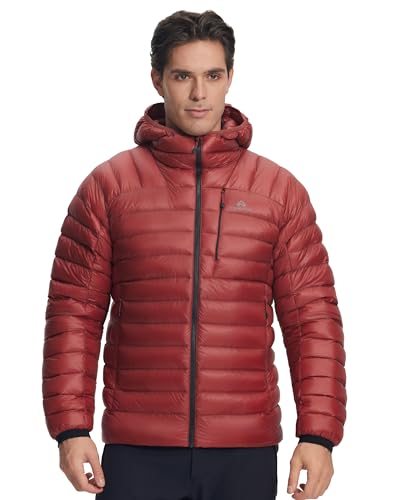
Many high-performance packable outerwear pieces incorporate an internal stow pouch built directly into the lining. This pocket usually features a reversible zipper with double-sided pulls, allowing the jacket to function as a self-contained pouch once fully packed. Garments like the Pioneer Camp 850 Fill Goose Down Jacket Men utilize this integrated pocket design to ensure you never misplace a separate stuff sack on the trail. Identifying this dedicated pocket before attempting to compress the garment prevents accidental strain on regular handwarmer pockets.
Examine the interior panels of your jacket to locate the specific pocket marked with a reversible zipper slide. Standard interior pockets lack double-sided sliders, whereas dedicated packable pouches feature reversible hardware designed to zip closed from the outside once inverted. Forcing a jacket into a non-reversible pocket can tear delicate liner stitches and ruin pocket zippers completely. Once you confirm the correct pocket, pull the pocket lining outward slightly so the opening rests flat and ready for garment insertion.
Certain high-end parkas and lightweight expedition puffers also include an internal hanging loop or carabiner clip inside this pocket. This small webbing loop becomes an exterior attachment point once the jacket is packed and zipped shut. Backcountry hikers often clip the resulting compact pouch to a climbing harness or pack daisy chain during active ascents. Inspecting these small design details helps you make full use of the packable architecture engineered into your jacket.
The Step-by-Step Folding and Inversion Technique
Begin the packing process by placing the unzipped jacket face down on a clean, flat surface. Smooth out the torso panels and sleeves to eliminate trapped air pockets within the insulated baffles. Fold both sleeves inward across the back so they overlap neatly along the center spine. This initial fold creates a uniform, narrow rectangle that matches the width of the target stow pocket.
Next, fold the bottom hem upward by approximately one-third of the jacket length. If the coat includes an insulated hood, fold the hood downward toward the collar to create clean, squared edges. Gently press down on the folded garment using your forearms to expel excess air without crushing the down clusters. Expelling this static air volume reduces resistance when you begin easing the fabric into the interior pocket.
Reach inside the dedicated packable pocket and grasp the bottom folds of the garment securely. Slowly turn the pocket inside out over the body of the jacket, working the folded bulk inward with small, steady movements. Guide the corners of the jacket into the deepest sections of the pocket before attempting to close the closure. Once the entire garment rests inside, pull the fabric edges away from the zipper teeth and gently close the reversible slider.
Never force the zipper shut if the fabric bulges awkwardly around the zipper track. Forcing a tight zipper is the most common cause of split teeth and torn liner panels on lightweight jackets. If the slider catches resistance, reopen the pocket slightly and knead the insulation deeper into the bottom corners. Redistributing the bulk creates clearance along the opening, allowing the slider to glide smoothly without snagging.
Packing Jackets with Included Compression Bags
Certain outerwear styles rely on an external matching sack rather than an internal reversible pocket. For instance, the CANADA WEATHER GEAR Womens Puffer Jacket utilizes a dedicated packing bag designed to hold its Glacier Shield insulation securely. External bags often feature drawstring cord locks or simple cylinder openings tailored to the compressed dimensions of the coat. Packing these garments requires a tight roll rather than a pocket inversion technique.
To pack a jacket into an exterior stuff sack, fold the side panels inward and roll the garment tightly from the collar down to the hem. Rolling the jacket expels air progressively through the baffles while keeping the outer shell smooth and free from irregular bunching. Slide the rolled cylinder base-first into the stuff sack opening while gently rotating the fabric to prevent friction snags. Cinch the drawstring closure firmly to secure the compressed bundle for transit inside your luggage or backpack.
Keeping track of an external stuff sack requires a deliberate habit when you wear the jacket. Stuff the empty sack deep into an interior zippered pocket as soon as you unpack your jacket on the trail. Losing the bag leaves you forced to stuff the jacket loose into your pack, exposing delicate shell fabric to abrasion. Developing a consistent system prevents misplaced accessories during fast-paced wilderness travel.
Protecting Delicate Shell Fabrics and Ultralight Zippers
Ultralight face fabrics require cautious handling during any tight packing routine. Garments built with premium materials like TORAY 10D nylon deliver excellent wind resistance and weight savings, but thin textiles remain vulnerable to zipper snags. A hurried packing attempt can easily catch fine nylon fibers in metal or molded plastic teeth, creating micro-tears across the baffles. Always keep one finger positioned under the zipper track as a protective guard while sliding the pocket closed.
Avoid packing jackets that are damp from rain, snow, or heavy physical exertion. Compressing wet fabrics traps moisture against the insulation, creating odors and potentially compromising water-repellent shell coatings. If your jacket encounters wet weather on the trail, allow the face fabric to dry completely before compressing it into a tight bundle. Taking a few minutes to air out technical outerwear protects both the shell fabric and the internal thermal fill.
Be mindful of sharp objects on trail tables, rock ledges, or rustic cabin floors when folding your jacket. A coarse wooden picnic table or sharp granite boulder can snag fine denier nylon and tear open down baffles before you finish rolling. If no clean surface is available, fold the jacket across your knees while standing or resting against your backpack. Protecting the face fabric from sharp surfaces during packing preserves the weather-resistant integrity of your outer layer.
Down Fill Power Versus Synthetic Insulation Compressibility
The internal fill of your coat directly dictates how compactly it folds and how quickly it rebounds. High-grade down, such as 850 fill power goose down, offers exceptional compressibility because individual down plumes compress into tiny volumes under pressure. The Pioneer Camp 850 Fill Goose Down Jacket Men benefits from treated hydrophobic down that resists moisture collapse while offering top-tier compression. Down feathers pack smaller than synthetic alternatives, allowing travelers to slip substantial warmth into minimal pack space.
Synthetic insulation structures, such as Glacier Shield thermal fill, behave somewhat differently during packing. Synthetic continuous fibers resist clumping and retain reliable insulating loft after repeated cycles of compression and unpacking. However, synthetic fills generally require slightly more physical volume than high-fill down to achieve comparable warmth. Pairing your packed outer layers with versatile lightweight trail pants keeps your entire trail apparel system compact and balanced.
Graphene-infused linings and advanced thermal inner layers also influence packing performance. These high-tech textile additions conduct and circulate body heat efficiently without adding heavy physical bulk to the garment baffles. Because these modern fabrics remain thin and pliable, they fold smoothly alongside down or synthetic clusters without stiff resistance. Knowing your garment insulation properties helps set realistic expectations for compressed pouch size and packability.
Trail Pack Organization and Weight Distribution
Proper placement of your compressed jacket inside a backpack maintains comfortable weight balance throughout long miles. Keep your packed puffer positioned in the middle or upper section of your pack, close to your back panel. Placing heavy items directly on top of a compressed down coat can pinch the baffles against pack frames and create unnecessary friction. If you use affordable gear like budget trail daypack options, organized packing ensures smooth access whenever cold summit winds begin to blow.
Pack your insulated jacket where you can reach it quickly during rest breaks or sudden temperature drops. Mountain weather shifts rapidly, and stopping to rest after a steep ascent causes your body temperature to drop within minutes. A well-stowed packable coat can be removed and deployed in seconds, shielding you from convective chill before you begin to shiver. Keep the compressed pouch away from sharp gear items like trekking pole tips, crampons, or rough tools that could puncture the stuff sack.
Consider keeping the packed jacket inside a lightweight dry bag if you anticipate sustained rainfall or river crossings. While packable jackets feature weather-resistant outer shells, extreme downpours can penetrate backpack seams and soak compressed gear. Wet down loses almost all thermal loft, leaving you without an effective warmth layer when you stop moving. Adding an extra waterproof barrier inside your pack provides peace of mind on multi-day backcountry itineraries.
Unpacking and Restoring Baffle Loft for Maximum Warmth
When you arrive at your campsite or summit overlook, unpack your coat promptly to allow the insulation to expand. Release the pocket zipper or stuff sack drawstring carefully to avoid catching the shell fabric on the hardware. Remove the jacket and hold it by the shoulders, giving it several vigorous shakes in open air. Shaking redistributes the down plumes and synthetic fibers evenly across the baffled chambers.
Allow the unpacked jacket to hang or rest flat for ten to fifteen minutes before expecting peak thermal performance. Trapped air within the baffles creates the dead-air barrier necessary to trap radiant body heat effectively. If the jacket feels flat after prolonged travel, gentle patting across the chest and back panels helps accelerate loft recovery. Restoring the natural loft ensures that cold spots do not form along the shoulders or chest while you remain stationary.
Body heat also aids in the loft expansion process once you put the jacket on. As your core warms the internal air pockets, the down clusters naturally relax and expand to their full lofted state. If you notice any stubborn clumping after unpacking, gently massage the baffles between your fingers to separate the fibers. Taking these quick steps ensures that your coat delivers its full engineered thermal rating in cold weather.
Long-Term Home Storage Versus Field Compression
Compressing an insulated jacket into its pocket or stuff sack is intended strictly for travel and active trail days. Leaving down or synthetic coats compressed inside tight pouches for weeks or months degrades the natural resiliency of the insulation. Over time, persistent compression crushes delicate down plumes and causes synthetic batting to lose its springy loft permanently. Reduced loft directly diminishes the insulating capacity of your jacket, leaving you colder on future outings.
Store your packable jacket on a wide, padded hanger in a dry closet when you return home from your trips. Alternatively, you can place the coat loosely inside a breathable mesh or cotton storage bag that allows the insulation to remain fully expanded. Keep storage areas well-ventilated and away from direct sunlight or damp basement humidity to prevent mold growth. Proper home care guarantees that your jacket retains its full loft, ready to compress reliably whenever your next journey begins.
Avoid storing insulated jackets inside plastic dry-cleaning bags or non-breathable vinyl containers. Enclosed plastic wraps trap lingering atmospheric humidity and prevent natural air exchange, which can cause down clusters to smell stale. Storing the garment uncompressed in a breathable environment keeps the shell fabrics crisp and the insulation fresh. Treating technical garments with care between trips extends their usable lifespan across many seasons of trail use.
Practical Takeaways for Cold-Weather Preparedness
Packing technical outerwear efficiently requires patience, clean technique, and respect for delicate lightweight materials. Master the reverse-pocket fold or cylindrical roll at home before heading out into challenging backcountry conditions. Protecting your zippers from snags and keeping fabrics dry preserves the longevity of your investment for seasons of adventure. With proper packing habits, your packable jacket remains an indispensable shield against sudden cold snaps on every trail.



Write Your Review
No reviews yet. Be the first to share your experience!