


Regulating body temperature on exposed climbs requires outdoor clothing that actively pulls sweat away from your skin before chilling sets in. Many outdoor enthusiasts struggle with clammy fabrics and chafing when venturing into varying terrain, making it essential to choose garments engineered for outdoor movement. Deciding what type of clothes to wear for hiking comes down to selecting technical synthetic fabrics or merino wool blends that promote rapid evaporation. Choosing the right foundational apparel, such as moisture-wicking shirts and reliable lightweight hiking pants, creates an adaptable barrier against changing mountain weather.
Cotton garments trap perspiration against the skin, which can rapidly drop your core temperature during breezy ridge crossings or stationary lunch breaks. Modern athletic apparel, including polyester and spandex blends, delivers the necessary four-way stretch and ventilation to maintain all-day trail comfort. Hikers also benefit from integrated sun defense, with certified UPF ratings shielding sensitive skin without requiring constant sunscreen reapplication. Understanding these fabric dynamics allows you to build a versatile wardrobe that handles steep elevation gains without restricting your stride.


Understanding What Type of Clothes to Wear for Hiking
Selecting trail clothing requires balancing climate management, mobility, and fabric resilience across changing elevations. Backpackers and day hikers frequently encounter shifting weather, meaning every piece worn must actively manage perspiration and shed excess heat. Understanding how technical fabrics interact with your body allows you to maintain comfort during strenuous ascents. By coordinating specialized synthetic tops, flexible bottoms, and insulating mid-layers, you create an integrated clothing system that shields you from the elements.
The Fundamental Layering Strategy for Variable Trails
A dependable outdoor clothing system relies on the interplay between three functional layers rather than a single heavy garment. The next-to-skin base layer manages skin moisture by lifting sweat before it cools, while the middle layer traps warm air generated by physical exertion. Outer shells defend against biting winds and unexpected rainfall without compressing the inner garments. Adjusting these layers throughout your journey prevents both overheating on steep switchbacks and shivering during summit breaks.
Wearing improper fabrics disrupts this dynamic, leading to internal clamminess that compromises thermal efficiency. When moisture accumulates inside your clothing, your body expends valuable energy attempting to stay warm. Hikers frequently discover that pairing breathable tops with flexible, trail mobility hiking pants maintains steady thermal regulation across varying microclimates. Managing your layering system proactively ensures that elevation shifts do not catch you unprepared.
Next-to-Skin Tops and Moisture-Wicking Fiber Performance
Technical base layers function as your primary defense against moisture buildup during strenuous hill climbs. Synthetic fibers like polyester and spandex excel in outdoor settings because their hydrophobic yarns refuse to hold water. Instead of absorbing liquid, these fabrics rely on capillary action to distribute sweat across a broad surface area for rapid evaporation. This fast-drying capability ensures that your skin remains dry even when pushing through strenuous alpine terrain.
Garments such as the BOOJO Workout Mens Shirts highlight the value of breathable polyester construction with integrated four-way stretch. The four-way stretch fabric moves naturally with your torso during dynamic trekking pole movements, eliminating restrictive pulling across the shoulders. Additionally, shirts featuring a tag-free collar design prevent the repetitive neck chafing that frequently develops under heavy pack straps. Prioritizing breathable weaves keeps air circulating freely around the torso during high-output summer excursions.
Women seeking relaxed upper-body ventilation often prefer loose-fitting designs like the XIEERDUO Oversized Workout Tshirts for Women Dry. Crafted from a blend of 95% polyester and 5% spandex, this top provides an airy drape that encourages natural convective airflow around the midsection. The lightweight construction prevents fabric cling during humid valley treks while drying swiftly during rest stops. Combining synthetic softness with moisture-wicking yarns delivers the steady comfort necessary for extended trail mileage.
Solar Radiation Defense and Built-in UPF Trail Protection
Sun exposure increases dramatically as you gain altitude, making ultraviolet protection an essential attribute for hiking shirts. High-elevation ridges reflect solar radiation, accelerating skin damage and compounding physical fatigue on unshaded routes. Garments manufactured with dense fiber weaves block harmful rays directly, reducing the constant need for greasy lotions. Technical tops with certified sun protection ratings provide reliable ultraviolet shielding that remains active throughout your entire trek.
Garments with certified UPF 50+ ratings are designed to shield against both UVA and UVB rays from penetrating the fabric weave. The PINSPARK Short Sleeve Workout Clothes for Women V incorporates this protective rating within a lightweight, moisture-wicking textile. Featuring a flattering V-neck cut, this top promotes cooling airflow across the chest while defending your shoulders and back from intense solar radiation. A curved hem offers extended hip-length coverage, preventing the hem from riding up above your waistband when navigating steep scrambles.
Another reliable warm-weather option is the XIEERDUO Summer Tops for Women 2026 Short Sleeve, which combines 86% polyester and 14% spandex with UPF 50+ protection. The high spandex concentration delivers resilient elasticity that retains its shape even after hours of repetitive arm movements. Loose silhouettes like this allow warm air to escape through the hem and neckline, promoting evaporative cooling on sweltering afternoon traverses. Incorporating certified sun defense into your clothing ensures comprehensive protection during exposed wilderness treks.
Lower-Body Apparel: Mobility, Stretch, and Pocket Security
Trail bottoms must provide unrestricted knee flexion and durable seam construction to handle varied terrain. Navigating granite steps, fallen logs, and muddy switchbacks demands trousers that stretch smoothly without binding against the quadriceps. Traditional rigid cotton jeans hold water and chafe aggressively, making them entirely unsuited for backcountry excursions. Modern athletic joggers and trail pants utilize polyester-spandex blends that stretch in multiple directions while resisting light trail abrasion.
The FOGFIRE Mens Sweatpants with Zipper Pockets demonstrate how athletic bottoms can serve the needs of active trail enthusiasts. Constructed from 83% polyester and 17% spandex, these lightweight joggers provide superior four-way elasticity alongside rapid moisture dispersal. Dual zippered side pockets securely hold essential items such as navigation cards, pocket knives, or snacks, preventing gear from falling out on steep ascents. Tapered ankle cuffs maintain a clean profile that prevents loose fabric from snagging on trailside brush or dragging through mud.
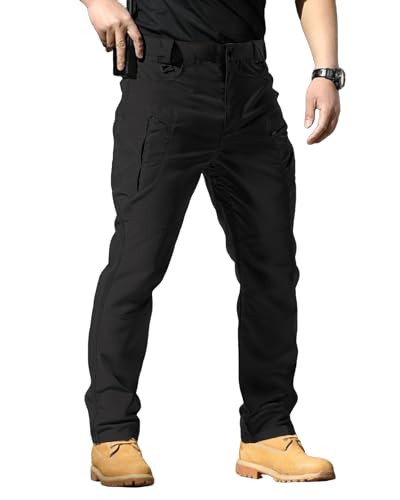
Hikers who prefer structured pants for rocky scrambles frequently look for specialized options like durable hiking bottoms with reinforced knees. Combining resilient face fabrics with flexible waistbands ensures your clothing sits comfortably beneath a loaded backpack hip belt. When bottoms maintain their position without sliding down or pinching, you can focus on footing rather than constant wardrobe adjustments. Selecting flexible, quick-drying bottoms creates a dependable foundation for technical trail traverses.
Mid-Layer Insulation for Elevation Gains and Temperature Drops
Temperature drops are common as you gain elevation, requiring a dependable insulating mid-layer in your pack. As climbing winds pick up on open summits, stationary rests can quickly turn chilly if your sweat-dampened base layer is exposed to moving air. A high-density knit top traps warm body heat within its fiber matrix, establishing an effective thermal buffer against the cold. Lightweight mid-layers provide this thermal security without adding excessive weight or bulk to your daypack.
The Odosalii Sweatshirts for Women Trendy Fall Shirts illustrates how a high-density knit mid-layer supplies soft insulation during cool-weather outings. Crafted from a substantial yet breathable textile, this long-sleeve top provides full opacity and comfortable warmth without creating unnecessary bulk beneath an outer shell. Its modern side slits and relaxed drape ensure that the fabric moves fluidly over a base layer without bunching around the hips. This piece transitions effortlessly from brisk morning trail starts to casual post-hike gatherings.
Strategic mid-layers must breathe efficiently during physical exertion so they do not trap excessive moisture against your inner garments. If an insulating layer lacks breathability, sweat vapor condenses against the fabric, causing a clammy interior that undermines warmth. Selecting knit structures that allow excess vapor to escape while retaining core warmth prevents rapid temperature fluctuations. Carrying a versatile mid-layer ensures that unexpected cloud cover or dropping summit temperatures will not force an early retreat.
Garment Ergonomics: Curved Hems, Side Slits, and Chafe Reduction
Trail apparel ergonomics play a pivotal role in preventing painful friction hotspots over long trail miles. When carrying a backpack, standard boxy shirts often ride up, exposing your lower back to abrasive pack padding and hip belt friction. Designs featuring curved hems and extended back lengths remain securely tucked or settled beneath pack straps during continuous movement. These subtle tailoring details prevent direct skin contact with rough pack materials, eliminating painful chafing before it starts.
Side slits offer another functional advantage by allowing tops to drape naturally over the hips without bunching or binding. Both of the XIEERDUO short-sleeve tops incorporate side slits that accommodate wide steps, high knee lifts, and deep squats on rocky paths. This unrestrained hem geometry prevents fabric tension across the midsection, improving overall ventilation as you move. When clothing works in harmony with your natural stride, physical exertion feels smoother and far less fatiguing.
Flatlock seams and tagless necklines further reduce friction along critical contact points, such as underarm and shoulder areas. Repetitive motion against raised interior seams can irritate skin during humid hikes, especially when sweat softens the outer epidermal layer. Garments designed with low-profile stitching minimize this abrasive rubbing, keeping your skin intact across multi-hour excursions. Prioritizing ergonomic cuts and smooth seam construction ensures that small design details deliver major comfort benefits on the trail.
Practical Fabric Care and Maintaining Synthetic Performance
Proper laundering preserves the moisture-wicking and sun-protective properties of technical hiking apparel over many seasons. Synthetic fabrics like polyester and spandex can trap body oils and bacteria within their microfibers if washed incorrectly. Standard liquid detergents and fabric softeners often leave behind chemical coatings that clog the fine pores responsible for moisture transfer. Avoiding fabric softeners ensures that the capillary action of your athletic shirts remains completely unhindered.
Washing technical tops in cold water on a gentle cycle prevents fiber breakdown and protects delicate spandex elasticity. Hand washing or using specialized gentle detergents helps remove stubborn sweat salts without degrading fabric integrity. High-heat dryer cycles should always be avoided, as intense heat can melt synthetic yarns or cause elastic waistbands to degrade prematurely. Air drying your hiking clothes on a line or drying rack allows the quick-dry fabrics to shed moisture naturally within hours.
Regular maintenance also prevents lingering trail odors from becoming permanently embedded within polyester fibers. Soaking garments in a diluted white vinegar solution before laundering can neutralize odor-causing bacteria without harming fabric colors. Checking manufacturer care instructions before each wash cycle ensures that your gear maintains its original fit and technical capabilities. Careful cleaning habits protect your apparel investment, ensuring every piece performs reliably on future wilderness journeys.
Selecting Trail Garments for Weather and Terrain Demands
Customizing your clothing selection to match specific trail conditions is the final step in planning a successful hike. Hot, arid routes through exposed canyons require lightweight, loose-fitting tops with UPF 50+ protection and breathable ankle-length bottoms. Humid forested trails call for rapid-drying polyester crew necks that channel air freely around your torso to speed up sweat evaporation. Dense, overgrown paths demand snag-resistant woven pants that shield your legs from thorny underbrush, nettles, and tick exposure.
Shoulder-season excursions require additional planning because morning frost can easily transition into humid afternoon heat. Carrying an adaptable long-sleeve knit alongside a core synthetic base layer allows you to respond dynamically to changing ambient temperatures. Secure zippered pockets remain indispensable across all seasons, ensuring valuable navigation gear stays locked in place while scrambling over obstacles. Preparing your wardrobe for the specific trail profile guarantees that unexpected weather shifts remain manageable adventures rather than uncomfortable hazards.


Write Your Review
No reviews yet. Be the first to share your experience!