


Sudden elevation gains and unpredictable ridge winds often force hikers to adjust their layers several times during a single outing. Carrying bulky outer layers quickly crowds a daypack and adds unnecessary trail weight, leading many outdoor enthusiasts to ask what is packable jacket design and how it functions in unpredictable backcountry conditions. These specialized garments are engineered from lightweight fabrics that compress down into a pocket or separate pouch, creating an emergency weather barrier without monopolizing valuable pack space. When paired with lightweight hiking pants, a compressible outer layer provides dependable elemental defense while keeping your total trail load minimal.
A packable jacket serves primarily as an on-demand shield against sudden downpours, biting gusts, or evening temperature drops at open summits. Rather than remaining on your body all day, the piece stows compactly until changing weather demands immediate wind protection or stationary insulation. Modern designs balance thin, high-density weaves with functional weather resistance, helping backpackers and travelers avoid the dangerous chilling that occurs when cold rain penetrates damp base layers. Understanding how these compressible garments integrate into a technical layering system ensures you stay protected on remote trails without hauling excessive bulk.



Understanding Packable Jackets: Core Design, Materials, and Trail Function
A packable jacket is a specialized outer garment engineered to compress into a compact pouch or its own integrated pocket. Unlike conventional outerwear built with rigid backing fabrics or heavy linings, these garments use lightweight synthetic textiles that collapse down to roughly the size of a water bottle. Hikers and travelers rely on this compressible design to carry emergency weather protection without sacrificing valuable pack space or taking on excess weight. Exploring the core engineering behind what is packable jacket construction helps outdoor enthusiasts choose between an ultralight rain shell and a compressible insulated puffer.
Compression Mechanics: Self-Stowing Pockets Versus External Pouches
Packable jackets typically compress using an integrated stow pocket or a separate drawstring stuff sack. Self-stowing designs, such as the Columbia Men’s Glennaker Lake II Rain Jacket or the Outdoor Ventures Women’s Packable Lightweight jacket, feature a pocket equipped with a reversible dual-slider zipper. Turning the pocket inside out allows the wearer to stuff the entire garment directly into itself, creating a self-contained bundle that cannot be misplaced at camp. This integrated setup offers exceptional convenience during sudden trail squalls because you never have to search through a loaded pack to find a loose storage bag.
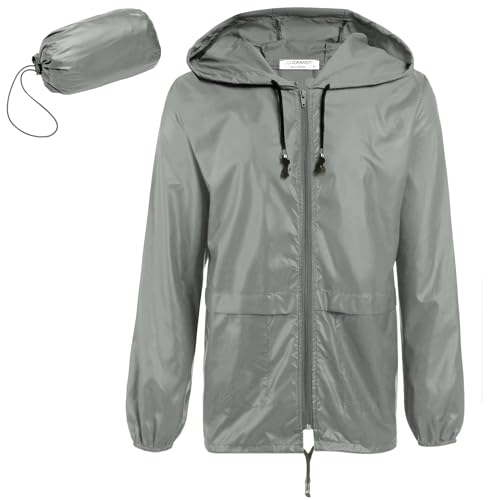
Separate stuff sacks and carrying pouches provide an alternative packing approach favored by ultralight shell designs and insulated puffers. Garments like the 33,000ft Women’s Rain Jacket Waterproof and the COOFANDY Men Packable Rain Jacket Lightweight Rain include accessory pouches that allow hikers to compress the fabric evenly. Loose pouches enable a tighter cylindrical roll, which slips smoothly into exterior water bottle pockets or cramped luggage compartments. When planning extended trips, understanding luggage space and carry on travel backpack dimensions helps determine whether a cylindrical stuff sack or a flatter pocket-stowed pouch packs more efficiently.
Distinguishing Between Packable Rain Shells and Compressible Puffers
The term packable jacket encompasses two distinct categories of trail apparel: uninsulated weather shells and lightweight insulated puffers. Packable rain shells focus entirely on blocking moisture and cutting wind chill, relying on thin waterproof fabrics rather than interior batting. Models like the 33,000ft Women’s Rain Jacket Waterproof provide an ultralight barrier weighing around 250 grams, prioritizing precipitation protection and compact carriage over active warmth. These garments protect against hypothermia by keeping rain from saturating your mid-layers, making them essential safety staples during wet three-season treks.
Compressible puffers, in contrast, prioritize thermal efficiency by trapping body heat within quilted compartments filled with synthetic insulation. Jackets such as the Amazon Essentials Women’s Lightweight Long-Sleeve and the Amazon Essentials Men’s Lightweight use quilted baffles to stabilize lightweight synthetic fill across the core and arms. While these insulated pieces feature water-resistant exterior treatments to handle brief flurries, their primary role is maintaining warmth during stationary summit stops or chilly morning departures. Confusing these two garment types can lead to cold discomfort, as a thin rain shell cannot insulate against freezing winds without a dedicated fleece underneath.
Choosing between a shell and a puffer depends entirely on the environmental exposure expected along the route. Backpackers heading into humid environments with frequent afternoon thunderstorms need the taped seams and waterproof shell fabric of a dedicated rain jacket. Conversely, hikers venturing into crisp, dry shoulder-season weather will benefit more from the compressible warmth of an insulated jacket like the Outdoor Ventures Women’s Packable Lightweight model. In severe mountain climates, many experienced hikers carry both styles simultaneously, layering the packable waterproof shell directly over the compressible puffer when cold rain begins to fall.
Technical Shell Fabrics, Coatings, and Weatherproof Performance
The performance of any packable shell rests on its face fabric composition, which is almost universally woven from lightweight nylon or polyester. Nylon plain weave textiles, such as those found on the Columbia Men’s Glennaker Lake II Rain Jacket, offer superior tensile strength and abrasion resistance relative to their minimal yarn weight. Polyester weaves, often utilized in multi-activity garments like the COOFANDY Men Packable Rain Jacket Lightweight Rain, provide natural hydrophobic properties that resist water absorption and dry rapidly after exposure. These synthetic textiles prevent the garment from soaking up ambient moisture, ensuring the jacket remains light even after hours of trail use.
Weather resistance in compressible shells relies heavily on specialized surface coatings and laminated barriers applied to the fabric. Water-resistant shells treat the exterior face with durable water repellent finishes that cause light precipitation to bead up and roll away before saturating the weave. True waterproof jackets combine this surface repelling action with an impenetrable interior membrane or polyurethane coating that stops wind-driven downpours. It remains vital to note that water resistance is distinct from total waterproofing, as prolonged deluge conditions will eventually penetrate garments that lack fully sealed seams and continuous membrane backings.
Breathability represents a critical mechanical consideration when moving uphill in a packable waterproof shell. High-exertion ascents generate substantial metabolic perspiration, which can quickly condense along the jacket’s inner lining if warm vapor cannot escape into the surrounding air. When internal sweat accumulates faster than moisture can transmit through the fabric, hikers experience clammy skin and severe post-climb shivering. Selecting lightweight shells with breathable fabric structures helps maintain personal climate control, preventing the chilling hazard of sweat-soaked base layers when reaching windy ridgelines.
Insulation Dynamics in Compressible Puffer Jackets
Compressible puffer jackets achieve an impressive balance between pack volume and thermal retention through high-loft synthetic insulation. Unlike natural down, which clumps and loses its insulating ability when exposed to perspiration or precipitation, synthetic polyester batting continues to trap warm air pockets even when slightly damp. Garments like the SLOW DOWN Womens Plus Size Lightweight Puffer utilize synthetic fibers that rebound quickly after being compressed inside a stuff sack for hours. This structural resilience allows backpackers to repeatedly pack and unpack their warm layers throughout a multi-day trip without permanently crushing the loft.
Quilting architecture plays a structural role in preventing insulation migration and minimizing cold spots across the upper body. Traditional horizontal channel stitching holds the batting securely in place across the chest, shoulders, and sleeves, ensuring uniform thermal coverage during active movement. Specialized patterns, such as the V-shaped quilting incorporated into the SLOW DOWN Womens Plus Size Lightweight Puffer, provide an ergonomic contour that reduces excess bulk while retaining core warmth. Smaller baffle designs allow the jacket to compress down into smaller pouches, yielding a sleeker profile that fits easily beneath an outer rain shell.
Integrated Trail Adjustments, Hood Engineering, and Pocket Design
Thoughtful ergonomic adjustments allow packable jackets to seal out wind, rain, and drafts without adding unnecessary hardware weight. Elasticated wrist cuffs, such as those featured on the Amazon Essentials Men’s Lightweight puffer, hug the wrists closely to prevent cold drafts from creeping up the forearms. Adjustable hem drawcords, present on models like the Columbia Men’s Glennaker Lake II Rain Jacket and the 33,000ft Women’s Rain Jacket Waterproof, allow hikers to cinch the lower perimeter tight against gusting mountain winds. These elasticized contact points form a dependable physical barrier that locks in warm microclimate air around your core during sudden squalls.
Hood construction provides critical head and neck protection when dropping temperatures or wind-driven rain threaten your warmth. Several packable rain shells incorporate stow-away hoods that roll neatly into the collar when weather conditions remain clear and dry. Other insulated pieces, like the SLOW DOWN Womens Plus Size Lightweight Puffer, feature detachable zipper hoods that provide versatility across different seasonal conditions. Protective chin guards or zipper garages, like the one featured on the Outdoor Ventures Women’s Packable Lightweight jacket, shield delicate facial skin from harsh zipper abrasion during vigorous hiking.
Pocket layout and secure closures dictate how practical a packable garment feels when carrying daily essentials or navigating technical terrain. Exterior zippered pockets keep trail items such as compasses, snacks, and smartphones safe from water ingress while scrambling over rocky sections. Internal drop pockets, highlighted in models like the 33,000ft Women’s Rain Jacket Waterproof, offer discreet storage for travel documents, wallets, and extra gloves. Storing your essential trail accessories in secure pockets prevents gear drops and ensures your vital navigation tools stay dry when unexpected rain showers sweep across open ridges.
Layering Compatibility and Backcountry Temperature Regulation
A packable jacket functions most effectively when integrated thoughtfully into a standard three-part technical outdoor layering system. The system begins with a moisture-wicking synthetic or merino wool base layer resting directly against the skin to draw active perspiration away from the body. An insulating mid-layer, such as a microfleece or a lightweight packable puffer, rests over the base layer to trap warm air around the torso. Completing the system with a windproof and waterproof packable shell prevents external precipitation from reaching the inner layers, maintaining balanced thermoregulation across varied elevation profiles.
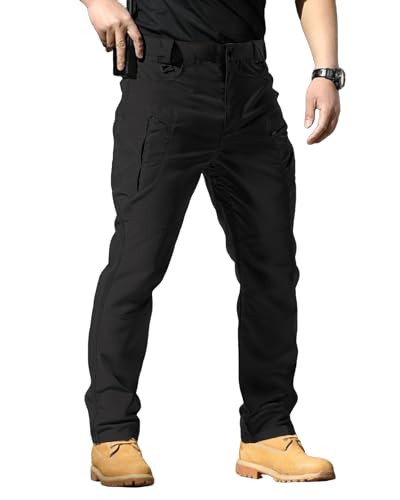
Pairing your upper body layering system with appropriate lower body apparel ensures complete physical comfort and elemental protection. Combining a lightweight packable jacket with flexible trail pants prevents lower body chafing while providing mobility across steep switchbacks. When rain begins to fall, water running off the hem of your jacket will quickly soak through standard denim or heavy cotton pants, leading to dangerous heat loss. Choosing technical bottoms made from fast-drying nylon or polyester prevents moisture absorption and maintains consistent freedom of movement throughout grueling trail miles.
Proactive layer shedding before steep trail ascents represents a vital habit for preventing garment saturation and overheating. Even breathable packable rain shells can struggle to vent excess heat when a hiker works hard under a loaded backpack. Stripping down to a base layer before starting a steep climb keeps perspiration output manageable and prevents inner fabric dampness. Once you reach the breezy summit or pause for a lunch break, pulling your packable shell or insulated puffer from your pack immediately preserves captured body heat before the wind chill induces shivering.
Technical Washing, Coating Maintenance, and Storage Protocol
Maintaining the technical performance of a packable jacket requires gentle cleaning procedures that protect delicate surface treatments and synthetic insulation. Dirt, body oils, and dried trail sweat can clog fabric weaves and degrade the water-resistant coatings that shed light precipitation. Manufacturer care guidelines for garments like the COOFANDY Men Packable Rain Jacket Lightweight Rain explicitly advise hand or machine washing on gentle cycles without ironing, as excessive heat can damage waterproof waxes. Always zip all closures and fasten hook-and-loop tabs before laundering to avoid fabric snags during the agitation cycle.
Standard household laundry detergents containing optical brighteners, fragrances, or fabric softeners should be avoided when cleaning technical outdoor outerwear. Softening agents coat synthetic fibers with chemical residues that destroy the fabric’s natural wicking ability and break down surface water repellency. Instead, use specialized technical apparel washes designed specifically for outdoor fabrics to lift grime without compromising protective coatings. If face fabrics begin to wet out and absorb surface water rather than beading droplets, re-applying a dedicated spray-on water repellent treatment can restore original performance without damaging interior breathability.
Long-term storage practices directly affect how long synthetic insulation and waterproof coatings retain their protective capabilities. While compressing a jacket into its stow pocket or stuff sack is ideal for day trips, leaving it compressed inside a dark closet for months can permanently flatten insulation loft. Extended compression can also cause permanent creasing along waterproof coatings, potentially weakening the membrane along fold lines over time. When returning home from backcountry adventures, unpack the jacket completely, shake out the baffles, and store the garment loosely on a wide hanger in a cool, dry environment.
Sizing Profiles, Layering Clearance, and Inclusivity
Evaluating sizing cuts and interior clearance is essential when choosing a packable jacket that must accommodate varying trail layers. A regular fit profile, such as that found on the Amazon Essentials Women’s Lightweight Long-Sleeve, provides a contoured shape through the chest and waist while leaving adequate space for lightweight base layers underneath. If you plan to wear a packable rain shell over thick winter fleece garments, sizing up one size, as recommended by manufacturer guidance for the 33,000ft Women’s Rain Jacket Waterproof, prevents tight binding across the shoulders and armpits.
Inclusive sizing options allow hikers of all body types to find compressible outerwear that moves comfortably without restricting deep breathing or arm extension. Garments like the SLOW DOWN Womens Plus Size Lightweight Puffer provide extended sizing through 2X, incorporating tailored V-shaped quilting to deliver balanced insulation without uncomfortable bulk. Proper torso length is equally vital, as jackets that ride up when reaching for overhead handholds expose the lower back to cold wind and rain. Selecting an outer layer with an athletic or relaxed cut ensures full coverage across varied terrain while supporting natural mobility on long treks.
Packable jackets provide an indispensable combination of ultralight weather defense, thermal adaptability, and space-saving portability for hikers and travelers alike. Whether deploying an emergency waterproof shell during a sudden mountain downpour or pulling out an insulated puffer during a chilly ridge crossing, these garments keep you prepared for abrupt environmental shifts. By selecting the right compression style, respecting technical laundering guidelines, and matching interior clearance to your layering needs, you can maintain trail comfort across changing seasons without burdening your pack with excess weight.


Write Your Review
No reviews yet. Be the first to share your experience!